

Exploring the Rich Tapestry of Global Cuisines
Introduction
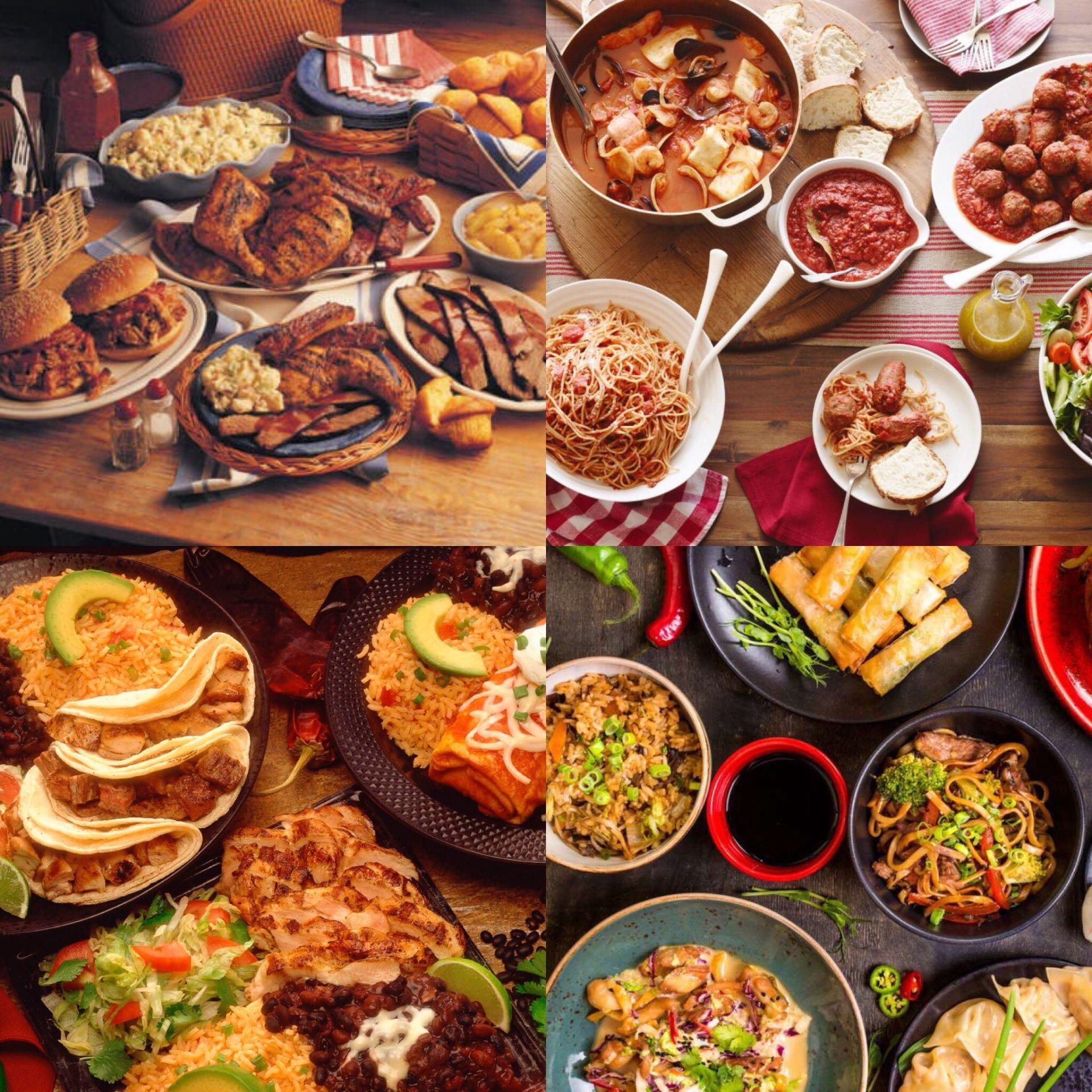
Cooking is one of the most colorful threads in the fabric of human culture. Every kitchen tells a story shaped by landscape, memory, and community. Whether it is the warmth of a slow-simmered stew or the bright snap of a fresh herb, each tradition invites us to taste the world through different eyes. This article celebrates that invitation, tracing how recipes travel, adapt, and continue to bring people together.
The Origins of Different Cuisines
1.1 The Mediterranean Table
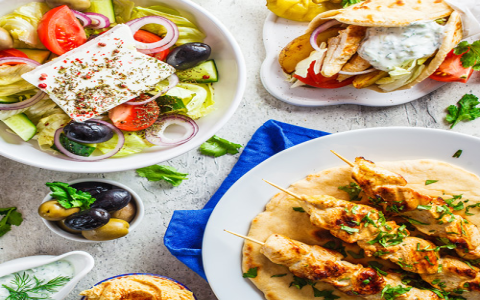
The sunny shores of the Mediterranean have long inspired meals built around olives, grains, vegetables, and legumes. Cooks in the region trust the seasons, letting ripe tomatoes, fragrant basil, and golden oil speak for themselves. Shared plates and leisurely conversation remain at the heart of the table, reminding diners that food is as much about fellowship as nourishment.
1.2 The Japanese Kitchen
Japanese cooking honors simplicity and the natural rhythm of the year. Rice, sea harvests, soy, and mountain vegetables appear in gentle combinations that highlight texture and purity. Dishes such as sushi, miso soup, and vegetable tempura reflect a wider philosophy: quiet beauty is found when nothing is added that does not truly belong.
1.3 The Indian Spice Route
Across the subcontinent, spice boxes hold tiny worlds of aroma—earthy cumin, citrusy coriander, golden turmeric, and sharp chilies. Regional soils and climates shape each blend, turning lentils, grains, and vegetables into meals that range from coconut-laced stews to fragrant rice dishes. The result is a cuisine as varied as the landscapes that inspire it.
Influences on Different Cuisines
2.1 Cross-Cultural Exchanges
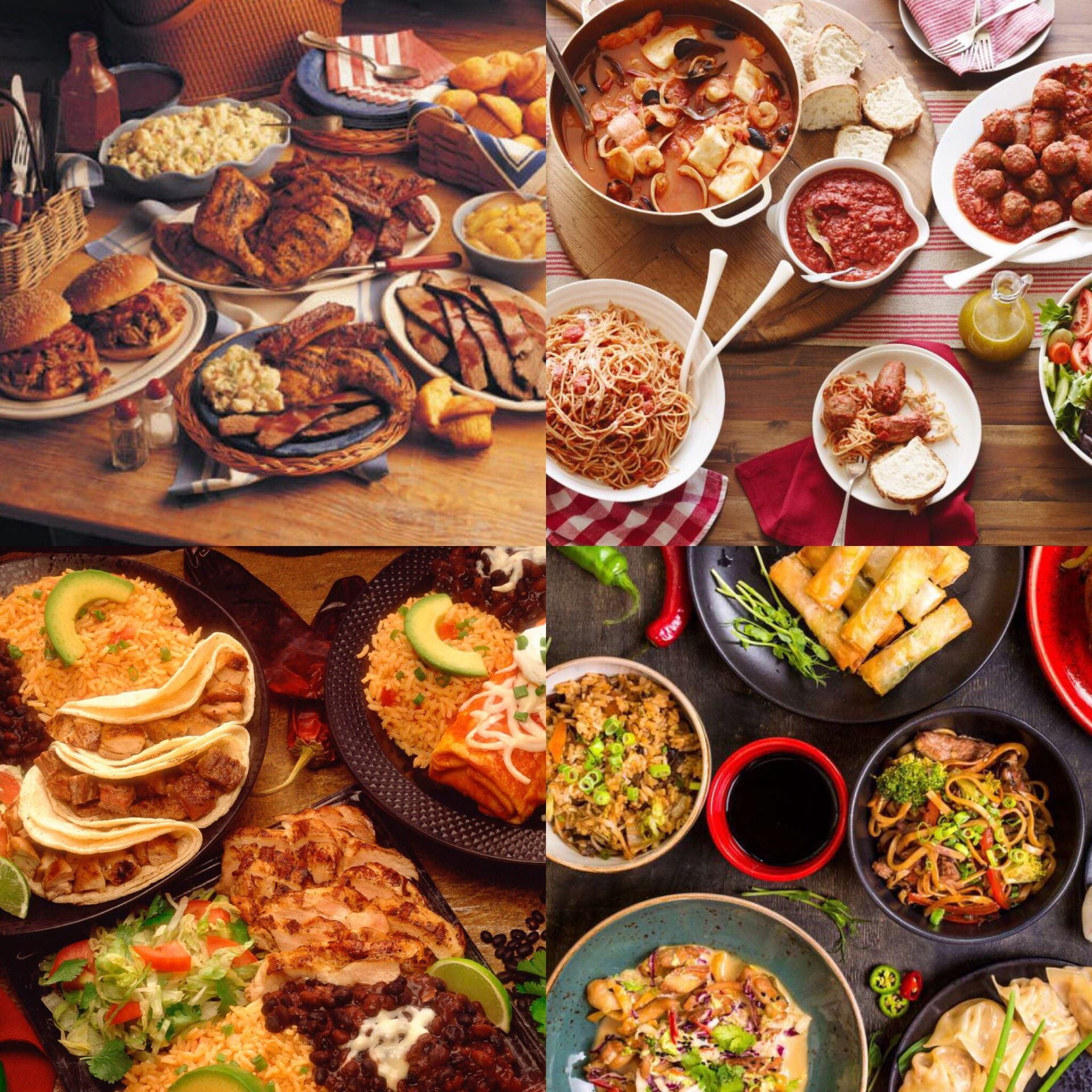
Recipes rarely stay at home. Traders, travelers, and neighbors carry seeds, techniques, and stories across borders. Chili peppers traveled far from the Americas to find new life in Asian stir-fries, while noodles journeyed westward to nest in European broths. Each meeting of ingredients creates another delicious chapter in the global cookbook.
2.2 Economic and Social Currents
Harvest cycles, market roads, and daily wages decide what lands on the stove. When certain crops flourish or trade paths open, kitchens adapt. A single new ingredient—say, a sturdy grain or a preserved fruit—can rewrite a region’s daily bread, showing how tightly food and circumstance are woven together.
The Cultural Significance of Different Cuisines
3.1 Feasts and Gatherings
Special days are marked by scent and flavor. Families roll dough for holiday breads, steam rice cakes for new-year luck, or stir sweet puddings to welcome guests. These ritual dishes turn the calendar into something we can taste, anchoring memory in every bite.
3.2 Identity on a Plate
A grandmother’s soup, a street-side snack, or a national dish can all whisper, “This is who we are.” Preserving such recipes becomes an act of cultural care, ensuring that future generations recognize themselves in the aromas of home.
Conclusion
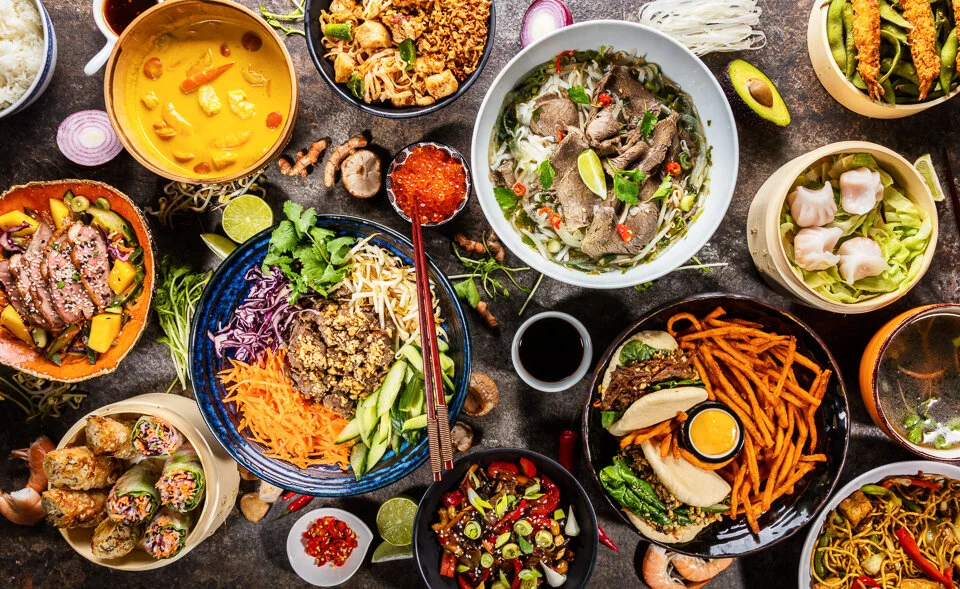
From mountain villages to coastal cities, every cuisine is a living diary of the people who cook it. By sharing meals, we share stories—of soil and sea, of journeys taken and tables set in welcome. Tasting the world’s kitchens teaches humility and curiosity, reminding us that difference can be delicious and familiarity can be found in a stranger’s stew.
Recommendations and Future Research
Curious minds can keep exploring by visiting local markets, trying new recipes at home, or reading the histories behind everyday ingredients. Documenting family dishes, supporting sustainable growers, and celebrating food festivals are simple ways to honor culinary heritage while helping it evolve. Each question asked over a shared plate adds another layer to the ongoing story of what, and how, we eat.


