

Introduction
A popular weight-management program that has guided millions for decades often sparks one simple question: does it sell food? This article explores the brand’s edible offerings, how they fit its overall philosophy, and what they mean for anyone trying to lose or maintain weight.
The Program in a Nutshell
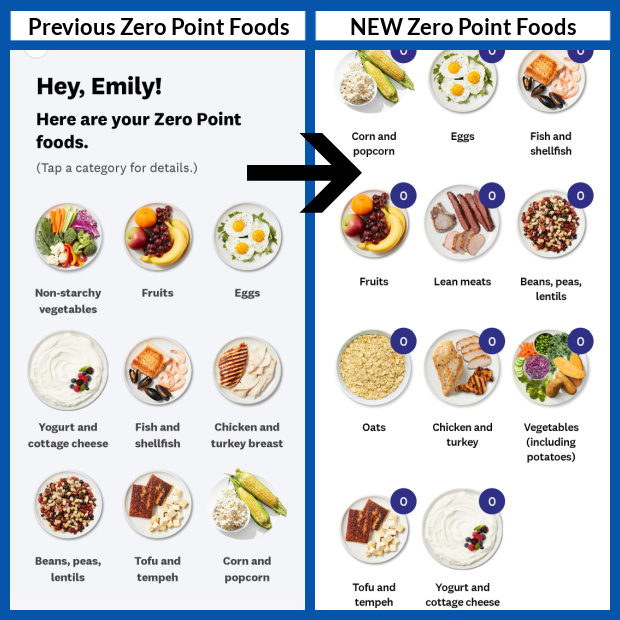
The plan centers on balanced eating, movement, and mindset shifts. Foods and drinks are assigned simple values based on calories, saturated fat, sugar, and protein, letting members mix favorite dishes while staying within a daily budget.
Does the Brand Sell Food?
1. Branded Supermarket Lines
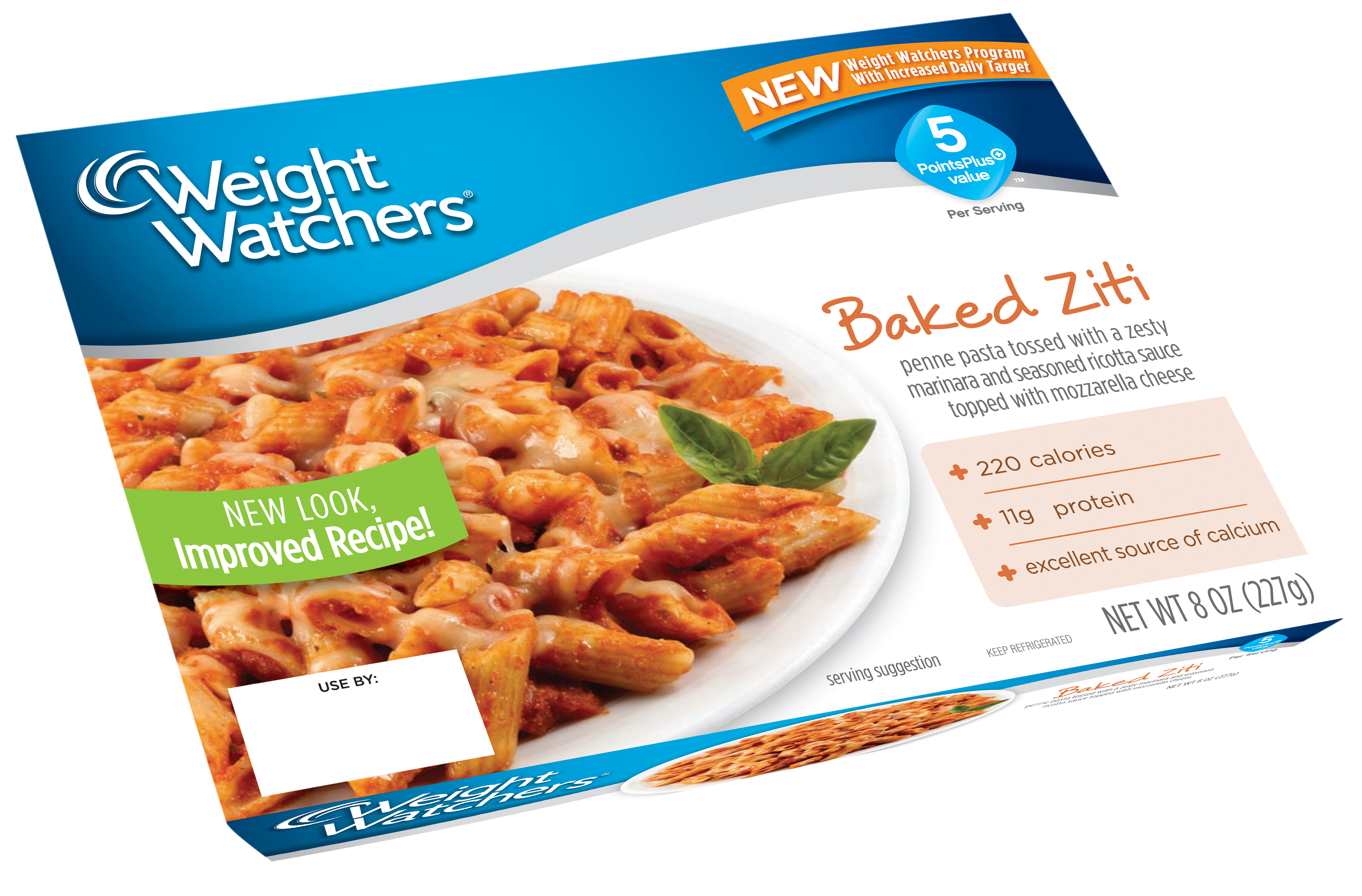
Look in the freezer aisle and you will find ready meals, desserts, and snack cups stamped with the program’s logo. Each package lists the exact value per serving so trackers need no guesswork.
2. Retail Partners
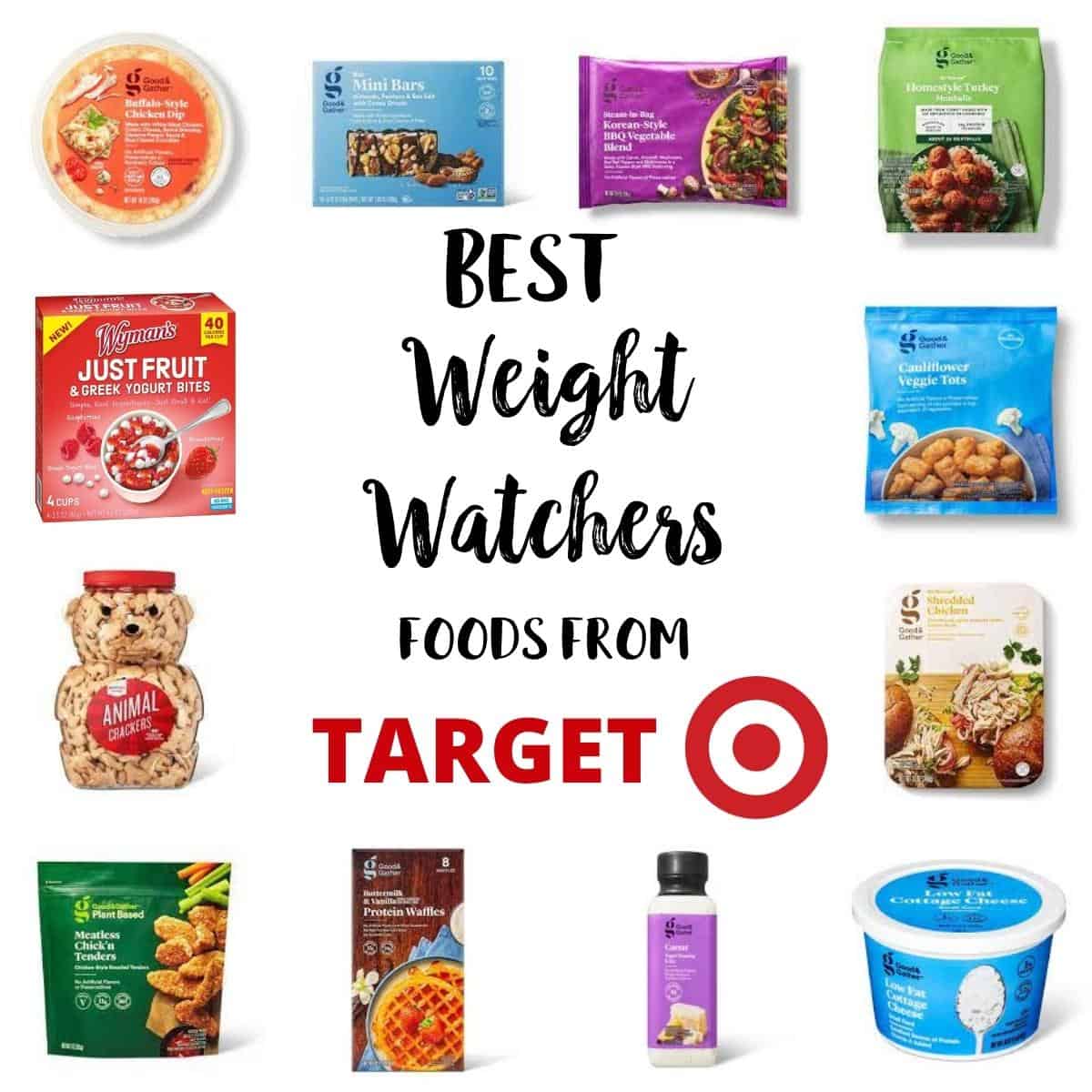
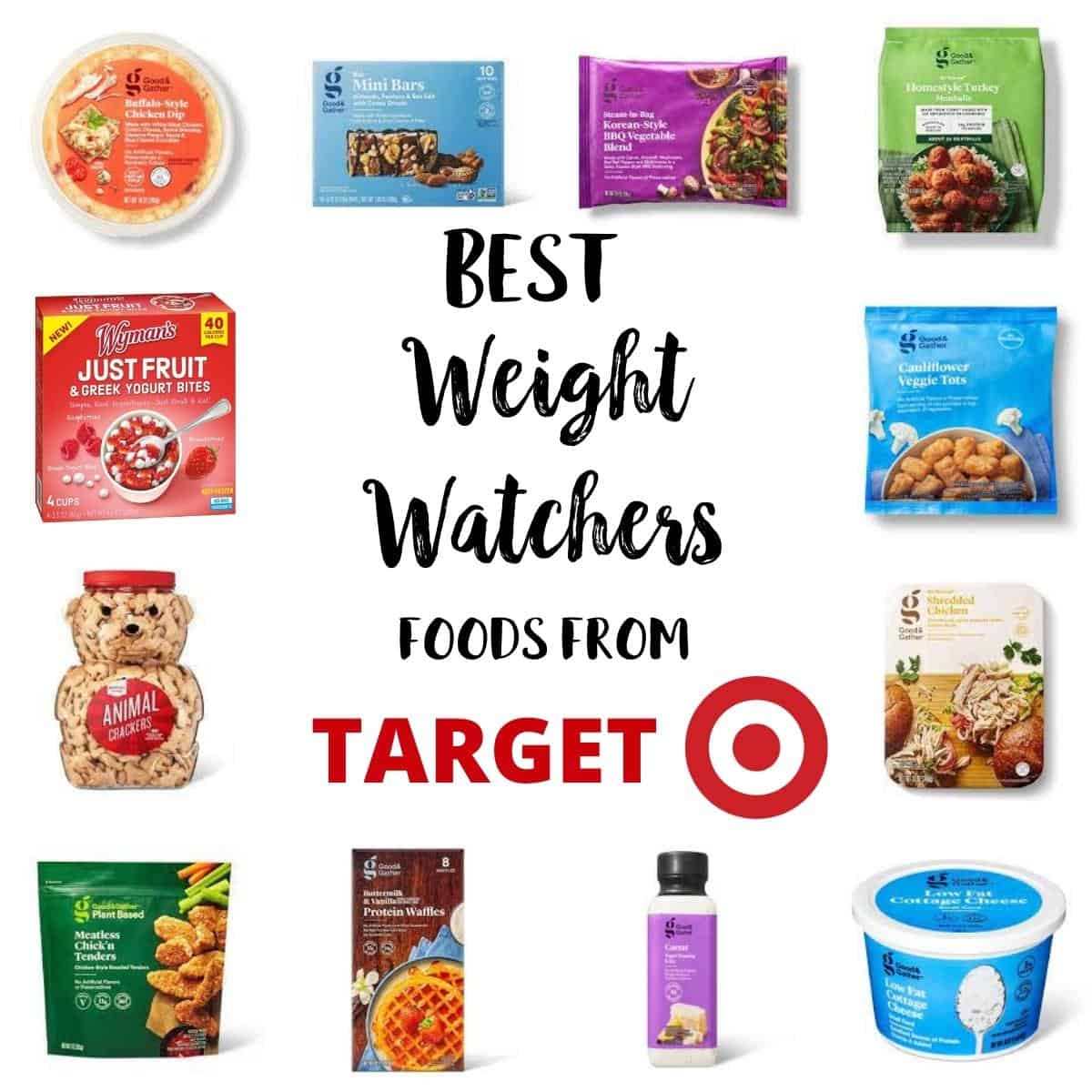
Selected grocers and restaurant chains highlight items that fit the system. Shelf tags and menu icons make it easy to spot lower-value choices whether you are grabbing lunch or stocking the pantry.
3. Digital Shop
An official web store ships shelf-stable meals, seasoning blends, and kitchen scales straight to your door, handy for people who like to plan ahead or live far from big supermarkets.
Benefits of Buying the Brand’s Food
1. Speed
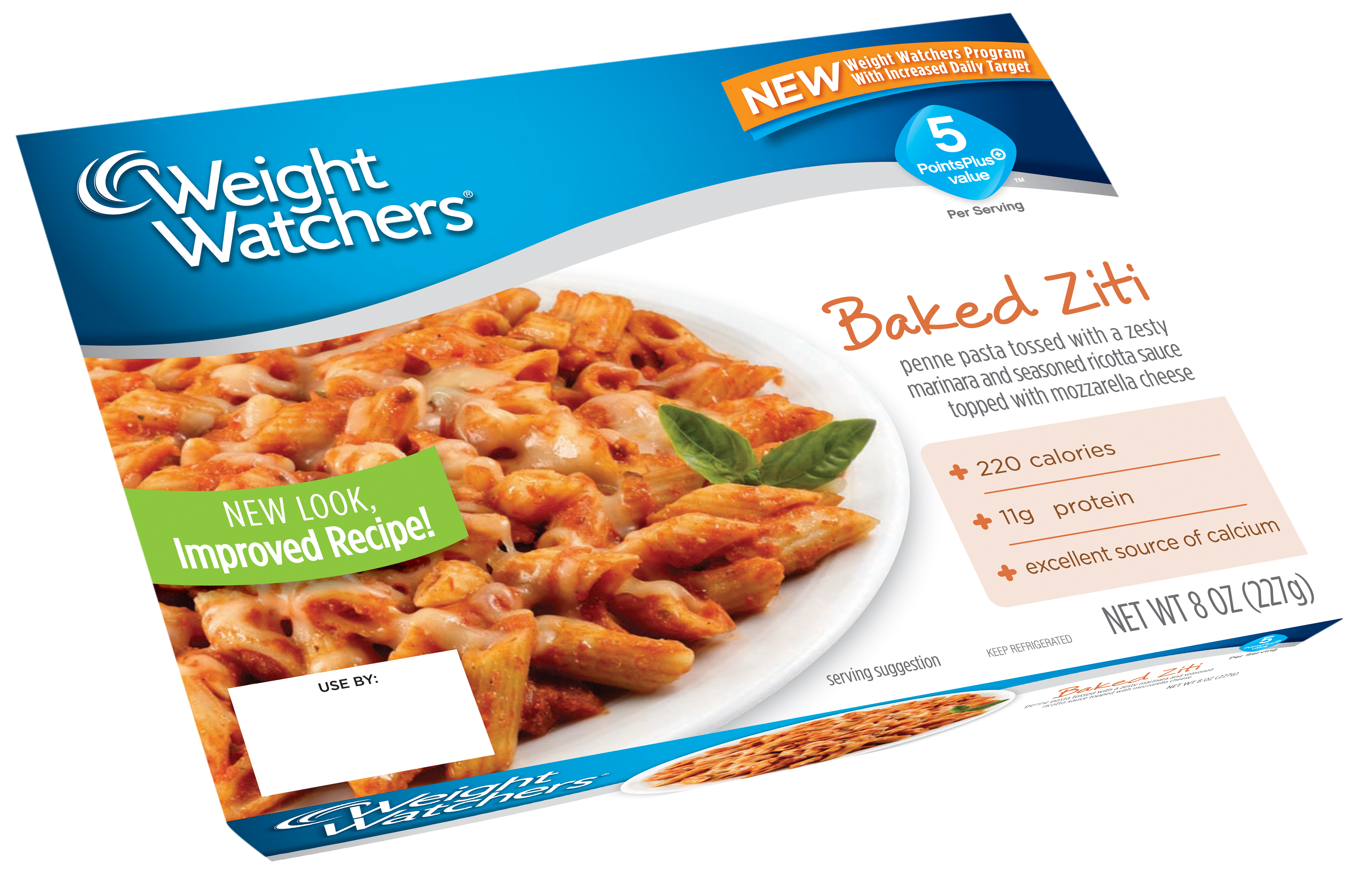
Pre-portioned entrées heat in minutes, cutting weekday cooking time and reducing the temptation to order take-out.
2. Built-in Balance
Recipes are crafted to deliver vegetables, lean protein, and fiber in every serving, nudging shoppers toward nutrient-dense plates without extra thought.
3. Automatic Portion Control
Single-serve trays and snack packs remove the need to weigh or measure, a common stumbling block for new members.
Possible Downsides
1. Higher Price Tag
Convenience comes at a premium; many items cost more than cooking from scratch, which can strain tight budgets.
2. Flavor Limits
While recipes keep improving, some diners still find the spice level or texture less exciting than homemade or restaurant fare.
3. Risk of Over-reliance
Leaning too heavily on packaged meals may slow the learning of essential cooking and meal-planning skills needed for lifelong maintenance.
Conclusion
The company does sell food—both under its own label and through partner picks—giving members quick, portion-controlled choices that slot neatly into the points budget. Used wisely, these products save time and reinforce healthy habits; used alone, they can pinch wallets and stall kitchen confidence. Blend them with fresh, self-prepared meals for the best long-term results.
Future Research
Studies could track whether frequent buyers maintain weight loss longer than those who cook solely from scratch, and how cost and taste ratings affect program loyalty. Such data would help the brand refine flavors, adjust pricing, and better support diverse lifestyles.


