Easy Things to Make and Sell: A Guide to Entrepreneurial Success
Introduction
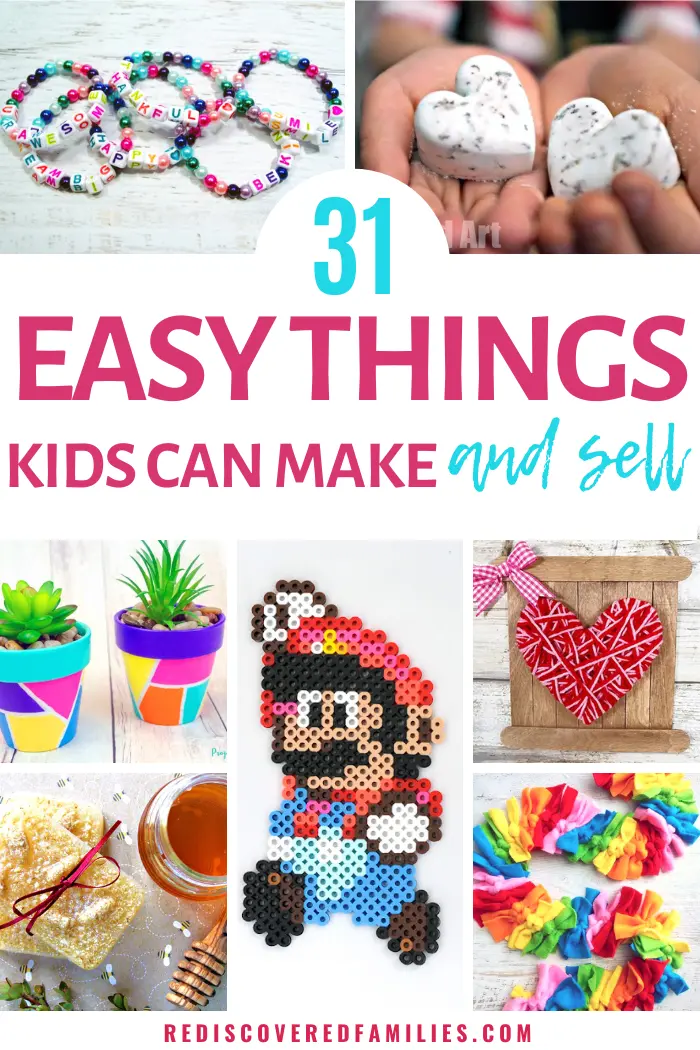
Starting a business does not always demand large capital or advanced training; sometimes the simplest items, lovingly crafted, can become best-sellers. Products that are quick to assemble, inexpensive to produce, and appealing to niche audiences allow newcomers to test the market without heavy risk. This guide outlines how to spot, create, and market such items while keeping costs low and customers happy.
The Market for Easy-to-Make Products
Market Trends
Online marketplaces have removed geographic limits, letting cottage industries reach shoppers worldwide. Buyers increasingly value individuality, story-driven brands, and small-batch quality, all of which home-based makers can supply. Recent growth in remote work and digital spending has further accelerated appetite for affordable, feel-good products that brighten everyday life.
Profitability
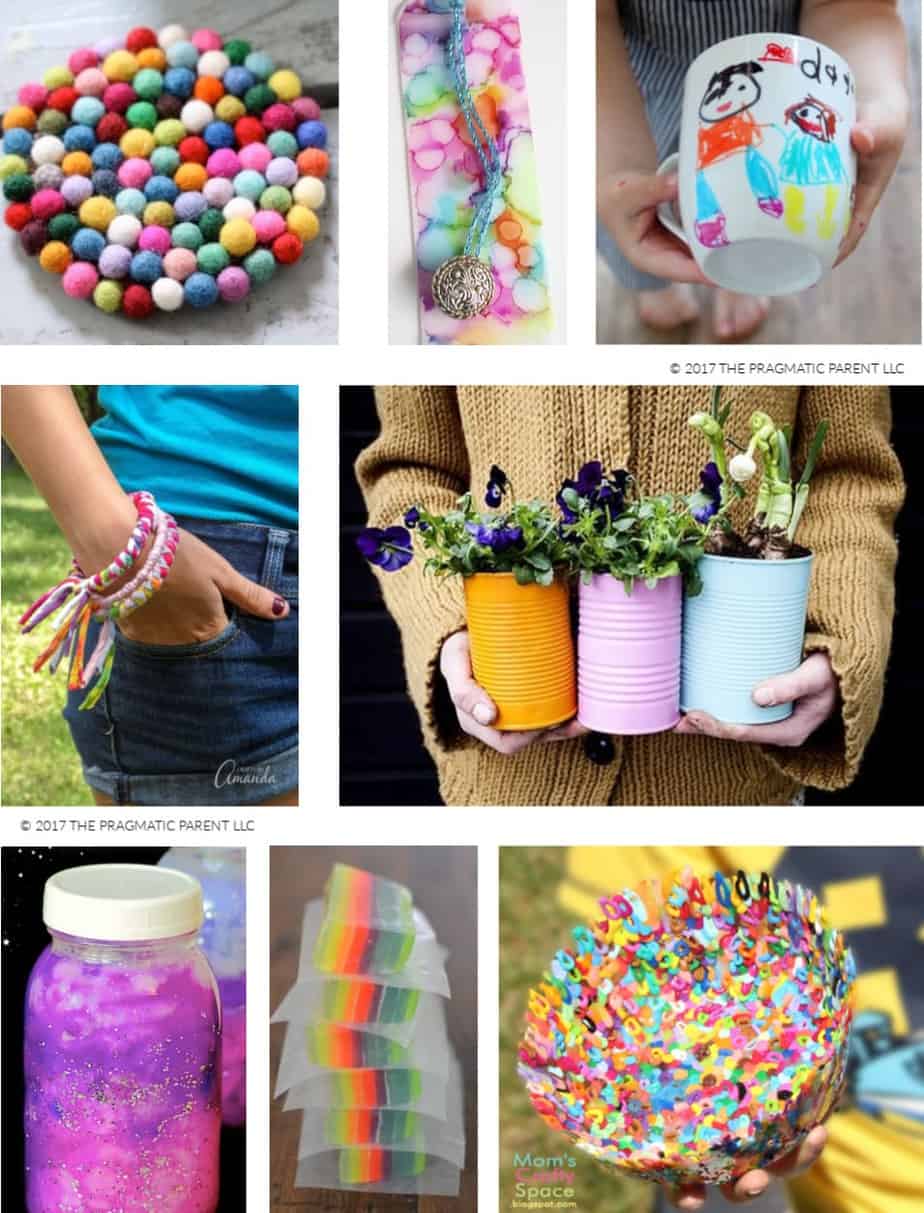
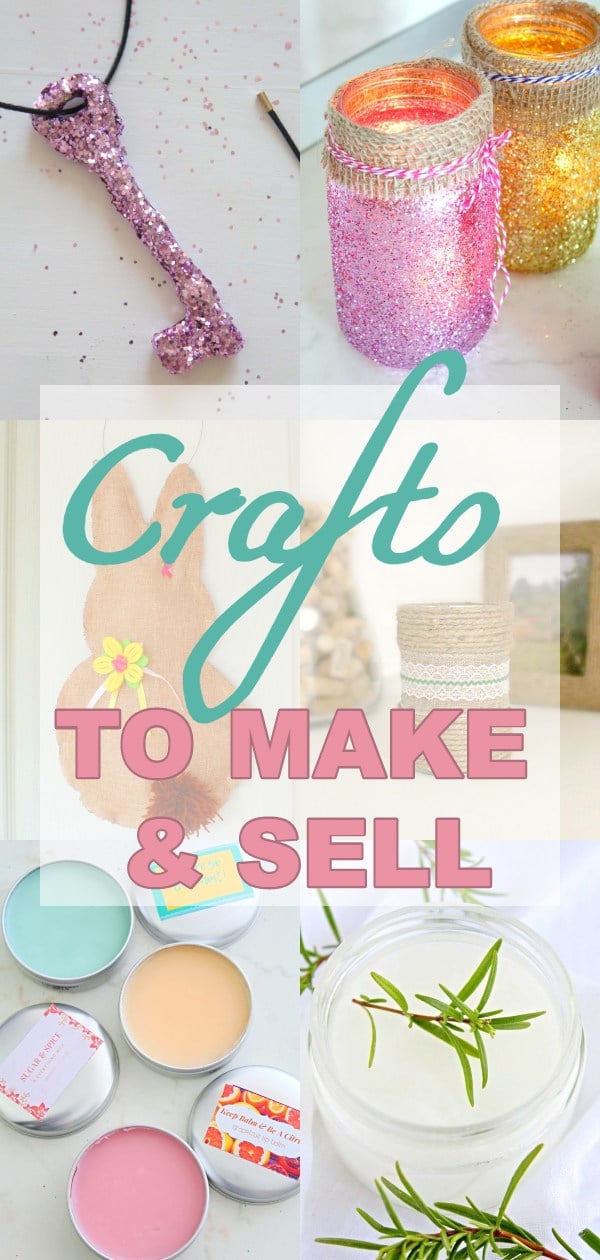
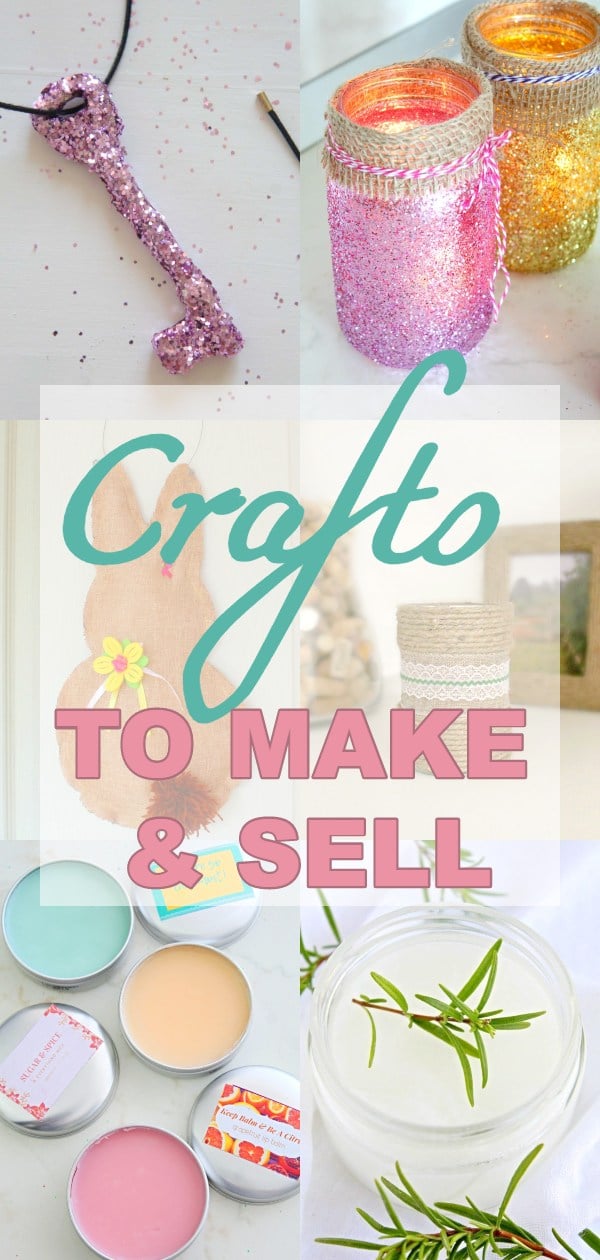
Low material costs plus premium perceived value equal healthy margins. A few ounces of wax, a wick, and fragrance oil can become a candle sold for several times its cost. Likewise, a length of cord and a handful of beads may become a bracelet commanding double or triple the outlay. The key is balancing attractive pricing with craftsmanship that justifies the tag.
Identifying Easy Things to Make and Sell
Market Research
Browse online shops, social media hashtags, and craft fairs to see what garners repeat sales and enthusiastic comments. Note color palettes, packaging styles, and price clusters. Then look for gaps—items customers ask for but rarely find. A clear gap plus manageable production equals opportunity.
Skills and Resources
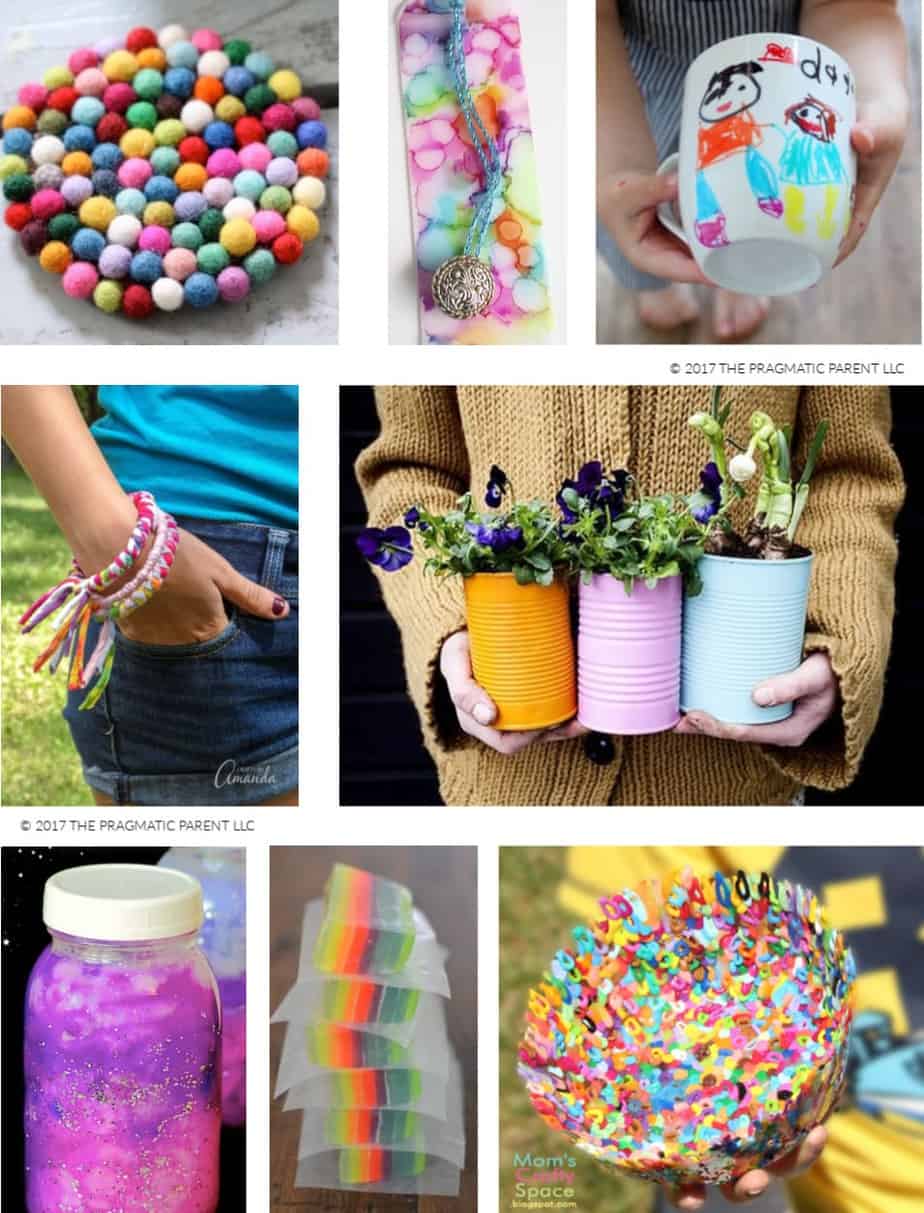
List tools you already own and techniques you enjoy. If you love scent blending, candles or wax melts may fit. If you sew straight lines easily, consider tote bags or hair accessories. Start with projects that require supplies you can source locally and skills you can refine quickly.
Crafting and Producing Easy-to-Make Products
Design and Quality
Even the simplest object feels premium when proportions, colors, and finishes are intentional. Use consistent measurements, smooth edges, and secure fastenings. Photograph prototypes in natural light to spot flaws early. Small upgrades—like linen ribbon instead of polyester—can elevate perceived value without much expense.
Production Efficiency
Batch tasks: cut all fabrics one day, sew the next; melt all wax at once, then scent and pour in sequence. Keep a tidy workspace and label materials to avoid repeats or waste. Simple jigs—cardboard templates, clipping guides—speed alignment and sizing, letting you scale without hiring help.
Selling Easy-to-Make Products
Online Platforms
Etsy, Shopify, and regional market apps welcome independent creators. Write titles that pair a key feature with the item’s purpose—“Lavender Soy Candle for Evening Relaxation.” Upload crisp photos showing scale, packaging, and usage context. Fill every tag field with synonyms buyers might type.
Marketing Strategies
Post behind-the-scenes clips to short-form video channels; audiences love watching soap being cut or leather being stamped. Encourage user photos by slipping a thank-you card with a hashtag into every parcel. Seasonal giveaways and limited-edition drops keep followers engaged and create urgency without heavy ad spend.
Case Studies and Success Stories
Handmade Jewelry
A college student turned leftover electrical wire and sea glass collected on weekend trips into minimalist pendants. By photographing them against sunset backdrops and sharing short assembly reels, she built a wait-list within two months and now funds her tuition through steady sales.
Homemade Candles
A stay-at-home parent began pouring candles in vintage teacups sourced from thrift stores. The eco-friendly reuse angle, paired with calming scents like chamomile and pear, attracted gift shoppers. Local boutiques now stock the line, and holiday pre-orders sell out every year.
Conclusion
Simple, thoughtfully made products can open the door to entrepreneurship when paired with careful research, consistent quality, and authentic storytelling. Focus on solving small everyday problems or adding quiet joy, and customers will return—often bringing friends.
Recommendations and Future Research
Launch with one or two SKUs, refine based on feedback, then expand colors, sizes, or scents. Track which posts drive traffic and double down on those formats. Emerging tools—such as biodegradable glitters or plant-based waxes—offer fresh angles worth exploring as audiences grow ever greener.
In conclusion, the arena of easy-to-make goods rewards creativity, responsiveness, and genuine connection. Start modestly, iterate quickly, and let customer delight steer the journey from kitchen table to thriving shop.