


Title: How to Tell If Teriyaki Sauce Has Gone Bad: A Practical Guide
Introduction:
Teriyaki sauce is a beloved staple in many kitchens, prized for its balance of sweet and salty notes. Yet, like any bottled seasoning, it can lose quality if kept too long or stored carelessly. Recognizing when the sauce is no longer safe protects both your health and the flavor of your meals. Below, you’ll find simple ways to spot deterioration, understand why it happens, and keep every drop tasting its best.
Understanding Teriyaki Sauce Composition
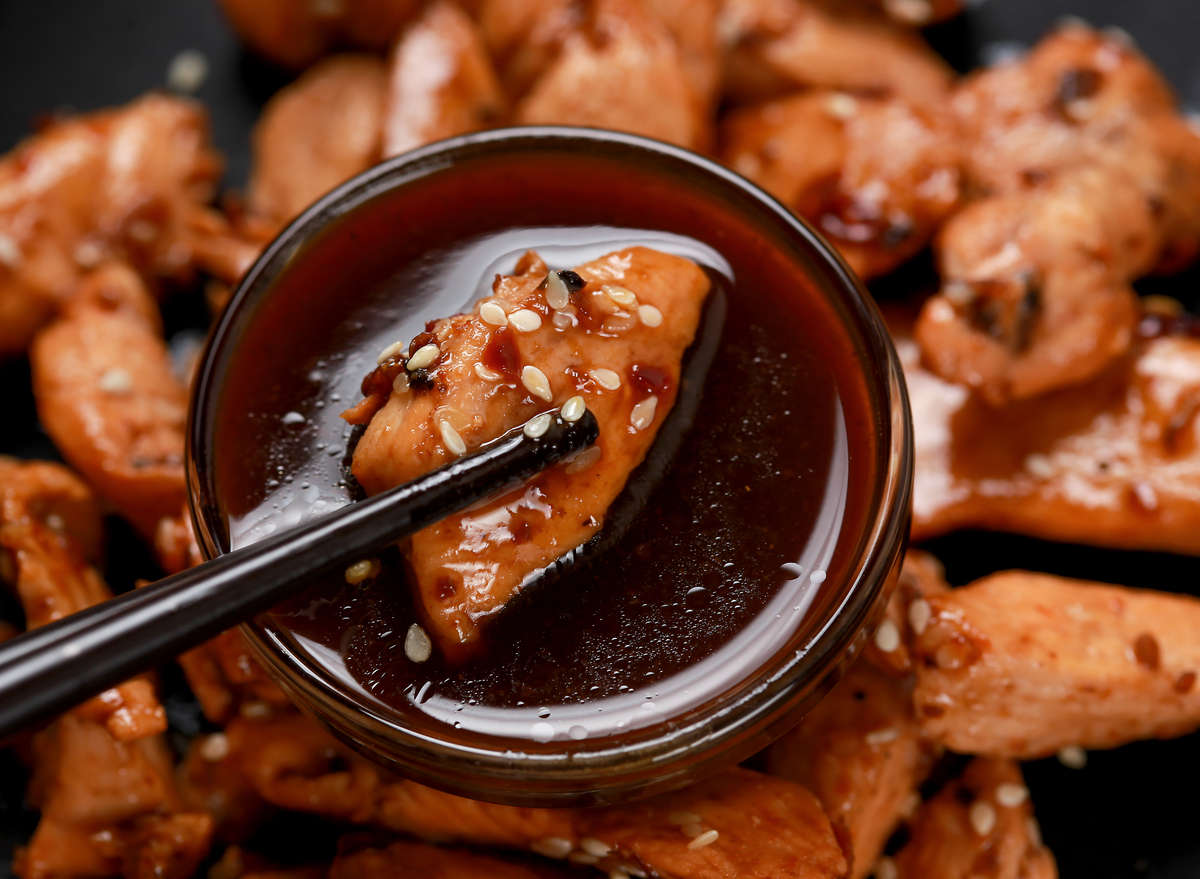
The classic blend brings together soy sauce, a mild rice wine, and sweeteners. This mix of salt, sugar, and moisture creates the signature glaze, but it also invites gradual changes that can shorten shelf life.
Signs of Spoiled Teriyaki Sauce
1. Unusual Odor: A sharp, sour, or yeasty smell is the first warning. If the aroma seems off, replace the bottle.
2. Discoloration: Fresh sauce is glossy and uniform. Fading, dark streaks, or cloudy patches suggest it is past prime.
3. Separation: A little settling is normal, but obvious layering or slimy strands means the emulsion has broken and the product should be tossed.
4. Mold Growth: Any fuzzy spots on the cap or surface are a clear signal to discard the entire contents at once.
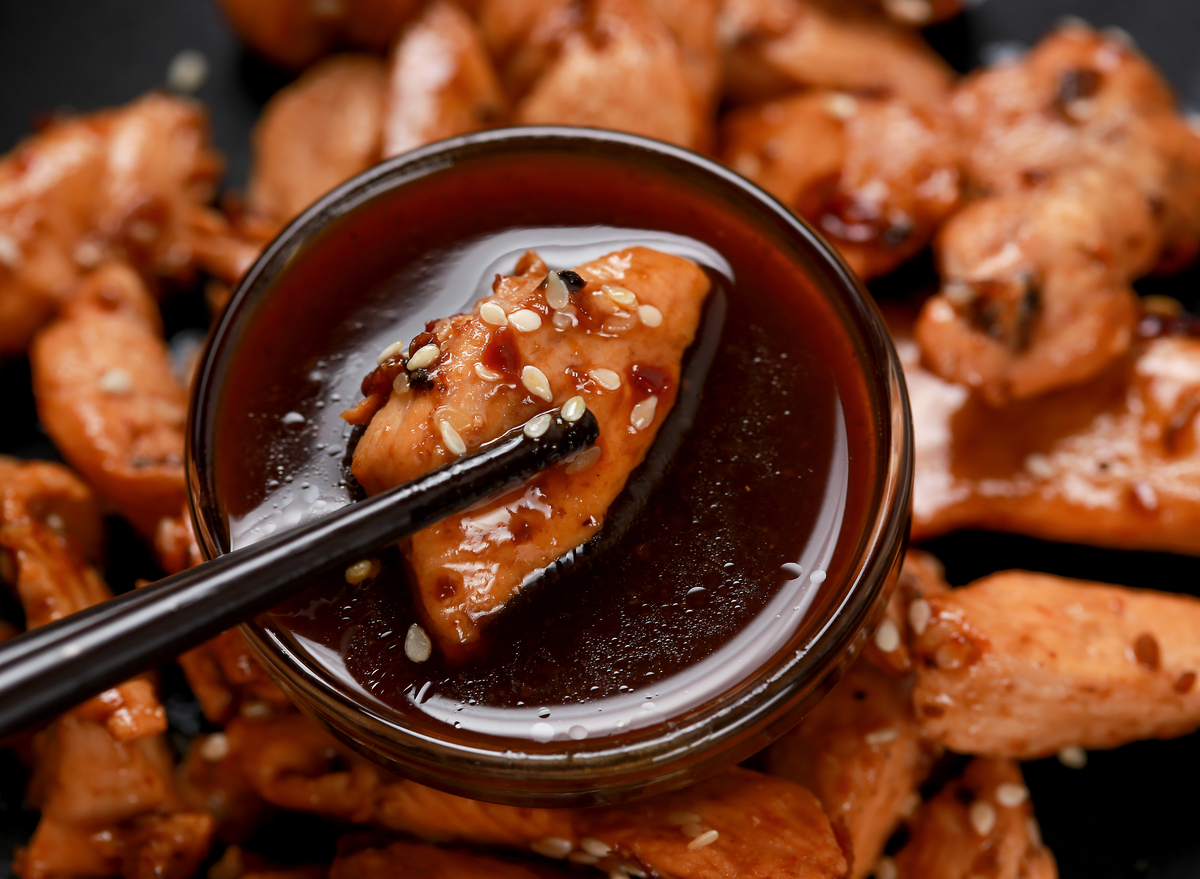
5. Off-Taste: If a tiny test sip reveals bitterness, tang, or metal notes, do not risk using the sauce in cooking.
Reasons Behind Teriyaki Sauce Spoilage
1. Microbial Activity: Sugar and water can feed unwanted microbes when the bottle is left open or stored in warm conditions.
2. Oxidation: Repeated exposure to air dulls color and flattens flavor as ingredients slowly react with oxygen.
3. Contamination: Dipping used utensils or fingers introduces particles that speed spoilage.
Preventing Teriyaki Sauce Spoilage
1. Proper Storage: Keep the bottle in a cool cupboard away from the stove; move it to the fridge once opened for longest life.

2. Airtight Seal: Twist the cap firmly after each use, or transfer to a clean glass bottle with a tight-fitting lid.
3. Mind the Date: Note the suggested use-by mark and plan meals accordingly.
4. Quick Checks: Before pouring, glance at color, sniff for odd smells, and wipe the rim to remove any buildup.
Conclusion
Spotting bad teriyaki sauce is straightforward when you rely on your senses. Off smells, visual changes, separation, mold, or strange tastes all point to a product that should be replaced. By sealing, refrigerating, and monitoring the bottle, you can extend its life and keep meals safe. When in doubt, throw it out—fresh sauce is inexpensive compared to the peace of mind it brings.
In short, a little attention goes a long way. Treat your teriyaki well, and it will reward every stir-fry, marinade, or dipping dish with the flavor you love.


