

Title: Unleashing Creativity: Ideas for Genius Hour in Education
Introduction:
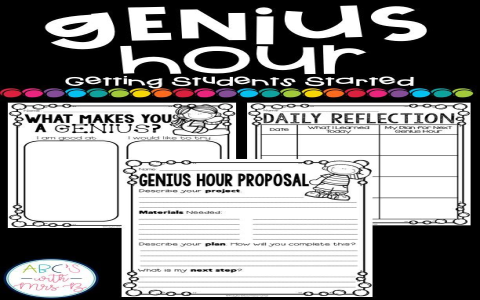
In today’s fast-changing world of learning, the idea of Genius Hour is turning heads. Often called 20 % Time, it is a regular slot when learners explore topics they choose themselves, nurturing creativity, innovation, and independence. This piece outlines practical ways to run Genius Hour, explains why it matters, and shows how it can reshape everyday lessons. By weaving together classroom stories and general research, we will see how giving students room to wonder can redefine school life.
Understanding Genius Hour
Genius Hour borrows from workplace models that set aside part of the week for self-chosen projects. In school, it means students use a protected block of time to follow questions that excite them. Teachers act as coaches, not directors, so young people set their own pace, targets, and paths of discovery.
The Benefits of Genius Hour
1. Sparking Creativity and Innovation: When the usual timetable loosens its grip, learners experiment with ideas that rarely fit inside standard assignments. This freedom nurtures original thinking and fresh solutions.
2. Boosting Motivation and Engagement: Choice breeds ownership. Students who pick their own focus arrive curious, stay longer on task, and leave with a sense of pride.
3. Building Self-Directed Learning Habits: Setting personal goals, finding resources, and tracking progress teach planning, time management, and resilience—skills that reach far beyond one project.
4. Strengthening Collaboration and Communication: Many pupils opt to work in pairs or teams, negotiating roles, sharing findings, and polishing presentations together.
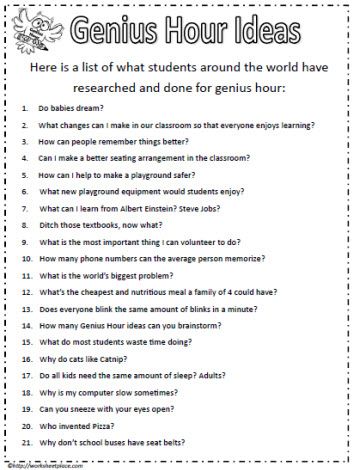
Ideas for Genius Hour
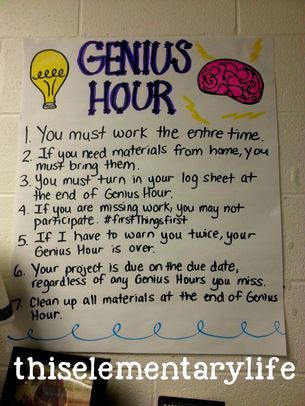
1. Personal Passions: Invite learners to dive deeper into whatever lights them up—story writing, game design, gardening, or sketching comic heroes.
2. Real-World Challenges: Encourage young people to spot everyday problems—litter near school, water waste at home—and design realistic fixes.
3. Interdisciplinary Projects: A robotics fan can blend coding, art, and ethics to craft a small helper robot, while a history buff might build an interactive timeline that uses music and maps.
4. Community Connections: Learners can interview neighbours, create mini museums, or run awareness campaigns that link classroom insights to local life.
5. Global Links: With safe digital tools, students can swap ideas with peers across time zones, widening viewpoints and practising respectful online dialogue.
Implementation Strategies
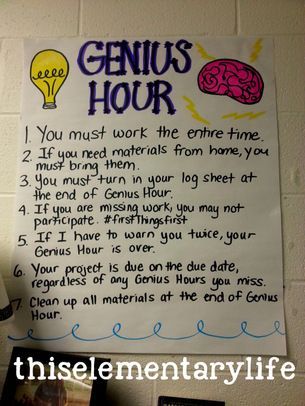
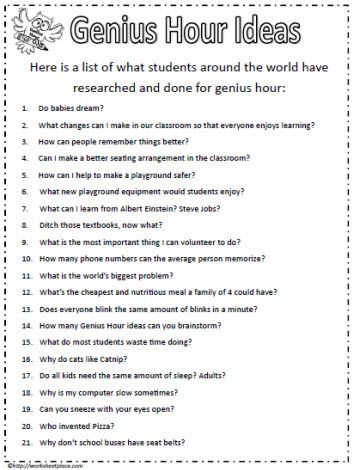
1. Set Transparent Guidelines: Share clear timelines, checkpoints, and assessment criteria so everyone knows what success looks like.
2. Offer Steady Support: Guarantee access to books, devices, art supplies, and occasional expert visits. A help board or weekly clinic keeps questions from stalling progress.
3. Build in Reflection: Schedule pause points for blogs, video diaries, or partner chats so learners can adjust plans early rather than panic at the end.
4. Celebrate Process and Product: Display prototypes, screen short films, or run a fair where each journey—smooth or rocky—receives applause, reinforcing a growth mindset.
5. Tie to Curriculum Goals: Let passion projects echo core skills—measurement in cooking blogs, persuasive writing in charity pitches—so standards and creativity reinforce each other.
Conclusion:
Genius Hour hands the steering wheel to students, turning classrooms into launchpads for curiosity. With thoughtful structure and open-ended possibility, it cultivates thinkers who question, designers who iterate, and citizens who act. Embrace the model, equip learners with tools and trust, and watch them shape ideas that ripple well beyond the school day.


