


The Art and Science of Culinary Photography: Capturing Delicious Moments
Introduction
In today’s digital world, the culinary arts reach far beyond the stove, extending into visual storytelling. Food photographs can express a dish’s character and a cook’s passion, becoming essential to how we share and discover food. This article explores why culinary images matter, how they shape choices, and the methods used to create mouth-watering shots.

The Significance of Culinary Images
1.1 A Glimpse Behind the Scenes
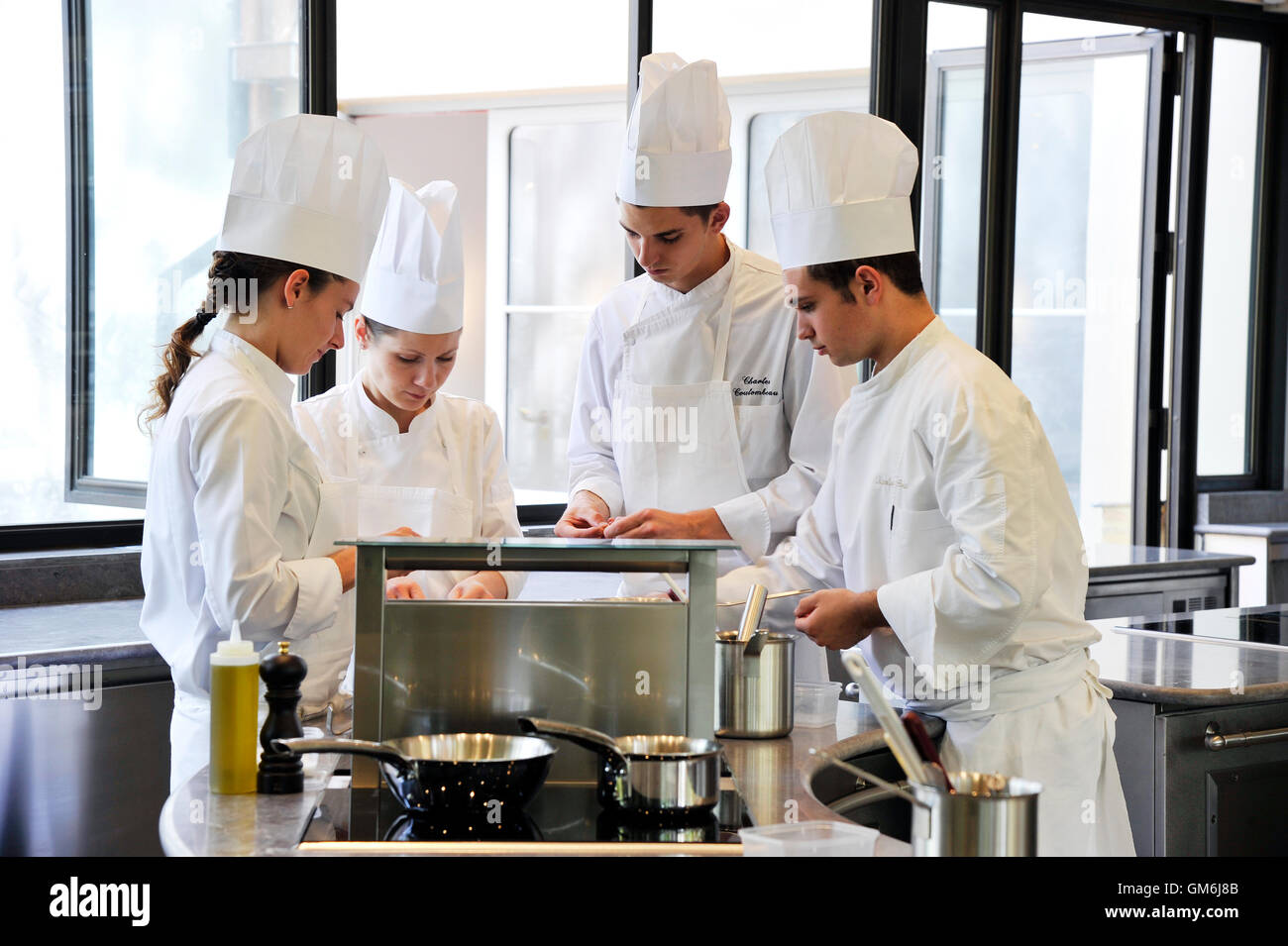
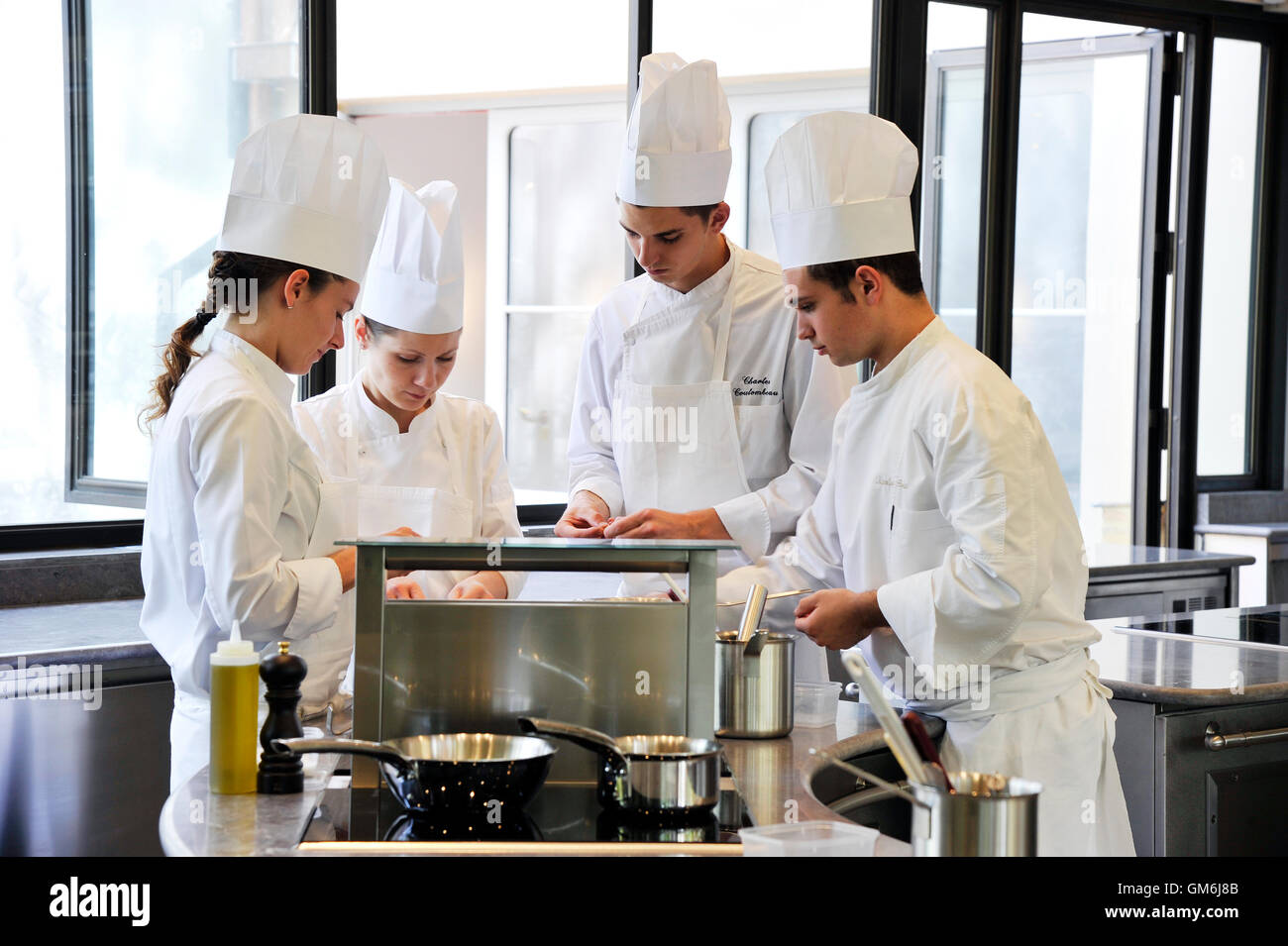
Food photos act like an open kitchen door, letting viewers sense the creativity and care involved in preparing a meal. They spark curiosity and appetite even when the audience is miles away.
1.2 Strengthening Brand Presence
For eateries and cooks alike, strong imagery reinforces brand personality. A single well-styled frame can hint at atmosphere, cuisine style, and quality, guiding diners toward a reservation or purchase.
Impact on Consumer Choices
2.1 Visual Appeal and Desire
Attractive food pictures stimulate reward centers in the brain, encouraging people to try new dishes or revisit familiar favorites. Bright colors, balanced contrast, and inviting textures all heighten this effect.

2.2 Encouraging Balanced Eating
Striking images of wholesome meals can inspire viewers to include more nutritious options in their routines, showing that healthy food can look as tempting as any indulgence.
Techniques for Outstanding Food Shots
3.1 Lighting
Soft daylight flatters most dishes, revealing detail without harsh shadows. When natural light is scarce, diffused artificial sources can recreate a gentle glow, emphasizing freshness and color.
3.2 Composition
Thoughtful framing guides the viewer’s eye. Placing key elements off-center, using leading lines, or leaving intentional negative space can turn a simple plate into a compelling focal point.
3.3 Gear and Settings
A camera that allows manual control, paired with a lens capable of shallow depth of field, isolates the subject and blurs distractions. A sturdy tripod keeps the frame sharp during longer exposures.
The Role of Food Images on Social Platforms
4.1 The Rise of Food Sharing Online
Networks dedicated to imagery have turned meals into global conversations. Home cooks, reviewers, and restaurants post daily, turning food photography into both hobby and career.
4.2 Driving Culinary Trends
A single eye-catching creation can travel worldwide overnight, boosting interest in specific ingredients, techniques, or regional cuisines almost instantly.
Conclusion
Culinary photographs bridge the gap between kitchen and consumer, shaping impressions, guiding choices, and celebrating the craft of cooking. As technology and tastes evolve, fresh approaches to styling and storytelling will keep these images at the heart of food culture.
Recommendations and Future Directions
To maximize the benefits of culinary photography, consider the following:
–
5.1 Training and Skill Building
Offer workshops that help chefs and photographers refine lighting, plating, and editing techniques for stronger visual narratives.
–

5.2 Creative Collaboration
Foster teamwork among cooks, stylists, and photographers to produce authentic, appetizing visuals that resonate with diverse audiences.
Potential research avenues include:
–
5.3 Health Messaging Through Imagery
Study how appealing photos of nutritious dishes can shift eating patterns and support public wellness goals.
–

5.4 Immersive Visual Experiences
Investigate emerging tools such as augmented or virtual reality that could place viewers inside a kitchen or dining scene, deepening engagement.
In short, culinary photography is more than decoration; it is a powerful language that communicates flavor, culture, and creativity. Mastering this language will remain essential for anyone eager to share the joy of food in an increasingly visual world.


