The Art and Science of Cooking Tips: Elevating Every Meal
Introduction
Cooking is a universal language that unites people through taste and shared moments. Central to this creative process are cooking tips—simple nudges that can turn an everyday recipe into something memorable. This article explores why these tips matter, the science that makes them work, and how they can lift any dish, whether you are a beginner or a seasoned cook.

The Importance of Cooking Tips
Cooking tips act as gentle guides, showing how small changes in ingredients or methods can improve flavor, texture, and appearance. Their value can be seen in three main ways:
1. Boosting Flavor
A well-timed addition of herbs, spices, or aromatics can brighten a dish. A bay leaf simmered in stew or a little citrus zest folded into batter can add layers of taste without extra effort.
2. Refining Texture

Tips often target mouth-feel. A teaspoon of vinegar can keep poached eggs compact, while a quick toss in cornstarch helps roasted vegetables stay crisp on the outside and tender within.
3. Improving Presentation
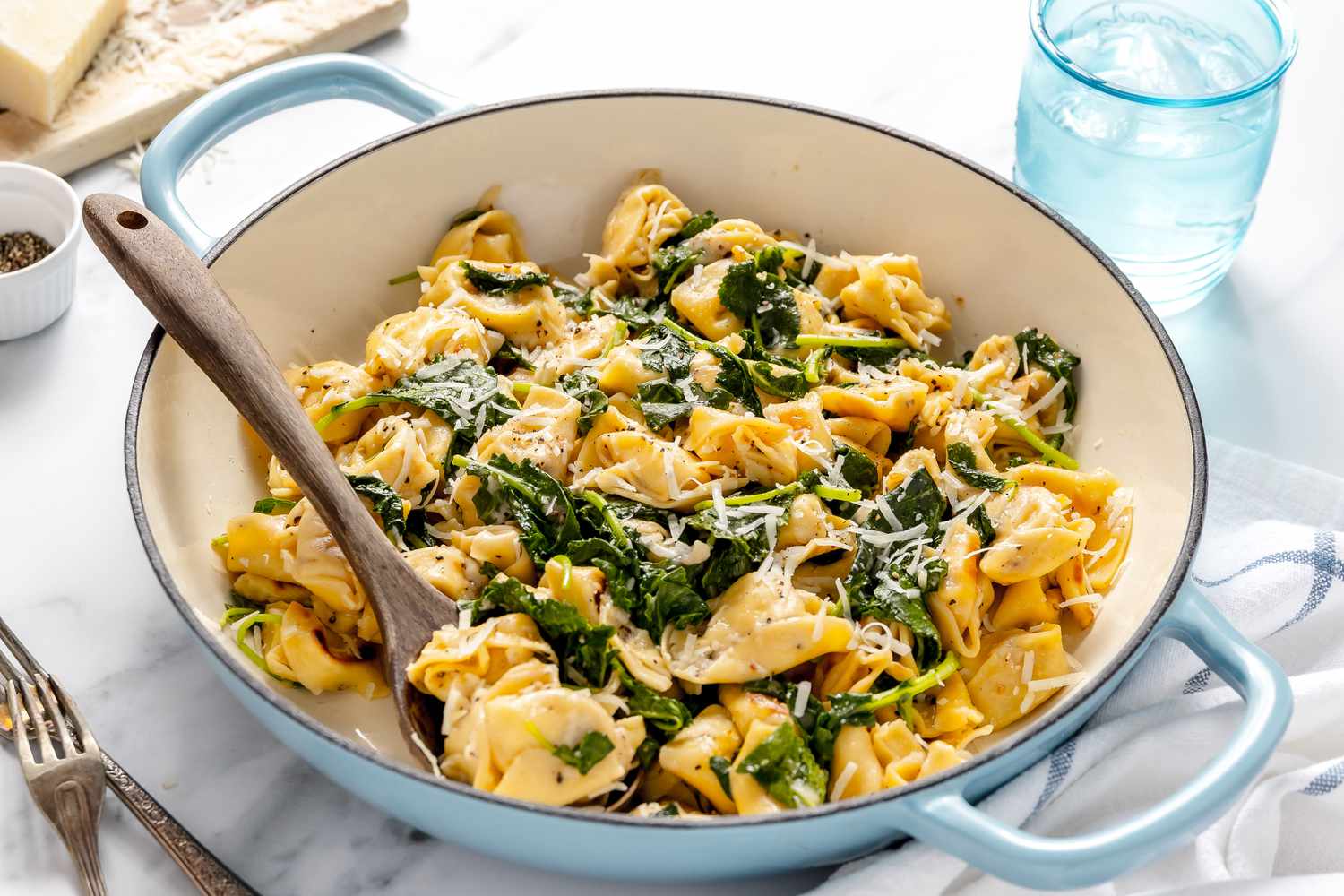
Visual appeal matters. A scatter of fresh herbs, a swirl of yogurt, or a contrast of colors on the plate can make home cooking look restaurant-worthy.
The Science Behind Cooking Tips
Good tips usually rest on basic kitchen science. Three principles appear again and again:
1. Heat Flow
Knowing when to use high, medium, or gentle heat prevents over- or under-cooking. A quick sear followed by moderate heat keeps proteins juicy while building flavor on the surface.
2. Chemical Changes
Acids can firm up proteins, sugars caramelize into complex flavors, and starches swell to thicken liquids. Tips that harness these reactions give cooks more control.
3. Moisture Control

Covering a pot traps steam for gentle cooking; leaving the lid off reduces liquid and concentrates taste. Balancing wet and dry heat is key to the final result.
Practical Cooking Tips
Here are a few easy ideas that show tips in action:
1. Play with Herbs and Spices
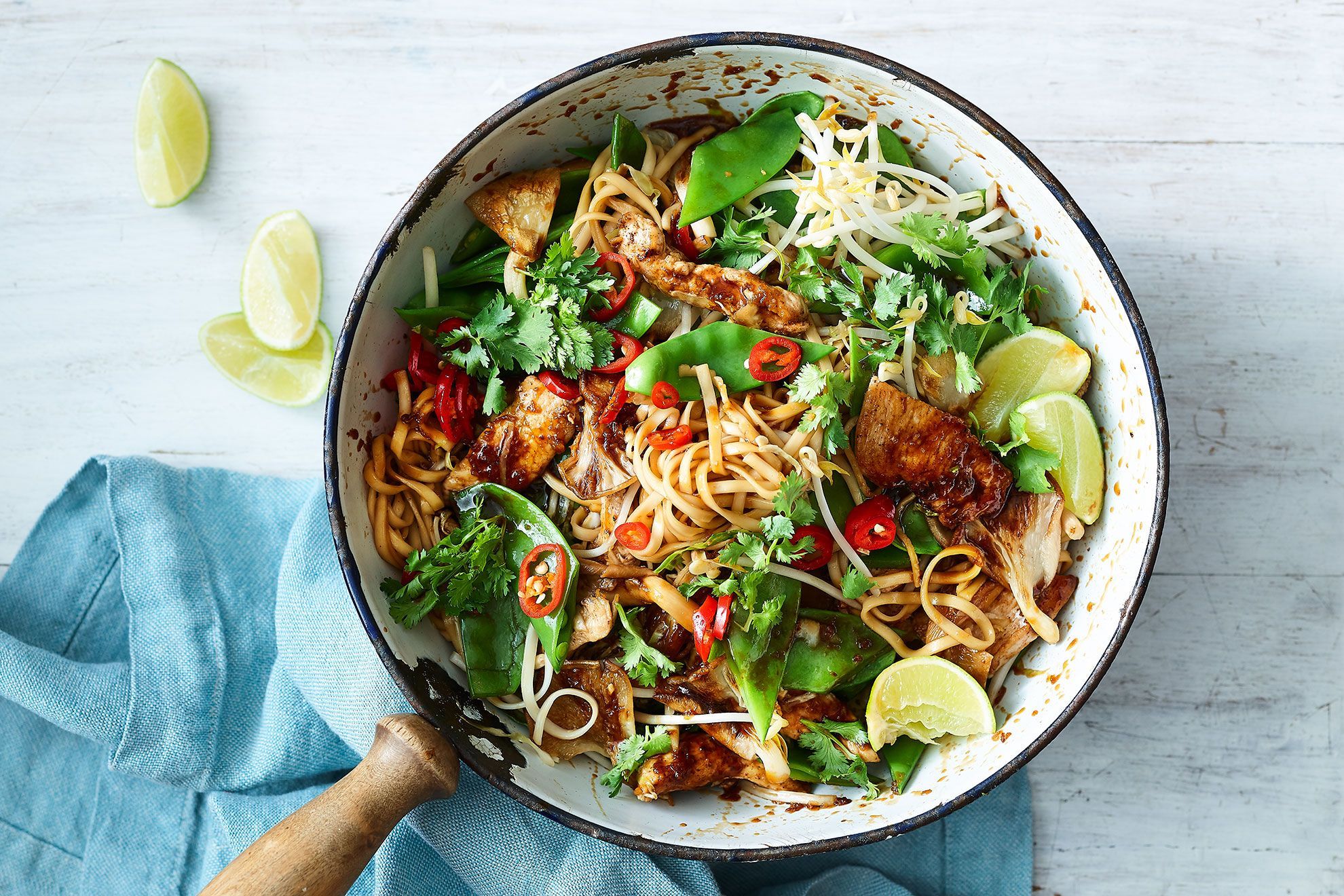
Toast whole spices before grinding to release aroma. Add tender herbs like parsley at the end so they stay vivid and fresh.
2. Choose the Right Technique
Steaming keeps the color and nutrients of green vegetables, while a slow braise turns tougher cuts of meat fork-tender and rich.
3. Finish with Flair
A light drizzle of good oil, a squeeze of lemon, or a few crunchy seeds added just before serving adds contrast and lifts the whole plate.
The Role of Cooking Tips in Learning
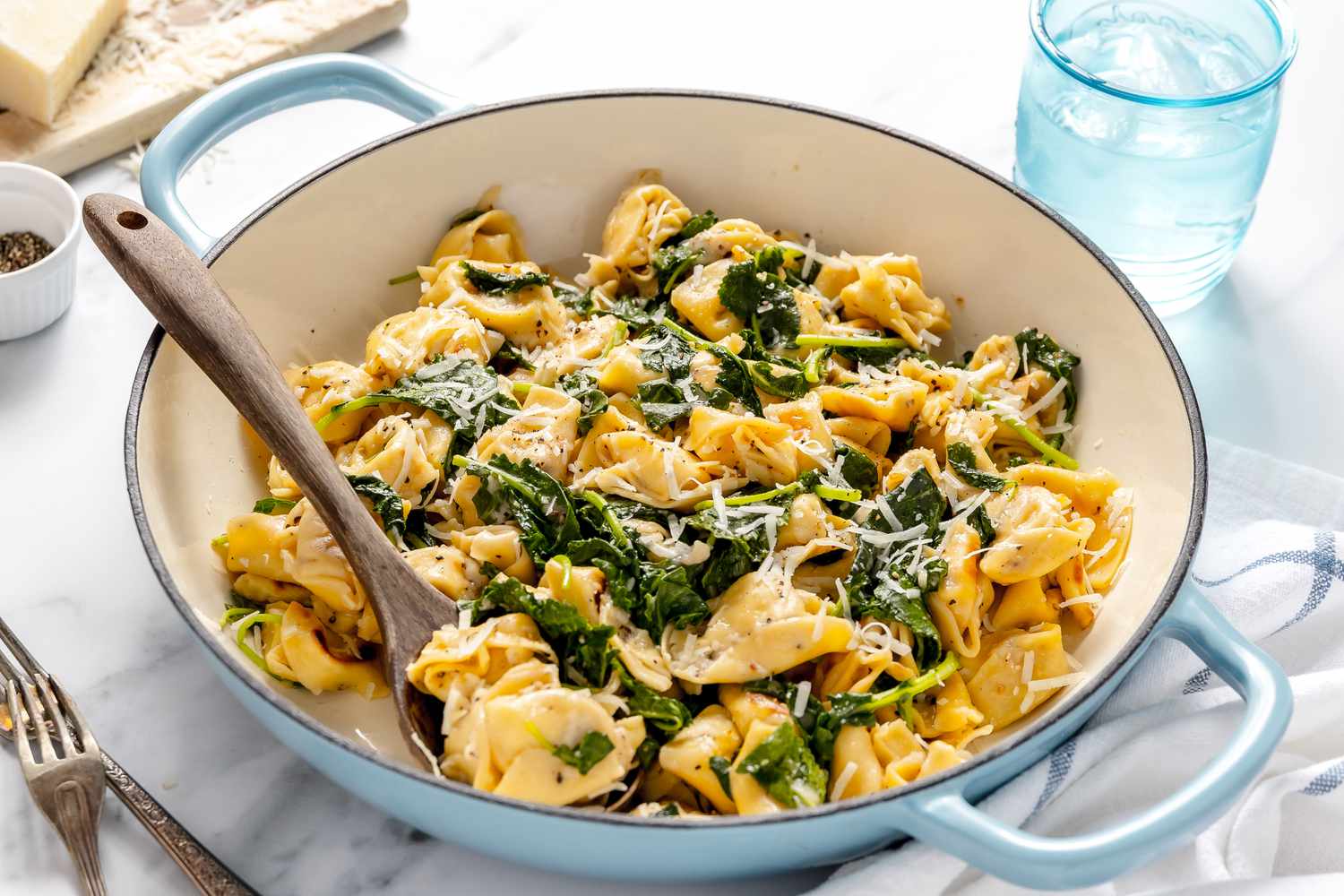
Tips are stepping-stones for anyone building kitchen confidence. They help in three ways:
1. Encouraging Curiosity
Small, safe experiments—like swapping one grain for another—invite creativity without risking dinner.
2. Solving Problems
When a sauce breaks or bread refuses to rise, a timely tip can save the day and teach a lesson for next time.

3. Building Understanding
Each tip links action to outcome, turning abstract theory into tasty proof and deepening culinary intuition.
Conclusion
Cooking tips bridge the gap between recipe and result, giving every cook the power to improve flavor, texture, and presentation. As ingredients and tools evolve, these nuggets of shared wisdom will continue to shape enjoyable, comforting, and exciting meals around the world.
Future Research Directions

Areas worth further exploration include:
1. How cooking tips influence healthy eating habits across different age groups.
2. Ways tips can preserve regional food traditions while welcoming modern twists.
3. Opportunities for new tips sparked by novel appliances and sustainable ingredients.
Continued study will keep the collective kitchen knowledge fresh, ensuring future generations can cook with confidence and joy.