

The Art and Science of Cooking: A Comprehensive Exploration
Introduction
Cooking, the craft of turning raw ingredients into nourishing meals, has shaped human life since prehistoric eras. Beyond satisfying hunger, it serves as creative expression, cultural memory, and a discipline that blends intuition with exactitude. This overview examines cooking’s journey through history, its varied techniques, nutritional impact, and the technologies now guiding its future.
The Historical Evolution of Cooking
1.1 Ancient Beginnings
Early communities first cooked over open flames, discovering that heat softened texture and reduced harmful microbes. Mastery of fire opened the door to experimentation, laying the groundwork for every later culinary advance.
1.2 The Rise of Civilization
As societies grew more complex, regional flavors emerged. Nile-side bakers, Aegean herb traders, and Roman feast planners each refined methods that still influence modern kitchens, while medieval towns added local identity to shared techniques.
Techniques and Methods of Cooking
2.1 Traditional Cooking Methods
Time-honored approaches—boiling, roasting, grilling, steaming, frying—remain central because each unlocks distinct tastes and textures. Knowing when to apply gentle steam or intense sear is part of every cook’s craft.
2.2 Modern Innovations
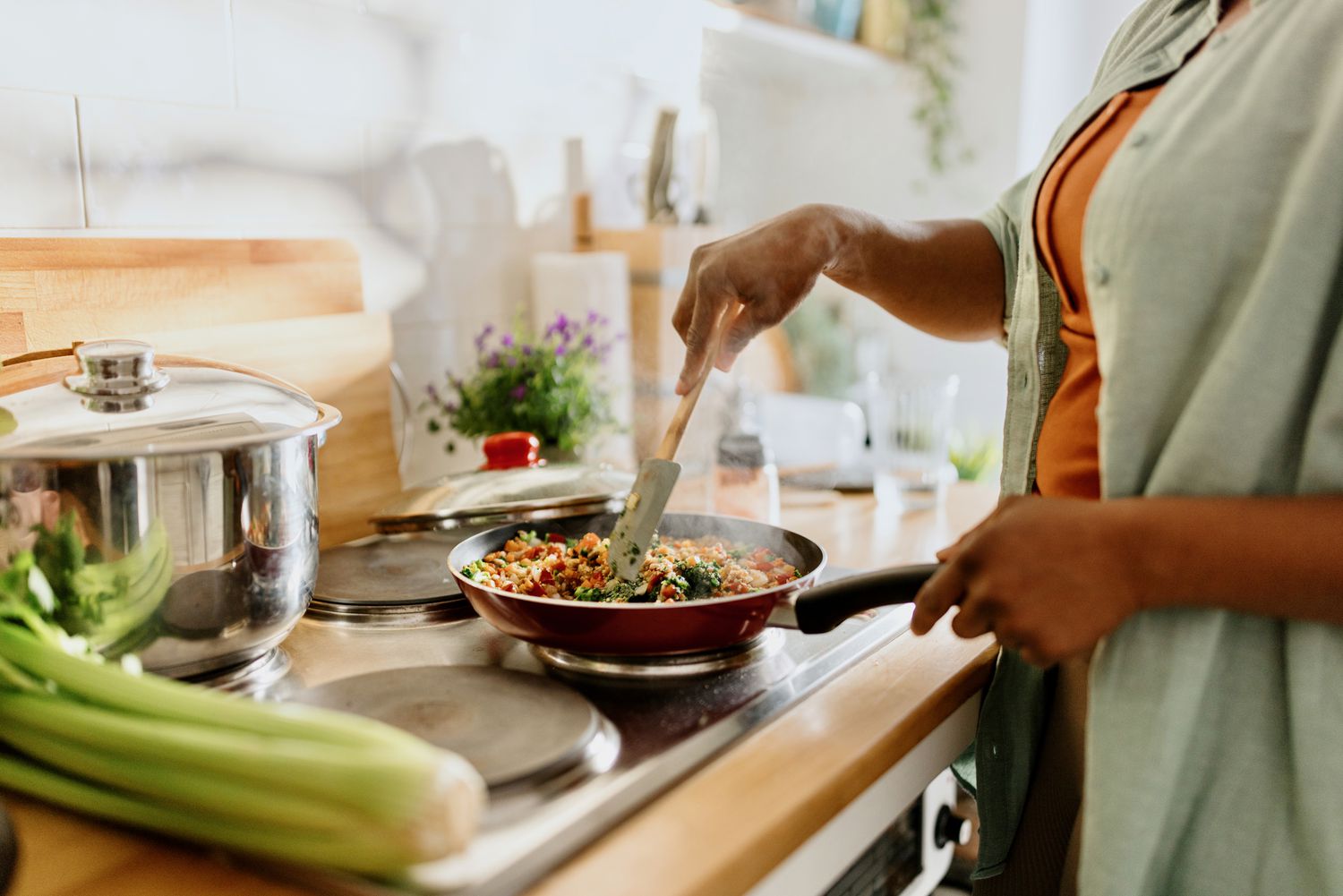
Recent decades have introduced induction surfaces, low-temperature water baths, and ingredient-level science once limited to laboratories. These tools expand creative options while tightening control over timing and temperature.
Nutritional Implications of Cooking
3.1 Preserving Nutrients
Heat can both release and destroy vitamins; quick steaming often retains more micronutrients than prolonged boiling. Selecting the right method for each ingredient helps keep meals flavorful and nutrient-dense.
3.2 Cooking and Digestion
Gentle heat breaks down plant cell walls and complex starches, easing the body’s workload. Thorough cooking also neutralizes many potential pathogens, making food safer to enjoy.
The Role of Technology in Cooking

4.1 Automation and Efficiency
Programmable pressure cookers, slow cookers, and rapid-heating appliances shorten active kitchen time without sacrificing quality. Precise sensors now maintain steady temperatures, once the mark of only seasoned professionals.
4.2 Molecular Gastronomy
By borrowing tools from chemistry labs, inventive chefs create airy foams, unexpected gels, and flavor bursts that challenge familiar textures while highlighting pure taste.
The Importance of Cooking
5.1 Cultural Significance
Shared recipes carry stories across generations, turning meals into living heritage. From family gatherings to bustling markets, cooking strengthens community bonds and keeps traditions alive.
5.2 Health and Well-being
Preparing food at home encourages balanced ingredients and mindful portions, supporting long-term wellness. The rhythmic tasks of chopping, stirring, and seasoning also offer moments of calm in busy lives.

Conclusion
Cooking bridges past and future, blending ancestral wisdom with modern insight. As techniques evolve and new tools appear, the core goals remain: nourishment, connection, and the simple pleasure of a well-made meal.
Recommendations and Future Directions
Continued study of how heat affects nutrients, wider access to culinary teaching, and encouragement of home kitchens can all contribute to healthier, more vibrant food cultures. Chefs, scientists, and everyday cooks share the task of keeping the craft inclusive, sustainable, and endlessly inspiring.


