

The Diverse World of Global Cuisine
Introduction
Food is far more than fuel; it is a living expression of identity, landscape, and community. From time-honored recipes passed down through generations to inventive dishes that merge distant traditions, every bite tells a story. This overview surveys the broad categories of cuisine, their roots, nutritional profiles, and the cultural conversations they spark. By tracing these threads, we gain a deeper respect for the shared human habit of gathering around a meal.
Traditional Cuisine
Traditional Cuisine: A Window into Cultural Heritage
Classic dishes act as edible archives, preserving regional climates, histories, and values. Mediterranean menus, for example, celebrate olive oil, ripe produce, and grains shaped by sun-drenched coasts. In East Asia, meals often balance color, texture, and seasonality, mirroring philosophies that prize moderation and natural rhythm.
Regional Variations
Even within one country, kitchens can speak entirely different dialects. A mountainous area may favor hearty stews that ward off cold, while a coastal plain highlights citrus and seafood. Spices, preservation tricks, and staple crops shift from valley to valley, proving that geography writes its own cookbook.
Fast Food and Fast Casual
Fast Food: Convenience at a Cost
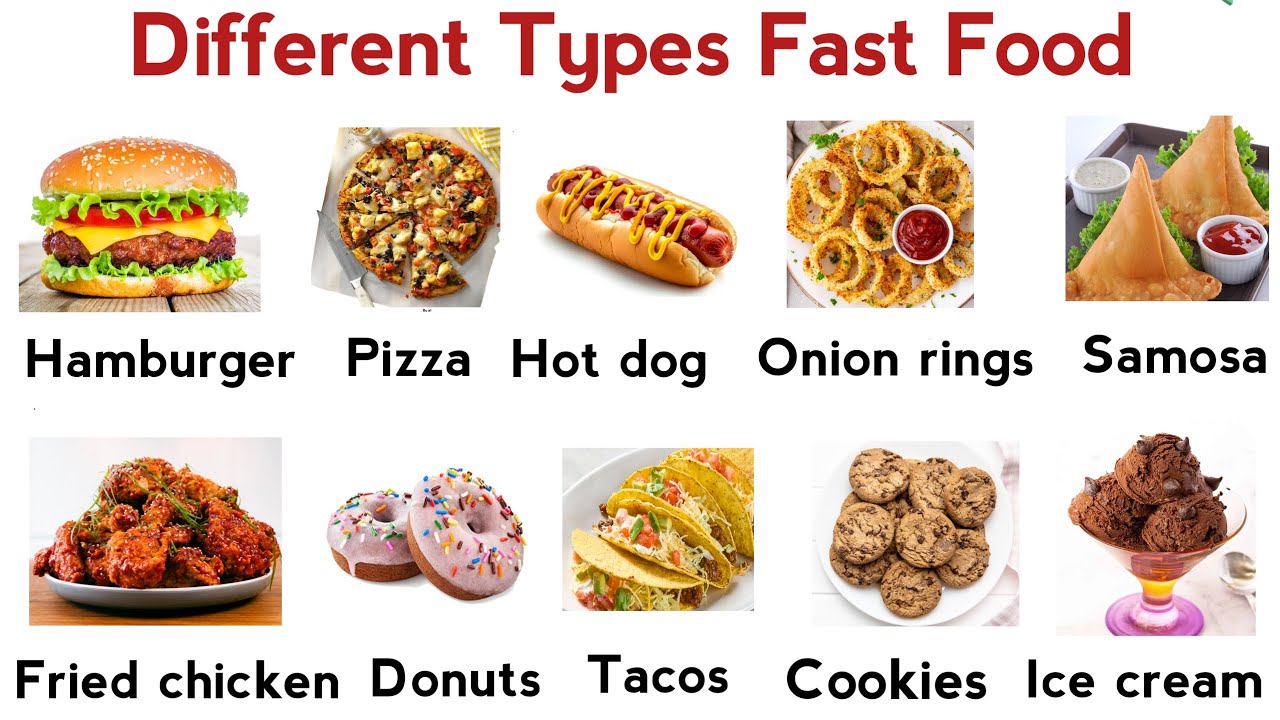
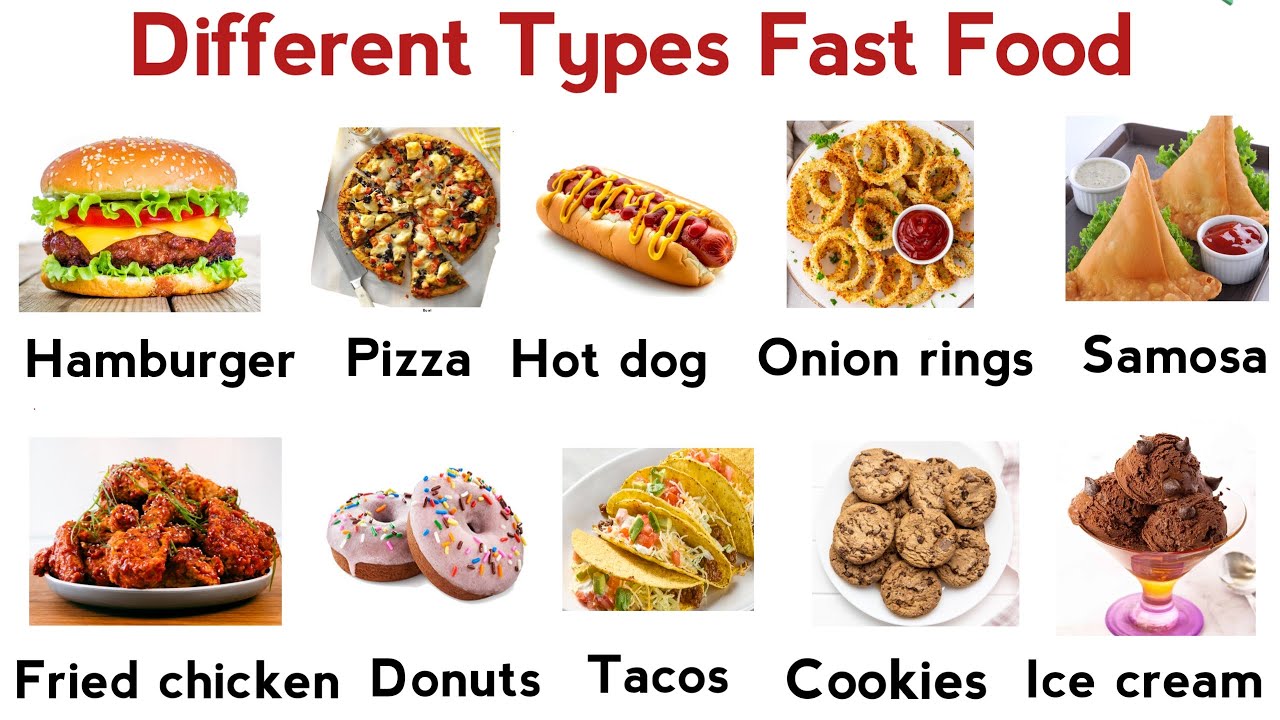
Quick-service outlets deliver speed and predictability, fitting neatly into hectic schedules. Yet frequent reliance on deep-fried or sugar-laden options can tip the scales toward excess calories and sodium, prompting public dialogue about moderation and clearer labeling.
Fast Casual: A Middle Ground
Between grab-and-go and white-tablecloth dining sits the fast-casual niche: counter service, customizable bowls, and salads assembled in view. Emphasis on whole produce, lean proteins, and transparent sourcing appeals to diners who want pace without sacrificing freshness.
Fusion Cuisine
Fusion Cuisine: Blending Cultures
Creative cooks borrow spices from one continent, techniques from another, and produce from a third, crafting plates that feel both novel and nostalgic. Picture ramen stocked with smoky barbecue toppings, or tacos cradling pickled vegetables typically found at an Asian night market. Such marriages invite curiosity and conversation.
Global Appeal
Because fusion dishes rarely claim a single homeland, they become edible meeting points where diners set aside strict authenticity debates and simply enjoy delicious experimentation. In multicultural cities, these menus often act as gateways to broader culinary exploration.
Health and Nutrition
The Nutritional Value of Different Types of Food
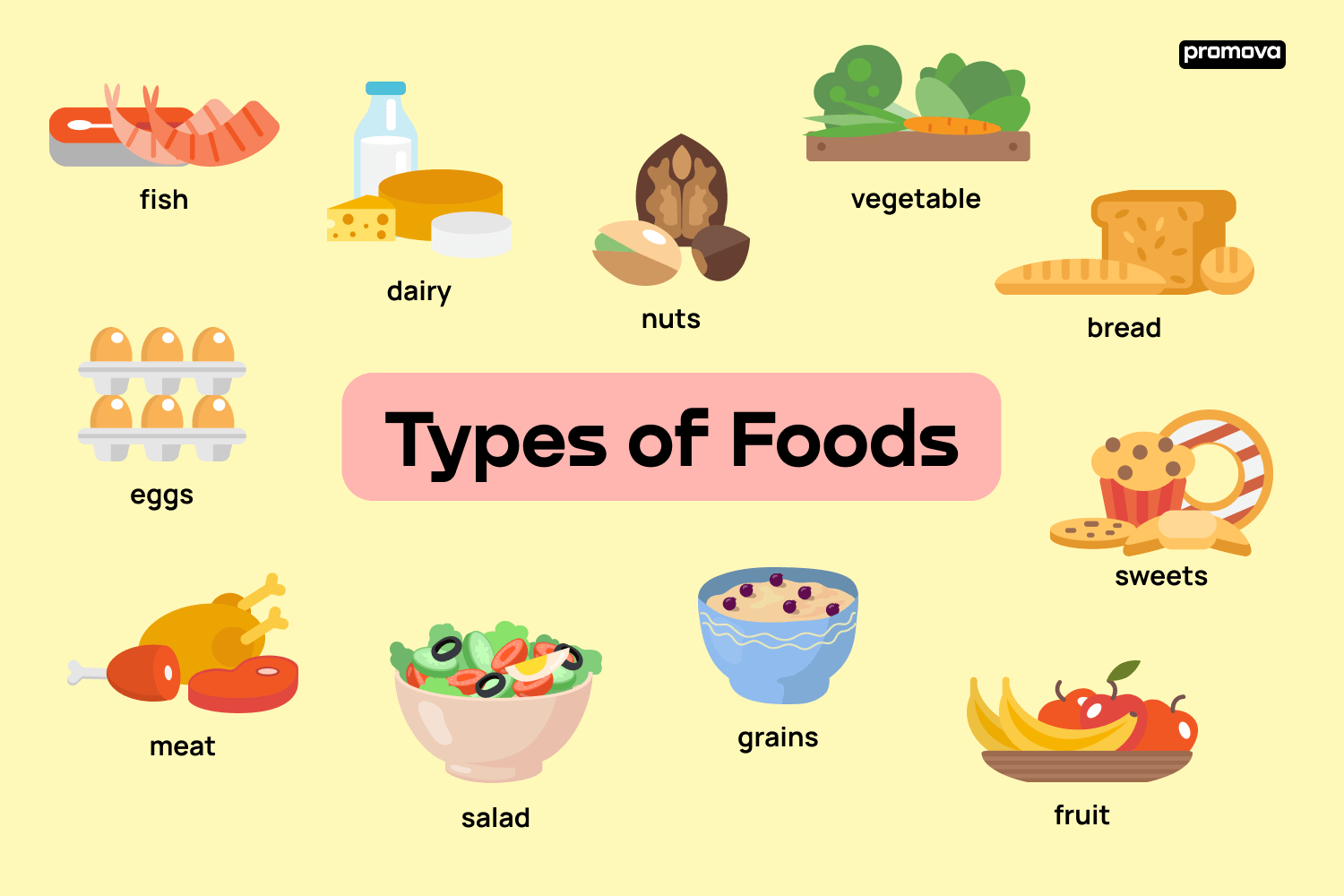
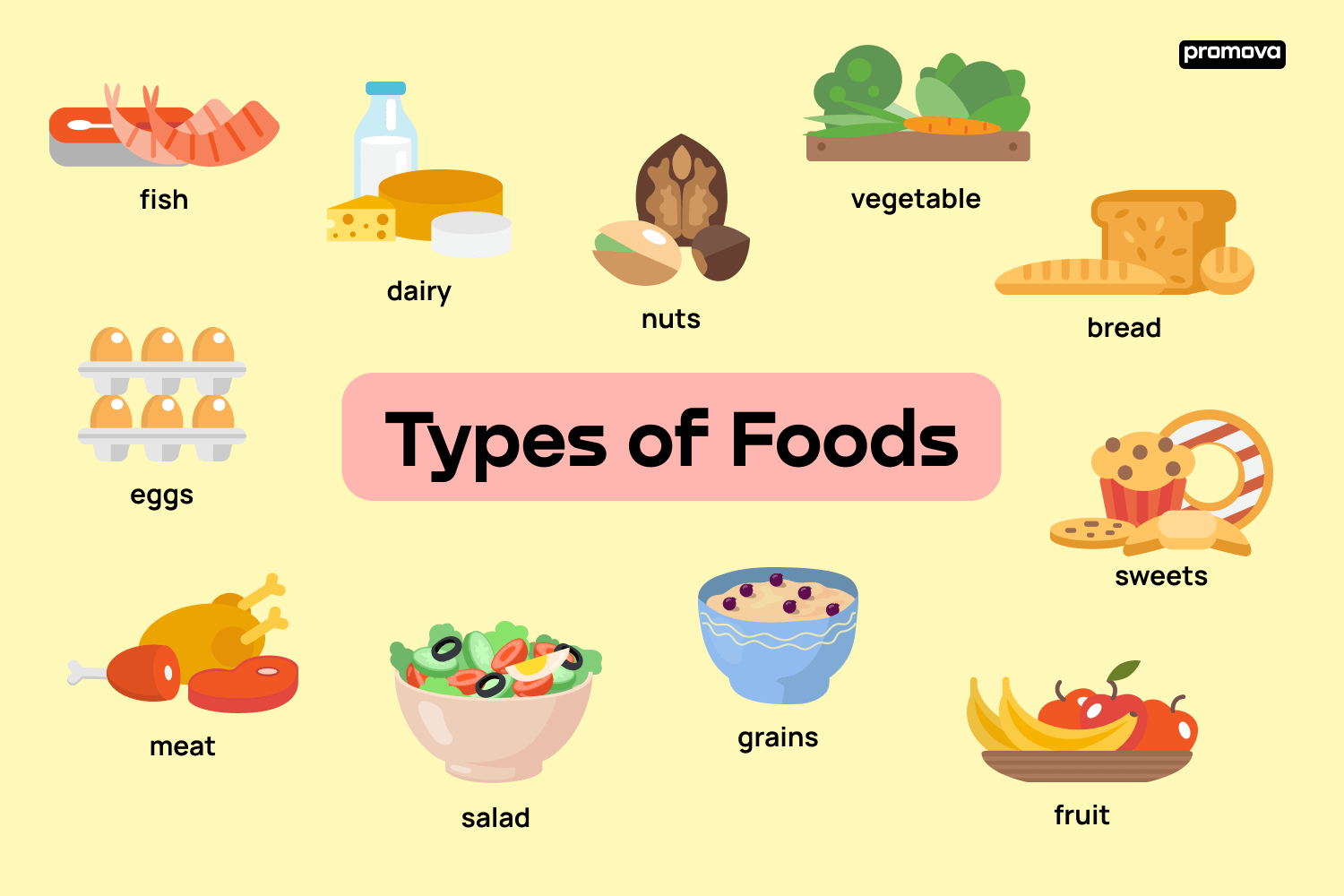
Whole plant foods deliver fiber, vitamins, and protective compounds, while refined snacks and sugary drinks can crowd out more nutrient-dense choices. Recognizing these patterns helps individuals build plates that support steady energy and long-term wellness.
Balanced Diet
Variety remains the simplest nutrition guideline: colorful produce, varied protein sources, intact grains, and healthy fats rotated through the week. This mix supplies the spectrum of micronutrients bodies need to repair, grow, and thrive.
Conclusion
From ancestral stews to boundary-popping mash-ups, the world’s cuisines form a dynamic mosaic shaped by climate, trade, and imagination. Appreciating both heritage and innovation at the table encourages mindful choices and fosters respect for the many hands that feed us.
Recommendations and Future Research
Curious eaters can broaden their palates by visiting farmers’ markets, enrolling in local cooking workshops, or swapping family recipes with neighbors. Scholars, meanwhile, might investigate how traditional preservation methods could reduce food waste, or how shared meals strengthen social bonds. Continued exploration keeps the global pantry vibrant, inclusive, and ever-evolving.
![food]](https://foodsnote.com/wp-content/uploads/2025/12/1ce927f875864094e3906a4a0b5ece68-75x75.png)

