

Different Types of Cuisines: A Culinary Exploration
Introduction
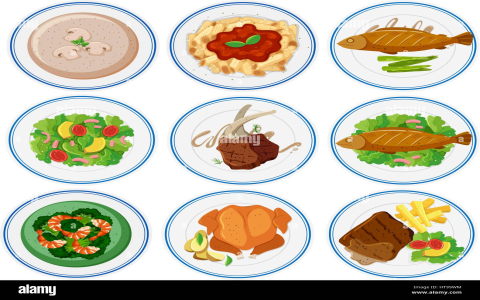
Cuisine mirrors the soul of a region, weaving together climate, history, and tradition on every plate. Across the globe, kitchens tell stories through scent, color, and texture, inviting diners to travel without leaving the table. This brief tour highlights signature styles, staple ingredients, and the cultural pride that seasons each bite.
Mediterranean Cuisine
Mediterranean Cuisine
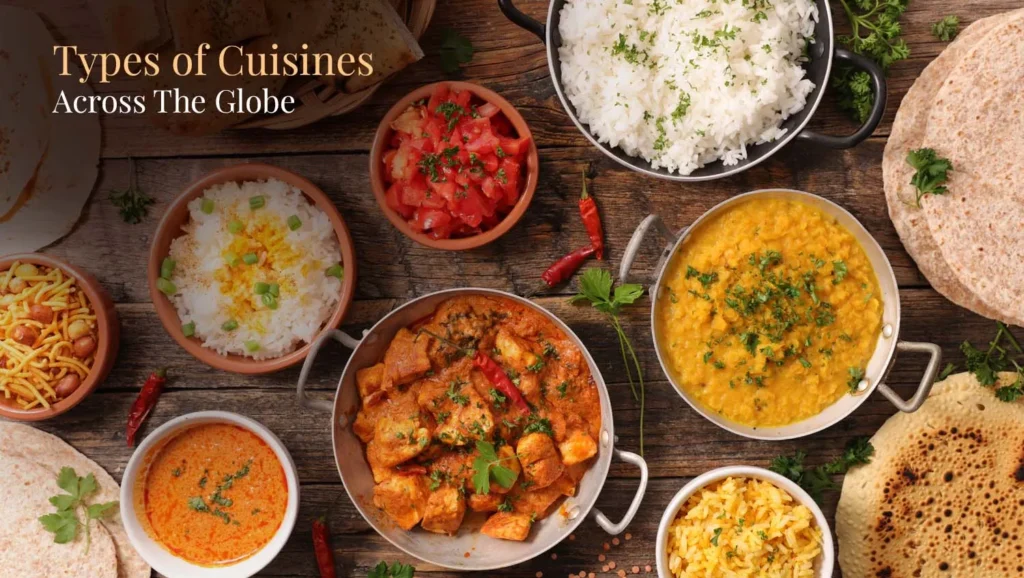
Sun-kissed shores inspire cooks from southern Europe to North Africa to reach for olive oil, ripe produce, and fragrant herbs. Meals often begin with small shared plates—perhaps crusty bread dipped in peppery oil or a bowl of olives brightened with lemon.
Flatbreads topped with garden vegetables and local cheese bake quickly in wood-fired ovens, while crisp salads combine tomatoes, cucumbers, and briny cheese in a light dressing. Everyday eating here leans on plants and healthy fats, a pattern long linked to gentle aging and steady hearts.
Asian Cuisine
Asian Cuisine
From snowy plateaus to tropical coasts, Asia’s kitchens balance spice, aroma, and artistry. Techniques flash-fry, steam, or slow-simmer within the same region, giving rise to countless local identities.
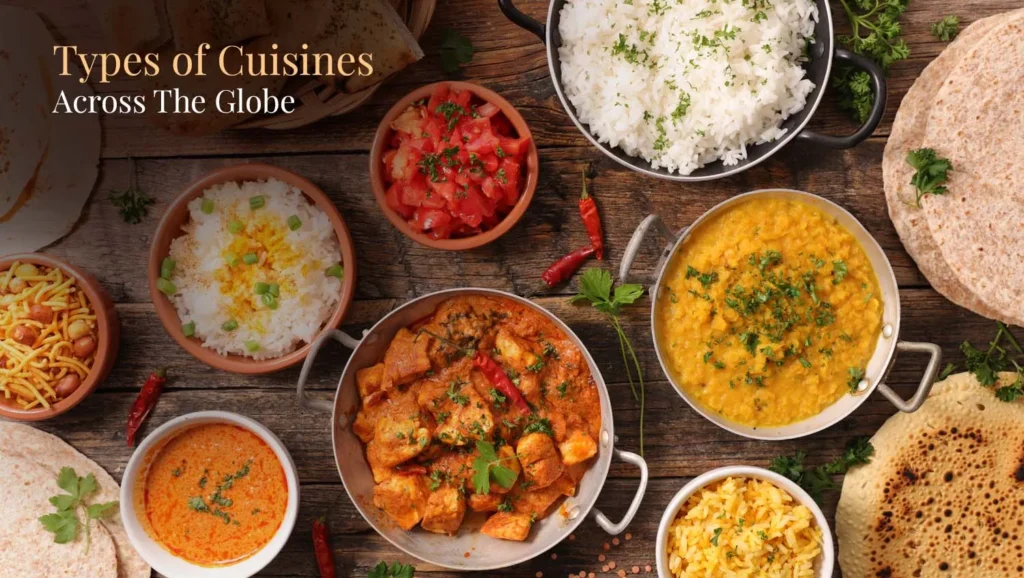
Some areas favor bold chili heat and tingling peppercorns; others highlight the clean sweetness of seasonal seafood. Hand-folded parcels, delicate broths, and charcoal-seared skewers appear on tables from busy street stalls to quiet tea houses.
Rice and noodles act as blank canvases for curry pastes, soy-based sauces, or fragrant coconut gravies. Shared meals encourage conversation, with dishes placed at the center for everyone to sample.
European Cuisine
European Cuisine
Europe’s kitchens read like a patchwork of micro-climates and old trade routes. Butter, cream, and wine enrich slow-cooked stews in the west, while smoked fish and dark breads anchor meals in the north.
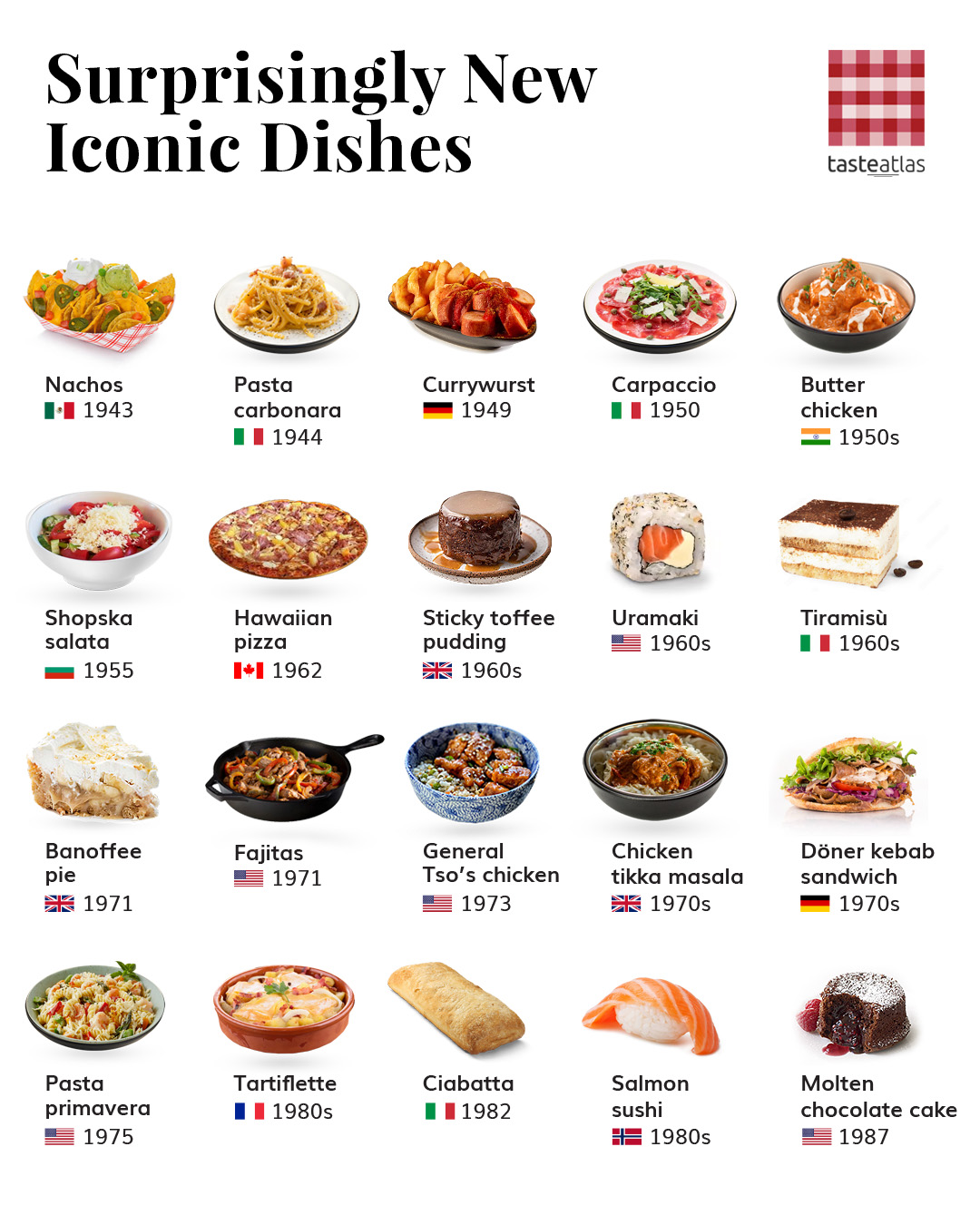
Fresh pasta tossed with herbs, slow-cooked birds in rich gravy, and fruit-filled pastries each claim loyal followings. Markets brim with crusty loaves, aged rounds of cheese, and jars of berry preserves, making simple ingredients feel ceremonial.
Long lunches and late dinners stretch into lively conversation, proving that eating here is as social as it is nourishing.
African Cuisine
African Cuisine
Africa’s culinary voice ranges from aromatic spice routes along the north to hearty grain bowls across the savanna. Clay-pot stews perfume kitchens with cumin, ginger, and dried petals, while steamed staples like millet or maize soak up flavorful sauces.
Street-side grills turn skewered meats into smoky bites, and tropical fruits offer sweet relief from peppery broths. Communal bowls encourage hand-sharing, reinforcing bonds between family and neighbors.
Conclusion
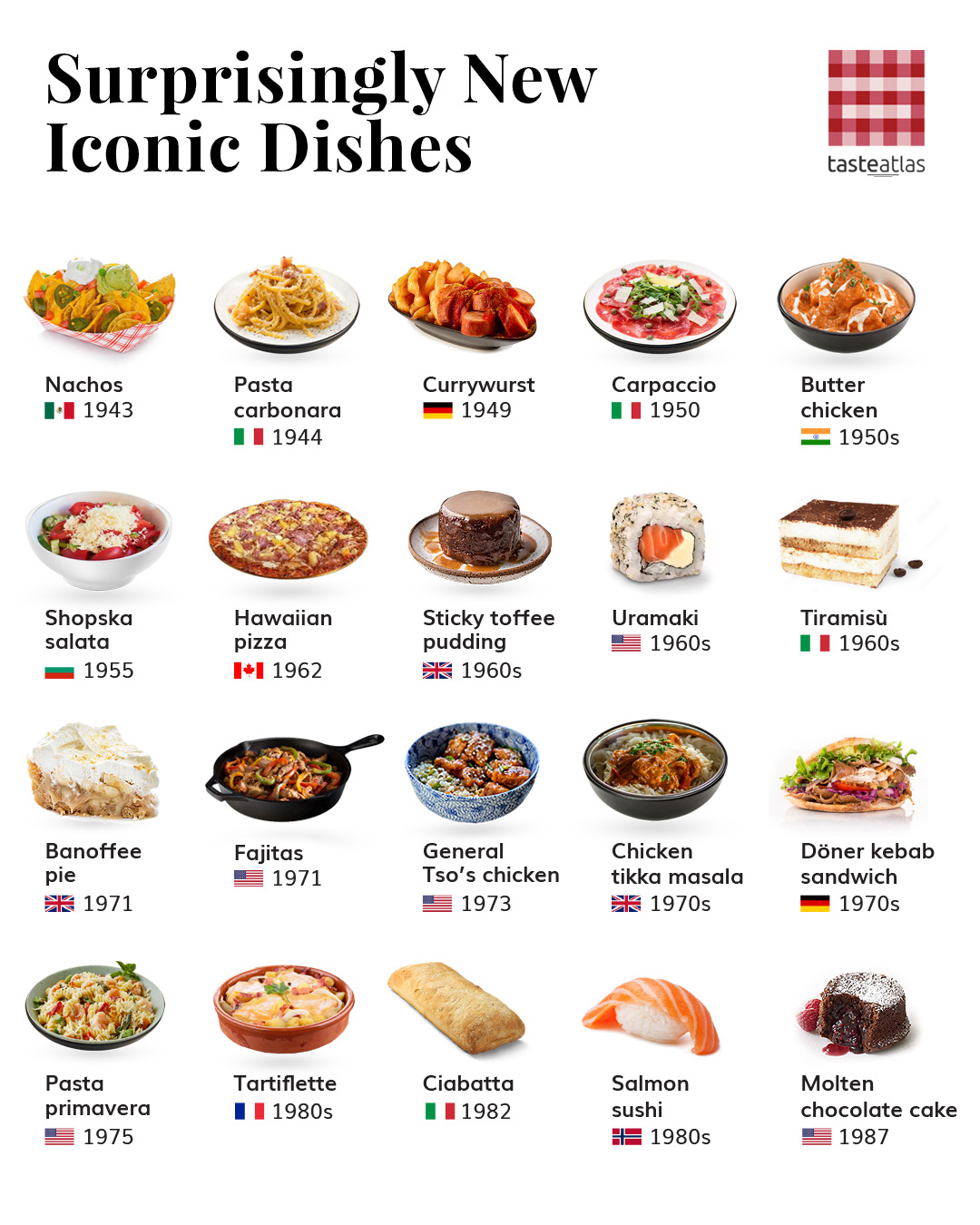
Every cuisine is a living archive, preserving memories of soil, sea, and celebration. Tasting these traditions side by side reminds us that diversity is not only delicious—it is essential. By honoring local tables while welcoming new influences, we keep the global pantry vibrant for generations to come.
Continuing to learn, cook, and share ensures these edible stories remain vivid, nourishing both body and spirit in an ever-connected world.


