

Title: How Food Imagery Shapes What We Eat and How We Feel
Introduction:
The way meals and snacks are shown to us—on packaging, screens, or menus—quietly guides daily eating habits. Attractive photos, catchy phrases, and clever placement can nudge shoppers toward one product and away from another. This short review looks at why those cues matter, which feelings they tap into, and how they can affect long-term wellness.

What Counts as a Food Image?
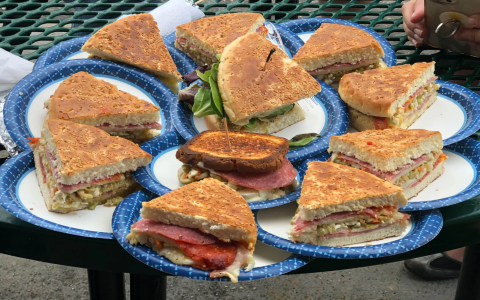
Any picture, video, or written description that spotlights an edible item counts as a food image. These visuals appear on store shelves, delivery apps, social feeds, and television. Bright colors, slow-motion pours, and steam rising from a dish are all designed to spark interest and, ultimately, a purchase.
How Images Steer Shopping Choices
1. Visual Appeal: Sharp, well-lit photos make meals look fresher and tastier. When a burger glistens or a salad glows, viewers often rate the entire brand more favorably and add it to the cart.
2. Emotional Pull: A cozy scene of friends sharing pizza or a parent packing a lunchbox can stir memories of safety or celebration. That warm feeling is quickly linked to the food on display, even if the item is low in nutrients.
3. Health Hints: Words like “wholesome,” “balanced,” or “farm-fresh” printed beside an image can lead people to think a snack is better for them than it really is, steering attention away from the actual ingredient list.
Downstream Effects on Well-Being
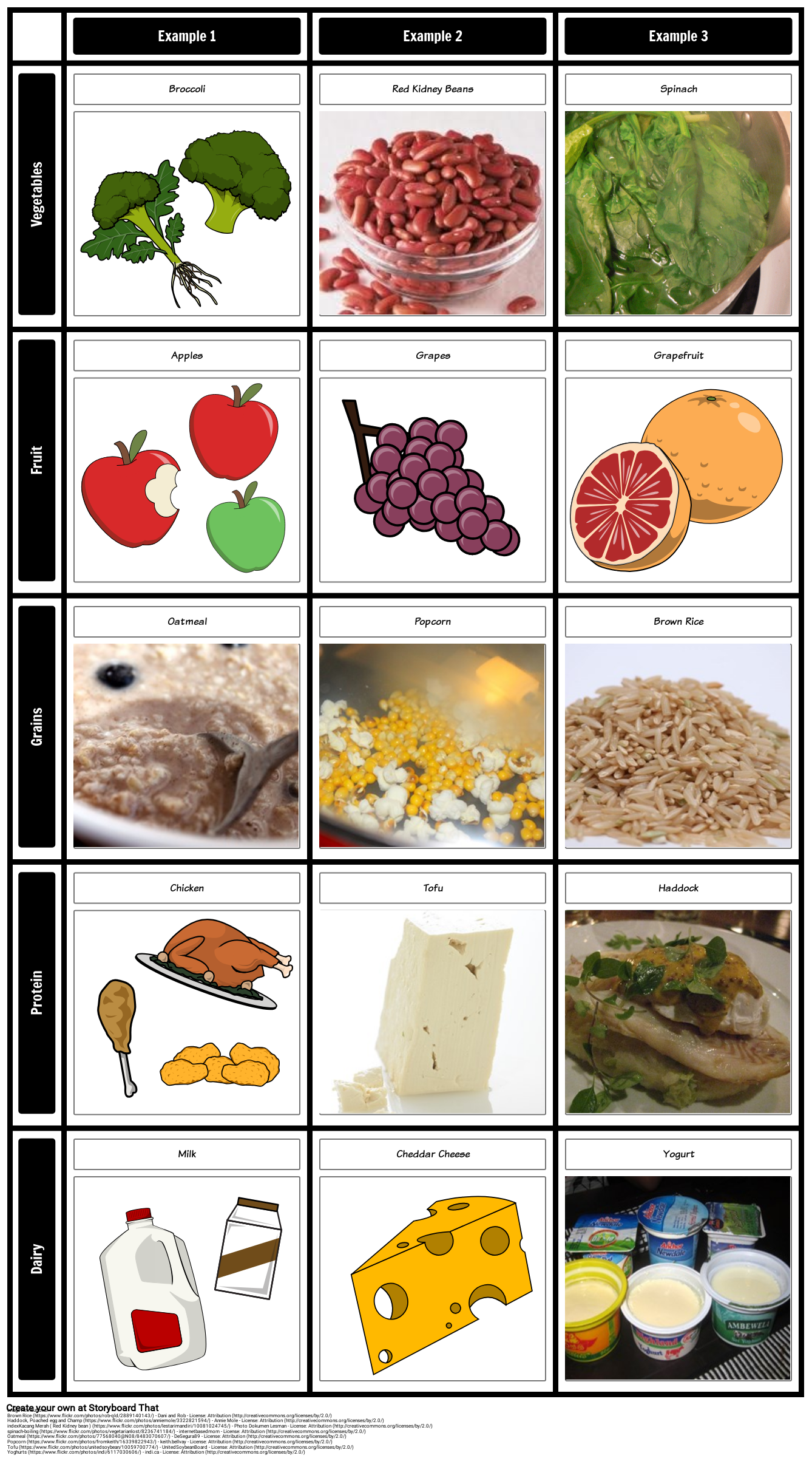
1. Food Selection: Constant exposure to treats high in sugar, salt, or fat can crowd out healthier choices, gradually raising the risk of weight gain and related conditions.
2. Portion Norms: Ads that show overflowing plates or endless refills can reset ideas of what a “normal” serving looks like, encouraging eaters to finish more than they need.
3. Neighborhood Gaps: When marketing dollars focus on packaged snacks instead of fresh produce, whole communities may see fewer markets stocking affordable fruits and vegetables, making balanced diets harder to achieve.
Ways to Balance the Scales
1. Media Literacy: Short lessons at school, workplace webinars, or public-service clips can teach people to ask, “Who paid for this image and what are they hoping I’ll feel?”
2. Clear Labels: Standardized front-of-pack icons that show nutrient levels at a glance help shoppers compare items quickly without deciphering fine print.
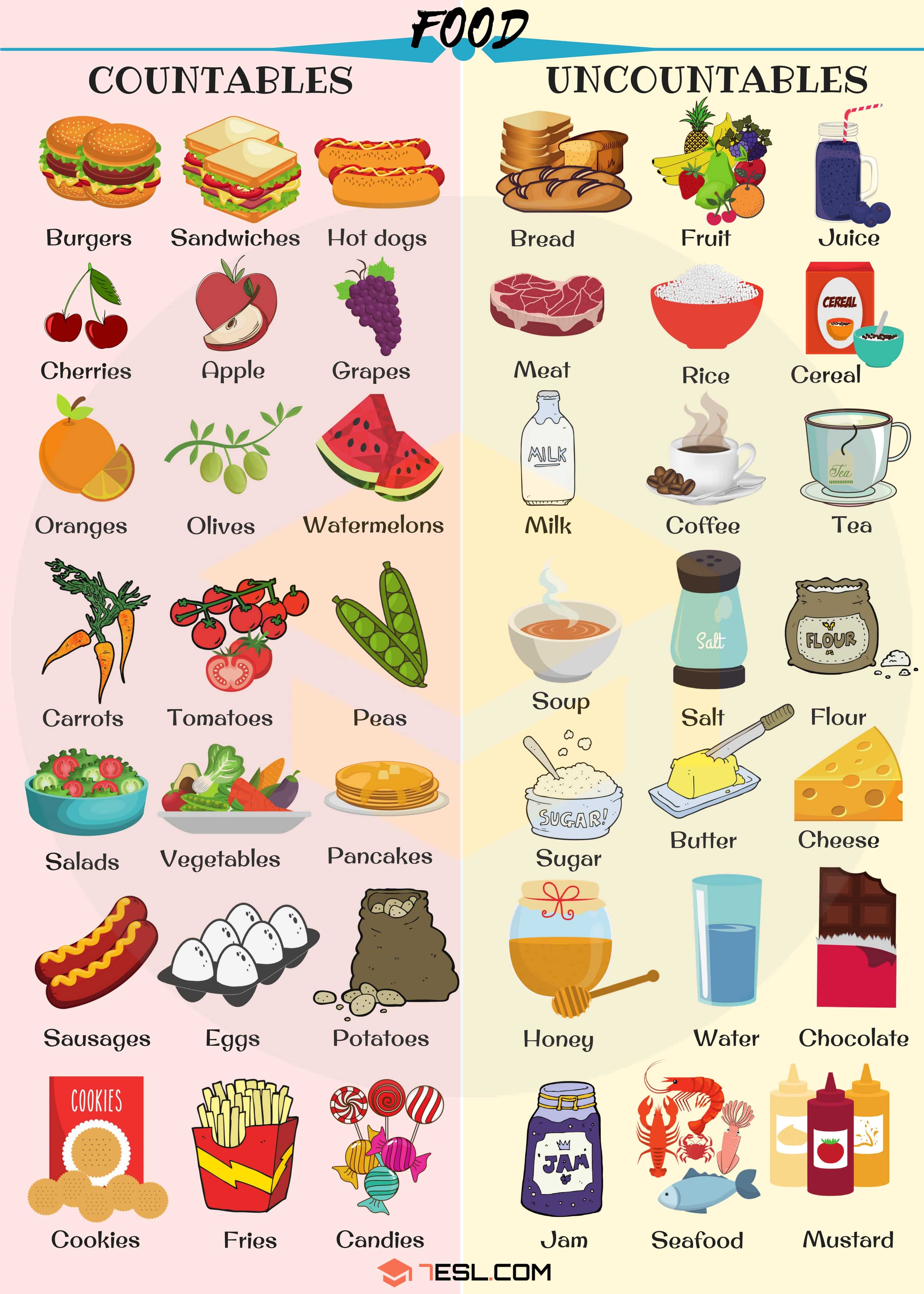
3. Positive Examples: Campaigns that celebrate colorful salads, whole grains, or home-cooked soups give audiences fresh mental models—and recipes—to imitate.
Conclusion:
The pictures and stories surrounding food shape appetites, carts, and health outcomes more than most realize. By learning to notice those cues, demanding transparent labels, and sharing appealing images of nourishing meals, society can create an environment where the easiest choice is also the healthier one.


