


The Impact of Culinary Variety on Modern Nutrition and Health
Introduction
Embracing a wide spectrum of ingredients lies at the heart of contemporary nutrition science. This article examines why dietary diversity matters, how it shapes everyday eating patterns, and the health rewards it can deliver. By looking at practical ways to broaden the foods on our plates, we offer a clear guide to improving nutritional habits and overall wellness.
The Concept of Culinary Variety
Definition
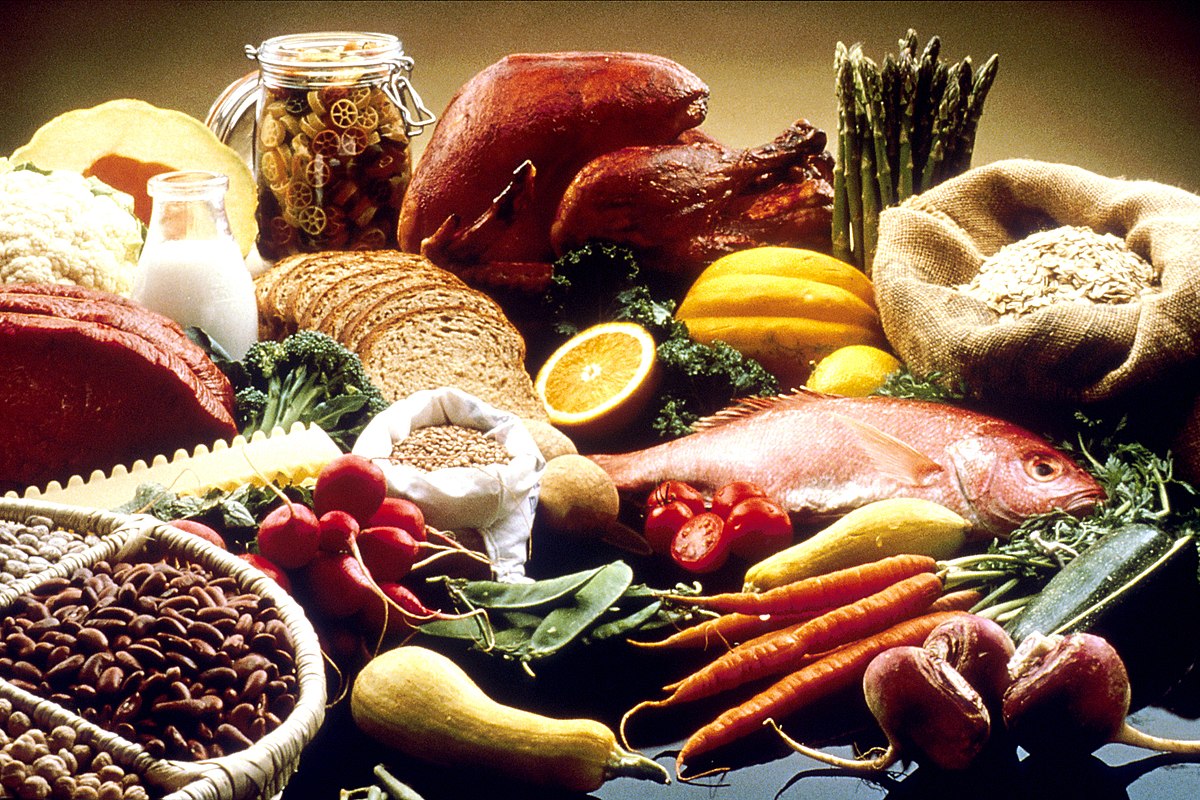
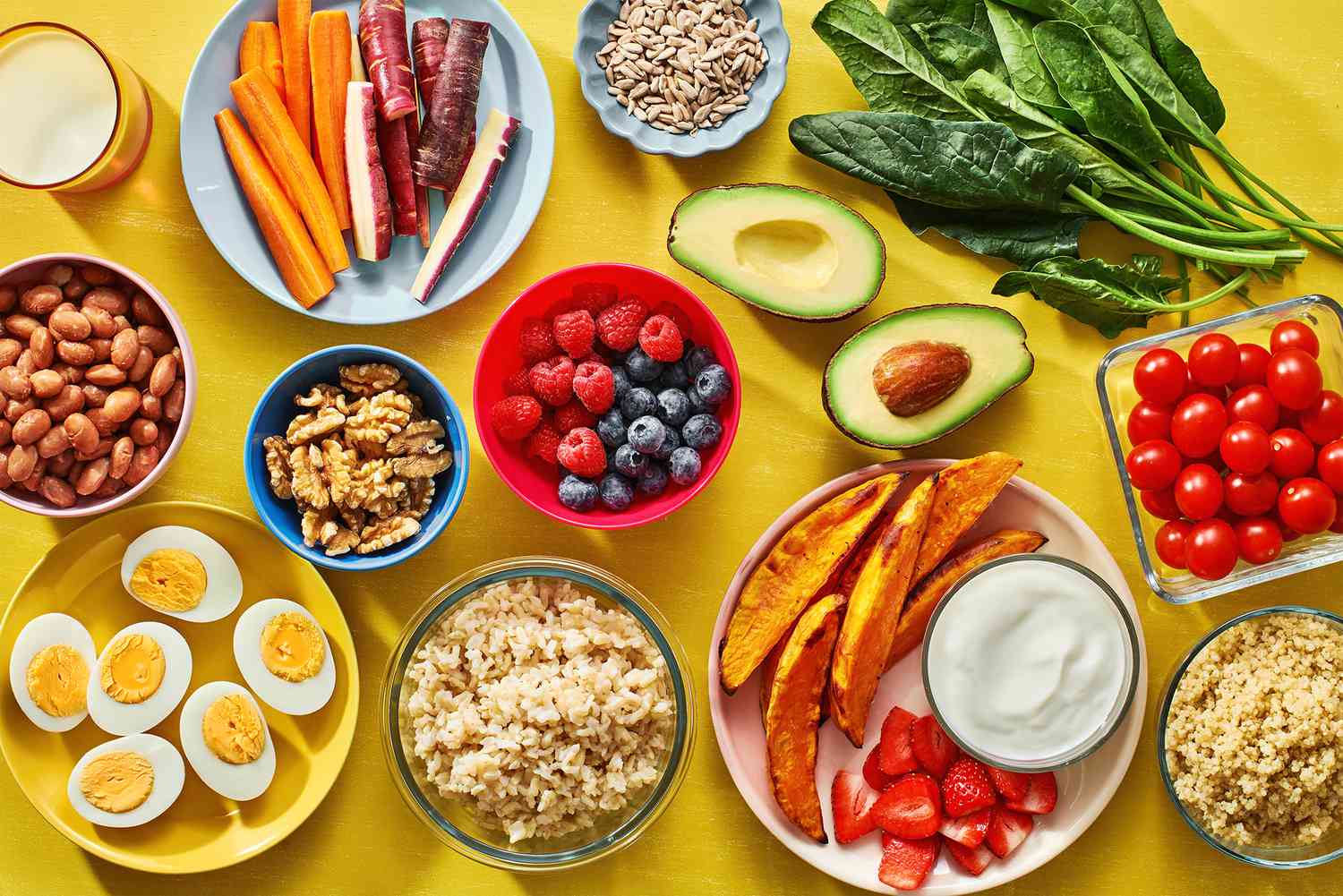
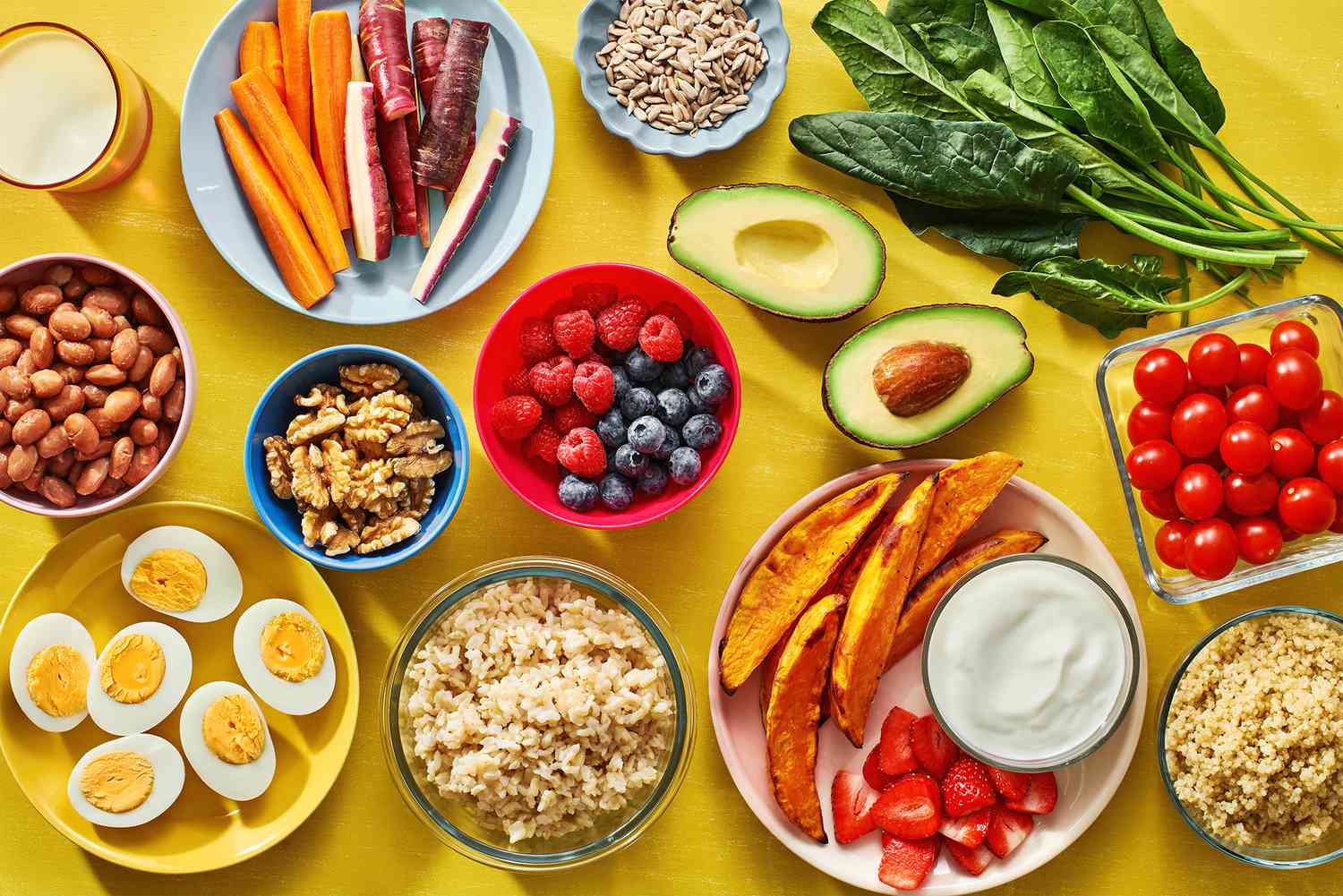
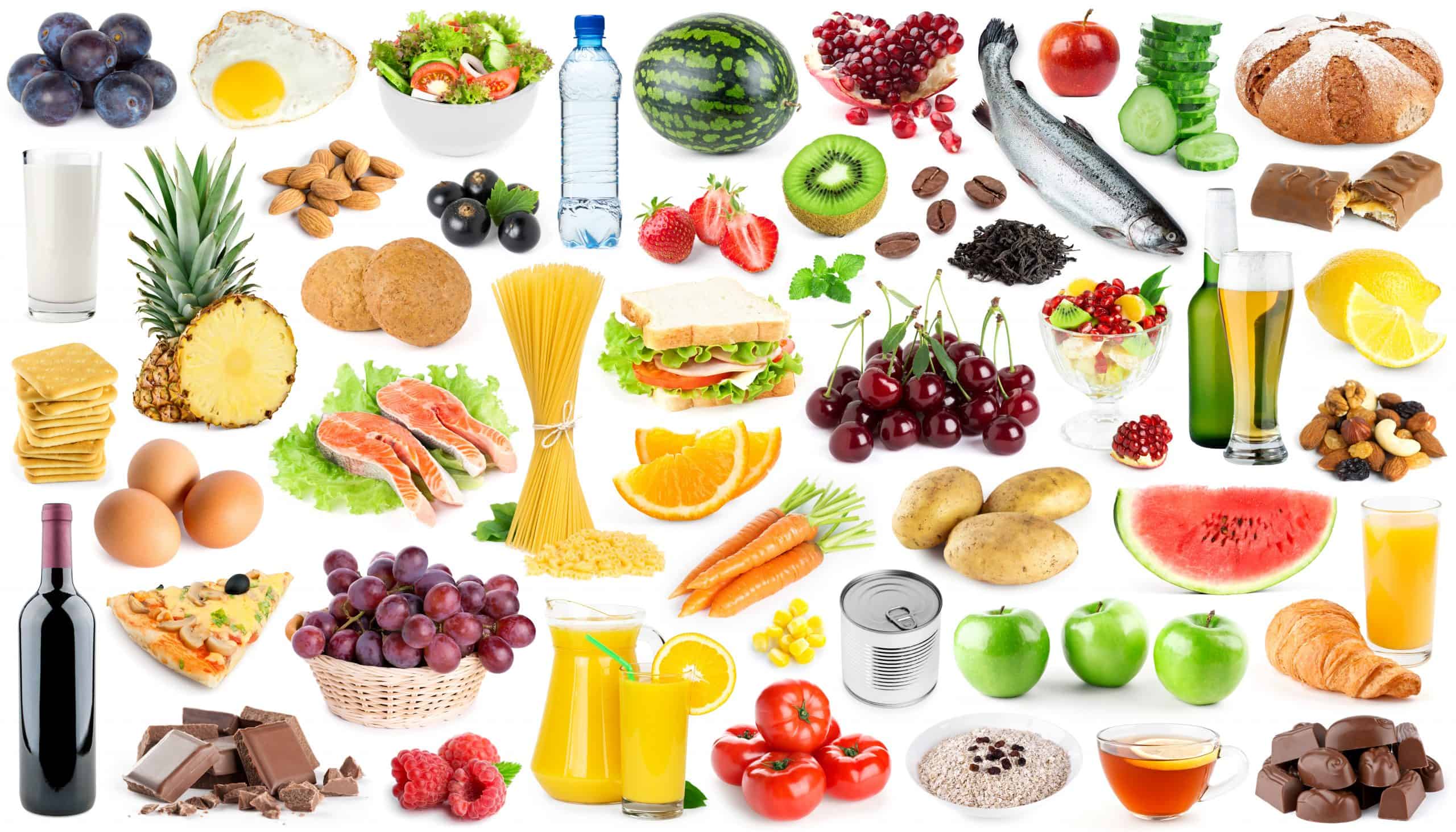
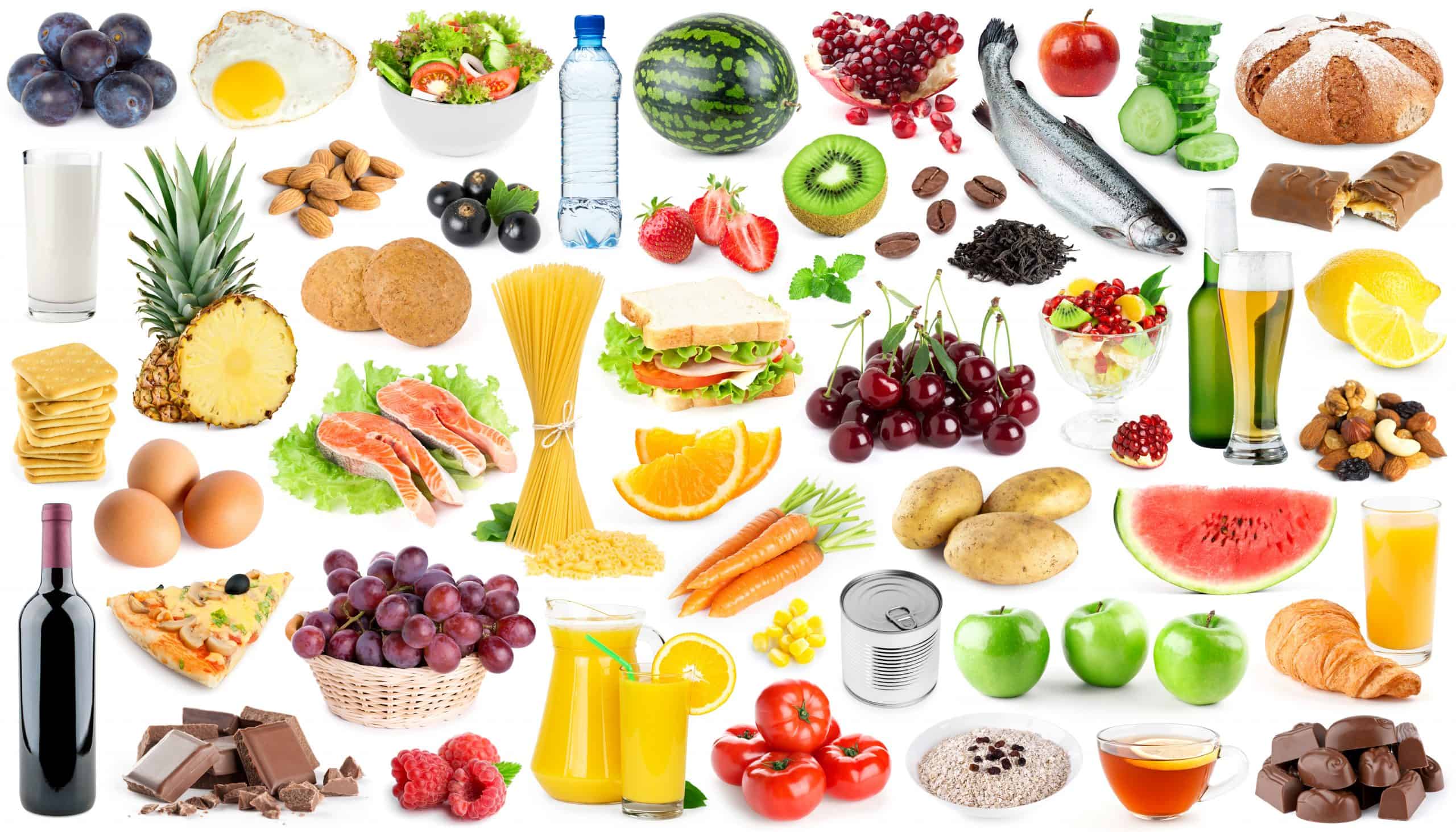
Culinary variety means regularly including many different whole foods—vegetables, fruits, grains, legumes, nuts, seeds, and lean proteins—in balanced proportions. The approach highlights minimally processed choices and celebrates seasonal, colorful produce to cover the full range of essential nutrients.
Historical Perspective
For most of human history, diets naturally spanned dozens of plant and animal sources. Industrial food production and hectic schedules later narrowed selections toward refined staples and ready-to-eat meals. A renewed focus on variety aims to reverse that shift by encouraging home cooking and exploration of global ingredients.
The Benefits of Culinary Variety
Nutritional Diversity
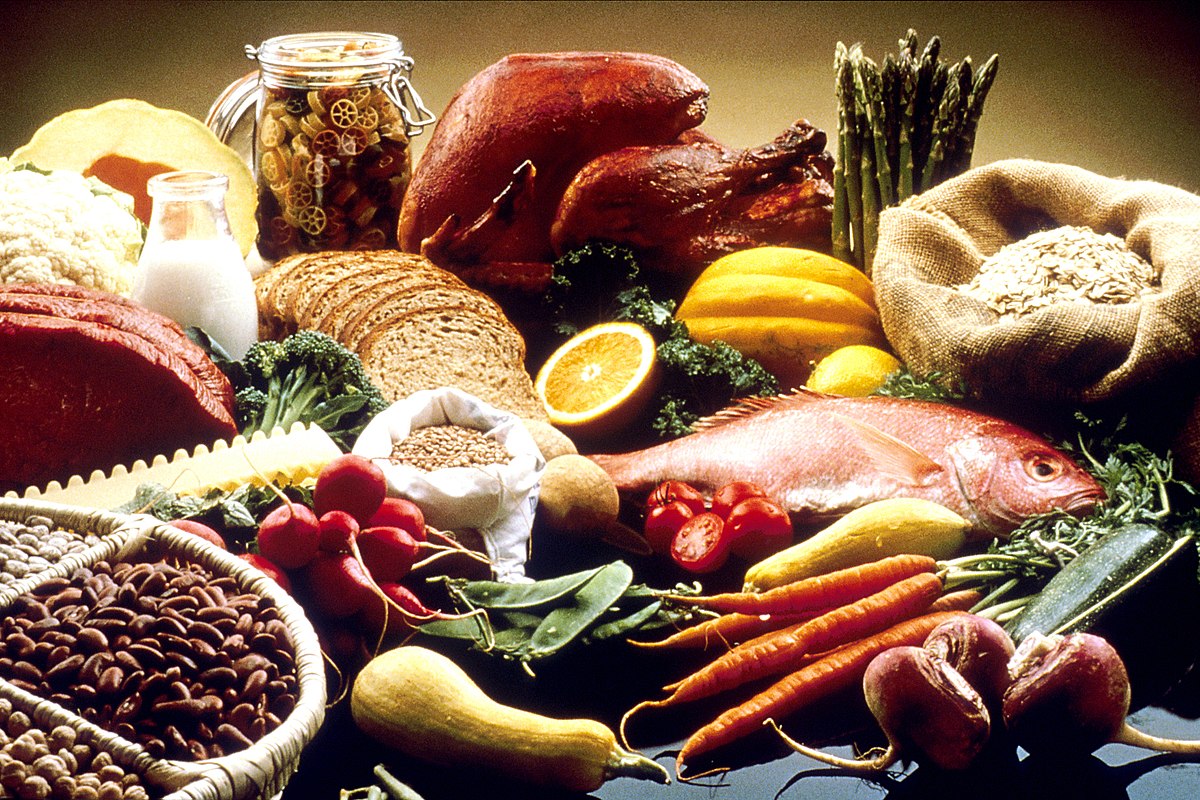
Rotating ingredients boosts intake of vitamins, minerals, fiber, and protective plant compounds. A broader nutrient profile supports immunity, energy metabolism, and cellular repair, lowering the chance of shortfalls that single-food regimens can create.
Chronic Disease Prevention
Diets rich in whole plant foods and healthy fats are consistently linked to lower rates of heart disease, type 2 diabetes, and certain cancers. Variety keeps meals satisfying without excess salt, sugar, or saturated fat, helping maintain healthy weight and blood markers.
Mental Health Benefits
Exposure to diverse flavors and textures stimulates the gut–brain axis, fostering beneficial microbes that influence mood. Cooking and sharing new dishes also nurture creativity and social connection, factors tied to lower stress and greater life satisfaction.
Challenges and Solutions
Time Constraints
Busy routines can push people toward repetitive, convenience foods. Weekly batch cooking, one-pot recipes, and frozen produce cut prep time while still offering wide nutrient coverage.
Financial Constraints
Fresh foods may appear costly, yet economical picks such as dried beans, lentils, oats, canned fish, and seasonal vegetables deliver high nutrition per dollar. Buying in bulk, choosing store brands, and planning meals around sales keep budgets on track.
Case Studies and Research
Traditional Island Diets
Populations that base meals on local sweet potatoes, seaweed, soy, and small fish show remarkable longevity. Their plates feature dozens of plant species weekly, illustrating the protective power of variety.
Mediterranean Patterns
Abundant fruit, leafy greens, olive oil, nuts, and seafood—rotated daily—have long been associated with robust cardiovascular health, reinforcing the value of mixing ingredients rather than fixating on single “superfoods.”
Conclusion
Prioritizing culinary variety offers a practical, science-backed route to better nutrition and vibrant health. While time and cost hurdles exist, simple planning strategies make diverse, wholesome eating achievable for most households. Continued research and public support will keep this approach central to preventive health care.
Recommendations and Future Research
To foster wider adoption of diverse eating patterns, the following steps are suggested:
1. Health agencies can run campaigns that showcase easy swaps—like replacing white rice with mixed grains—and provide quick recipe videos.
2. Schools and employers can offer taste-testing events and cooking demos that introduce unfamiliar produce in appealing ways.
3. Scientists should track how varied diets influence gut microbiota, metabolic markers, and mental well-being across different age groups.
Future studies could explore:

1. Ideal diversity thresholds for children, athletes, and seniors.
2. Digital tools that personalize shopping lists to expand the number of plant species consumed each week.
3. Cultural and economic drivers that shape access to varied foods, guiding policies for fairer food systems.
By pursuing these avenues, communities can make diverse, enjoyable eating the norm rather than the exception.


