


The Art and Science of Transporting Deviled Eggs
Introduction
Deviled eggs are a timeless appetizer enjoyed at gatherings, potlucks, and casual get-togethers. Their creamy filling and elegant appearance make them popular, yet moving them from one place to another without smears, slips, or spoilage can feel like a culinary obstacle course. This article explores practical ways to keep deviled eggs safe, attractive, and delicious while they travel.
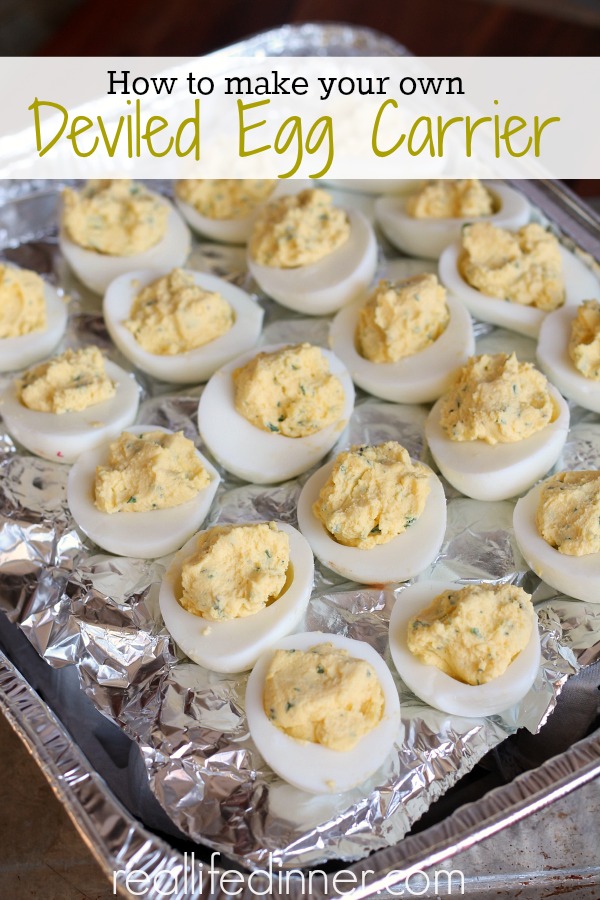
The Importance of Proper Transportation
A successful journey preserves three things: the egg’s shape, the filling’s flavor, and the platter’s visual charm. Any tilt, tumble, or temperature swing can dent the whites, blur the yolk mixture, or encourage unwanted bacteria. Thoughtful packing protects both food safety and the cook’s reputation.
Preparing Deviled Eggs for Transportation
Hygiene and Storage
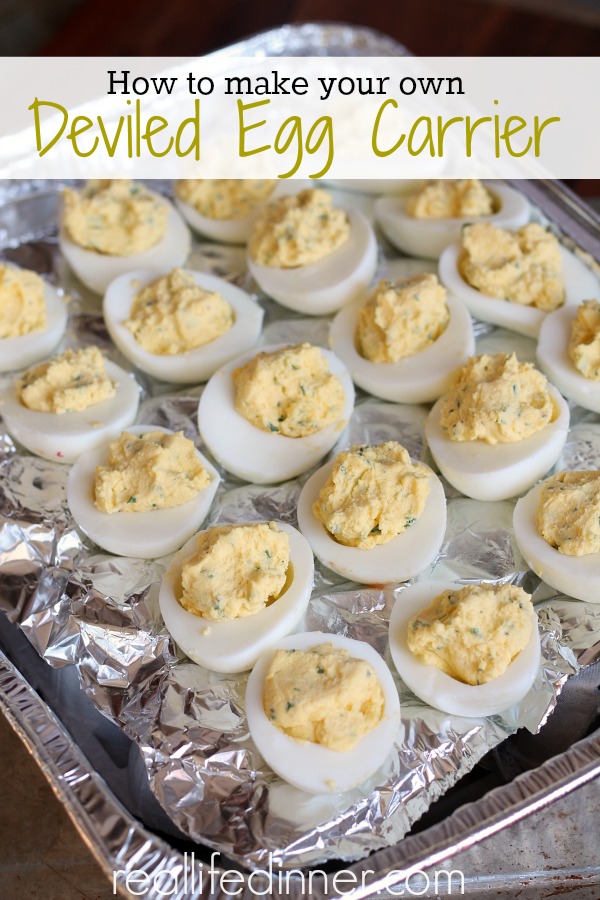
Start with spotless hands, tools, and surfaces. Once filled, nestle the eggs in a shallow, airtight container lined with food-grade plastic wrap to block odors and bacteria. Chill the container for at least thirty minutes before departure so the filling firms up and clings to the white.
Temperature Control
Cold is the egg’s best travel companion. Slip the container into a cooler bag or a hard-shell box surrounded by frozen gel packs. Aim to keep the internal temperature below 40 °F (4 °C) from kitchen to serving table.
Packaging and Containers
Choosing the Right Container
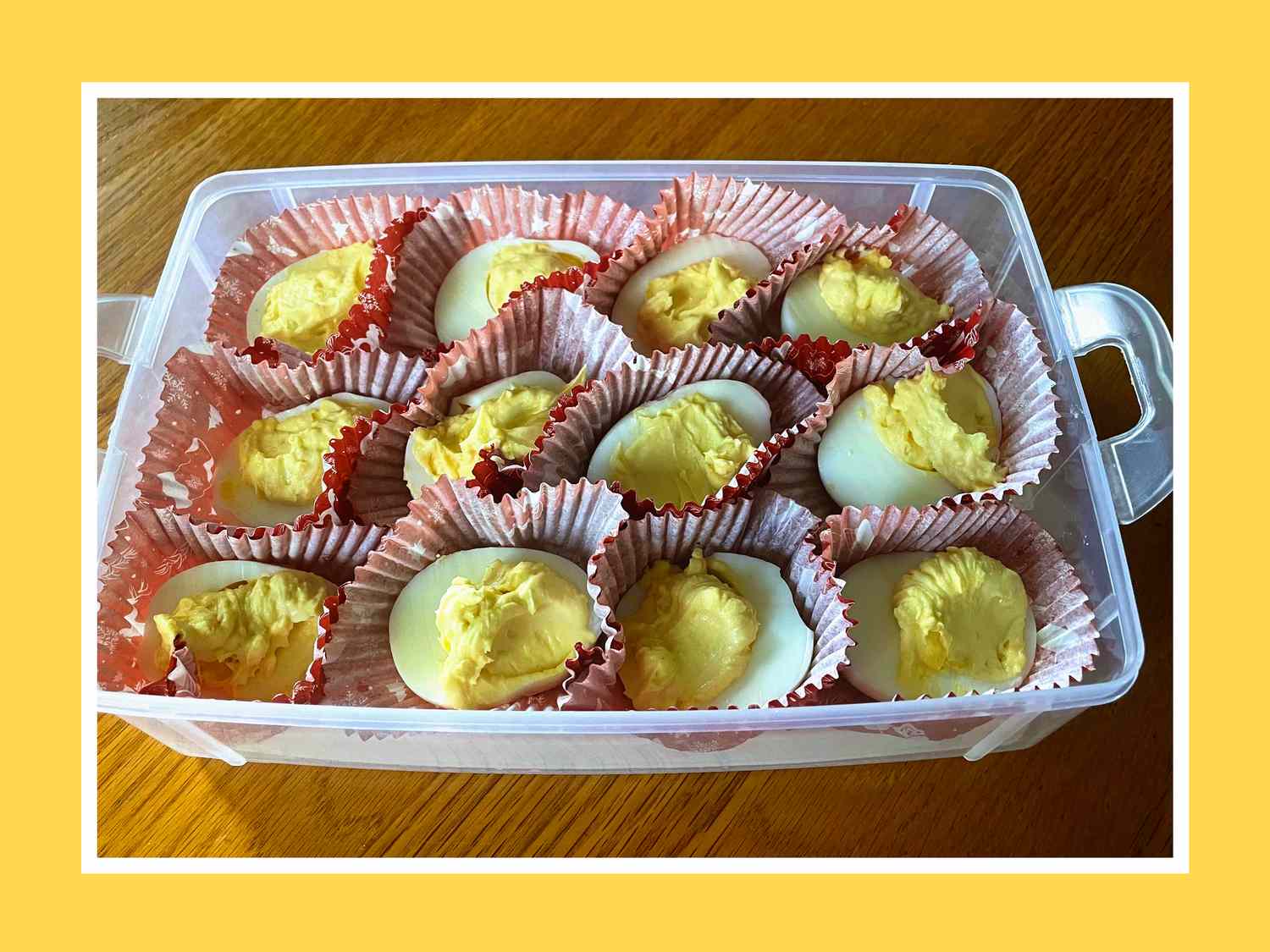
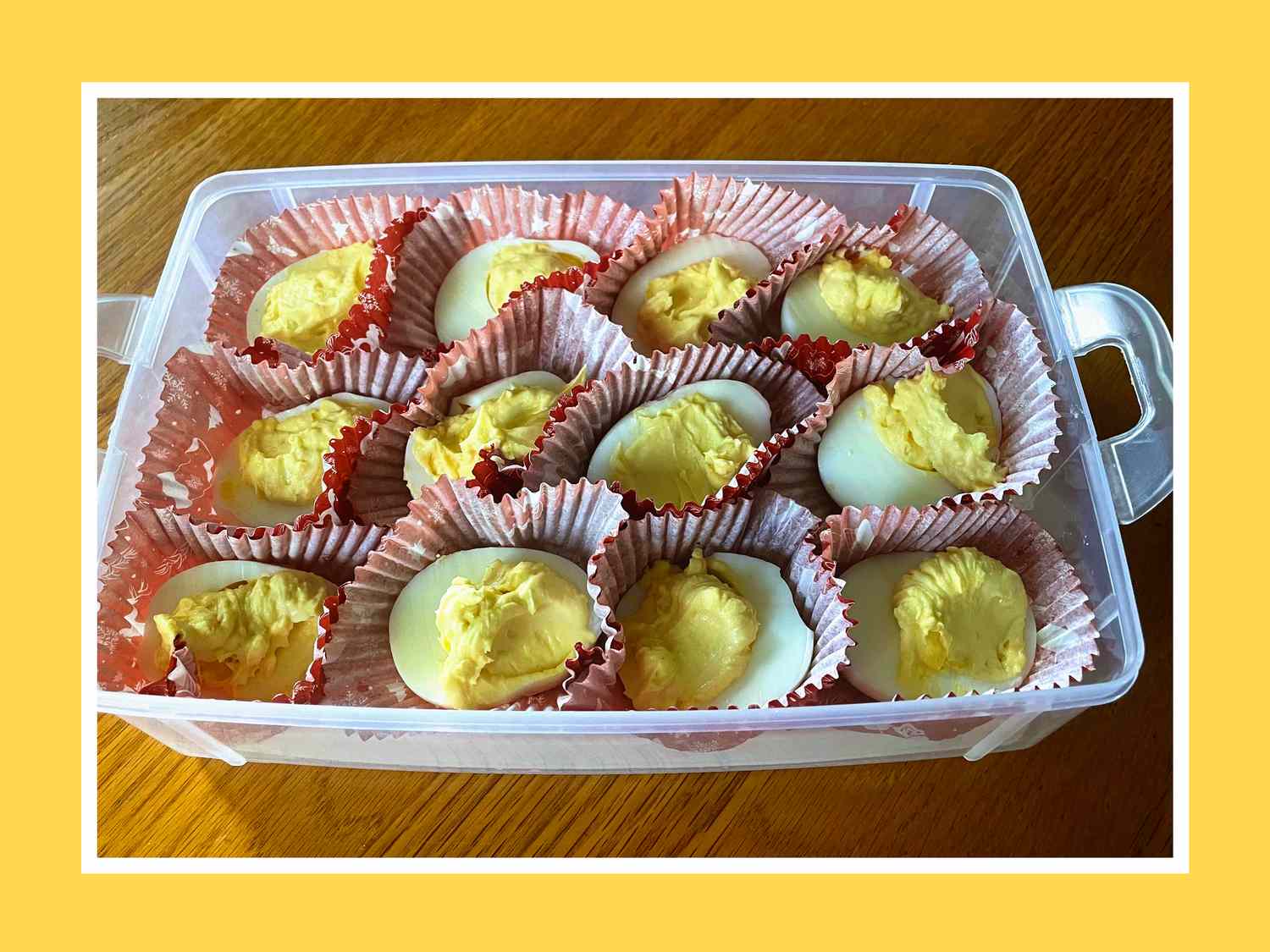
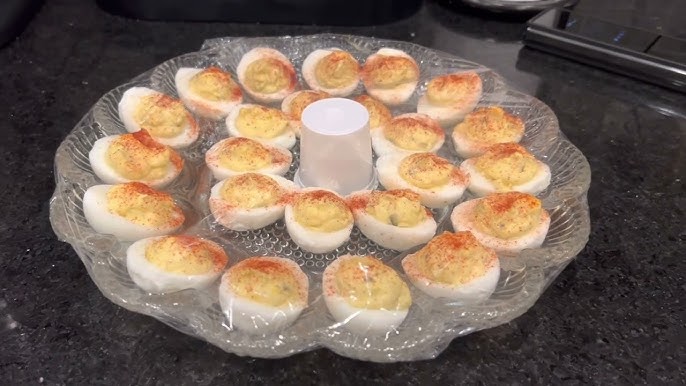
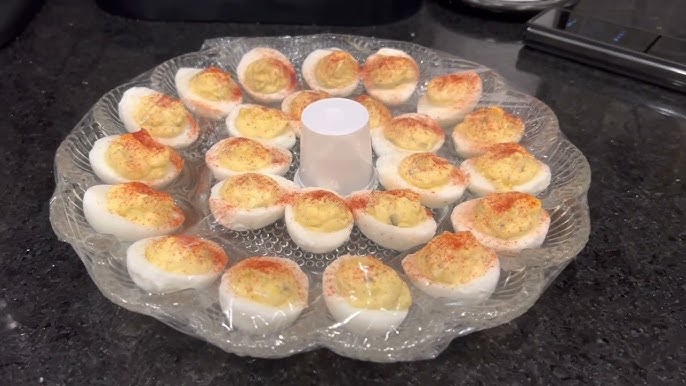
Look for a rigid, lidded tray designed for eggs or deviled eggs; the molded depressions cradle each half and prevent side-to-side rolling. If such a tray is unavailable, a flat plastic food box with a tight silicone seal works, especially when paired with parchment paper to reduce sliding.
Securing the Eggs
Place the eggs cavity-side up in a single layer. Lay a sheet of lightly dampened paper towel over the top before closing the lid; the towel acts as a gentle buffer and absorbs any stray moisture that could smudge the filling.
Transportation Methods
By Car
Set the container on the floor of the back seat or in the trunk’s coolest corner, away from direct sunlight or heater vents. A non-slip mat underneath stops the box from skating during sudden stops.
By Airplane
Check the airline’s rules on perishable foods. If carry-on is allowed, pack the eggs in a clear, leak-proof container that fits within the liquid-size limits, and keep them under the seat where temperatures stay cooler. For checked luggage, surround the container with frozen packs and label it “Fragile – Keep Upright.”
By Mail
Overnight shipping is the only realistic option. Nestle the chilled egg tray inside an insulated foam chest, add plenty of frozen gel packs, and seal the chest inside a sturdy corrugated box. Mark the outer carton “Perishable – Refrigerate on Arrival” and schedule delivery for a weekday when someone will be home.
Challenges and Solutions
Temperature Fluctuations
Hot cargo holds, sunny dashboards, or delayed flights can warm the eggs quickly. Pack extra ice packs and monitor with a small ambient thermometer; swap in fresh cold sources if the trip runs long.
Packaging Integrity
Cracked lids or dented trays invite disaster. Reinforce closures with wide rubber bands, and place the primary container inside a slightly larger box cushioned with bubble wrap to absorb shocks.
The Science Behind Deviled Eggs
Texture and Flavor Preservation
Chilling slows microbial growth and keeps the egg white firm and the filling viscous. Acidic ingredients such as mustard and vinegar lower the pH, adding an extra layer of protection against spoilage while brightening flavor.
Presentation
A level, chilled journey prevents paprika garnishes from bleeding and keeps piped swirls sharp. Arriving with picture-perfect eggs signals care and elevates even a modest potluck contribution to centerpiece status.
Conclusion

Moving deviled eggs safely is less about luck and more about planning: chill early, cushion well, and control temperature at every stage. Follow these steps and your eggs will reach the party as flawless as when they left the kitchen.
Future Research and Recommendations
Continued exploration could focus on biodegradable insulated packaging and phase-change materials that maintain steady chill without bulk. Studies comparing vibration levels across transport modes might also refine best-practice guidelines, helping this beloved appetizer travel farther while staying fresher.


