


The Rise and Impact of Popular Food Platforms
In the digital era, the way we discover and enjoy food has been transformed. Popular food platforms have become a key source of culinary inspiration, reviews, and trends for both food lovers and professionals. This article explores the importance of these platforms, their influence on the food industry, and how food consumption is evolving.
The Emergence of Popular Food Platforms
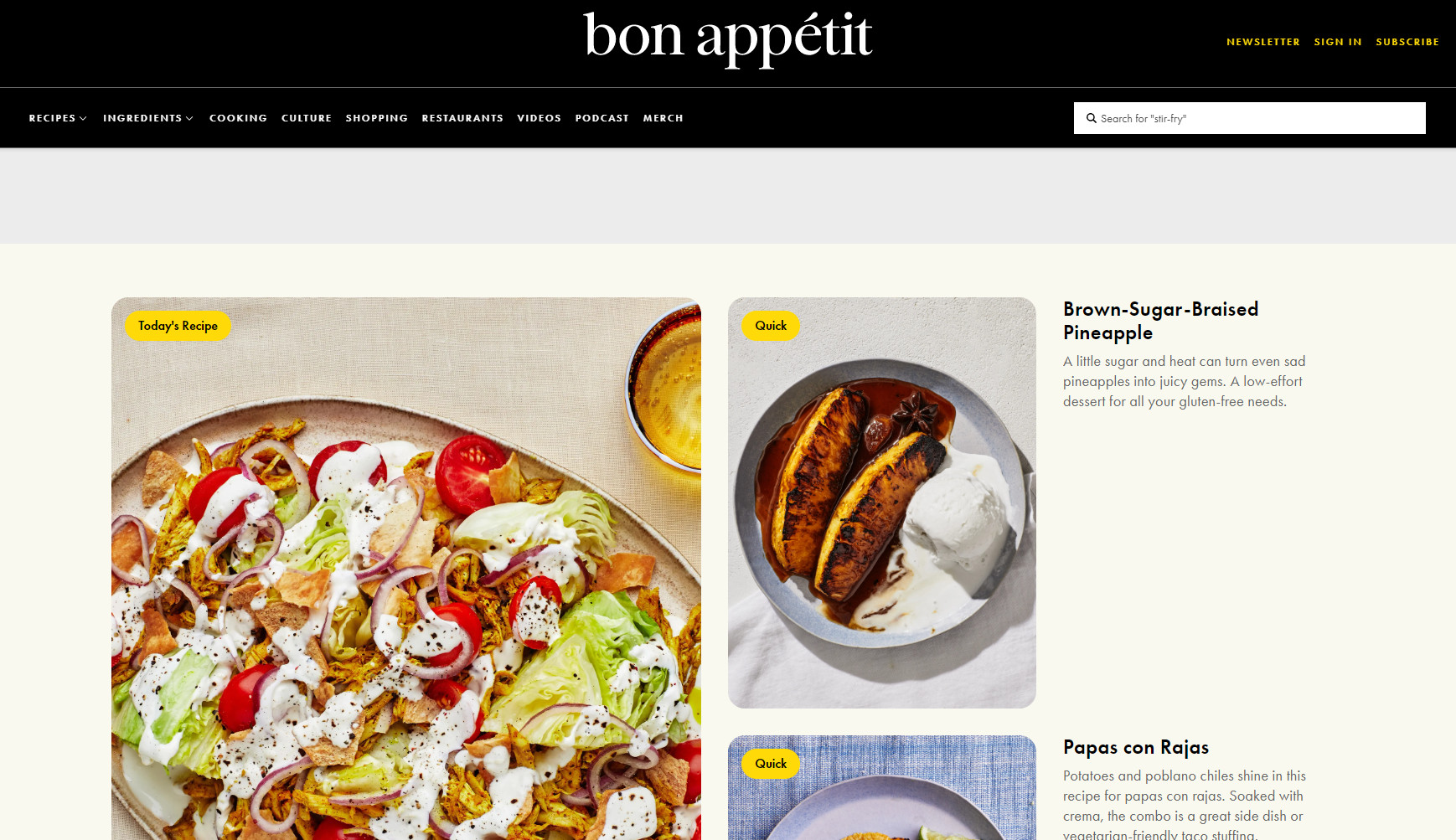
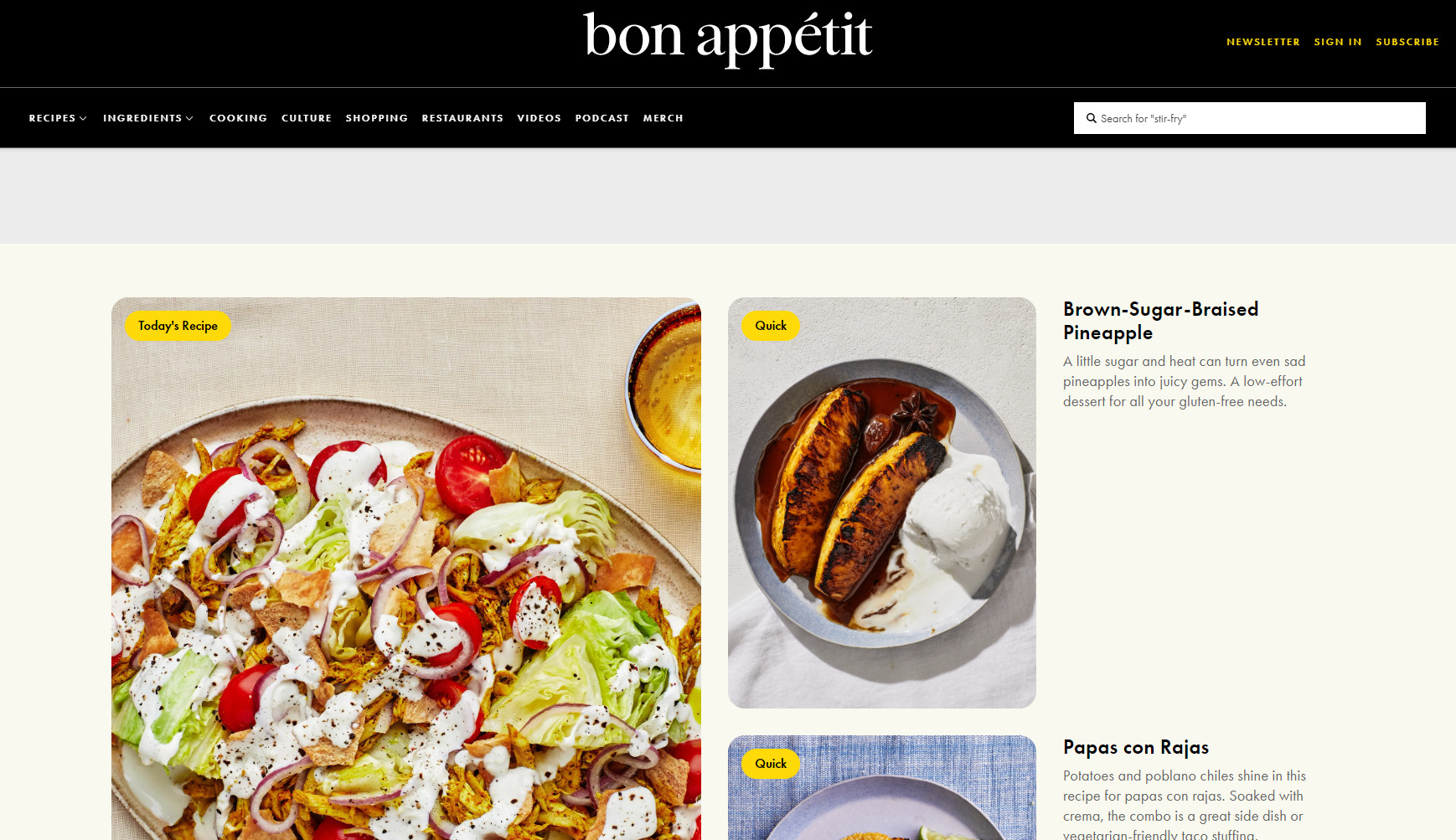
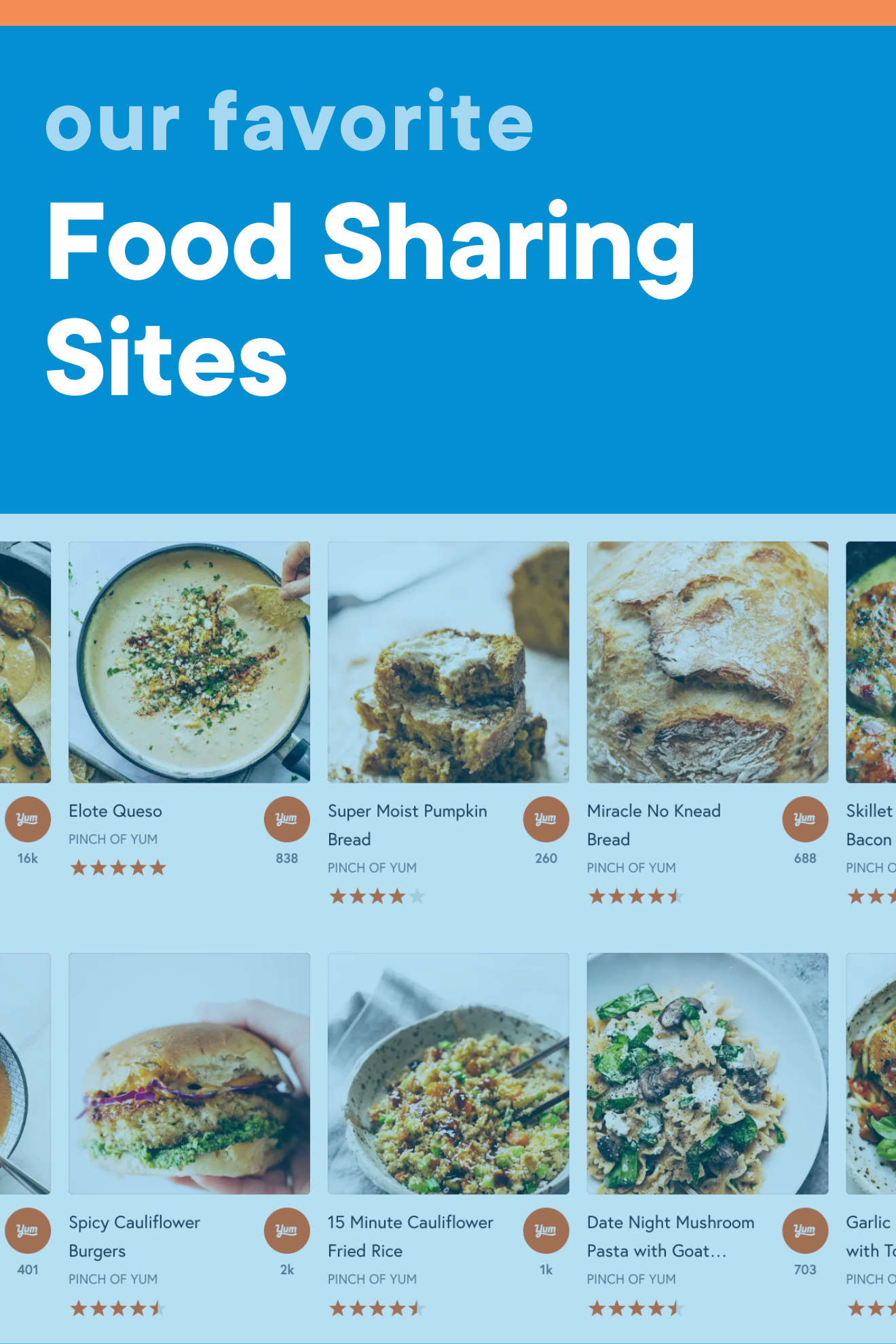
The rise of the internet and social media has opened up the food world to everyone, allowing culinary trends to spread quickly. Popular food platforms have become favorite destinations for the latest recipes, news, and reviews. By encouraging users to share their own content, these sites have built lively communities of food enthusiasts.
The Role of User-Generated Content
A major strength of these platforms is the focus on content created by users. Social media channels have given rise to food influencers who share recipes, tips, and experiences with a global audience. This shared content builds community and offers insight into new food trends.
For example, the growing interest in plant-based eating has been driven by influencers who highlight tasty vegan and vegetarian dishes. This shift has encouraged more people to try meat-free meals and has inspired food companies to expand their plant-based offerings.
The Impact on the Food Industry
Popular food platforms have significantly shaped the food industry. When a dish or ingredient goes viral, demand can rise overnight. The global popularity of Korean food, for instance, has led to more Korean restaurants and ingredients appearing in supermarkets worldwide.
These platforms also help restaurants and brands connect with customers. By sharing appealing photos and stories, businesses can attract new diners and build loyalty without expensive advertising.
The Role of Reviews and Ratings
Reviews and ratings featured on these platforms heavily influence where and what people choose to eat. Travelers and locals alike often check online opinions before booking a table or buying a product.
Restaurant owners pay close attention to these ratings because they directly affect reputation and revenue. A stream of positive comments can boost reservations, while constructive criticism often leads to menu improvements and better service.
The Evolution of Food Consumption
These platforms have accelerated changes in how we eat. Interest in healthy, sustainable, and culturally diverse foods has grown, guided by stories and recipes shared online. Organic produce, whole grains, and global spices are now common in many kitchens.
Meal-kit deliveries and curated subscription boxes, frequently showcased on food sites, have also changed shopping habits. They offer convenience and introduce home cooks to new flavors without the need to hunt for specialty items.
Challenges and Future Prospects
Despite their benefits, these platforms face challenges. Misleading posts and undisclosed sponsorships can erode trust, and questions remain about long-term profitability.
Looking forward, advances in technology promise smarter, more personalized experiences. Improved algorithms could predict trending flavors and suggest recipes tailored to individual tastes, keeping these platforms at the center of culinary discovery.
Conclusion
Popular food platforms have become an essential part of modern food culture, guiding what we cook, where we dine, and how we think about meals. They drive innovation, connect communities, and empower eaters with information. As they continue to evolve, maintaining transparency and embracing new tools will ensure they remain trusted companions in every kitchen.
In short, these platforms have changed the food landscape for good. By celebrating creativity and informed choice, they help everyone—from home cooks to celebrated chefs—share the joy of good food.


