

The Ultimate Culinary Experience: Best Cuisine Around the World
Introduction
Cooking is more than a daily necessity; it mirrors the history, traditions, and spirit of every region. While “best cuisine” means something different to each traveler, it usually points to food that is memorable, balanced, and rooted in culture. This article tours the globe to discover what elevates certain culinary traditions above the rest.
The Definition of Best Cuisine
Great cuisine is judged by flavor, presentation, cultural meaning, and the willingness to evolve. A dish can stand out when it honors its origins while still inspiring cooks everywhere. Excellence is not fixed; it grows with every new season and every creative chef.
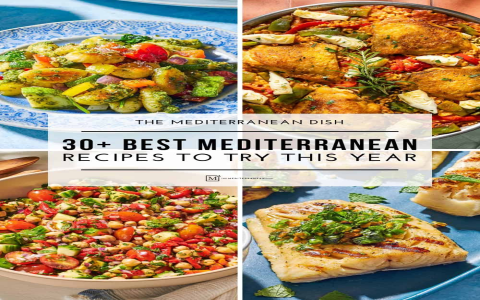
The Mediterranean Table: Sun on a Plate
Coastal communities have long relied on olive groves, orchards, and nets cast at dawn. The resulting plates of grilled fish, leafy salads, and golden oil have become a model of balanced eating. Bright herbs, ripe produce, and shared meals turn simple ingredients into an everyday celebration.
Scientists praise this pattern for supporting heart health and longevity, yet diners love it for the relaxed, convivial spirit that arrives with every shared mezze board or seaside supper.
Japanese Cuisine: Quiet Balance
Washoku centers on seasonal gifts from land and sea. A single tray might hold miso soup, pickled vegetables, and sashimi sliced so thin it seems to breathe. Visual calm matches subtle flavor, teaching diners to respect both ingredient and moment.
Techniques such as quick tempura baths or patient dashi simmering show how restraint can yield depth, inspiring kitchens far beyond the archipelago.
French Cuisine: Craft Refined
From butter-laced sauces to whisper-thin pastries, French cooking is synonymous with meticulous craft. Markets brim with crusty loaves, earthy mushrooms, and cream from morning deliveries. Each element is coaxed, never rushed, into sauces that linger on the palate and memories that linger even longer.

The nation’s reverence for taste has fostered culinary schools and guidebooks that still set global standards.
Italian Cuisine: Generous Simplicity
A pot of slow-simmered tomatoes, a knob of fragrant basil, and a shower of local cheese can feel like home anywhere on earth. Italy’s strength lies in letting prime ingredients speak, whether on a blistered pizza or a creamy risotto.
Regional pride runs deep: alpine polentas, coastal seafood stews, and central plains of cured meats all tell distinct stories while inviting everyone to the table.
The Role of Innovation
Tradition stays alive when it flirts with change. Forward-looking chefs experiment with science-lab textures, marry distant spice routes on one plate, and elevate roadside snacks into signature bites. Such curiosity keeps cuisines moving, surprising, and relevant.
Conclusion
No single kitchen holds every answer, yet the Mediterranean glow, Japanese balance, French finesse, and Italian warmth offer timeless lessons. They remind us that great food nourishes both body and community, and that tomorrow’s classics will emerge from today’s open-minded pots and pans.


