

The Art and Science of Culinary Photography: A Visual Journey
Introduction
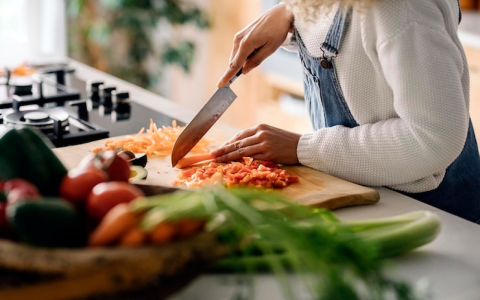
Culinary photographs have quietly become the silent language of modern cooking. They spark ideas, guide technique, and invite us to taste with our eyes long before the first bite. This article explores why these images matter, how they shape what we expect from food, and the simple principles that turn a quick snapshot into a mouth-watering story.
The Significance of Culinary Photographs
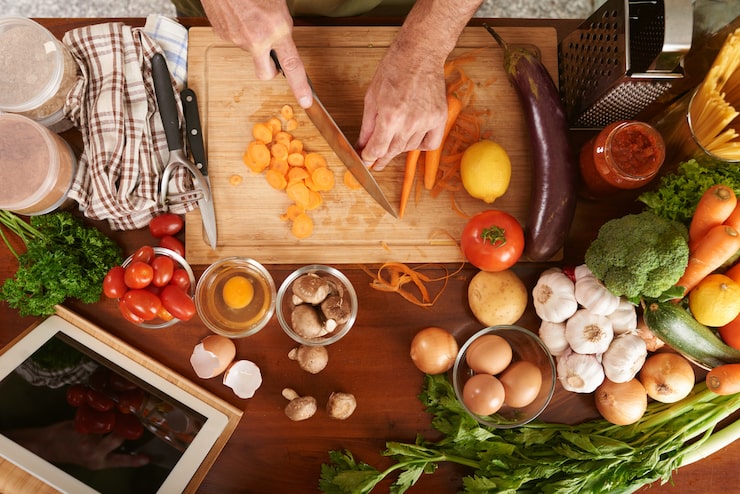
A single frame can summon childhood memories, trigger hunger, or transport us to another place. Visual cues are tightly woven into how we anticipate flavor and texture; when we see a glossy swirl of chocolate or the crackle of a roasted crust, the brain begins to rehearse the experience, making us far more likely to reach for the recipe or reserve a table.
Impact on Perception of Food
The same dish can feel rustic, elegant, or uninviting depending on angle, light, and backdrop. A thoughtful photograph frames ingredients so their natural colors and textures do the talking, while a cluttered or dim shot can dull even the most vibrant plate.
The Art and Science Behind Culinary Photographs
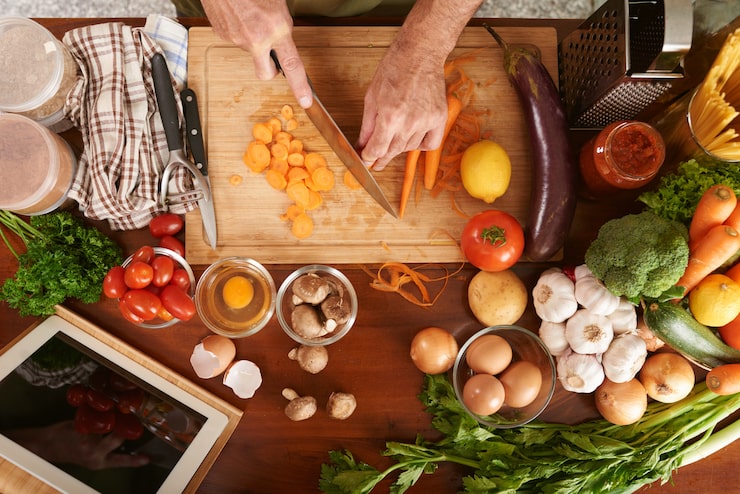
Great food imagery balances creativity with a handful of repeatable techniques:
Composition
Placing the hero slightly off-center, using gentle layers of foreground and background, and allowing a little breathing space around the plate keeps the scene lively without feeling staged.
Lighting
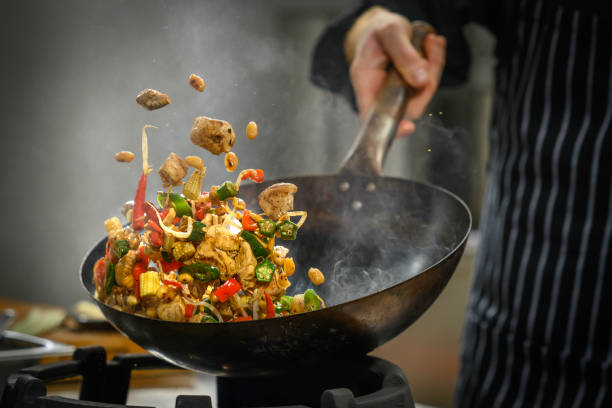
Soft daylight from a side window reveals texture without harsh shadows, while a small reflector can bounce brightness back into sauces and garnishes. For moodier scenes, a single directional lamp can carve out highlights that emphasize sizzle or steam.
Color
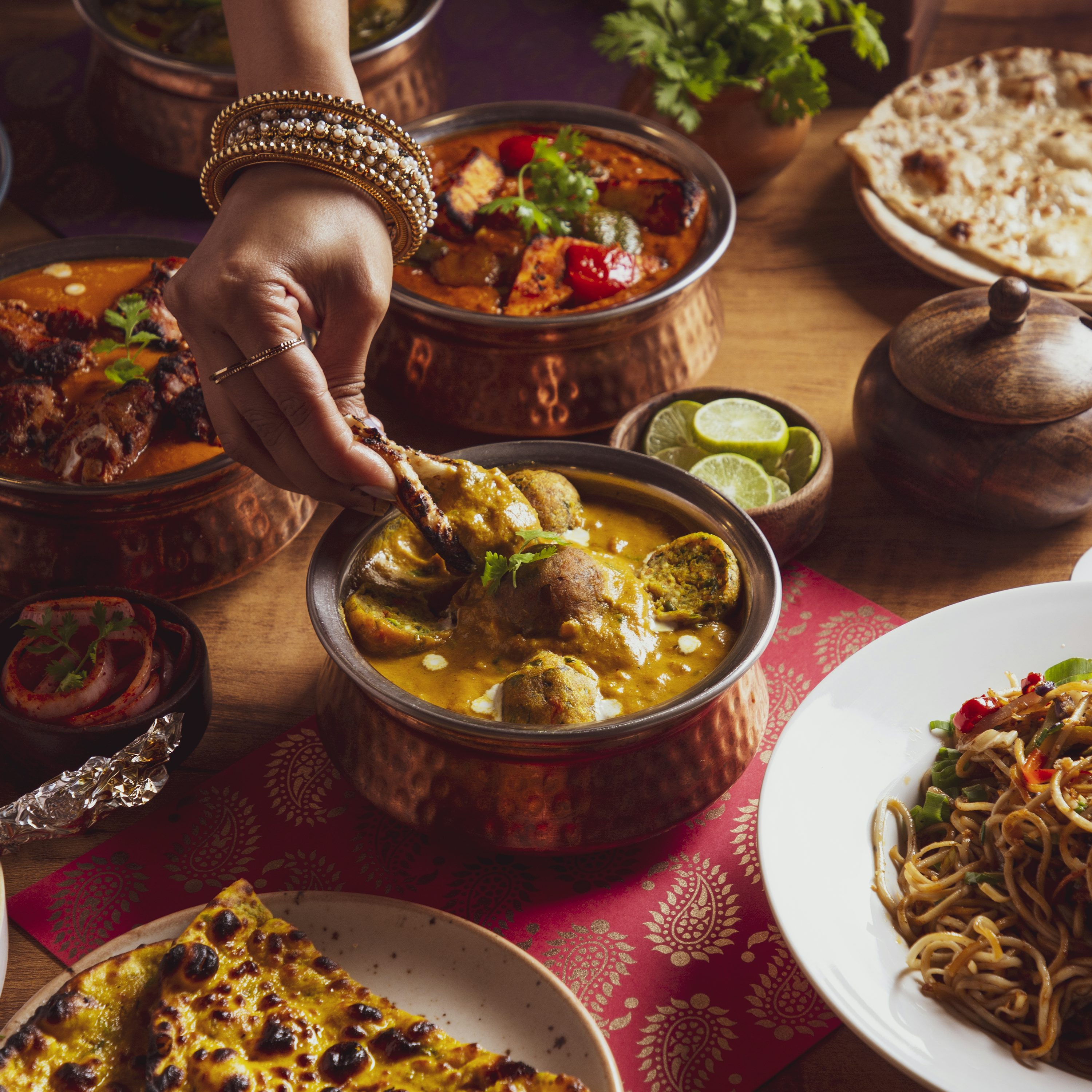
Warm tones suggest comfort and spice, cooler hues hint at freshness and lightness. A balanced palette—often drawn from the ingredients themselves—prevents the image from feeling overloaded yet still celebrates the dish’s personality.
Styling
Less is usually more. A loose scatter of herbs, a casually placed spoon, or the gentle drip of a sauce can imply movement and invite the viewer to imagine the first taste.
Role of Culinary Photographs in the Food Industry
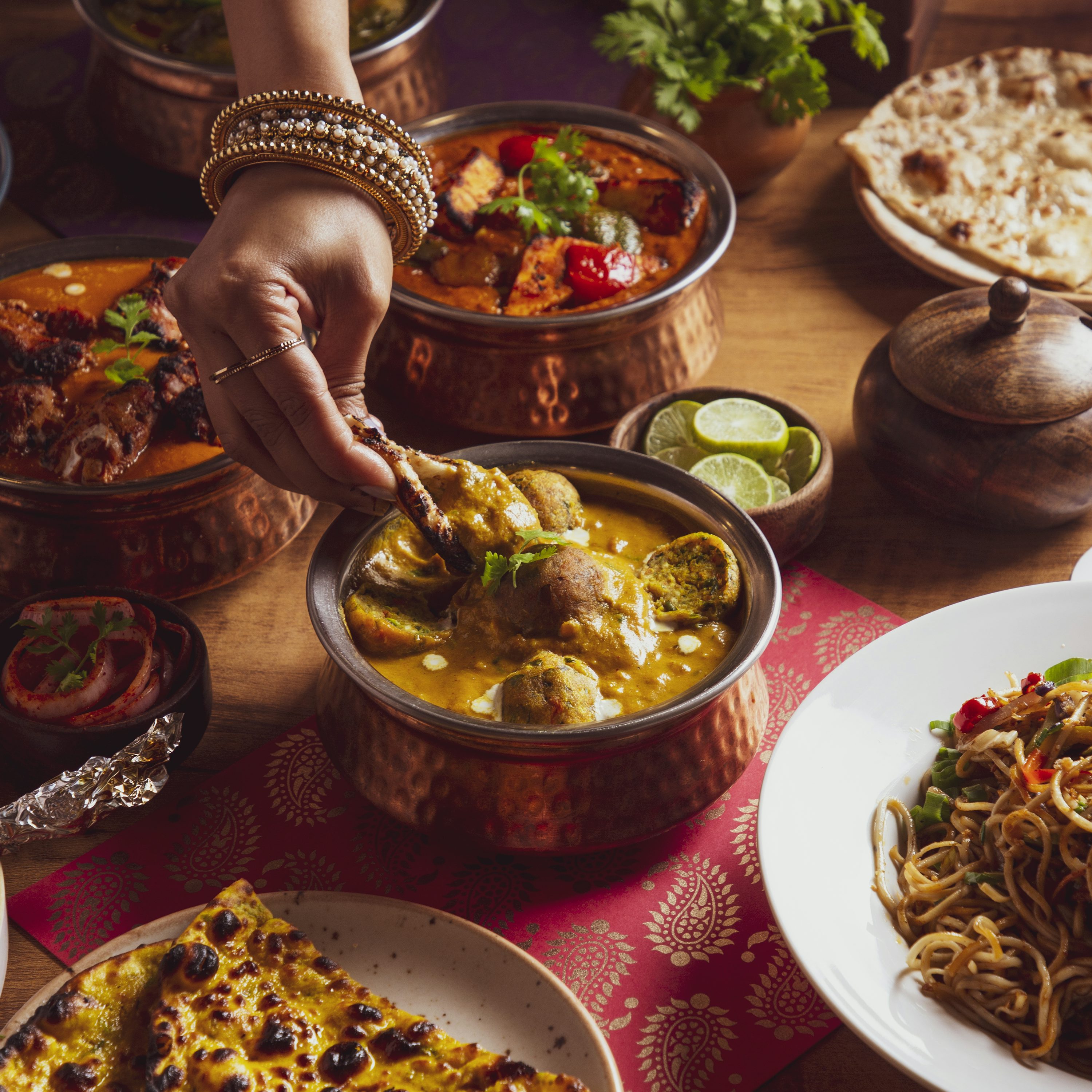
From restaurant menus to home kitchens, imagery drives choices:
Advertising
A well-lit burger or a dewy salad can anchor an entire campaign, giving consumers an instant sense of quality and care before they read a single word.
Social Media
Platforms built for scrolling reward arresting visuals. A concise caption paired with an honest, appetizing photo often travels further than lengthy praise, guiding followers toward new ingredients or weekend projects.
Recipe Development
Step-by-step shots demystify technique, while a finished dish photo sets a clear target for both novice and seasoned cooks. Seeing the goal encourages experimentation and builds confidence.
Conclusion
Culinary photographs are more than decoration; they are invitations, instructors, and storytellers. By mastering a few fundamentals of light, framing, and restraint, anyone can turn everyday cooking into imagery that resonates. As tastes evolve and platforms change, the appetite for compelling food visuals will only grow stronger.
Future Research Directions
Areas worth deeper exploration include:
1. How online imagery influences everyday shopping lists and meal choices.
2. Emerging tools—such as mobile editing apps or affordable LED panels—that lower the barrier to professional-looking shots.
3. The way regional aesthetics shape global perceptions of authenticity and crave-ability.
4. Possibilities for automated feedback on composition and color balance to assist content creators in real time.

Pursuing these questions will refine both the creation and appreciation of the images that season our daily digital diet.


