

The Art of Cooking with Supermarket Inspiration
Introduction
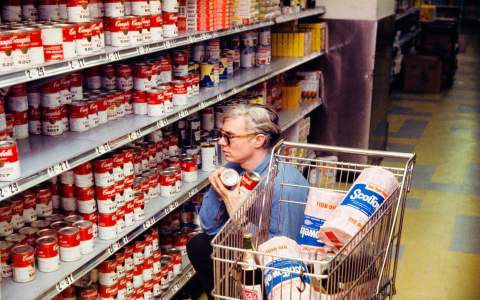
Supermarket-inspired recipes have quietly become a staple of everyday cooking, offering a gentle nudge from shelf to skillet. Whether printed on a label, tucked inside a flyer, or flashing on an end-cap screen, these ideas turn ordinary cart contents into comforting meals. This article looks at how such prompts shape the way we cook, experiment, and share food today.
The Evolution of Supermarket Recipe Ideas
Early Beginnings
In the early 1900s, food producers began adding short preparation notes to boxes and cans. The hints were brief—sometimes no more than “add milk and heat”—yet they gave shoppers confidence to try something new. For households juggling tight schedules, the tiny instructions felt like a helping hand in the kitchen.
The Rise of Convenience
Mid-century, ready-mix cakes, canned soups, and frozen vegetables turned weeknight cooking into a faster affair. Recipe cards placed near displays promised full dinners in minutes, inviting even reluctant cooks to gather around a homemade plate without an entire afternoon of work.
Modern Trends
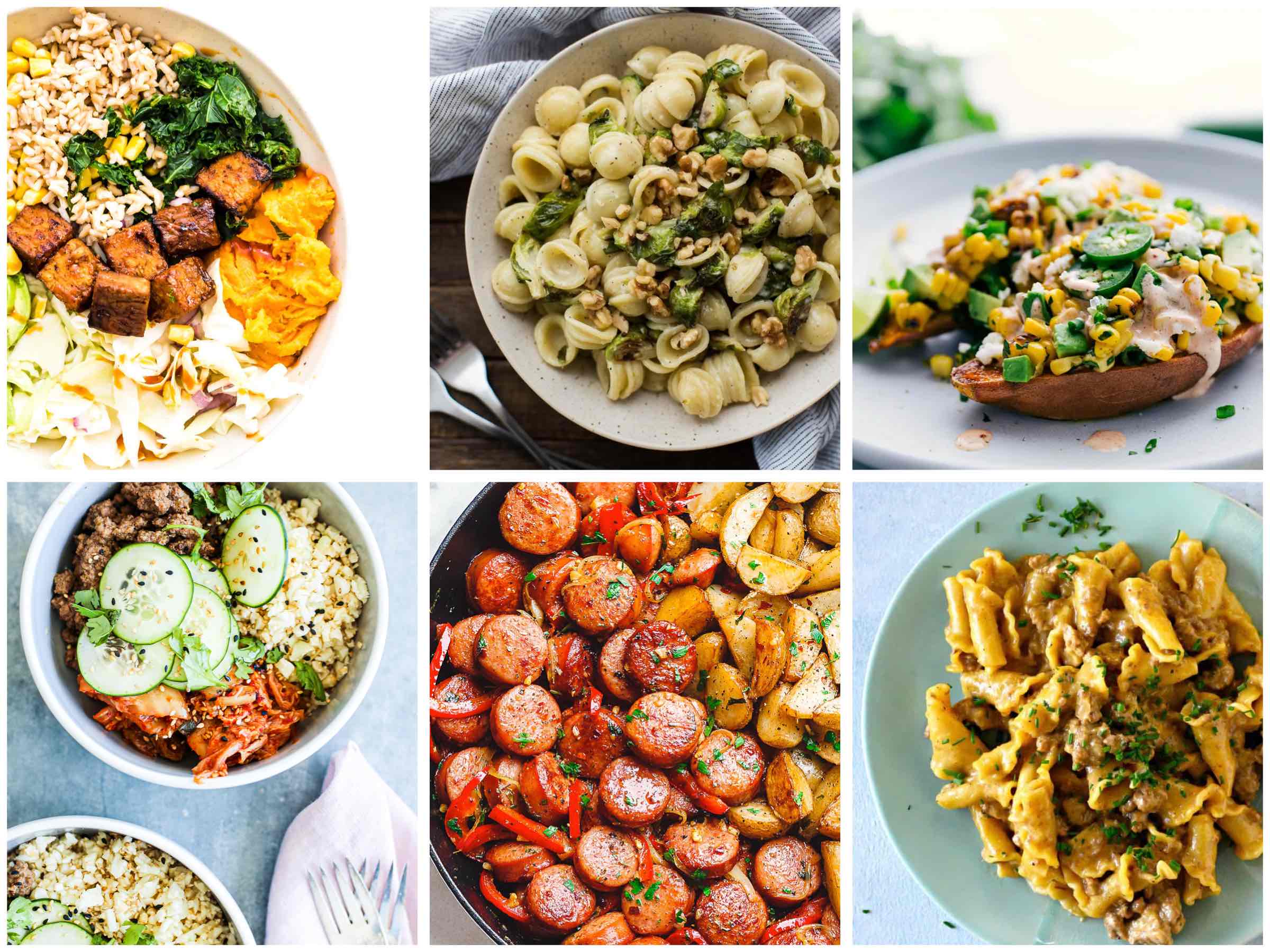
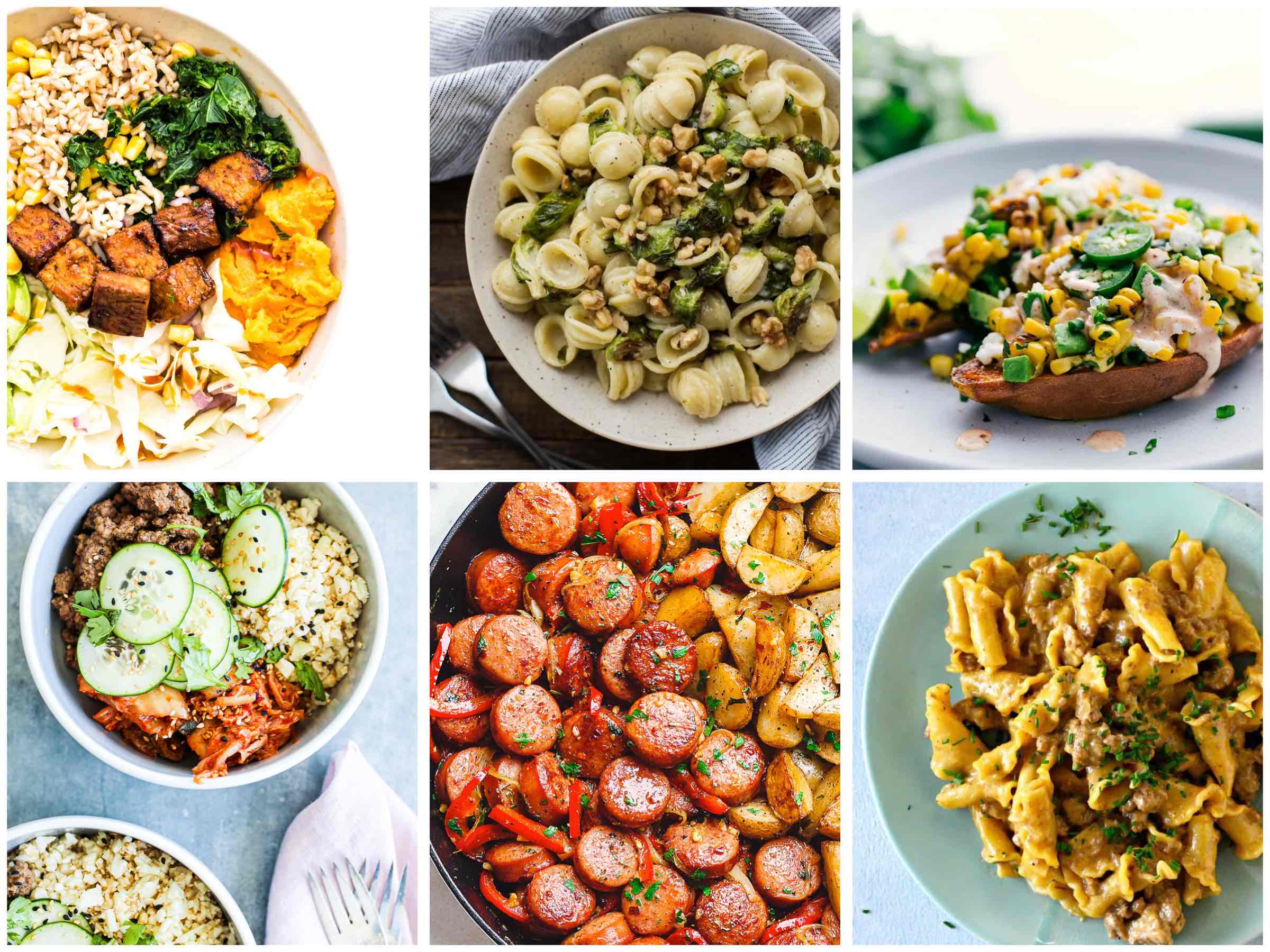
Today’s supermarket suggestions span global flavors and special diets—plant-based, lower-sodium, high-fiber—while phone-friendly QR codes link to short videos. Shoppers film their own spins and post them within minutes, creating a living, breathing cookbook that changes with every trend.
The Impact of Supermarket Recipes on Cooking Trends
Simplification of Cooking
Clear, numbered steps demystify techniques like searing or folding, giving beginners the courage to start and the vocabulary to grow. Cooking feels less like an exam and more like an open-book adventure.
Encouragement of Experimentation
When a suggested chili meets a half-bag of salad greens on the receipt, curious minds merge the two, birthing new week-night hybrids. These playful swaps often cross cultural lines, turning local pantries into miniature fusion labs.
Increased Accessibility
Affordable staples paired with quick methods lower the entry barrier for home cooking. A single parent, a student, or anyone short on time can leave the store with both ingredients and a plan, making balanced meals an everyday option rather than a weekend project.
The Role of Supermarket Recipes in Culinary Innovation

Inspiration for Chefs
Even seasoned professionals browse the aisles for sparks: a bottled dressing might inspire a deconstructed appetizer, while a boxed grain mix could evolve into a signature side. The dialogue between shelf suggestions and restaurant plates keeps creativity in constant motion.
Education and Skill Development
Repeating simple techniques—roasting vegetables, whisking a pan sauce—builds muscle memory. Over time, confidence replaces hesitation, and home cooks graduate to freestyle meals built on the same foundations.
Cultural Exchange
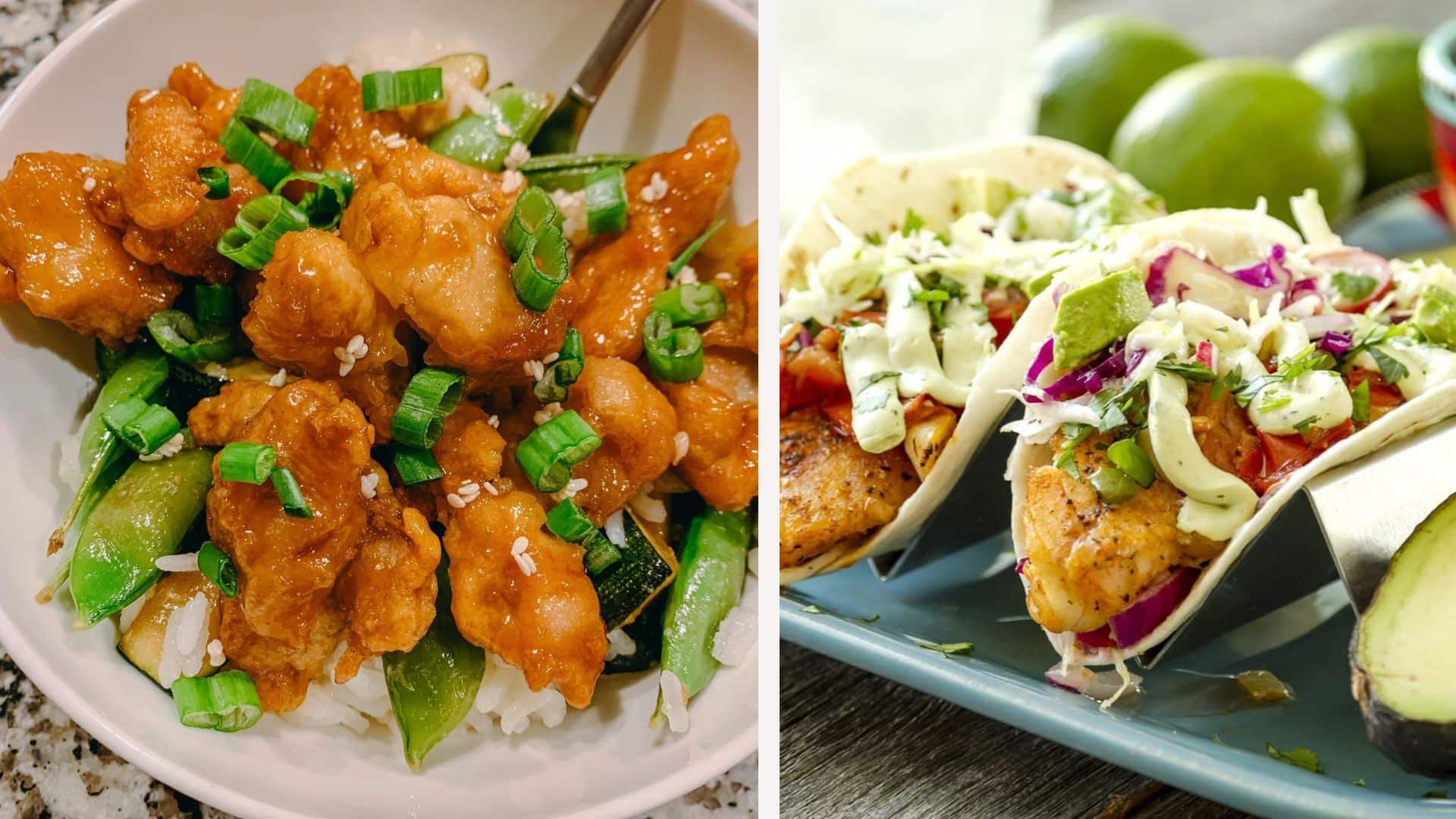
As international products line neighborhood shelves, their accompanying ideas travel too. A jar of curry paste introduces simmering spices, while a packet of miso invites gentle umami, letting kitchens become tasting rooms for flavors once found only abroad.
Conclusion
Supermarket recipes have moved far beyond marketing footnotes; they are quiet teachers, creative partners, and bridges to healthier routines. By turning groceries into guidance, they keep the act of cooking fresh, friendly, and open to everyone pushing a cart.
Recommendations and Future Directions
To strengthen their positive influence, consider these steps:
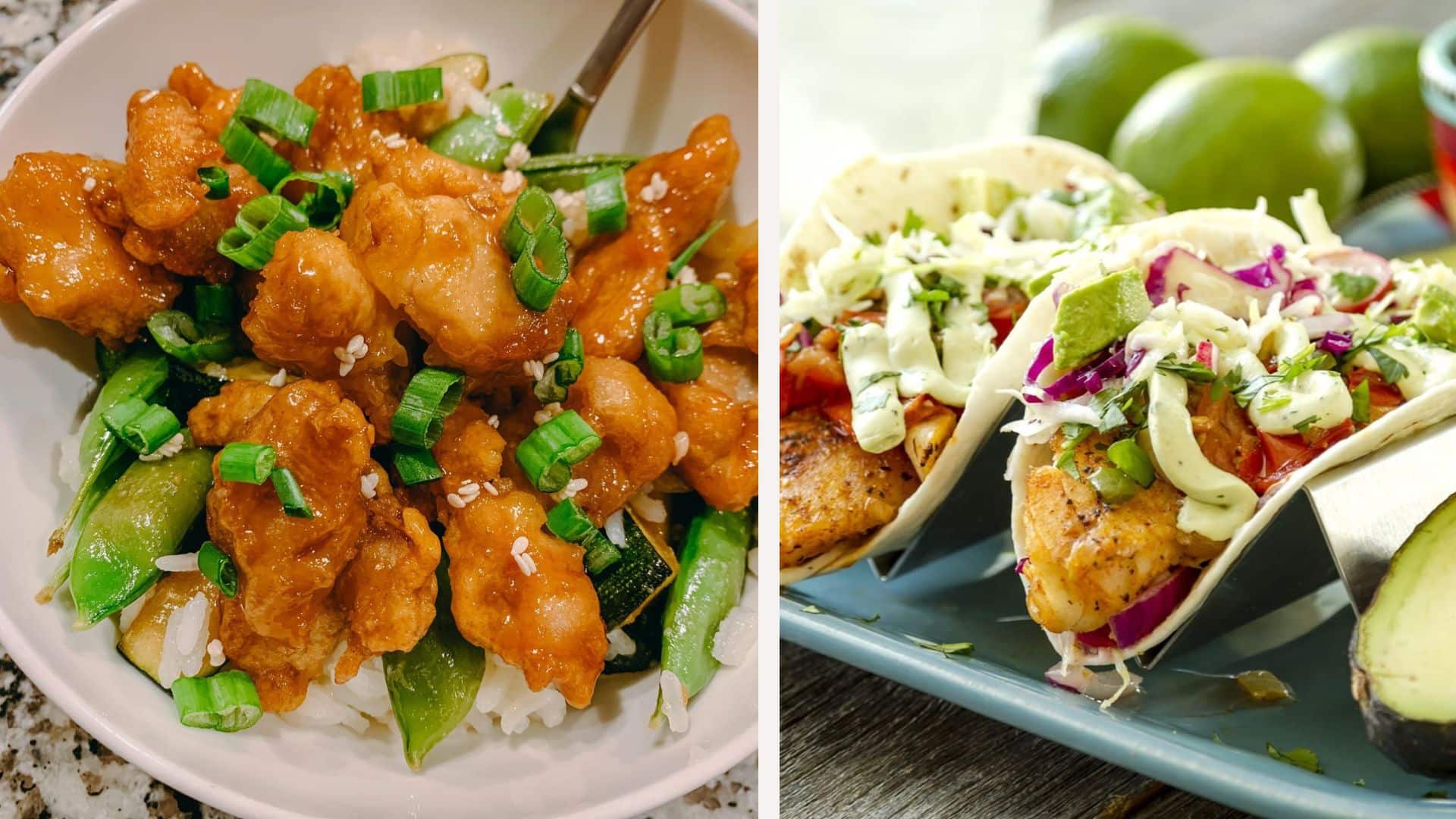
1. Add Clear Nutrition Notes: Straightforward labels help shoppers balance plates without guesswork.
2. Celebrate Variety: Featuring dishes rooted in multiple traditions invites more people to the table.
3. Encourage Sharing: Digital boards where customers post photos and tweaks nurture community pride.
Future exploration could include:
1. Health Tracking: Long-term studies on how shelf-side suggestions shape overall diet quality.
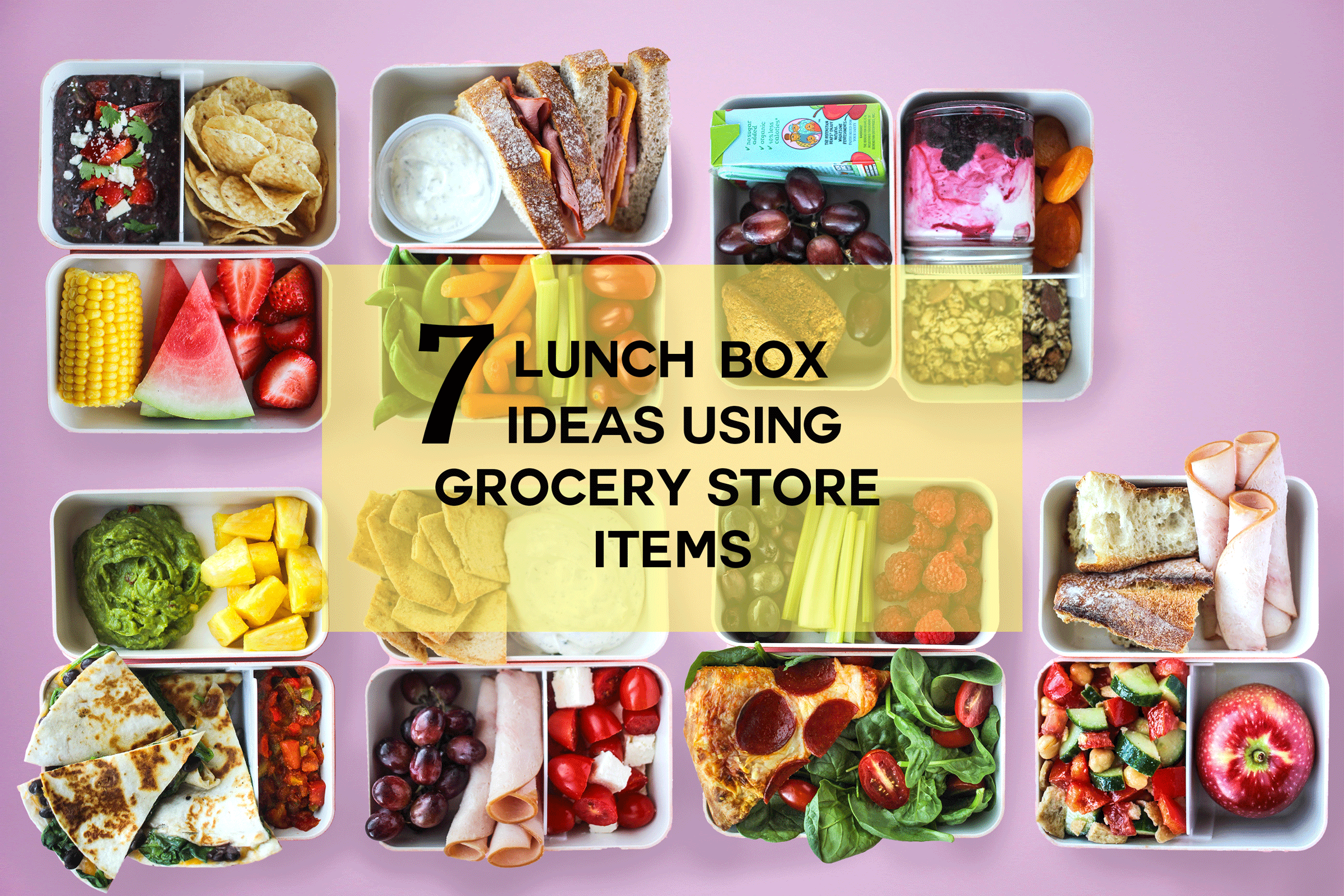
2. Tech Enhancements: Apps that adjust serving sizes, swap allergens, or guide first-time cooks through live video.
In the end, the humble recipe card hanging above the tomatoes is more than a sales tool—it is an open invitation to create, taste, and connect.


