


The Art and Science of Turning Ingredients into a Meal
Introduction
The path from raw produce to a satisfying plate is both an artistic gesture and a scientific process. Every element that goes into a dish—whether plant, grain, or protein—undergoes changes in flavor, texture, and aroma before it reaches the table. This article explores how thoughtful selection, cultural background, and nutritional awareness shape the way we cook and eat. By tracing the life of an ingredient from market to meal, we gain a deeper respect for the craft of cooking and its influence on daily well-being.
The Importance of Ingredients
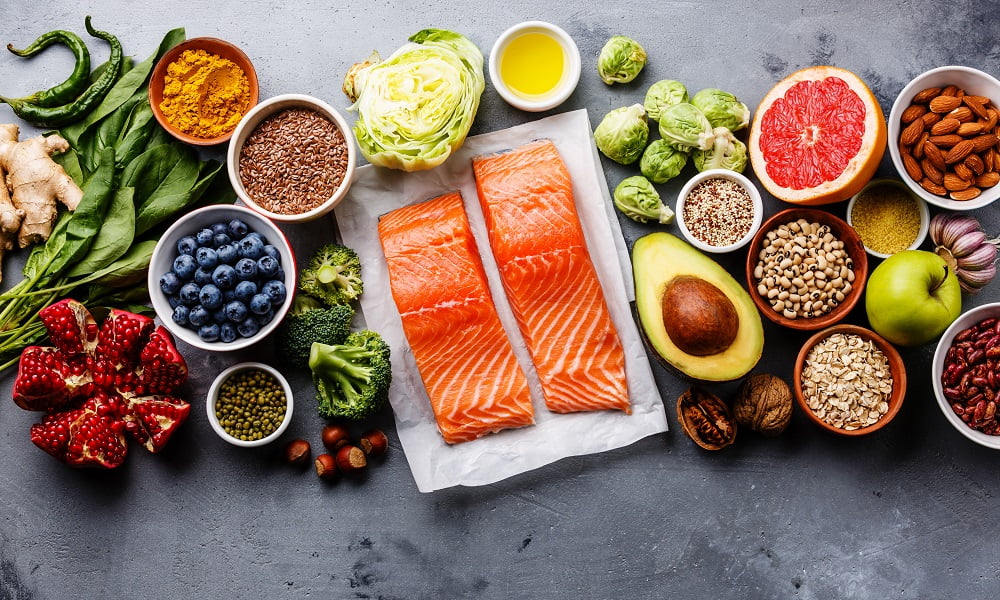
Whatever lands in the pot first determines the character of the final dish. Color, fragrance, and nutrient density all begin with the raw materials, so understanding how different items interact is the first step toward consistent, vibrant cooking.
Quality over Quantity
Fresh, seasonal produce usually offers brighter taste and denser nutrients than items that have traveled long distances or spent weeks in storage. A single ripe tomato picked at peak maturity can outperform a basket of bland ones, proving that ingredient integrity often matters more than volume.
Versatility and Compatibility
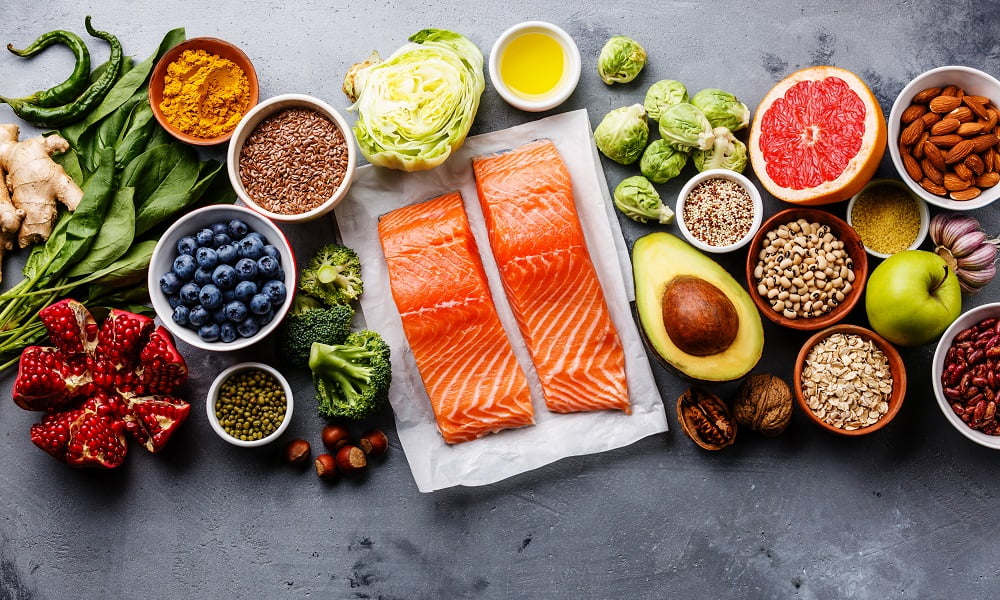
Each food brings its own personality—earthy, sweet, acidic, or nutty. Successful pairings balance contrast and harmony: the sweetness of roasted root vegetables softens the peppery bite of leafy greens, while a squeeze of citrus can lift the richness of grilled fish.
The Art of Cooking
Translating raw components into a cohesive dish calls for technique, timing, and imagination. Heat, salt, acid, and fat are the painter’s palette; knives, pans, and flame are the brushes.
Cooking Techniques
Sautéing quickly in a hot pan seals in color and creates delicate caramel notes. Roasting, on the other hand, coaxes out deeper sweetness through steady, dry heat. Matching the method to the ingredient preserves texture and maximizes flavor.
Seasoning and Flavors
A pinch of salt brightens natural sugars, a bay leaf perfumes a stew, and a splash of vinegar can sharpen an otherwise flat sauce. Layering seasonings throughout the process—rather than only at the end—builds complexity without overwhelming the core taste.
Cultural Influences on Ingredients to Meal
Traditional cuisines offer time-tested blueprints for combining staples and spices. These patterns reveal how geography, climate, and history guide what ends up on the plate.
Global Flavors

Trade routes and migration have long circulated chilies, citrus, and aromatics across continents. Today, a home cook in any city might simmer coconut milk with lemongrass, fold miso into mashed potatoes, or spice roasted chickpeas with smoked paprika—each act a quiet nod to cross-cultural exchange.
Traditional Cooking Methods
Ancient practices such as fermenting, smoking, or slow-braising were born from preservation needs, yet they also deepen flavor. Kimchi, sauerkraut, and pickled onions illustrate how time and microbes can transform texture while boosting beneficial compounds.
Nutritional Aspects of Ingredients to Meal
How we handle food affects more than taste; it can enhance or diminish vitamins, minerals, and fiber.
Nutrient Retention
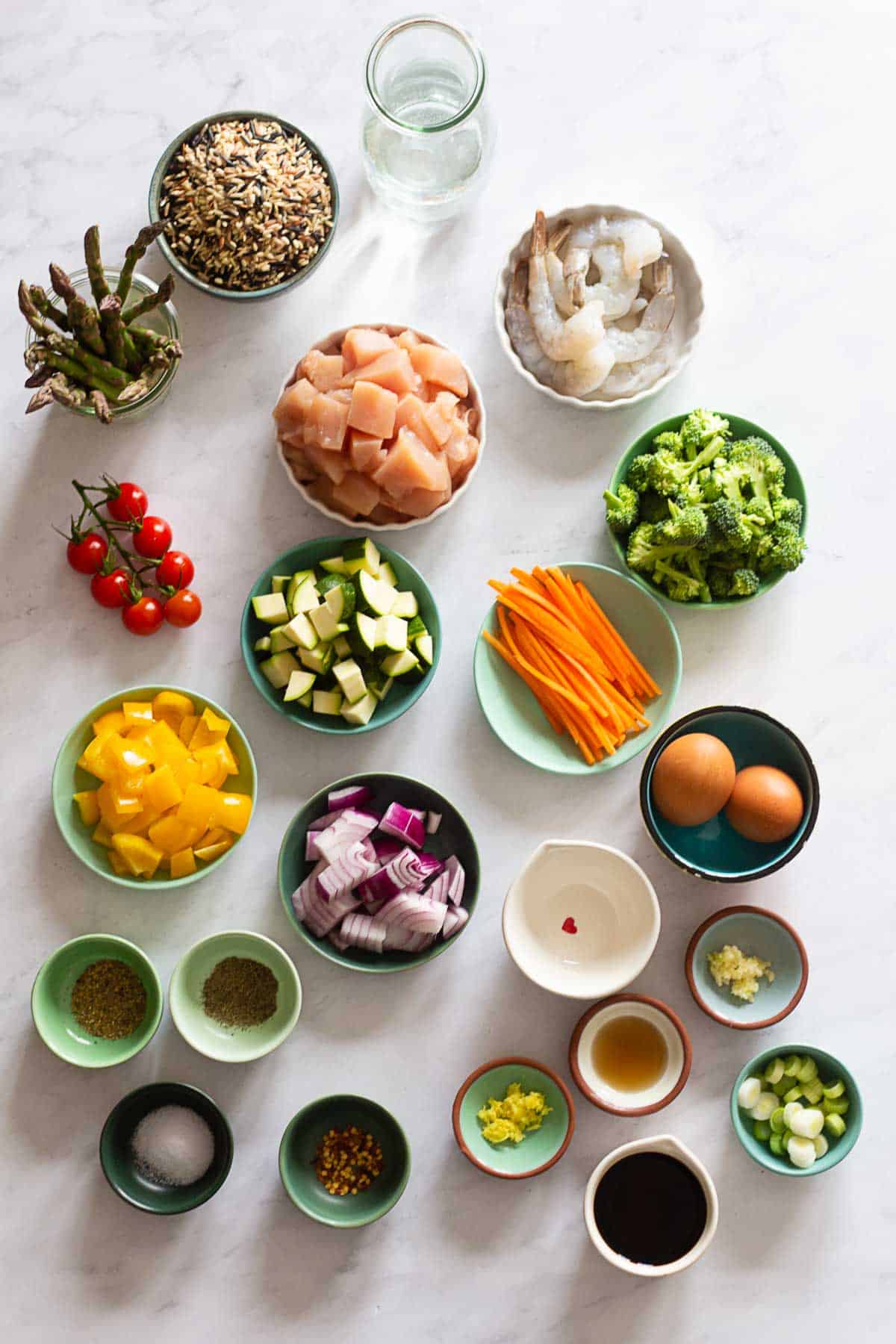
Gentle steaming keeps water-soluble vitamins from leaching away, while rapid stir-frying limits exposure to heat and oxygen. Leaving the skin on certain vegetables or cooking them whole can further reduce nutrient loss.
Balanced Diet
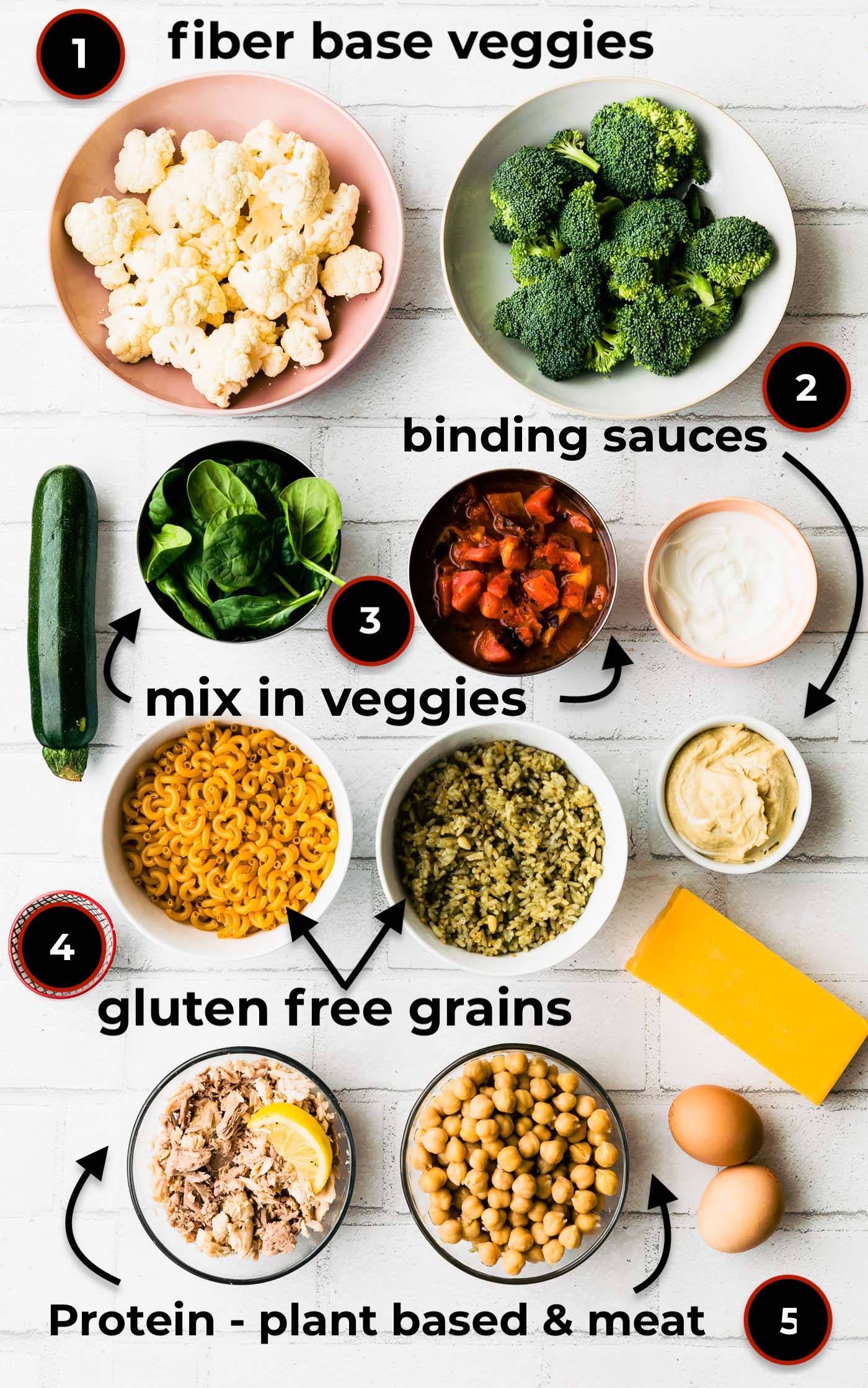
Combining diverse plant foods with quality proteins and whole grains creates meals that supply steady energy and a spectrum of micronutrients. A colorful bowl usually signals a wider range of antioxidants and vitamins than a monotone one.
Conclusion
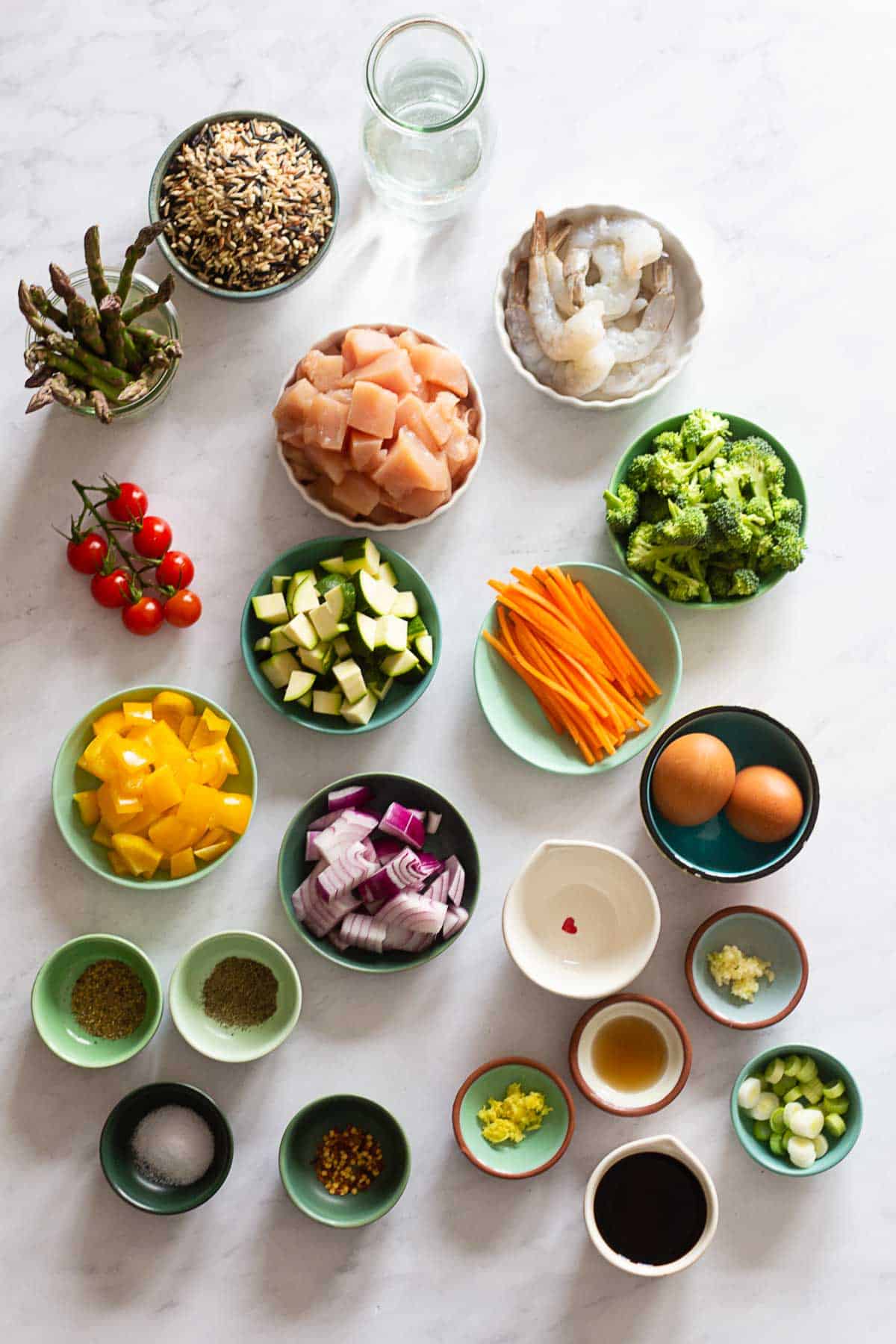
Cooking weaves science, creativity, and heritage into everyday life. By choosing fresh produce, mastering basic techniques, and respecting cultural wisdom, we turn simple ingredients into nourishing experiences. Each meal becomes an opportunity to support health, celebrate diversity, and share stories around the table.
Recommendations and Future Research
To keep improving both flavor and nutrition, consider the following steps:
1. Seek out seasonal, locally grown produce whenever possible to heighten taste and reduce environmental impact.
2. Invest in basic culinary lessons—knowing how to handle a knife, control heat, and balance seasoning empowers confident, healthful cooking.
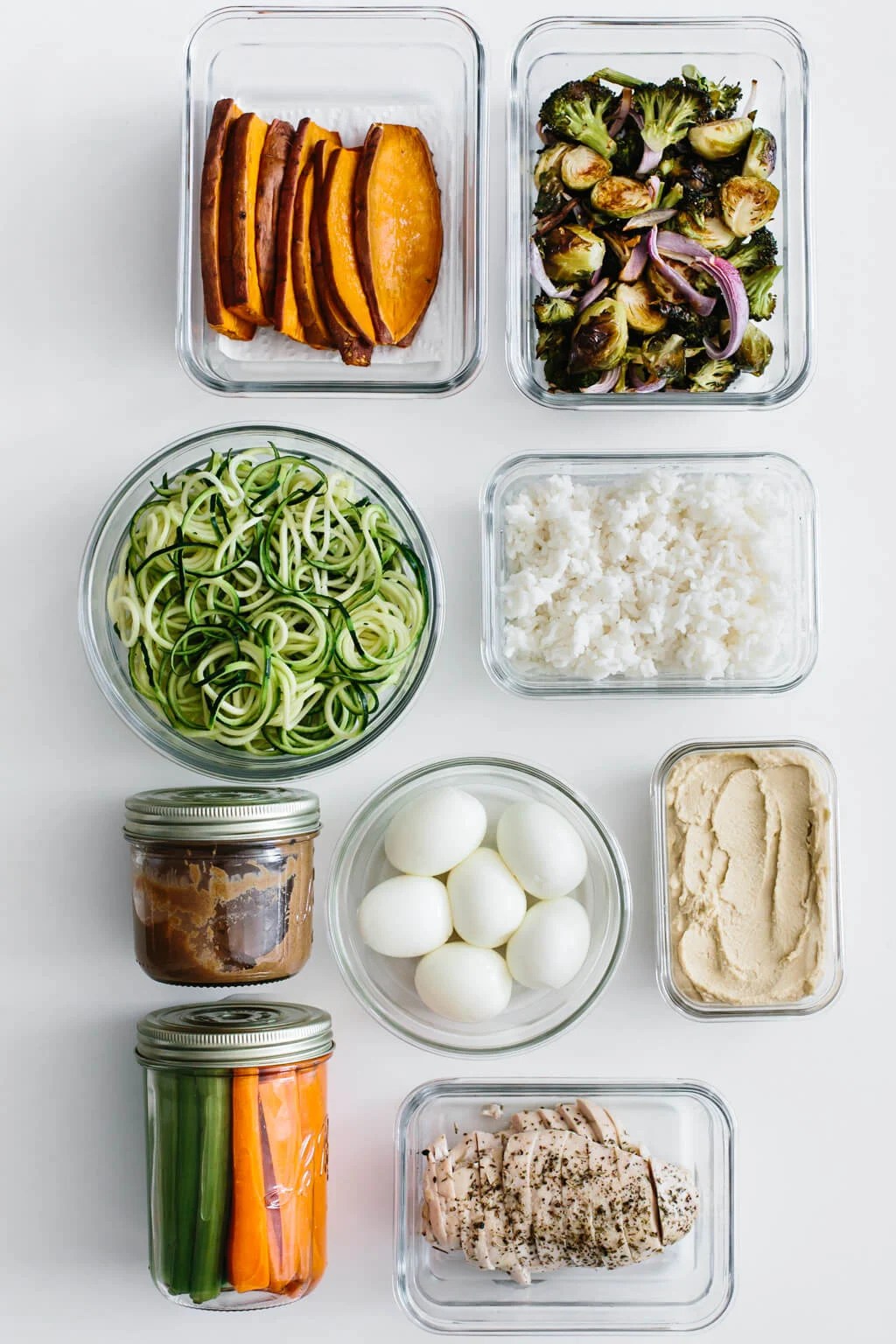
3. Stay curious about emerging research on cooking methods and nutrient retention; small adjustments, such as shorter cooking times or lower temperatures, can yield significant benefits.
By continuing to explore the interplay of ingredients, techniques, and culture, we can craft meals that are as wholesome as they are delicious, fostering well-being for both people and planet.


