

What Can You Cook: Exploring Culinary Possibilities and Techniques
Introduction
Cooking is a universal language that bridges cultures and generations. It invites creativity, nurtures the body, and brings people together. When we ask, “What can you cook?” we are really asking about curiosity, confidence, and the willingness to experiment. This article celebrates the countless paths a cook can take, from everyday basics to more adventurous methods, and invites you to discover the potential waiting inside your own kitchen.

Basic Cooking Techniques
1. Sautéing
Sautéing quickly cooks small, evenly cut ingredients in a thin film of oil over lively heat. Success depends on attentive stirring and timing so each piece browns without burning. A steady hand and a hot pan turn simple vegetables or protein into a vibrant, flavorful dish in minutes.
2. Baking
Baking surrounds food with gentle, dry heat, encouraging breads to rise, pastries to flake, and casseroles to bubble. Understanding how heat moves through an oven—and how ingredients like yeast or baking powder behave—helps home bakers achieve golden crusts and tender crumbs every time.

3. Boiling
Boiling submerges food in liquid at its highest temperature, softening pasta, grains, or vegetables quickly. A generous pinch of salt and a watchful eye keep colors bright and textures pleasant. When the timer rings, a quick drain or ice bath locks in freshness and prevents overcooking.
Advanced Cooking Techniques
1. Braising
Braising marries slow, moist heat with time, transforming sturdy cuts of meat or fibrous vegetables into fork-tender morsels. Aromatics, liquid, and low temperature work together, concentrating flavors while collagen gently melts into silky sauce. The method rewards patience with rich, comforting results.
2. Smoking
Smoking bathes ingredients in fragrant wood vapors, layering depth and subtle campfire nuance. Whether a quick hot smoke for weeknight chicken or a leisurely cold smoke for delicate cheese, controlling airflow and temperature lets cooks tailor intensity from whisper to roar.
3. Fermentation
Fermentation invites beneficial microbes to reimagine raw ingredients—milk becomes tangy yogurt, cabbage turns into crisp kraut, and fruit sparkles into lively kombucha. The process heightens umami, preserves nutrients, and adds bright acidity that enlivens any plate.
Culinary Possibilities
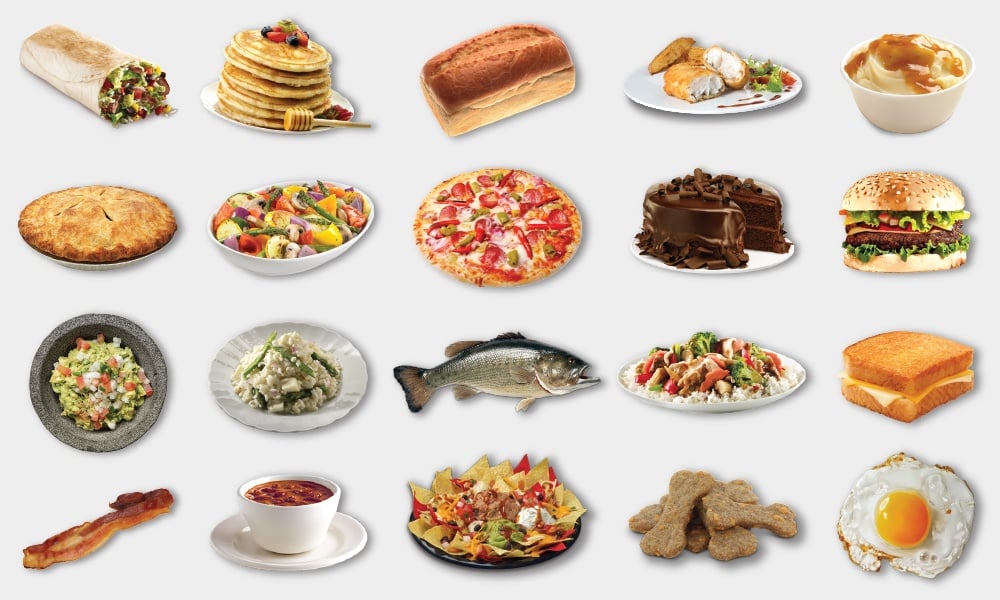
Your only limit is imagination. Combine classic comfort with global accents, swap seasonal produce at will, or invent entirely new pairings. Every pantry holds seeds of inspiration; every technique offers a fresh lens. The kitchen remains an open studio where curiosity sketches tomorrow’s dinner.
Conclusion
Cooking is a journey without a final destination. Each question—“What can you cook?”—sparks another round of tasting, tweaking, and sharing. By practicing foundational skills and staying open to novel flavors, anyone can turn humble ingredients into meals that comfort, surprise, and connect.
Recommendations and Future Research
To keep the momentum going, curious cooks can:
1. Join local or online classes to watch techniques in action and ask questions in real time.
2. Set playful challenges—new spice, unfamiliar grain, or meatless Monday—to stretch creativity.
3. Browse diverse cookbooks, food blogs, and documentaries for cross-cultural ideas.
4. Follow farmers’ markets and seasonal calendars to let freshness guide the menu.
Future exploration might include:
1. How shifting weather patterns influence ingredient availability and regional recipes.
2. Emerging kitchen tech, from precision cookers to plant-based proteins, and their effect on flavor and sustainability.
3. The social and emotional rewards of gathering around a shared table.
By continually asking “What can you cook?” and savoring each answer, we feed both body and spirit while keeping the culinary story deliciously alive.


