

Understanding and Exploring Food Web Ideas: A Comprehensive Analysis
Introduction
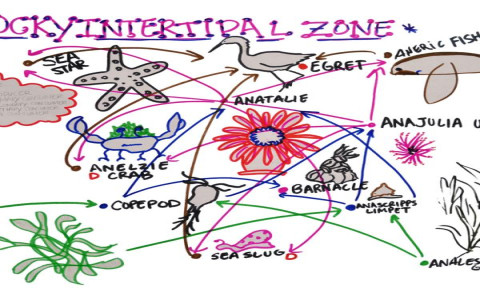
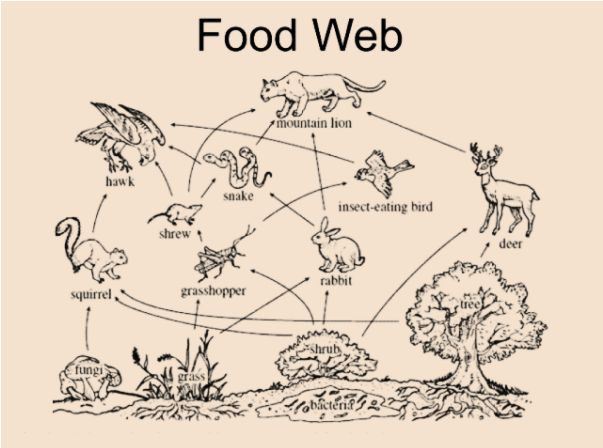
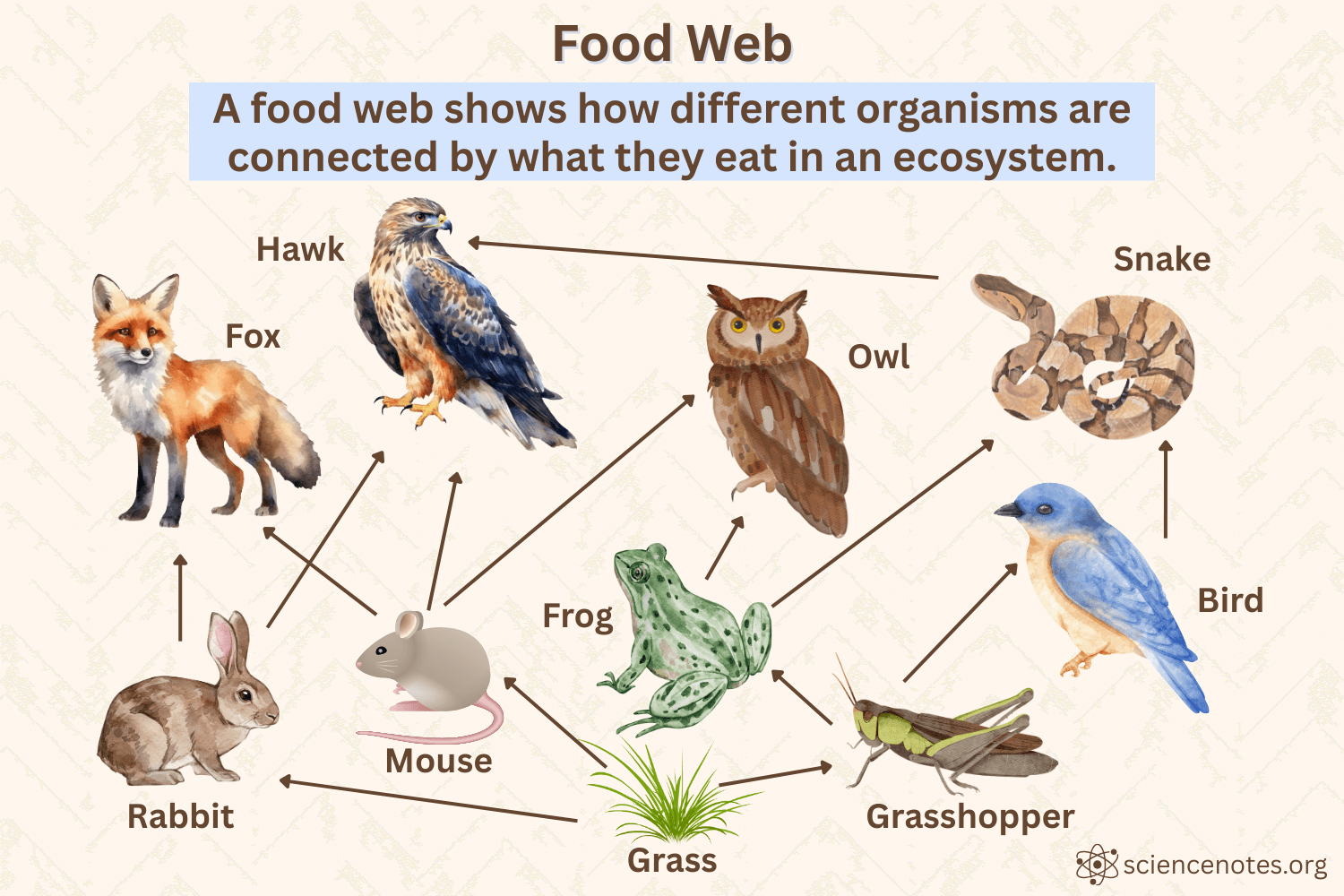
Food webs are intricate networks that illustrate how organisms feed on one another within an ecosystem. They offer a clear framework for tracing the movement of energy and nutrients across different feeding levels. This article explores the core ideas behind food webs, highlighting their importance, key parts, and the varied approaches researchers use to interpret these dynamic systems. By studying the links and dependencies inside a food web, we can better understand how ecosystems remain stable or recover after disturbance.
The Concept of Food Webs
Definition and Structure
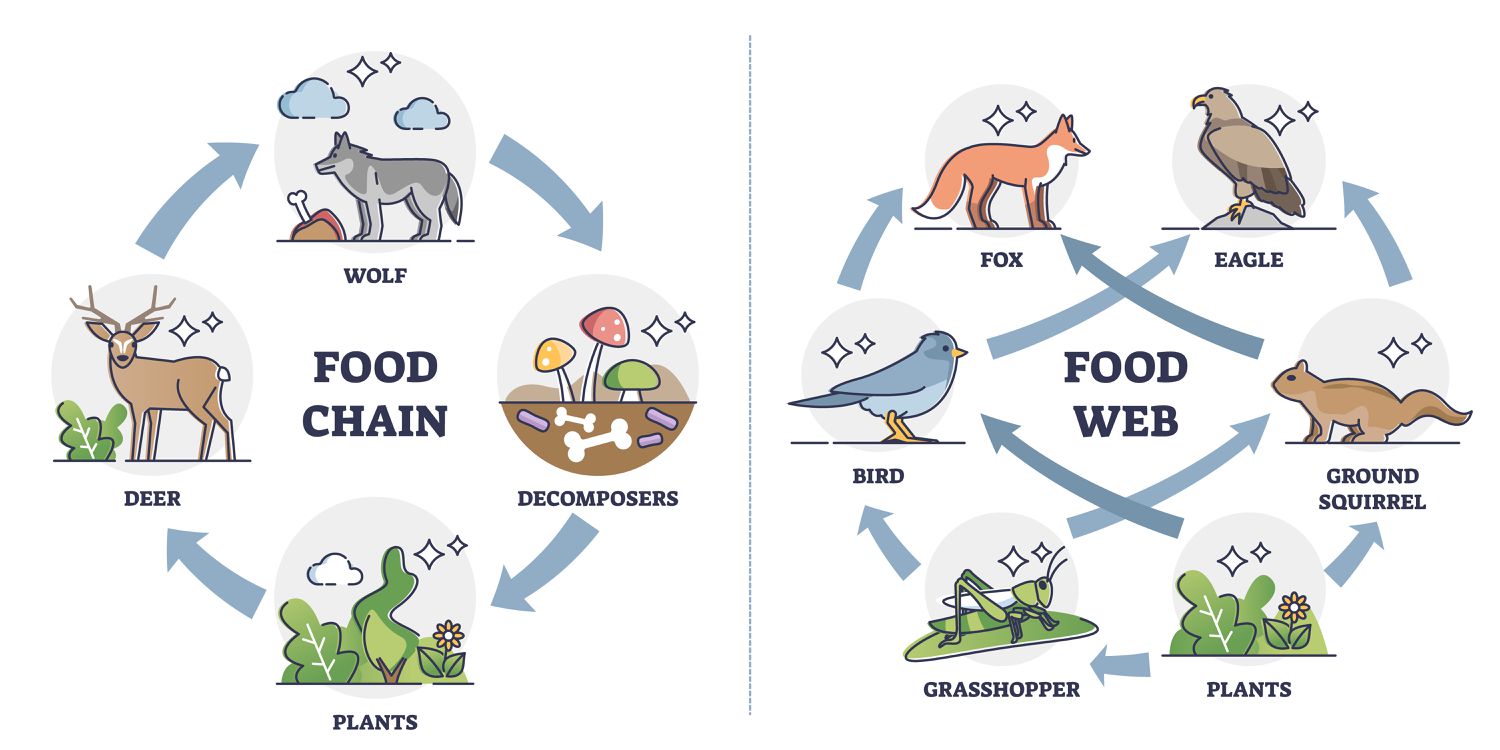
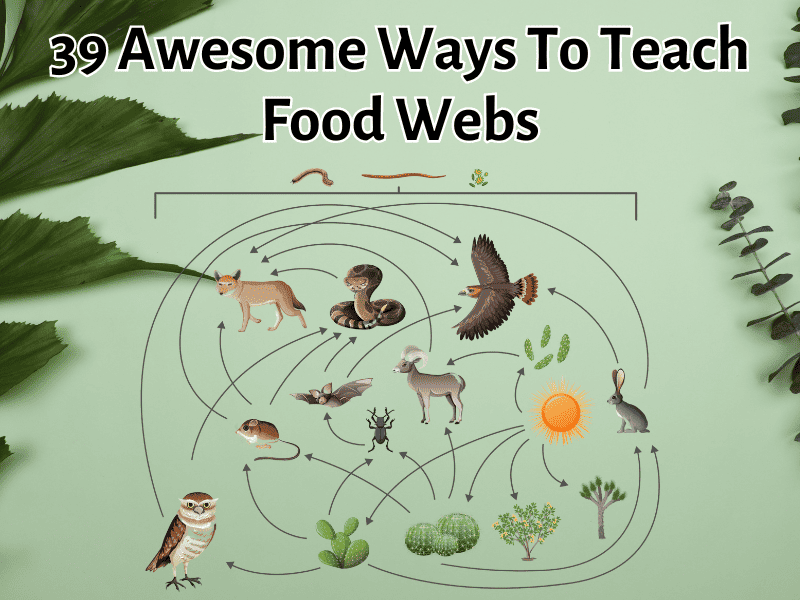
A food web is a rich map of overlapping food chains in a given habitat. It charts the passage of energy and nutrients from primary producers such as green plants and algae to herbivores, carnivores, omnivores, and finally to decomposers like microbes. Every organism sits at a specific trophic level that defines its role in moving energy forward.
Types of Food Webs
Scientists often speak of several broad styles:
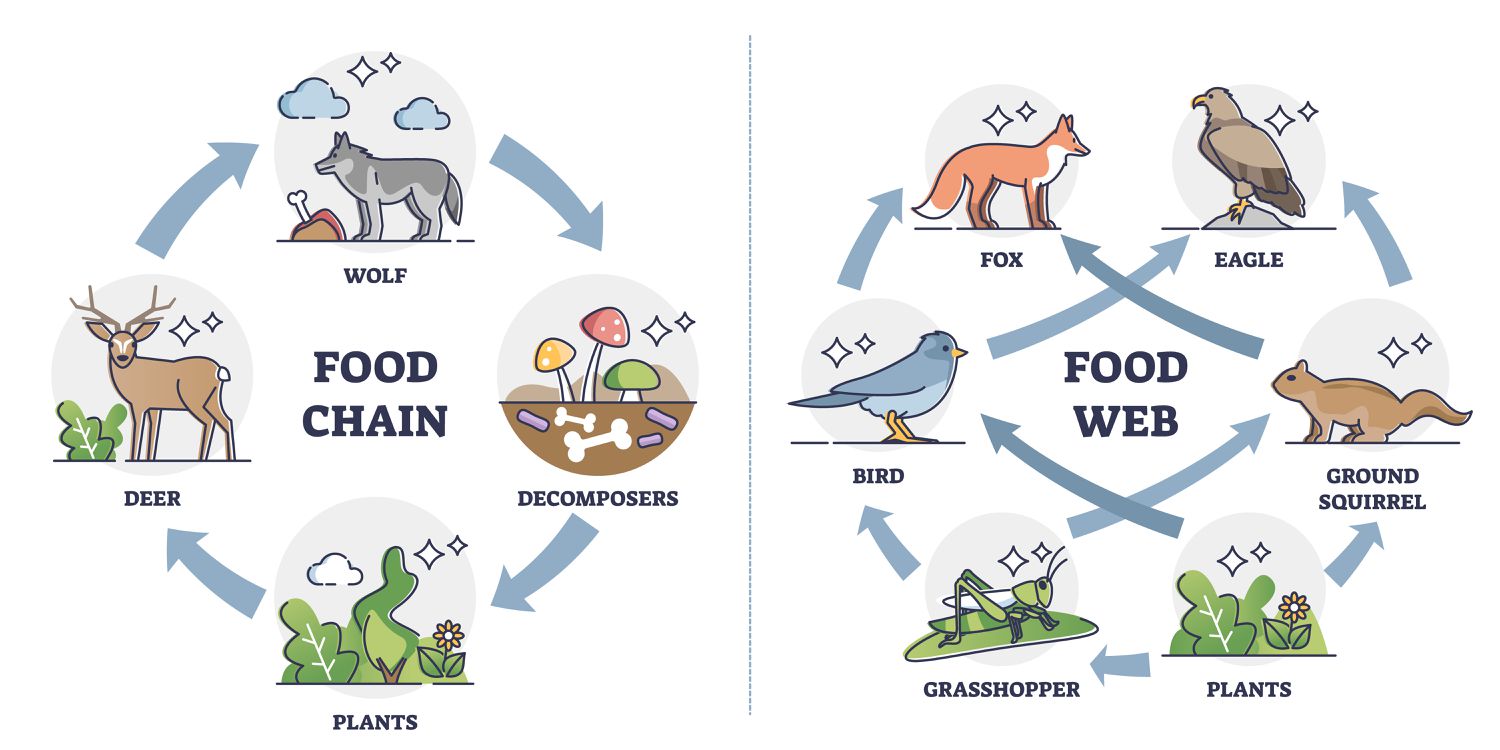
– Simple Food Web: a straightforward chain linking only a handful of species.
– Complex Food Web: a densely woven network with many species and multiple feeding layers.
– Trophic Pyramid: a diagram that shows how both energy and numbers decline as one moves up the feeding ladder.
Components of Food Webs
Producers
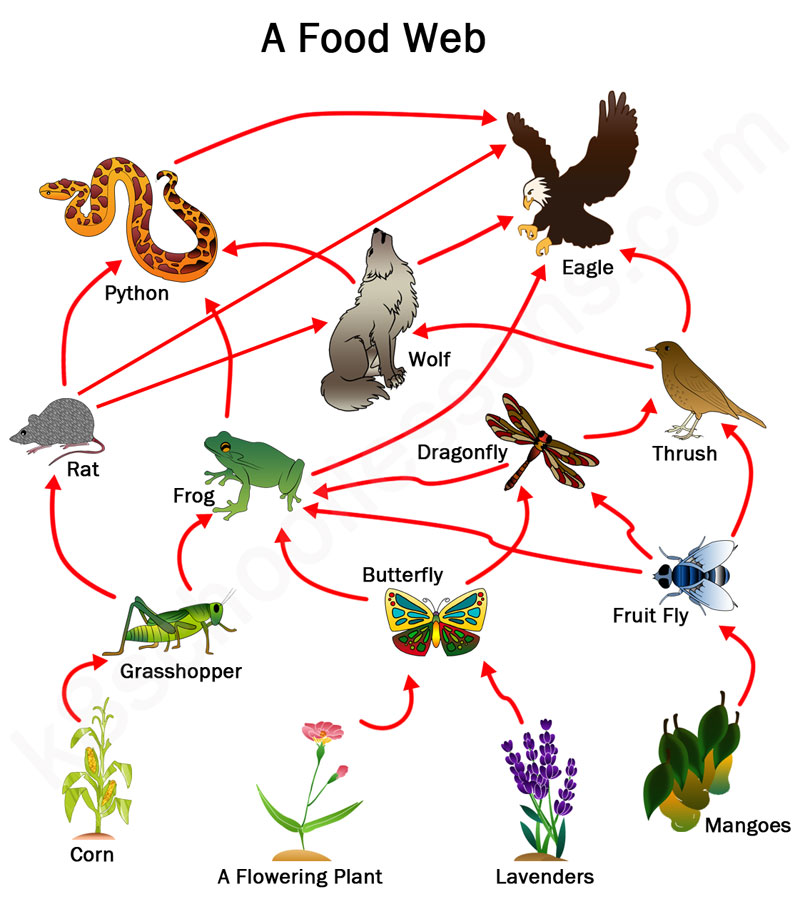
Producers—mainly plants, algae, and some bacteria—form the base. Through photosynthesis or chemosynthesis they turn raw energy into organic matter that fuels the rest of the system.
Consumers
Consumers acquire energy by eating other organisms. They fall into three familiar groups:
– Herbivores: animals that dine solely on plants.
– Carnivores: animals that prey on other animals.
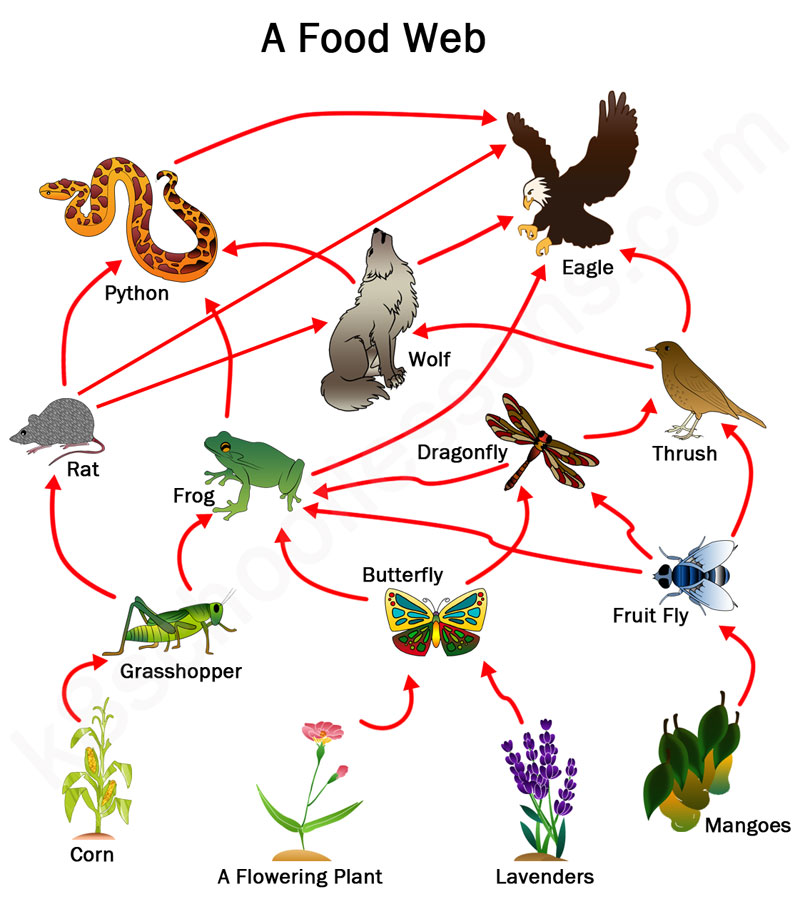
– Omnivores: species that eat both plant and animal matter.
Decomposers
Decomposers such as fungi and soil bacteria break down dead tissue, releasing nutrients back into soil and water so producers can reuse them.
Interactions within Food Webs
Trophic Levels
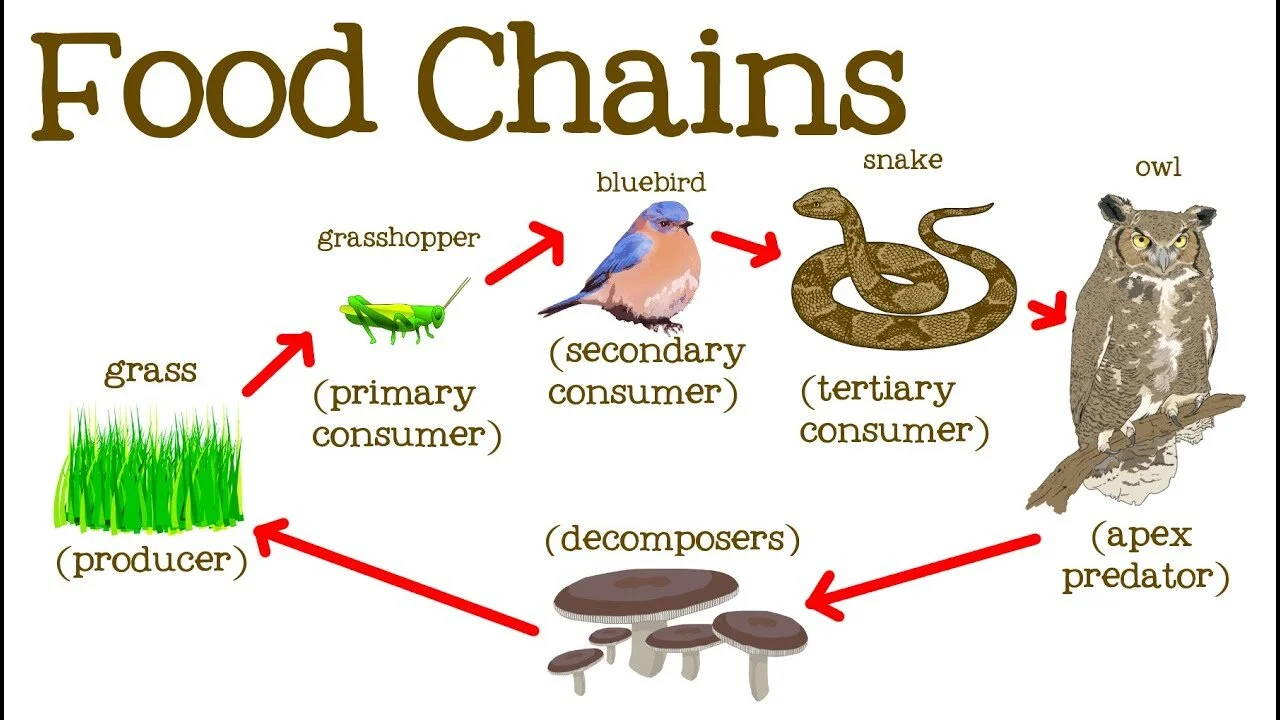
Trophic levels indicate an organism’s feeding position. Producers occupy the first level, plant-eaters the second, meat-eaters the third, and so on. Each step involves a transfer of energy, with losses along the way.
Food Chains and Food Webs
A food chain is a single linear sequence, whereas a food web bundles many chains together, revealing the full suite of dietary connections within a habitat.
Mutualism, Commensalism, and Predation
Three common interaction types shape food webs:
– Mutualism: both partners benefit.
– Commensalism: one benefits, the other remains unaffected.
– Predation: one organism captures and consumes another.
Significance of Food Webs
Energy Flow and Nutrient Cycling
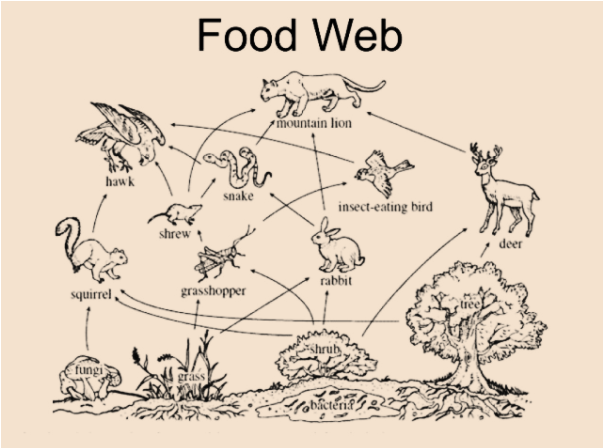
Food webs clarify how energy captured from the sun or chemicals is passed along and how vital elements such as nitrogen and phosphorus are recycled.
Ecosystem Stability and Resilience
Diverse webs can buffer ecosystems against shocks. When multiple prey or predator options exist, population swings are less likely to cascade into collapse.
Conservation and Management
Recognizing key links in a food web guides protection plans. Managers can prioritize habitat for cornerstone species or restore missing interactions to revive ecosystem health.
Challenges in Studying Food Webs
Complexity
The sheer number of species and links makes it hard to predict how a web will respond to change.
Data Collection
Gathering reliable feeding data demands extensive field observation, lab work, and long-term monitoring.
Scale and Heterogeneity
Food webs vary from tiny ponds to vast oceans, and their structure shifts with geography, season, and climate, complicating comparisons.
Future Directions in Food Web Research
Advances in Technology
Remote cameras, environmental DNA, and stable-isotope analysis are sharpening our ability to detect elusive interactions.
Integration of Multiple Data Sources
Combining field notes, satellite imagery, and computer models yields richer, more accurate pictures of who eats whom.
Long-Term Studies
Multi-decade datasets will reveal how food webs adapt to gradual changes such as warming temperatures or shifting land use.
Conclusion
Food web thinking is indispensable for grasping the delicate ties that keep ecosystems functioning. By mapping energy routes, identifying organism roles, and understanding interaction types, we gain vital clues about stability and resilience. Continued research will refine conservation tactics and help sustain the living networks that support life on Earth.


