


What Does Spoiled Broccoli Look Like?
Broccoli, a nutrient-dense vegetable, offers many health benefits, yet not every head is safe to eat. Recognizing when it has gone bad protects both flavor and well-being. This guide outlines the warning signs, common causes of spoilage, and simple steps to keep your broccoli fresh.
Why Broccoli Goes Bad
Several factors can shorten broccoli’s shelf life, including storage mistakes, age, and contamination. Below are the main culprits:
Poor Storage
Correct storage slows deterioration. When broccoli is left uncovered or placed in the wrong part of the fridge, it quickly wilts, yellows, and develops off-odors. Helpful habits include:
– Refrigeration: Keep it cold, ideally in the crisper drawer.
– Humidity: Slip the crown into a loosely closed produce bag to retain moisture without trapping condensation.
– Separation: Store it away from ethylene-producing produce so natural gases do not speed aging.
Age
Even under perfect conditions, broccoli loses firmness and bright color over time. After several days, florets may soften and taste slightly bitter, so earlier use is best.
Contamination
Soil, handling, or cross-contact can introduce microbes or chemical residues. A thorough rinse under cool running water just before cooking or eating lowers risk.
How to Spot Spoilage
Check for these red flags before preparation:
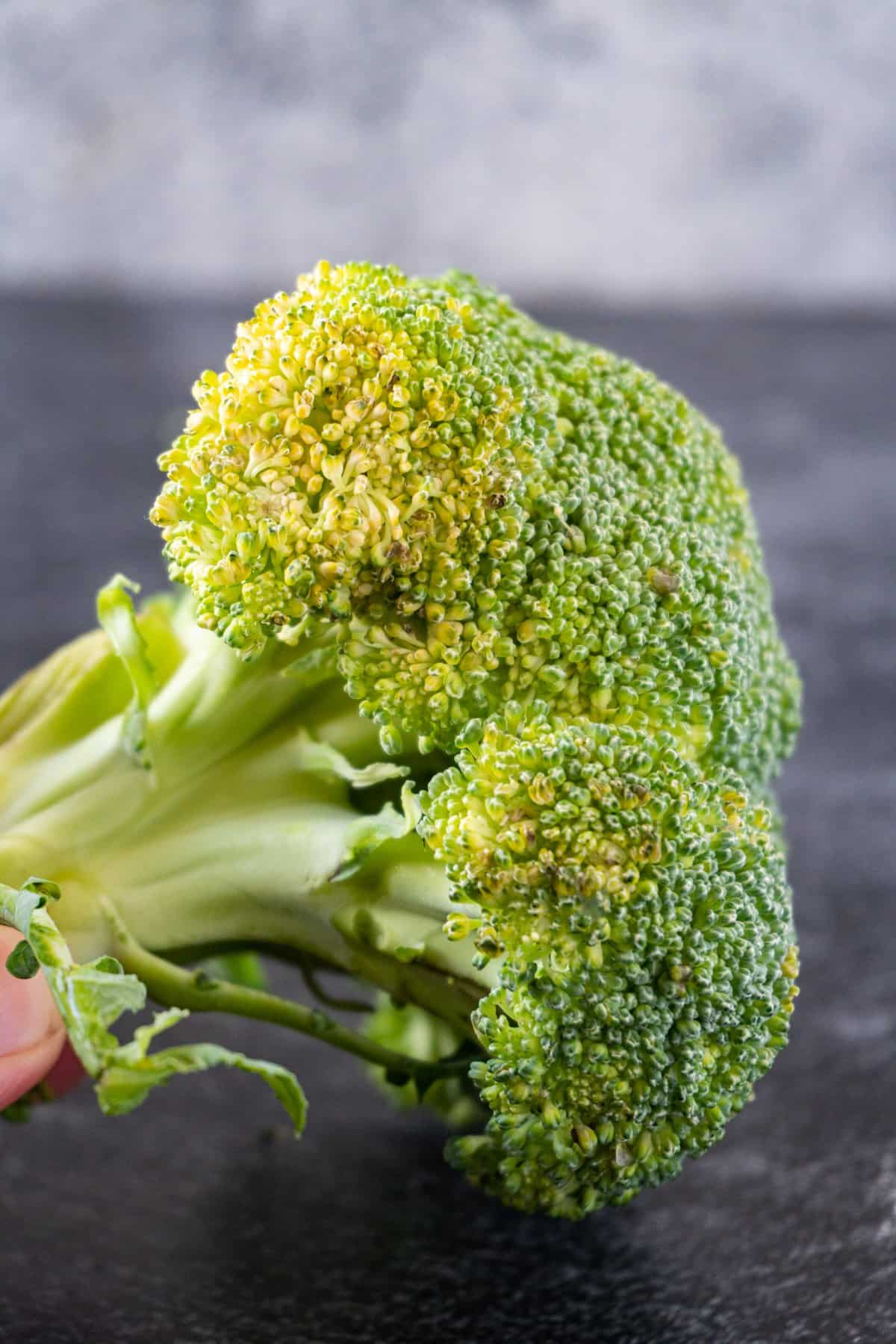
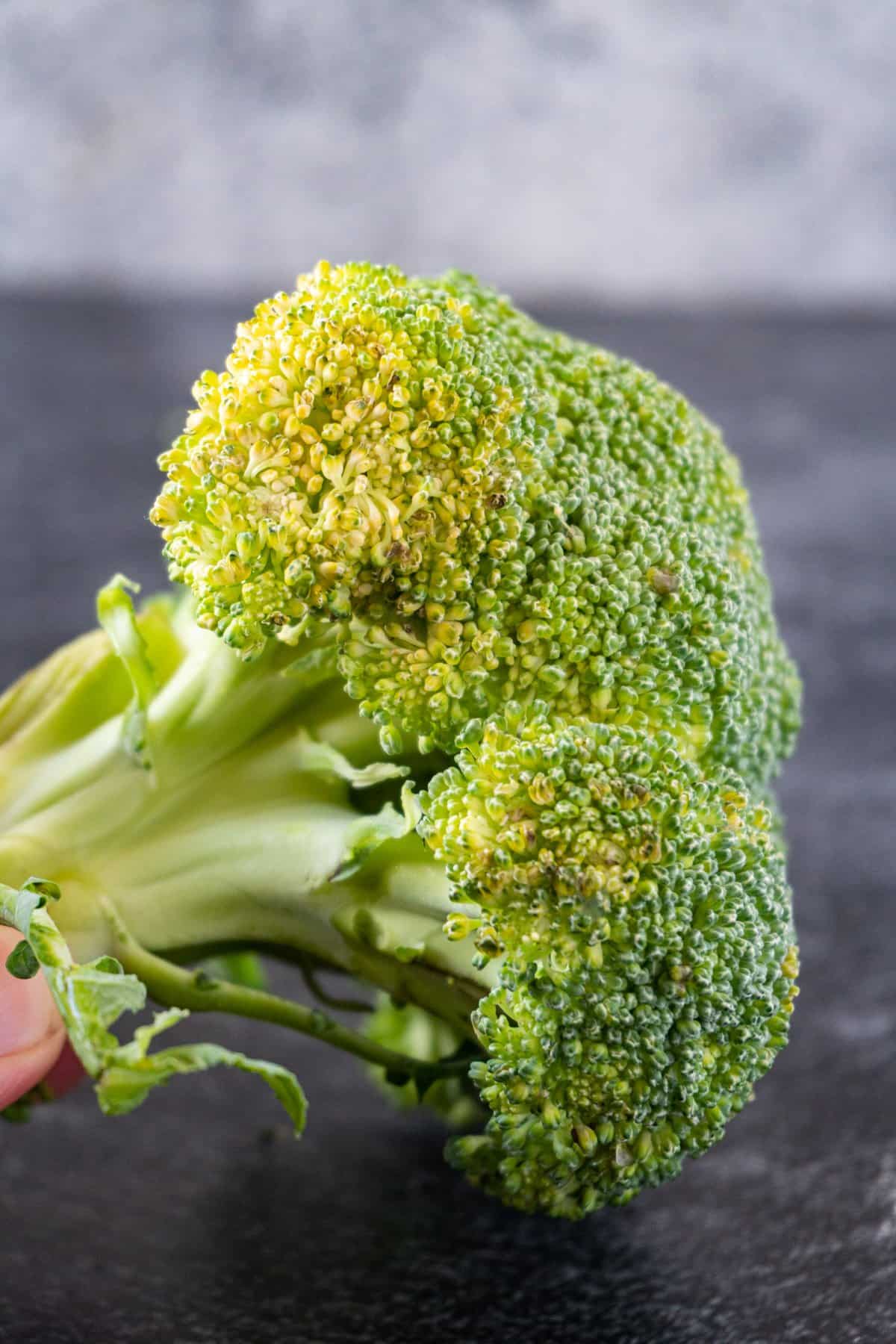
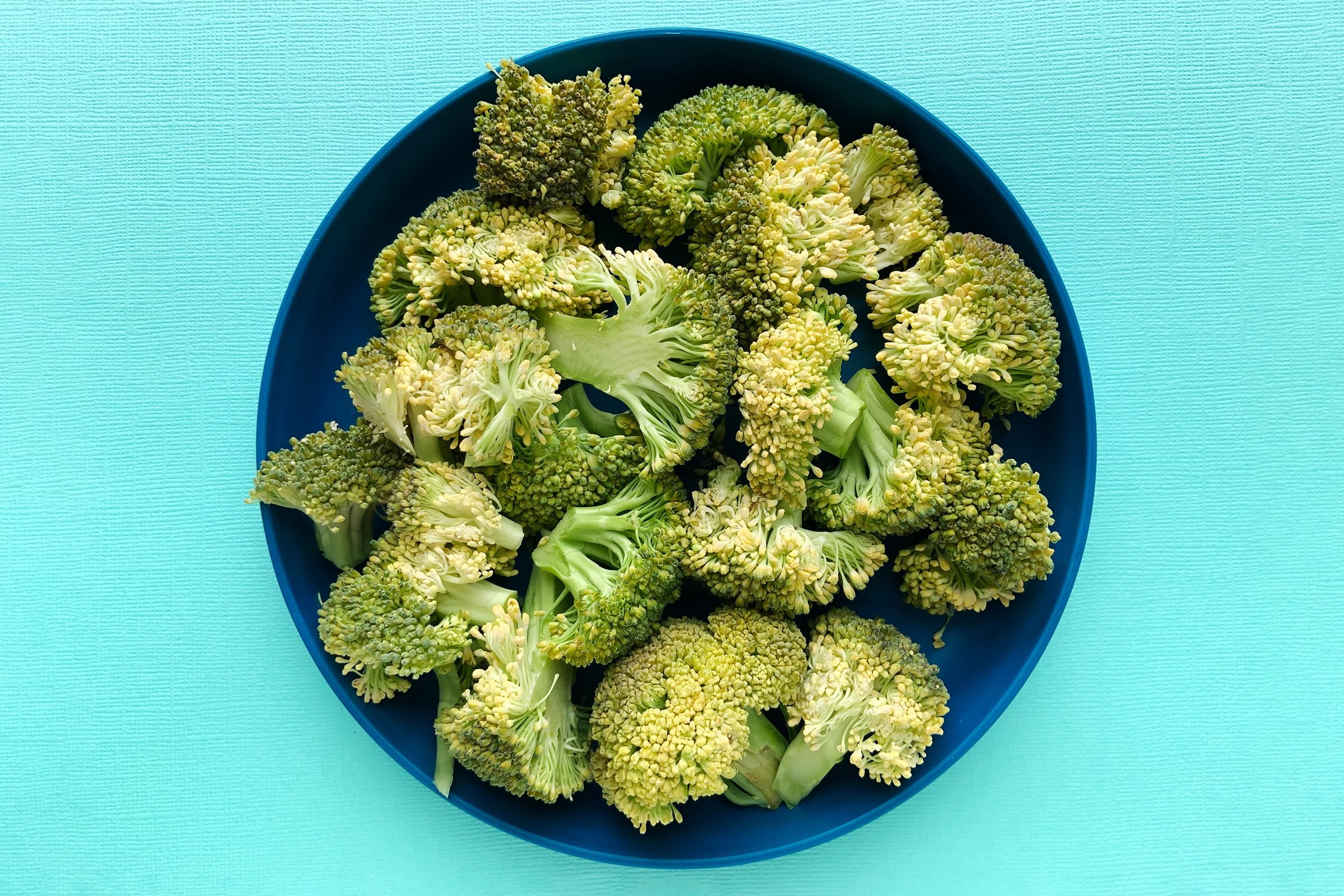
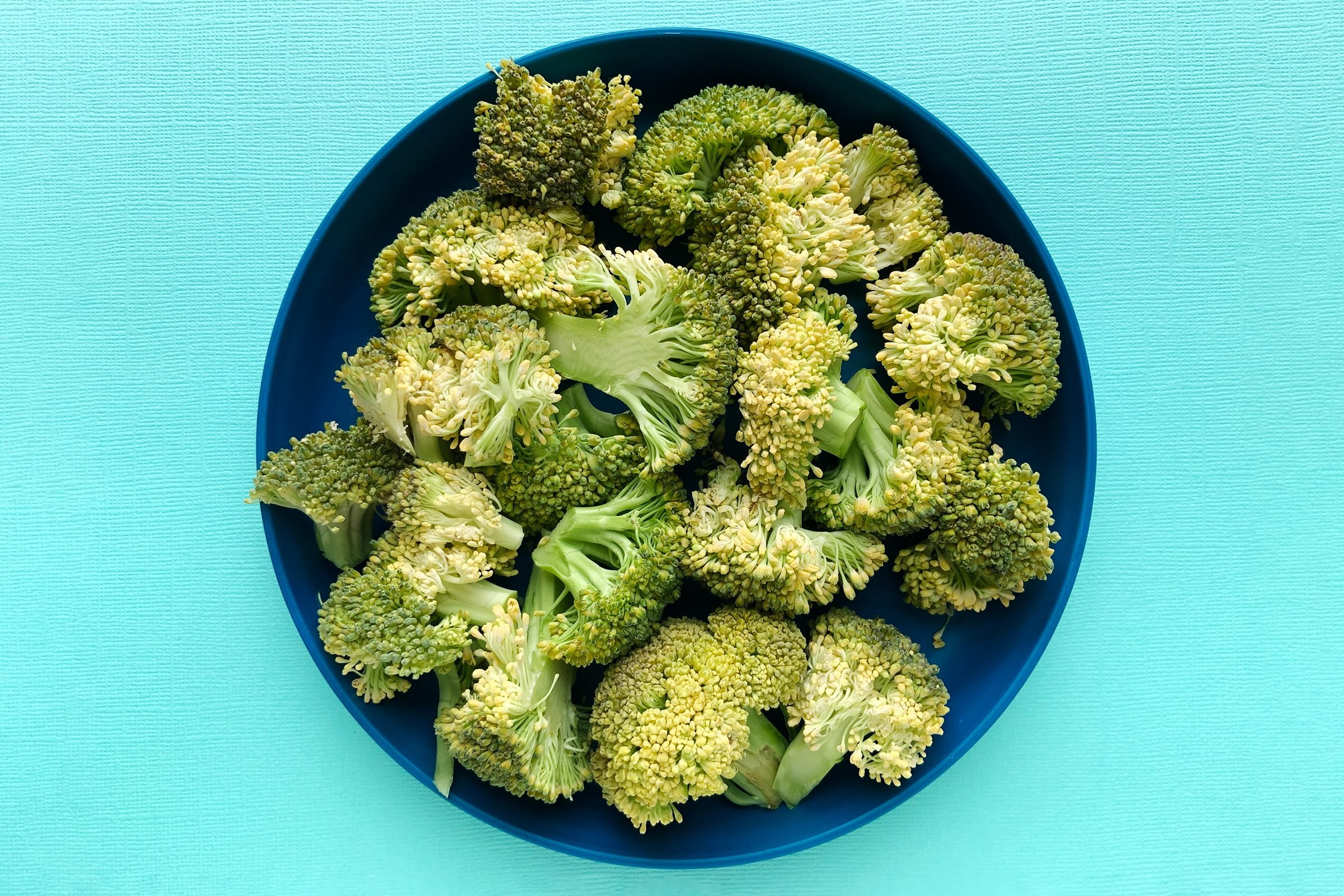
Off-Color Patches
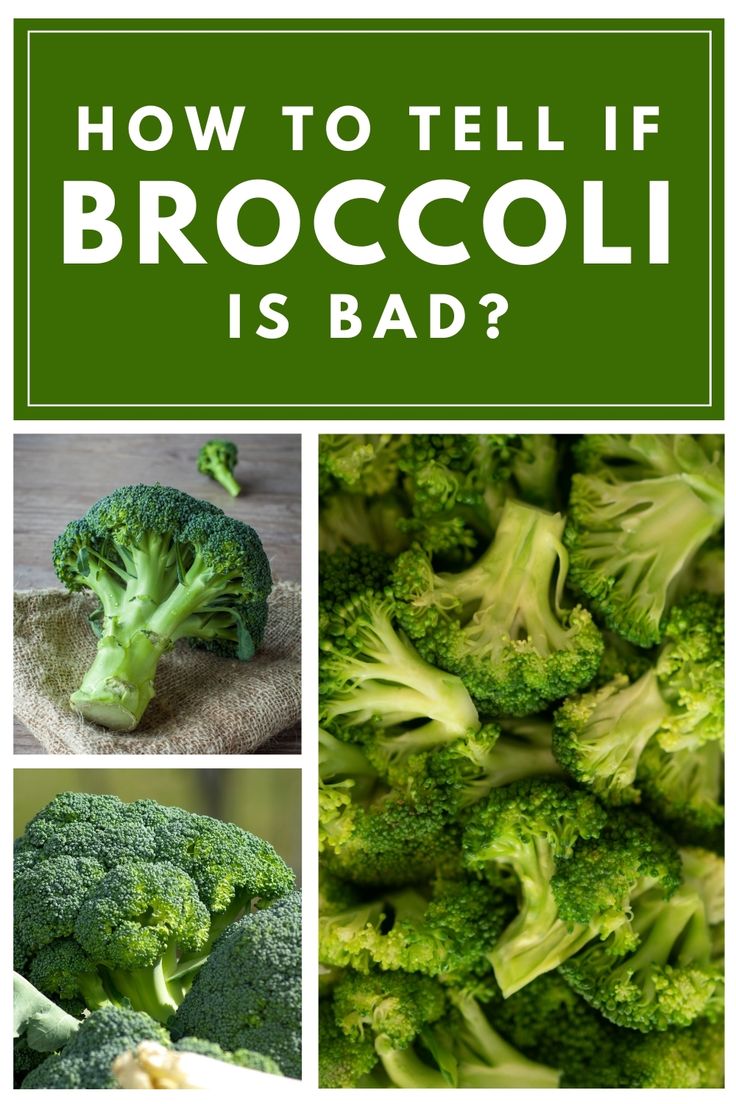
Fresh broccoli is uniformly green. Yellowing, dark spots, or dull patches suggest it is past peak quality.
Limp Leaves
If the small leaves around the florets look wilted or feel dry, the head is dehydrating and declining.
Strange Smell
A sulfurous, musty, or sour aroma signals bacterial breakdown; discard any head that smells unpleasant.
Mushy Texture
Gently squeeze the stalk and florets. Healthy broccoli feels rigid; if it yields easily or feels slimy, toss it.
Possible Downsides of Eating Over-Old Broccoli
Using questionable produce can lead to:
Digestive Upset
Spoiled or contaminated broccoli may harbor microbes that cause stomach discomfort, cramps, or mild fever.
Poor Flavor and Mouthfeel
Stale broccoli tastes harsh and can turn mushy after cooking, ruining the dish.
Reduced Nutrition
Vitamins break down as the vegetable ages, so older broccoli delivers fewer antioxidants and minerals.
Keeping Broccoli Fresh
Follow these practices at home:
– Buy Smart: Choose heads with tight, blue-green florets and firm stems.
– Chill Promptly: Place broccoli in the fridge as soon as you return from shopping.
– Rinse Before Use: Wash just before cooking to remove surface dirt and potential residues.
– Use Quickly: Aim to cook or steam it within three to five days for the best texture and taste.
Conclusion
Knowing how to recognize spoiled broccoli helps you avoid waste and protect your health. Look for changes in color, smell, texture, and leaf vigor, and follow simple storage habits to enjoy this versatile vegetable at its finest.


