

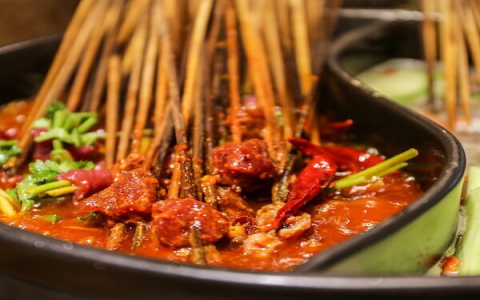
Best Cuisines: A Culinary Odyssey Around the World
Introduction
Cuisine, the art of cooking, is one of the most diverse and fascinating aspects of human culture. It reflects the history, geography, climate, and social customs of a region. The term best cuisines is subjective and can vary greatly from person to person. However, certain cuisines have gained international acclaim for their unique flavors, culinary techniques, and cultural significance. This article aims to explore some of the world’s best cuisines, highlighting their characteristics, influences, and contributions to global gastronomy.
The Mediterranean Diet: A Healthy and Flavorful Cuisine
The Origin and Characteristics
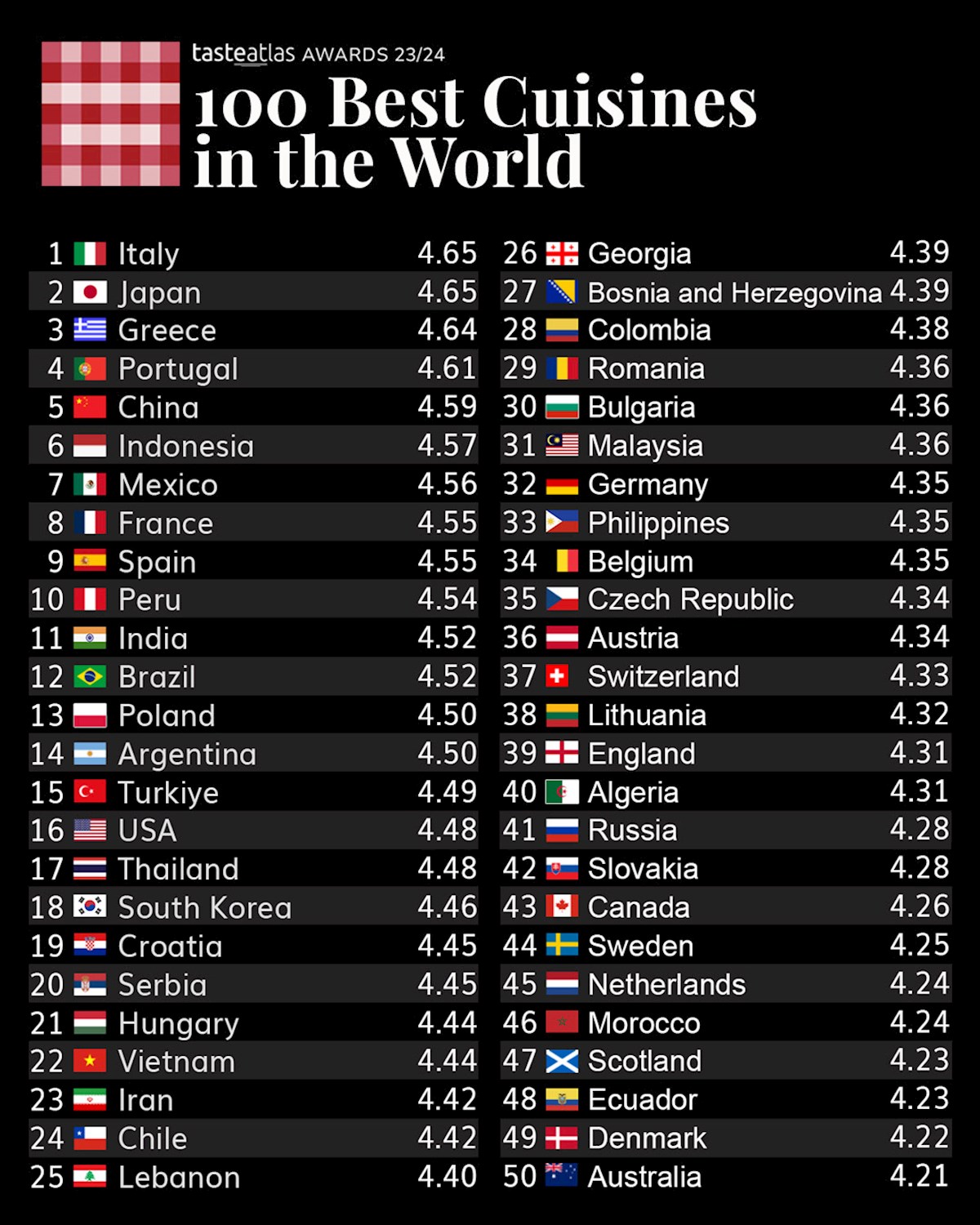
The Mediterranean diet is a traditional diet that originates from the countries surrounding the Mediterranean Sea, including Greece, Italy, Spain, and Morocco. It is characterized by a high intake of fruits, vegetables, whole grains, legumes, nuts, seeds, and olive oil. Fish and poultry are consumed in moderation, while red meat is eaten sparingly. The diet also emphasizes the use of herbs and spices, such as garlic, onions, and oregano, which add flavor without the need for excessive salt or fat.
Health Benefits
The Mediterranean diet has been extensively studied, and numerous research studies have shown its health benefits. Studies suggest that the Mediterranean diet can reduce the risk of heart disease, stroke, and type 2 diabetes. The diet’s high intake of antioxidants and anti-inflammatory compounds is believed to contribute to these health benefits.
Culinary Delights
Mediterranean cuisine offers a wide array of delicious dishes. Some popular dishes include Greek moussaka, Italian pasta with tomato sauce, Spanish paella, and Moroccan tagine. These dishes are not only flavorful but also reflect the cultural heritage and culinary traditions of the Mediterranean region.
Japanese Cuisine: A Harmony of Flavors and Aesthetics
Japanese Cuisine: A Brief Overview
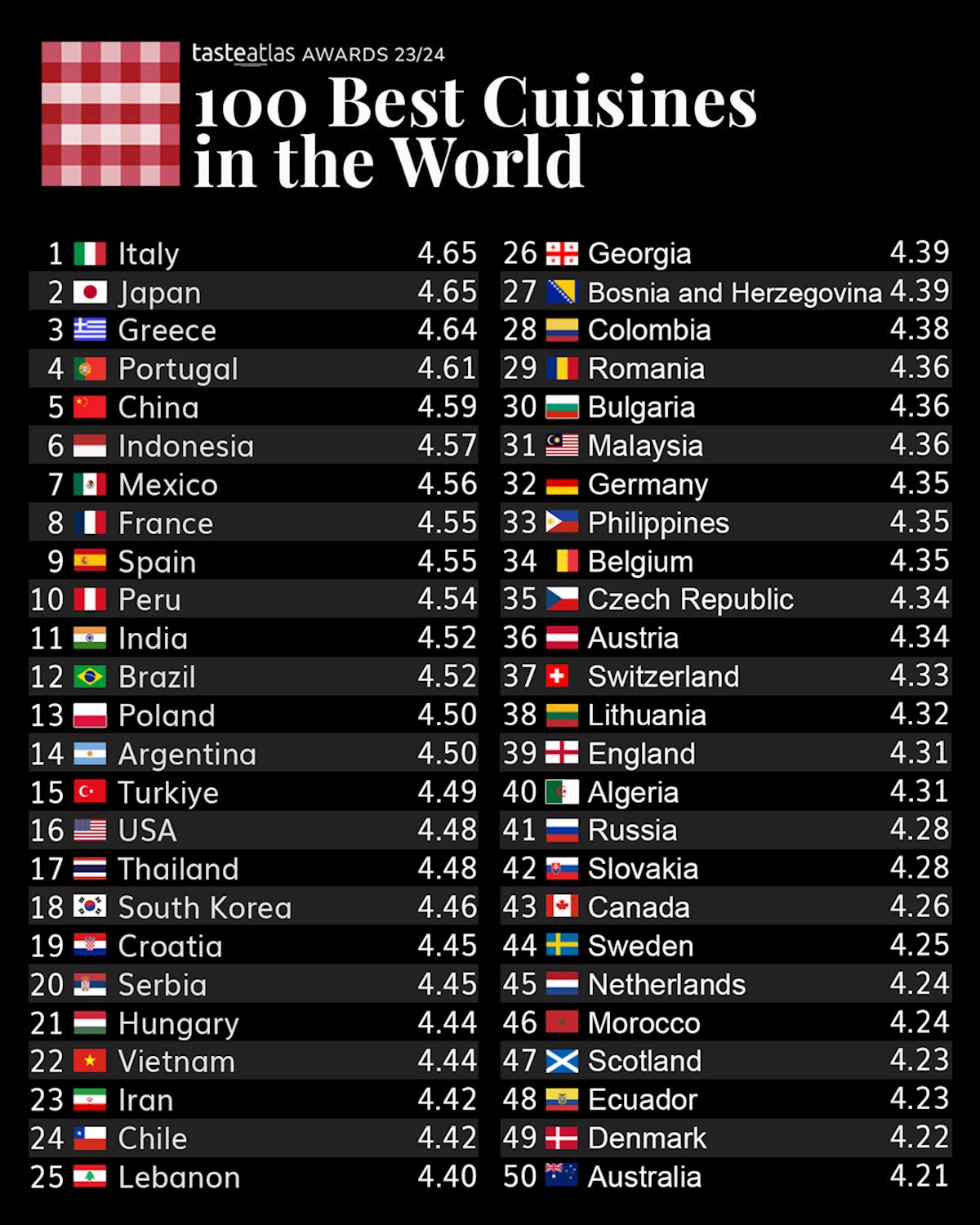
Japanese cuisine, known as Washoku, is a culinary tradition that emphasizes the aesthetic appeal, seasonality, and balance of flavors. It is characterized by the use of fresh, high-quality ingredients, and a focus on the natural taste of the food. Japanese cuisine includes a variety of dishes, such as sushi, sashimi, ramen, and tempura.
Cultural Significance
Japanese cuisine is deeply rooted in the country’s culture and history. It reflects the Japanese values of respect for nature, simplicity, and harmony. The meticulous preparation and presentation of dishes are a testament to the Japanese philosophy of Wabi-sabi, which appreciates the beauty of imperfection and the transience of life.
Global Influence
Japanese cuisine has gained immense popularity worldwide, with sushi restaurants becoming a staple in many cities. The global spread of Japanese cuisine has not only introduced people to new flavors but has also fostered a greater appreciation for the art of cooking and the importance of food culture.
Indian Cuisine: A Fusion of Flavors and Spices
Flavors and Spices
Indian cuisine is renowned for its rich and diverse flavors, which are achieved through the use of a wide array of spices and herbs. Common spices include turmeric, cumin, coriander, cardamom, and fenugreek. These spices are used in various combinations to create a symphony of flavors that can range from sweet to spicy.

Regional Variations
India is a vast country with diverse regional cuisines. North Indian cuisine, for example, is known for its use of tandoori cooking techniques and rich, creamy curries. South Indian cuisine, on the other hand, is characterized by its use of coconut and a variety of rice dishes.
Global Recognition
Indian cuisine has gained global recognition for its unique flavors and culinary techniques. Dishes like butter chicken, biryani, and samosas are now enjoyed by people around the world, showcasing the influence of Indian cuisine on global gastronomy.
Italian Cuisine: The Heart of European Gastronomy
Italian Cuisine: A Brief History
Italian cuisine has a rich history that dates back to ancient Roman times. Over the centuries, it has evolved and been influenced by various cultures, including the Greeks, Etruscans, and Arabs. Today, Italian cuisine is known for its simplicity, fresh ingredients, and emphasis on regional dishes.
Regional Dishes
Italian cuisine is diverse, with each region offering its own unique dishes. Some famous regional dishes include Tuscan ribollita, Emilia-Romagna’s bolognese sauce, and Sicilian arancini. These dishes highlight the variety and richness of Italian cuisine.
Global Influence
Italian cuisine has had a significant impact on global gastronomy. Dishes like pizza, pasta, and gelato are now enjoyed worldwide, making Italian cuisine one of the most popular in the world.
Conclusion
The world of cuisines is vast and varied, with each region offering its own unique flavors and culinary traditions. The best cuisines are those that not only satisfy the palate but also reflect the cultural heritage and history of a people. The Mediterranean diet, Japanese cuisine, Indian cuisine, and Italian cuisine are just a few examples of the diverse and delicious dishes that have captured the hearts and minds of people around the world. As we continue to explore and appreciate these culinary treasures, we are reminded of the power of food to bring people together and celebrate the richness of our global heritage.


