

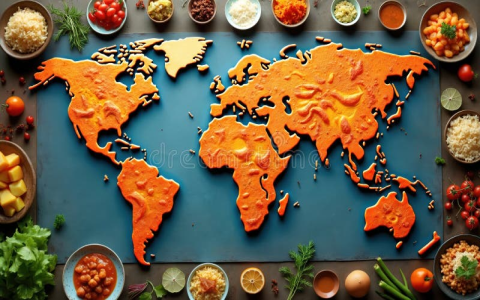
Dishes from Different Countries: A Culinary Journey Around the World
Introduction
Food is a living passport to culture, revealing how geography, history, and community shape what we eat. Exploring iconic dishes from around the globe invites us to taste traditions that have evolved over centuries and to appreciate the stories simmering in every bite.
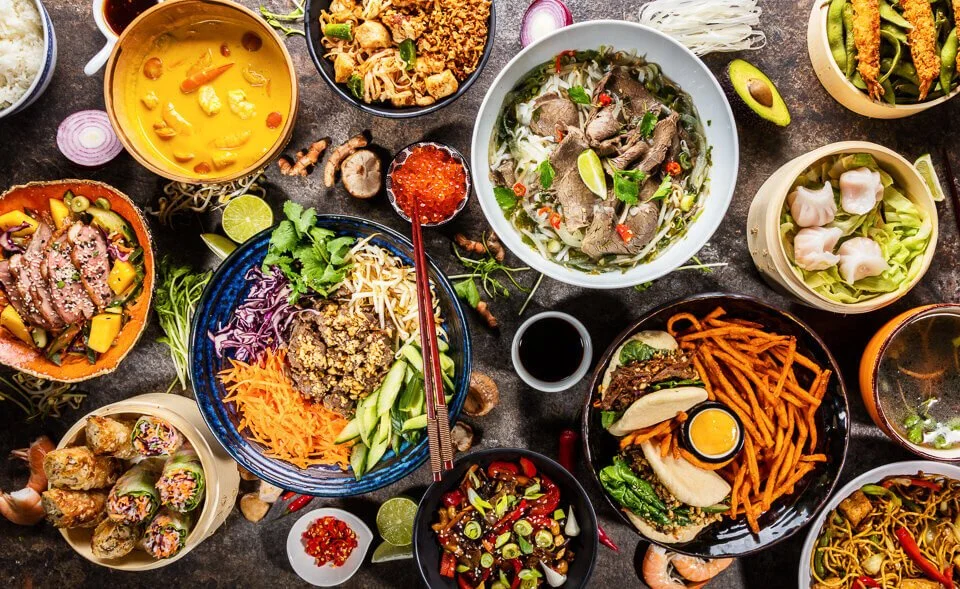
The Significance of International Cuisine
Sharing meals across borders encourages curiosity and respect. When we taste another country’s staple flavors, we begin to understand the values and rhythms of daily life far from our own, while also inspiring chefs to blend techniques in creative new ways.
Cultural Exchange
A recipe that travels often becomes a bridge. Neapolitan pizza and Japanese sushi, for example, have found homes on menus worldwide, adapting to local palates yet retaining the spirit of their origins, proving that kitchens are natural meeting places for cultures.
Culinary Innovation
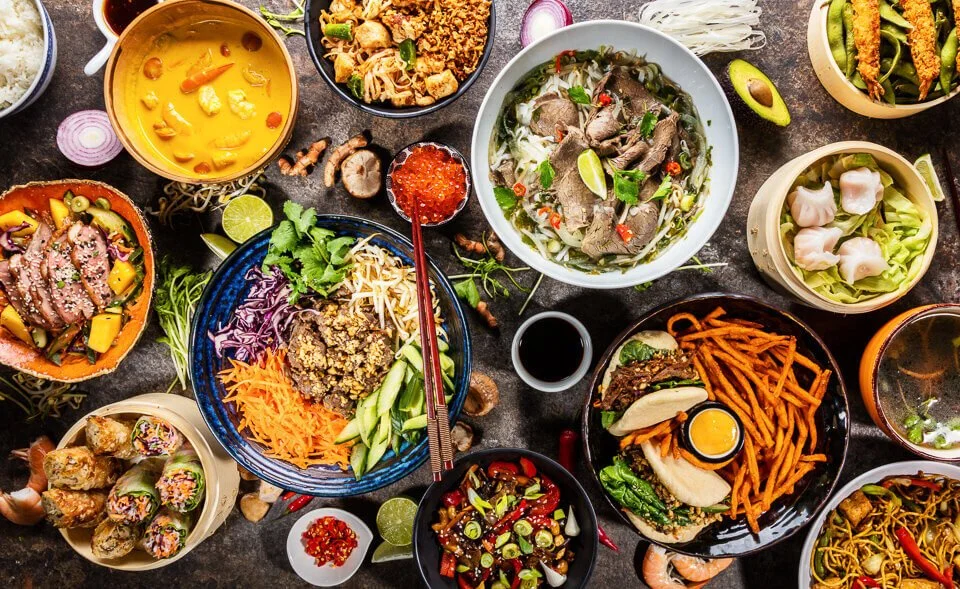
Cross-border collaboration keeps cuisine dynamic. By swapping spices, tools, and ideas, cooks continually reinvent classics, ensuring traditions stay alive through respectful reinvention rather than frozen repetition.
Exploring Dishes from Different Countries
Italian Cuisine
Italian cooking celebrates simplicity and seasonal abundance. Two enduring symbols are:
–

Pizza
From thin, wood-fired crusts to deep-dish variations, pizza’s universal appeal lies in its blank-canvas nature, welcoming everything from fresh basil to bold, unexpected toppings.
–
Pasta
Whether silky strands coated in olive oil and garlic or layered sheets baked into lasagna, pasta offers endless shapes and sauces that comfort and inspire across continents.
Japanese Cuisine
Precision and respect for natural flavors define Japanese food. Signature examples include:
–
Sushi
Vinegared rice paired with pristine fish or vegetables showcases balance and seasonality, turning a modest combination into edible art.
–
Sashimi
Paper-thin slices of raw seafood, served simply with soy and wasabi, highlight the cuisine’s philosophy of letting superior ingredients speak for themselves.
Indian Cuisine
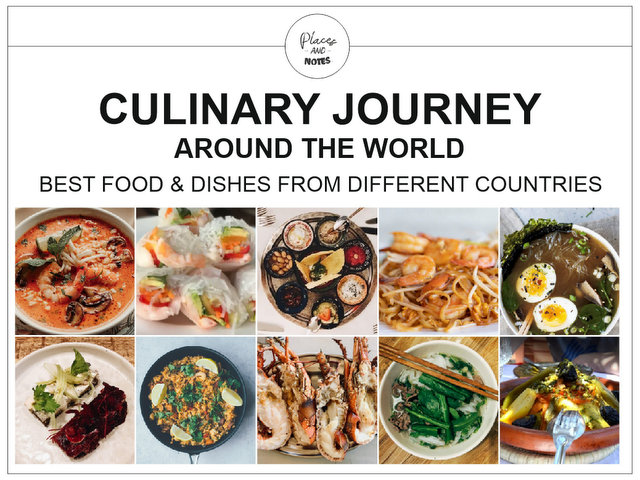
Vibrant spice blends and regional diversity mark Indian fare. Widely loved staples are:
–
Curry
Slow-simmered sauces fragrant with turmeric, cumin, and coriander vary from household to household, reflecting local harvests and family histories.
–
Naan
This pillowy bread, blistered in a hot tandoor, doubles as utensil and accompaniment, perfect for scooping up richly spiced gravies.
Mexican Cuisine
A mosaic of indigenous and global influences, Mexican food bursts with color and contrast. Cornerstone dishes include:
–
Tacos
Soft or crisp tortillas cradle fillings like citrus-marinated meats, beans, or grilled vegetables, topped with bright salsas that awaken the palate.
–

Quesadillas
Melted cheese sealed within folded tortillas creates a crispy-gooey snack that welcomes additions of mushrooms, squash blossoms, or slow-cooked pork.
The Impact of Dishes from Different Countries
As flavors circulate, they reshape eating habits and economies alike, yielding several broad effects:
Increased Culinary Awareness
Diners now seek authenticity and context, asking where spices come from and how techniques evolved, deepening respect for food heritage everywhere.
Economic Growth
Exporting specialty ingredients, cookware, and culinary talent opens new markets, supporting farmers, artisans, and restaurateurs on both sides of the exchange.
Health Benefits
Diverse menus encourage balanced plates: fermented staples for gut health, vibrant vegetables for antioxidants, and mindful portions rooted in traditional eating patterns.
Conclusion
Tasting the world one dish at a time nourishes more than appetite—it widens perspective. By welcoming unfamiliar flavors into our kitchens, we celebrate shared humanity and ensure that age-old recipes continue to evolve, sustaining both culture and community for generations to come.


