

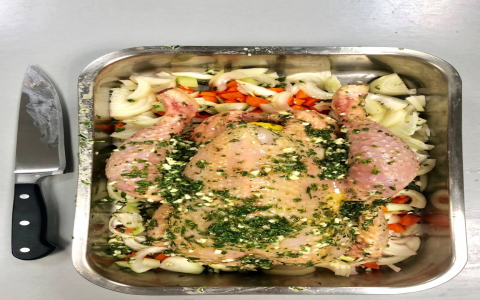
The Nourishing Power of Home-Cooked Meals
Introduction
Meals prepared at home have always been valued for their warmth, flavor, and positive impact on well-being. In an era dominated by hectic schedules and ready-made products, the quiet appeal of cooking from scratch is gaining fresh attention. This article explores how homemade dishes influence health, strengthen household ties, and keep culinary traditions alive, while also looking at practical ways to overcome common obstacles.

Health Benefits of Home-Cooked Meals
Nutritional Value
When you cook at home, you decide what goes into each dish, making it easier to feature fresh produce, whole grains, and balanced portions. Studies consistently show that people who prepare their own food tend to eat a wider variety of nutrient-dense ingredients than those who depend on take-out or packaged alternatives.
Weight Management
Regular home cooking is associated with healthier body weight. Dishes made in your own kitchen usually contain less added sugar, salt, and saturated fat than restaurant offerings, helping the whole family maintain steady energy levels without excessive calories.

Reduced Risk of Chronic Diseases
Frequent use of whole ingredients and gentler cooking methods—such as steaming, grilling, or baking—can lower the likelihood of developing conditions like heart disease, type 2 diabetes, and certain cancers. Building meals around vegetables, legumes, and lean proteins supports long-term wellness.
Family Dynamics and Social Connections
Strengthening Family Bonds
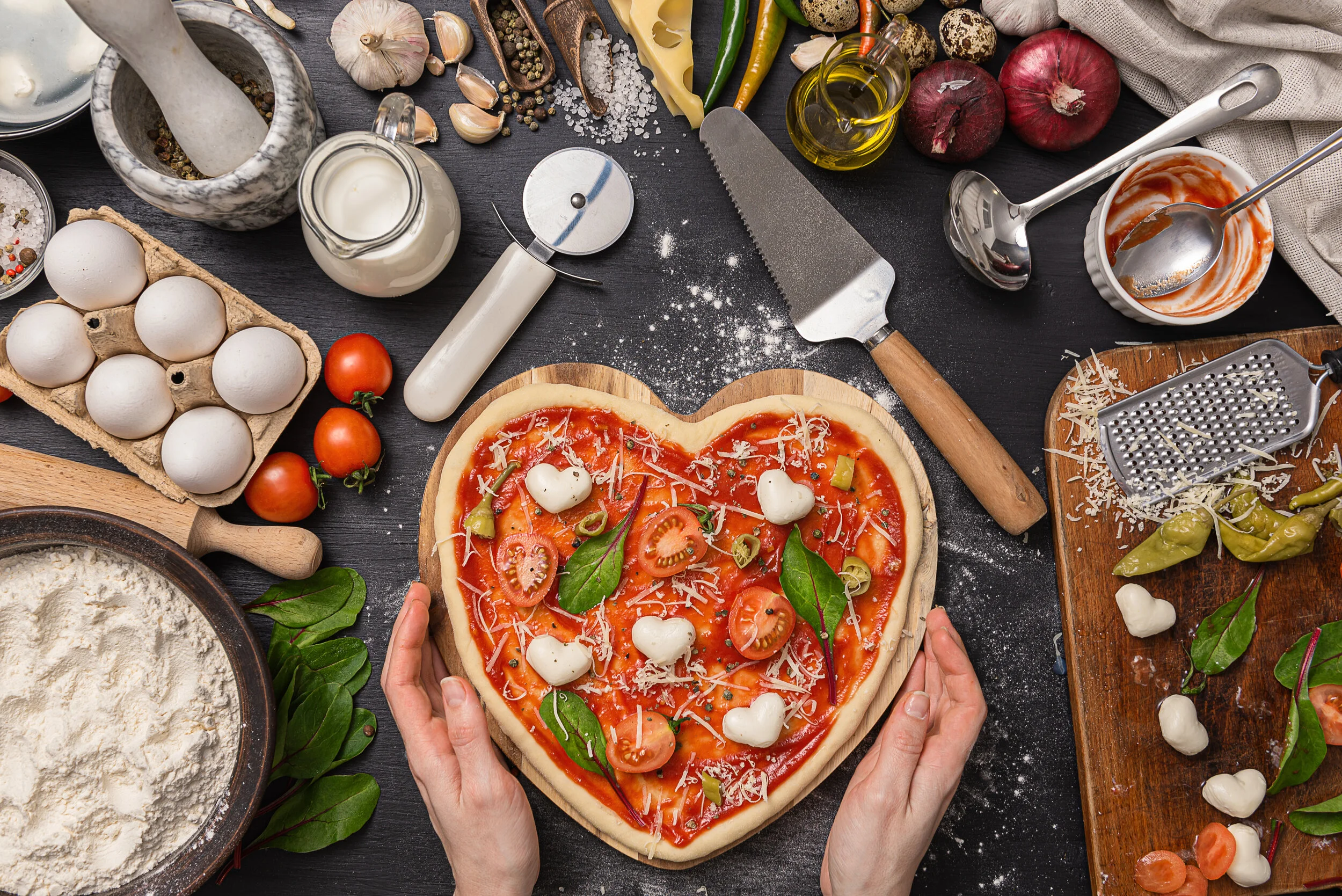
Sharing recipe ideas, chopping vegetables side by side, and gathering around the same table create natural moments for conversation. These shared experiences foster trust, improve communication, and encourage healthier eating habits among children and adults alike.
Cultural Heritage and Identity
Traditional recipes passed from one generation to the next keep cultural stories alive. Cooking regional dishes at home offers a sense of belonging and allows families to celebrate their roots while inviting friends to discover new flavors.
Challenges and Solutions
Time Constraints
Busy calendars can make cooking feel impossible. Batch cooking on weekends, using slow cookers or pressure cookers, and washing produce in advance are simple strategies that shave minutes off weekday routines without sacrificing nutrition.
Lack of Cooking Skills
Anyone can become confident in the kitchen by starting with basic techniques—such as sautéing vegetables or cooking whole grains—and gradually trying new recipes. Free online videos, library cookbooks, and community workshops provide step-by-step guidance for every skill level.
Conclusion
Home cooking supports physical health, nurtures relationships, and preserves cultural identity. Although time and skill barriers exist, practical tools and small habit changes make preparing meals at home an achievable goal for most households. Embracing this tradition can lead to lasting personal and societal benefits.
Recommendations and Future Research
To encourage more people to cook, the following steps can help:
1. Offer hands-on classes in schools, libraries, and community centers for all age groups.
2. Highlight quick, affordable recipes that rely on everyday staples and minimal equipment.
3. Improve access to fresh produce through local markets, cooperative programs, and urban gardens.
Future studies could examine how sustained home cooking affects long-term health outcomes, investigate ways technology can simplify meal preparation, and explore strategies that keep culinary traditions vibrant in multicultural societies.
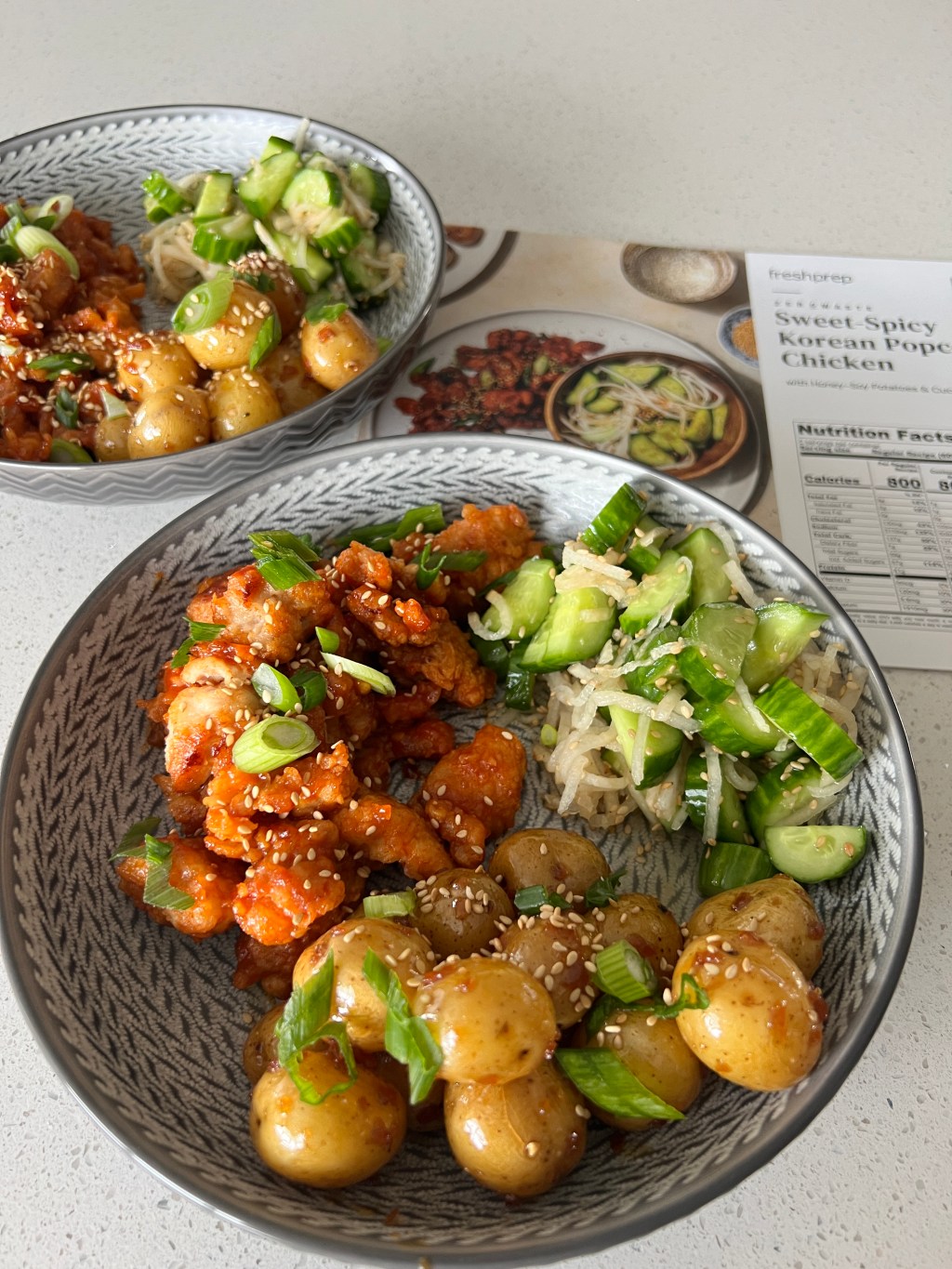
By valuing and supporting home-cooked meals, communities can cultivate healthier lifestyles and stronger social bonds for generations to come.


