

The Impact of Portion-Controlled Meal Plans on Health and Lifestyle
Introduction
In recent years, the health and wellness industry has seen a steady rise in the popularity of portion-controlled meal plans. These ready-to-eat services promise balanced nutrition and simplified weight management, appealing to anyone who wants to eat better without spending hours in the kitchen. This article explores how such programs influence daily habits, body weight, and overall lifestyle, while also looking at their advantages, limitations, and possible next steps.

The Concept of Portion-Controlled Meal Plans
Portion-controlled meal plans deliver pre-packaged breakfasts, lunches, dinners, and snacks that are calibrated for calories, protein, fiber, and essential micronutrients. Menus are crafted by culinary teams and registered dietitians so that each dish supports steady energy, satiety, and gradual weight adjustment. Subscribers simply select the meals they prefer, receive them at home or the office, and heat when ready to eat.
Benefits of Portion-Controlled Meal Plans
1. Convenience
Busy schedules often push home cooking to the bottom of the to-do list. Ready-to-heat meals remove grocery shopping, prep work, and cleanup, freeing up time for exercise, family, or rest.

2. Nutritional Balance
Each dish is built around lean protein, colorful produce, and slow-digesting carbohydrates, helping users meet daily targets for vitamins, minerals, and fiber without obsessive label reading.
3. Built-In Portion Guidance
Pre-set servings reduce the guesswork that commonly leads to accidental overeating. Consistent calorie intake makes it easier to track progress and adjust activity levels accordingly.
4. Menu Variety
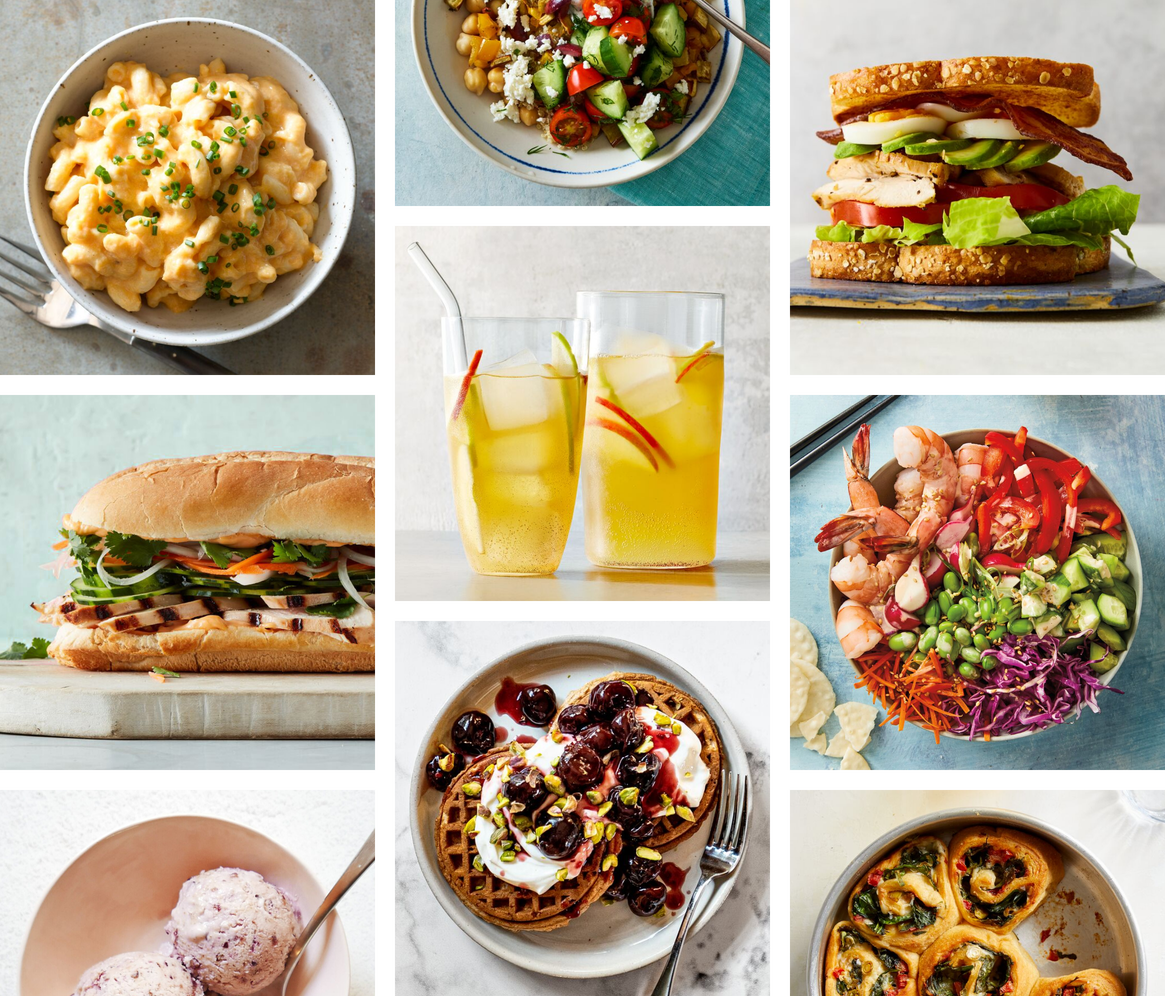
Rotating recipes accommodate vegetarian, gluten-free, dairy-free, and low-sodium preferences, preventing the boredom that can derail long-term adherence.
Challenges of Portion-Controlled Meal Plans
1. Higher Price Point
Prepared meals typically cost more than cooking from scratch. Budget-conscious households may find the weekly outlay difficult to sustain.
2. Palate Preferences
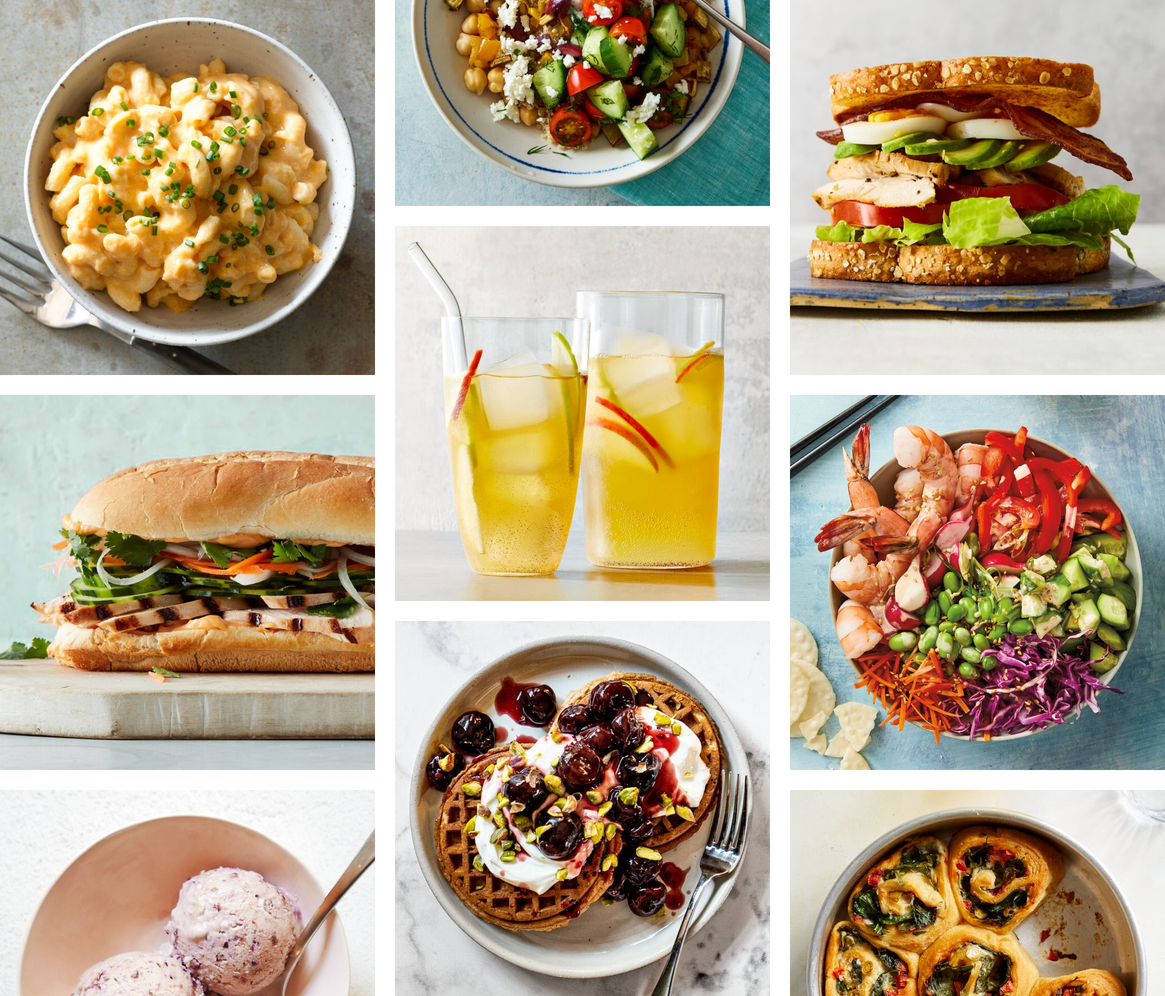
Some diners miss the depth of flavor achieved with fresh herbs, spices, and personal touches. A perceived lack of culinary excitement can tempt users back to less balanced choices.
3. Reliance on Delivery
Weather delays, routing errors, or address changes can interrupt the supply chain, leaving subscribers without their planned dishes at short notice.
Evidence and Research
Peer-reviewed trials suggest that structured meal replacements can produce greater initial weight reduction compared with self-selected diets. Follow-up data also indicate that continued use of portion-controlled lunches and dinners supports weight maintenance over the course of a year, provided physical activity and behavioral support remain in place.

Comparison with Other Meal Services
Several companies now ship fresh ingredients or fully cooked entrées, each with distinct culinary themes. Programs that emphasize calorie awareness and macronutrient balance tend to score highest among users whose primary goal is gradual, sustainable weight adjustment.
The Future of Portion-Controlled Meal Plans
Looking ahead, the sector is poised to integrate more digital tools—think apps that sync with wearable trackers to refine daily calorie budgets. Expansion into new regions and partnerships with fitness platforms could deliver bundled solutions that combine food, exercise guidance, and community support.
Conclusion

Portion-controlled meal plans have carved out a meaningful role in modern nutrition by offering a practical bridge between hectic lifestyles and health-conscious eating. While cost and taste considerations remain, the overall benefit of consistent, balanced portions is hard to ignore. Continued innovation will determine how effectively these services adapt to evolving consumer expectations.
Recommendations
Anyone thinking about adopting a ready-meal program should first review their budget, taste preferences, and long-term goals. Pairing the service with whole-food snacks, home-cooked weekends, and professional dietary advice can create a flexible, sustainable routine.
For the future of portion-controlled meal plans, sustained emphasis on flavor development, eco-friendly packaging, and personalized nutrition will be critical to maintaining trust and relevance in an increasingly crowded wellness market.
References

1. Randomized controlled trial comparing structured meal plans with self-directed dieting in overweight adults. Journal of Nutrition and Behavioral Studies, general issue on portion control.
2. Long-term weight maintenance after twelve months of combined dietary and lifestyle intervention. American Journal of Clinical Nutrition, special section on sustainable strategies.


