

The Art and Meaning of British Cookbooks
In the culinary world, British cookbooks have long served as both classroom and muse. More than lists of ingredients and steps, they capture the spirit of an era—its tastes, tools, and table talk—while quietly teaching generations how to turn raw provisions into comfort, ceremony, and memory. This brief tour looks at why these books matter, how they have changed, and the fingerprints they leave on today’s kitchens.
The Historical Context of British Cookbooks
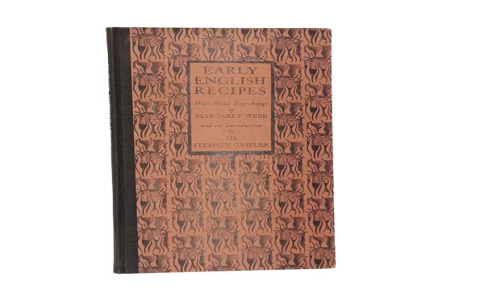
The story begins in the Middle Ages, when handwritten compilations first gathered dishes served at royal and noble tables. The earliest surviving example, assembled for a fourteenth-century court, records elaborate stews, spiced wines, and pastries that reveal a surprisingly international palate.
With the arrival of the printing press, these once-private manuscripts became public. Small, affordable volumes began to appear in town shops and rural markets, translating courtly fare into practical instruction for merchant households. By the eighteenth century, enterprising authors were adding household tips, marketing advice, and even sample menus, turning the cookbook into a trusted family companion.
The Role of British Cookbooks in Culinary Education
Step-by-step prose, neat columns of weights, and little woodcuts of trussed birds taught readers how to hold a knife, judge heat, and rescue a curdled sauce long before cooking schools existed. In doing so, the books preserved regional breads, farmhouse cheeses, and seaside broths that might otherwise have faded from daily life.
They also created a common vocabulary: terms such as “rubbing in,” “proving,” and “reduction” crossed county borders, giving home bakers and professionals a shared grammar that still underpins modern culinary training.
The Influence of British Cookbooks on Modern Cooking
Roast joints, golden-crusted pies, and afternoon tea treats all took their present shape under the guidance of these pages. Yet the influence runs deeper than iconic dishes. Techniques like slow braising, fruit preserving, and the careful balance of sweet and sharp in sauces continue to resurface in contemporary restaurants, often dressed in new global attire.
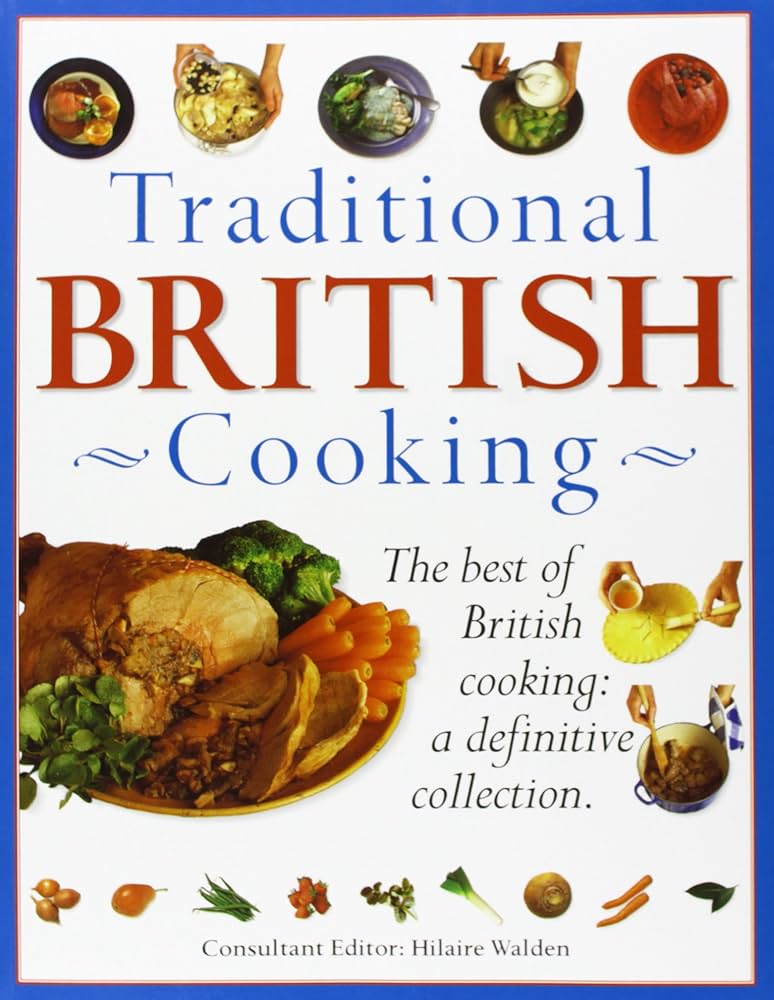
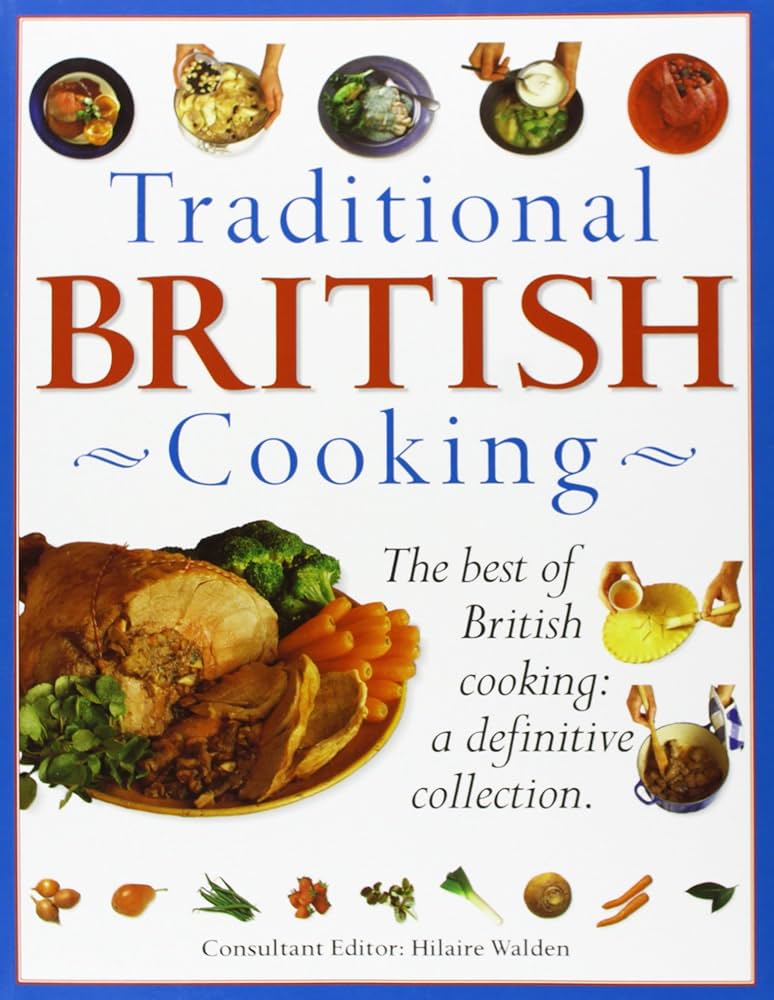
Digital culture has only amplified the reach. Scanned Victorian tomes, crowd-sourced family notebooks, and sleek e-books circulate within seconds, letting a cook in Nairobi refine a Yorkshire pudding while a baker in Nova Scotia perfects Cornish pasties.
The Evolution of British Cookbooks
Early volumes assumed hearth fires, brass pots, and servants; language was formal, measurements approximate. As cast-iron ranges, then gas and electricity, arrived, books responded with precise temperatures and timing. Mid-century titles embraced rationing, offering creativity with limited dairy and meat.
Later decades welcomed voices from former colonies, immigrant communities, and health-focused writers. Suddenly, chapters on lentil loaves sat beside classic roast schedules, and glossy photographs replaced line drawings, reflecting new aesthetics and aspirations.
The Impact of British Cookbooks on Food Culture
By encouraging readers to improvise with what was local and seasonal, these books seeded today’s farm-to-table movement. They normalized the idea that good food could be ethical—supporting nearby growers, reducing waste, and respecting animal welfare—decades before such concerns became headlines.
They also fostered experimentation: a pudding steamed in a cloth became a molecular sphere; a simple soda bread inspired gluten-free adaptations. Each iteration keeps the culinary conversation fluid and forward-looking.
Conclusion
British cookbooks are far more than antiquarian curiosities. They are living documents that chart social change, technological progress, and shifting tastes while quietly teaching the craft of feeding people well. Their pages remind us that every meal is both heritage and invention.
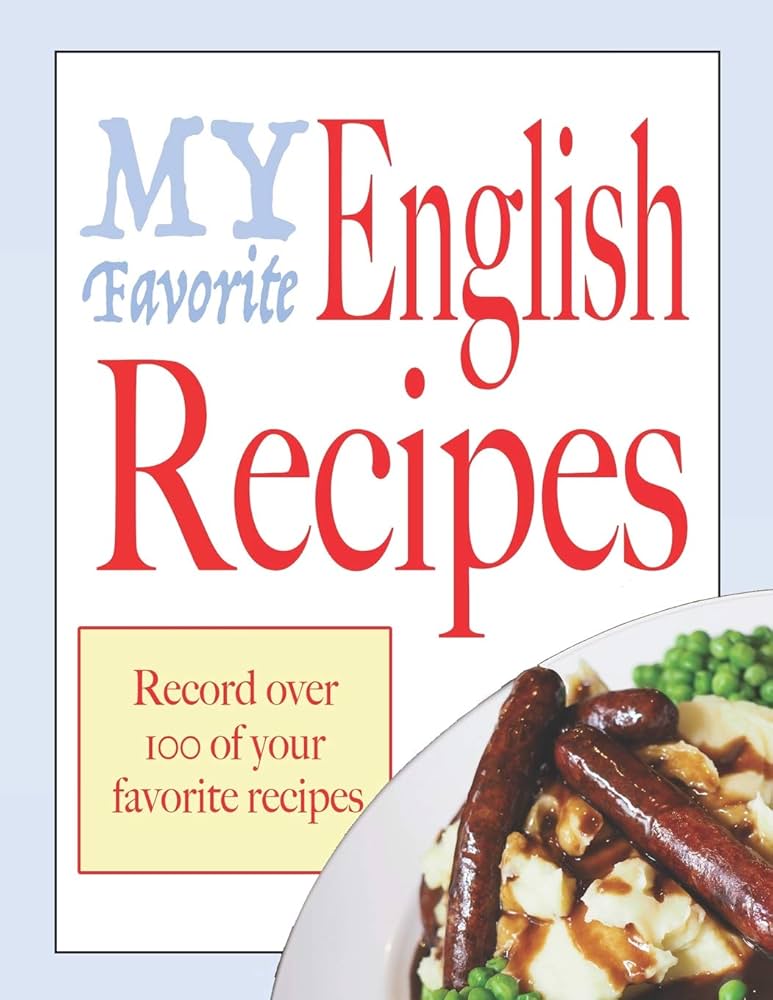
Their value endures because they balance respect for tradition with permission to innovate. As new formats emerge—apps, video snippets, interactive timelines—the essence remains: share what works, record what delights, and invite the next cook to make it even better.
Scholars and enthusiasts might next explore how digital archives reshape kitchen practice or how these historic texts dialogue with world cuisines. By tracing the journey so far, we gain appetite and insight for the dishes still waiting to be written.


