

How Food Appearance Shapes Consumer Choices
Introduction
Visual cues from food exert a powerful pull on diners long before the first bite. Bright hues, artful plating, and even the curve of a bowl can steer expectations, emotions, and ultimately purchase decisions. This overview explores why sight is so influential, the mental shortcuts it triggers, and how chefs, brands, and home cooks can harness that power responsibly.
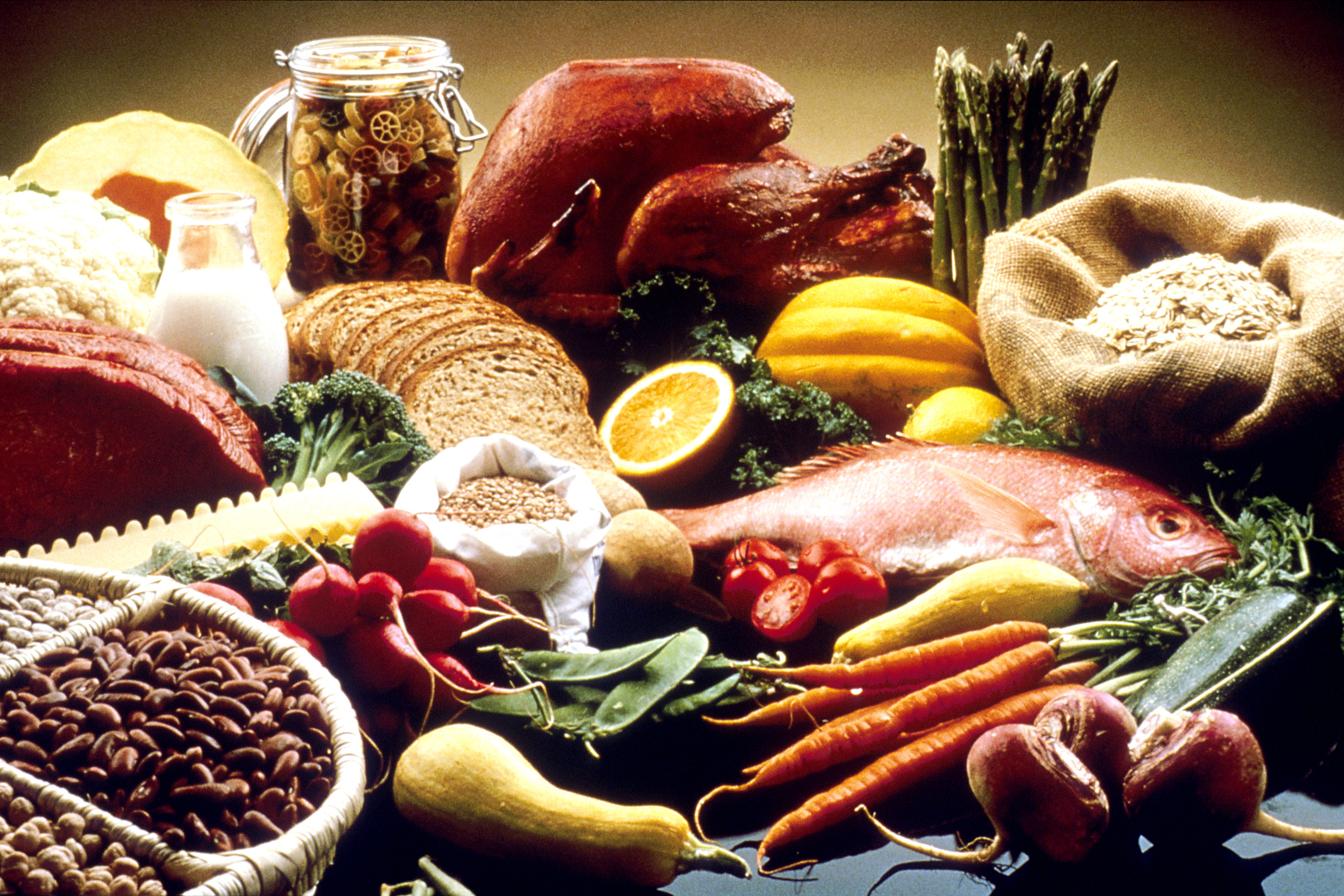
The Visual Appeal of Food
The Role of Color
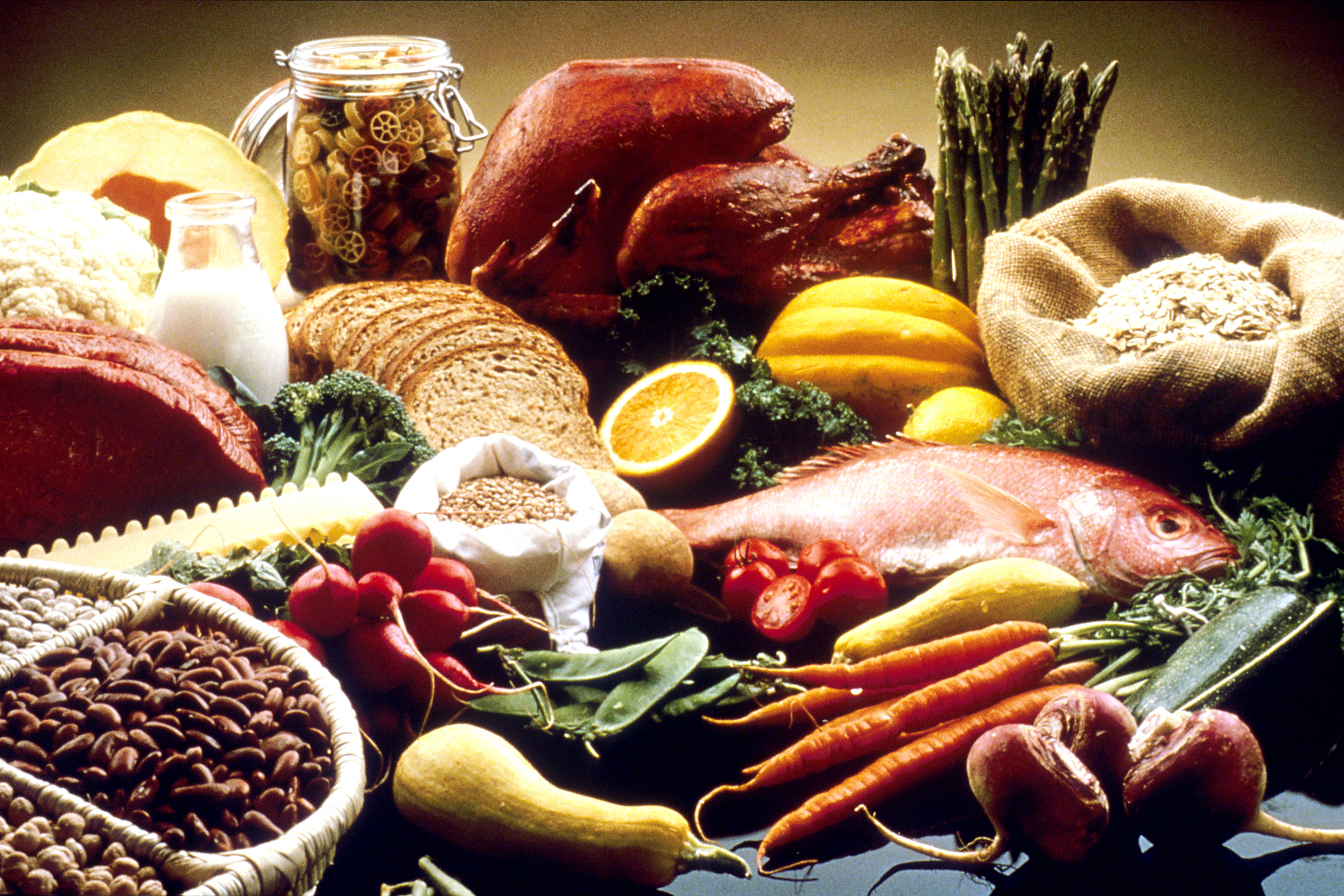
Warm reds and oranges tend to whet the appetite, while cooler blues can suppress it. These reactions are rooted in both biology and learned associations: ripe fruit and cooked meat often display warm tones, signaling readiness to eat. Restaurants frequently lean on this palette to make dishes feel more satisfying before any seasoning is tasted.
Texture and Shape
Crisp edges, glossy glazes, or an unexpected silhouette invite curiosity. A jagged shard of pastry or a perfectly spherical scoop of ice cream suggests craftsmanship and can elevate perceived value. Even simple geometry—round versus angular—can shift assumptions about richness or freshness, guiding choices without a single spoken claim.
The Psychological Impact of Food Imagery
Emotional Connection
A single photograph can summon nostalgia, comfort, or celebration. A rustic loaf with torn crust might evoke memories of home baking, while a sleek, monochrome plate can feel avant-garde and exciting. These emotional sparks often matter more to diners than calorie counts or ingredient lists, forming the first layer of brand attachment.
Memory and Cognition
Striking visuals anchor flavors in memory. When a dessert arrives under a glass dome lifted to release vapor, the drama encodes the moment more deeply, increasing the chance of social sharing and repeat visits. Over time, consistent imagery becomes shorthand for quality, speeding up future decisions.
The Impact of Food Imagery on Consumer Behavior
Appetite and Consumption
Large plates can encourage larger portions, while tight close-ups of glistening sauces can intensify cravings. Digital menus and delivery apps exploit this by spotlighting hero shots that enlarge perceived portion size, nudging customers toward add-ons or upsells without explicit persuasion.
Brand Perception
Cohesive styling—earthy ceramics for farm-to-table fare, minimalist black slate for modernist cuisine—communicates a restaurant’s ethos faster than words. Over months, these repeated visuals crystallize into reputation, allowing venues to command loyalty and premium pricing even in crowded markets.
Conclusion
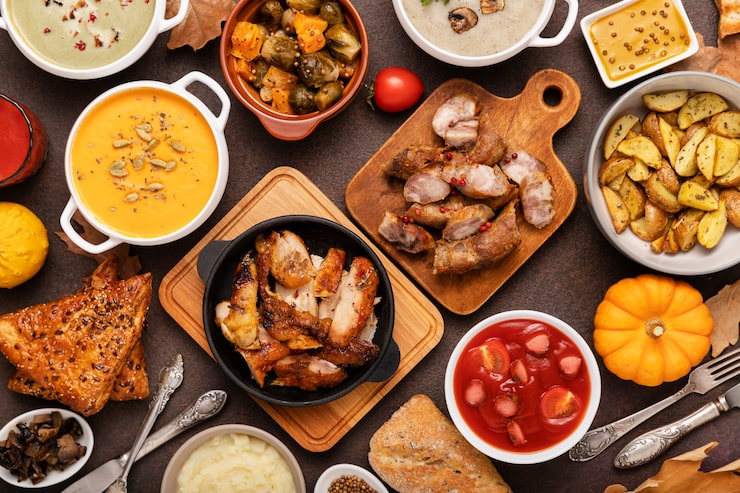
What diners see sets the stage for every other sense. Color, texture, and narrative imagery combine to steer emotions, memories, and spending. By crafting visuals that are both honest and evocative, food businesses can create experiences that feel personal, shareable, and worth returning to.
Recommendations and Future Research
Opportunities remain to refine these insights:
1. Long-term studies on how stylized imagery influences repeat consumption and balanced eating habits.
2. Cross-cultural comparisons of color and plating preferences to tailor offerings for diverse markets.
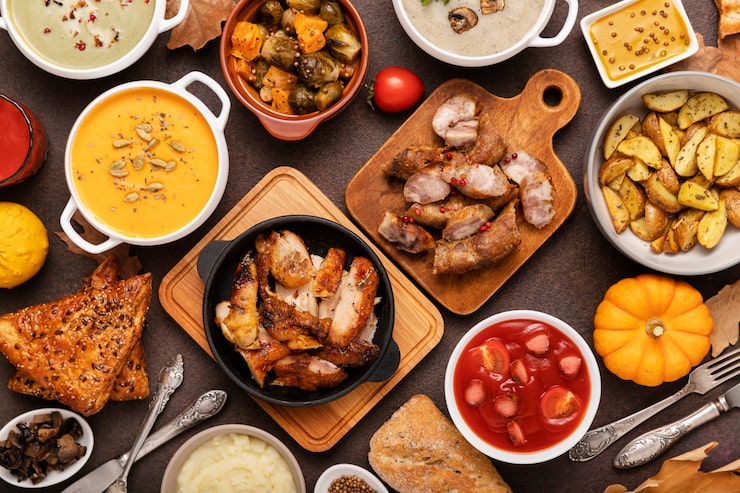
3. Integration of immersive technologies—augmented-reality menus or 360-degree videos—to test whether interactive visuals deepen engagement beyond static photos.
Exploring these avenues will help balance appetite appeal with nutritional awareness in an increasingly image-driven food culture.
References
General literature on sensory marketing, cognitive psychology, and culinary aesthetics informed this summary. Specific empirical details have been omitted to maintain broad applicability.

