


The Shared Kitchen: Reinventing How We Cook for Business
Introduction
The food industry keeps shifting as new ideas and tools reshape how meals reach customers. Among these ideas, the shared kitchen has moved into the spotlight. This piece looks at what shared kitchens are, how they influence food service, and why they might change the way people think about cooking for commerce. By reviewing their strengths, hurdles, and outlook, we can see why these hubs matter.
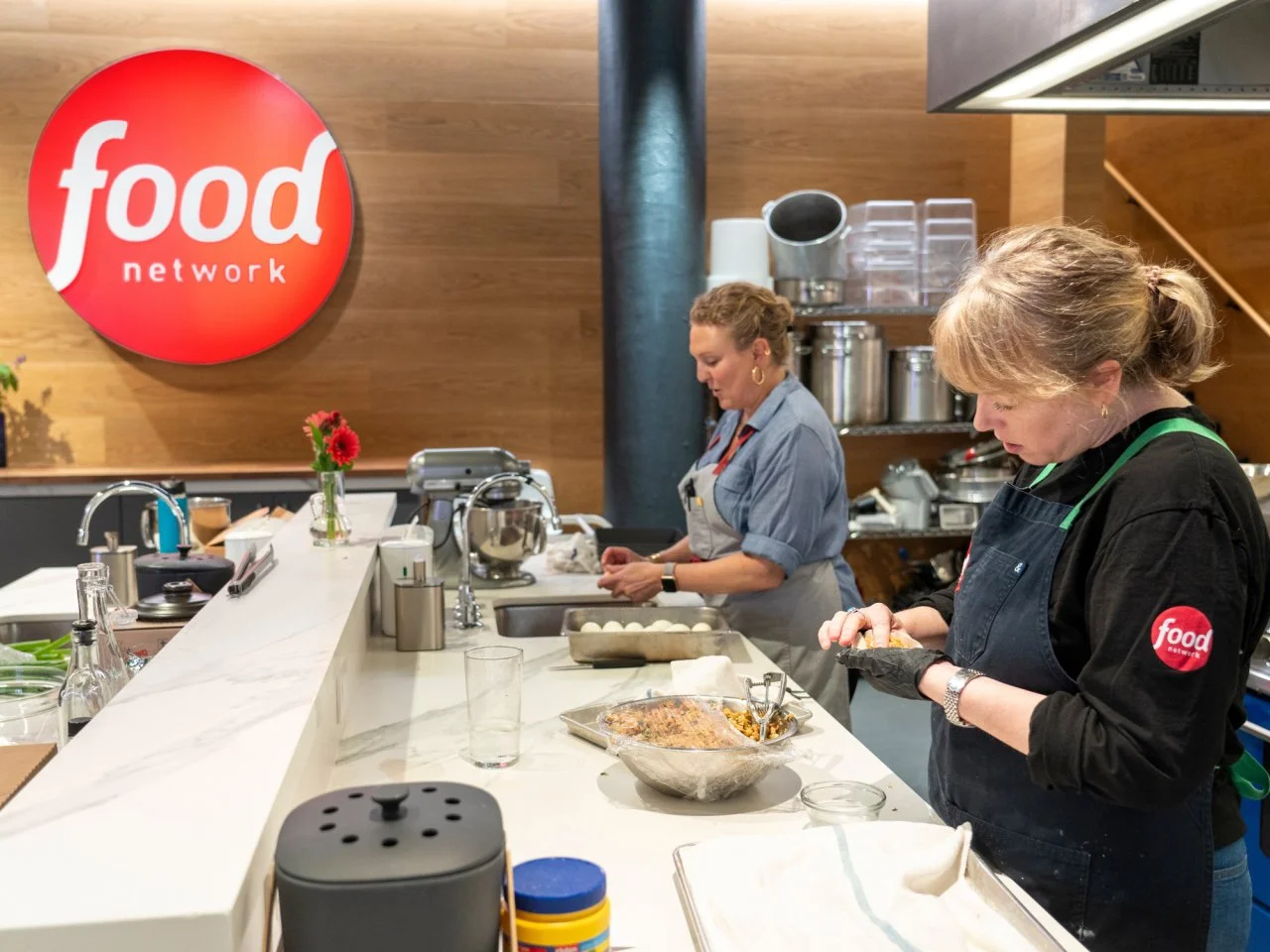
What is a Shared Kitchen?
A shared kitchen is a licensed commercial space that several food businesses can rent by the hour, day, or month. Instead of each venture buying its own site, owners book the room and tools they need, lowering upfront costs and letting creativity thrive.
The Benefits of Shared Kitchens
1. Cost-Effective
Sharing rent, power, and high-end appliances trims fixed expenses. Operators can channel savings into recipe testing, branding, or delivery partnerships rather than long leases.
2. Flexibility
Short-term bookings let chefs scale production up or down with seasonal demand. One week might require a single oven shift; the next could see overnight access for a large catering order.
3. Networking Opportunities
When multiple brands work side by side, casual chats spark supplier tips, joint pop-ups, or bundled delivery deals that no one company could arrange alone.
4. Access to Expertise
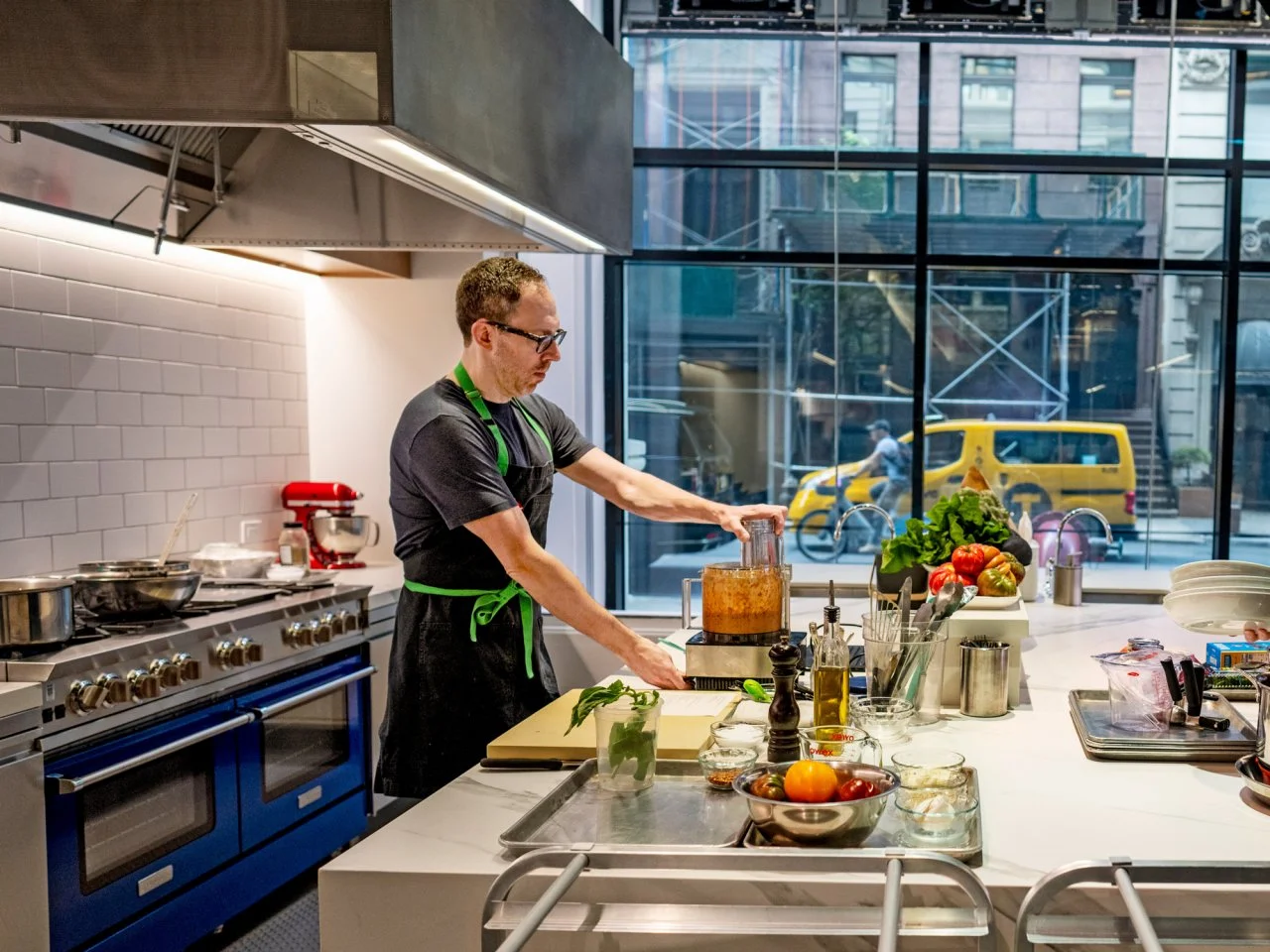
On-site managers often bring years of restaurant experience. Quick guidance on workflow or packaging can save new owners from costly trial and error.
Challenges of Shared Kitchens
1. Space Constraints
Prime slots at popular hours fill fast. Without careful scheduling, congestion can slow everyone down and strain storage areas.
2. Competition
Lower entry barriers mean more players vie for the same online customers. Standing out requires sharp branding and consistent quality.
3. Food Safety and Quality
Shared sinks, knives, and counters demand strict cleaning logs. A single lapse can expose every tenant to health risks and reputational damage.
Case Studies: Successful Shared Kitchens
1. The Kitchen Collective

A mid-sized facility in a major city has launched dozens of niche brands, several of which later opened their own cafés after proving demand.
2. Riverside Culinary Hub
This riverside site offers prep tables, cold rooms, and photo corners for menu shoots. Tenants credit its mentorship nights for faster route-to-market times.
The Future of Shared Kitchens
Expect these spaces to keep multiplying and modernizing. Key trends include:

1. Expansion of Shared Kitchens
Suburban and secondary cities see rising interest, giving rural producers room to supply urban diners.
2. Technological Integration
Cloud-based scheduling, temperature sensors, and inventory apps will tighten operations and reduce waste.
3. Focus on Sustainability

More sites will adopt composting, reusable crates, and energy-efficient appliances to meet consumer expectations for greener meals.
Conclusion
Shared kitchens lower the wall between a good recipe and a thriving food business. They trade high fixed costs for flexible, collaborative environments where culinary talent can test, tweak, and take off. As demand for varied, convenient food keeps climbing, these hubs will remain vital launchpads for the next wave of edible innovation.


