


Recipes from What I Have: The Art of Cooking with Limited Ingredients
Introduction
Cooking is a universal language that turns simple items into comfort, memory, and nourishment. Yet cupboards are rarely stocked like television sets. The idea of “recipes from what I have” celebrates the reality of empty fridge corners and half-filled pantry shelves, proving that flavor is possible anywhere. This article looks at why cooking with whatever is on hand matters, the everyday advantages it brings, and how it quietly sparks culinary imagination.
The Importance of Using Available Ingredients
Economic Considerations
Stretching groceries is one of the fastest ways to ease weekly expenses. When money is tight, reaching for forgotten cans, frozen vegetables, or the last cup of rice can keep meals coming without another trip to the store. Building menus around what already exists lowers the overall food bill and reduces the temptation of costly take-out.
Environmental Sustainability
Every wilted carrot or expired yogurt pot adds to landfill volume. Cooking what you already own keeps waste out of the bin and methane out of the air. It also shortens the supply chain to the distance between shelf and stove, trimming the invisible emissions that travel with each new purchase.
The Benefits of Cooking with Limited Ingredients
Encourages Creativity
A nearly bare cupboard is a blank canvas. Without the usual suspects, cooks experiment with spice levels, cooking times, and unlikely pairings—perhaps oats that stand in for breadcrumbs, or citrus peels that infuse simple syrup. Constraints nudge the mind toward combinations that abundance might never reveal.
Nutritional Value
Limited does not mean inferior. A pot of lentils, a handful of greens, and a spoonful of oil can deliver protein, fiber, iron, and healthy fat in a single bowl. Rotating small stashes of beans, grains, and seasonal produce covers the spectrum of vitamins without extravagant shopping lists.
Skill Development
Improvisation teaches instinct. Tasting as you go, rescuing over-salted soup, or turning tough meat tender under slow heat builds confidence faster than following elaborate scripts. Over time, home cooks develop an internal clock for doneness and a palate that knows how to balance sweet, sour, and savory.
Case Studies and Examples
The Zero Waste Chef
A coastal blogger known as the Zero Waste Chef gathers onion ends, herb stems, and bread crusts, transforming them into fragrant stock, pesto, and croutons. Her feed inspires followers to see scraps as ingredients, proving that trash cans can stay remarkably empty without sacrificing flavor.
Community Gardens and Cooking Programs
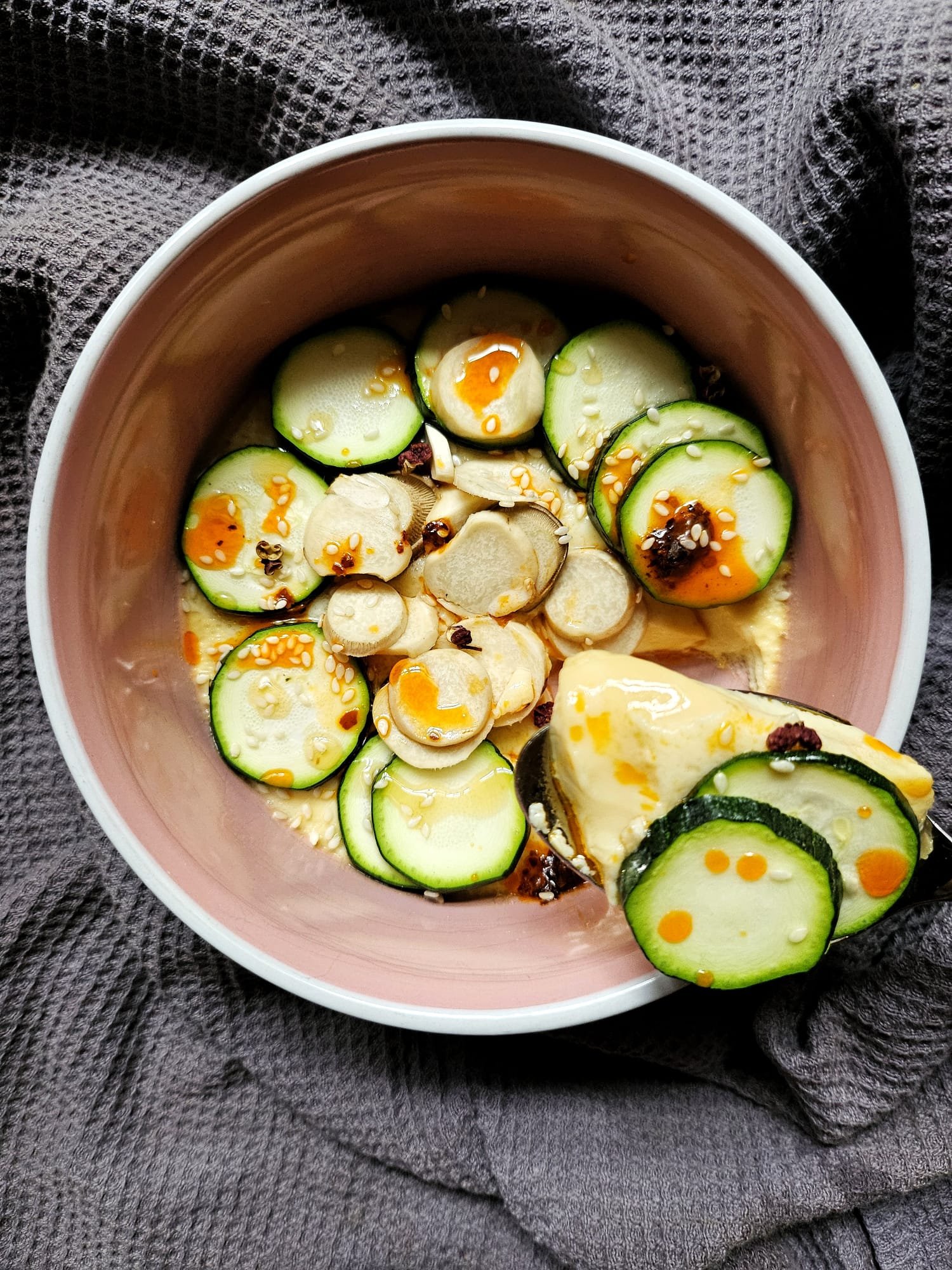
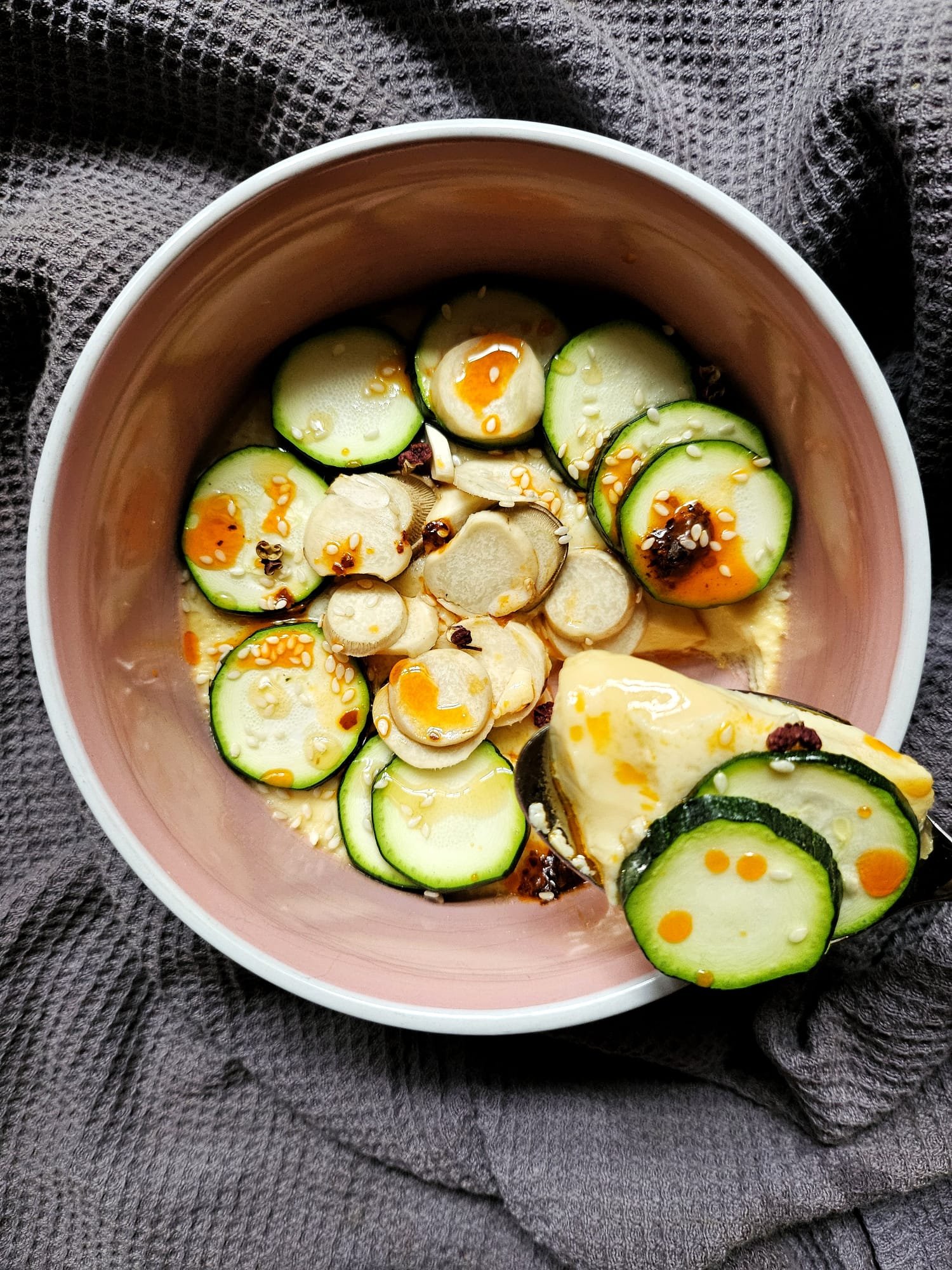
Neighborhood plots often harvest more zucchini than gardeners can carry. Local kitchens step in, hosting workshops that turn the surplus into soups, pickles, and grilled sides. Participants leave with new skills, shared meals, and the realization that abundance is sometimes just a matter of coordination.
Conclusion
Cooking from what you have is more than a stopgap; it is a quiet act of resilience. It saves money, lightens ecological load, sharpens creativity, and keeps bodies fed with dignity. As global supply chains wobble and prices swing, the humble strategy of shopping your own shelves will only become more valuable.
Recommendations and Future Research
To further promote the use of recipes from what I have, the following recommendations are made:
1. Schools and community centers can offer short classes on flexible, ingredient-driven menus.
2. Food businesses might spotlight weekly “pantry specials” that use up odds and ends.
3. Nutritionists could study how diverse, low-cost combinations meet daily requirements.
Future research should focus on the following areas:
1. Measuring how home waste reduction affects municipal disposal costs.
2. Inventing recipes that specifically use items most often discarded.
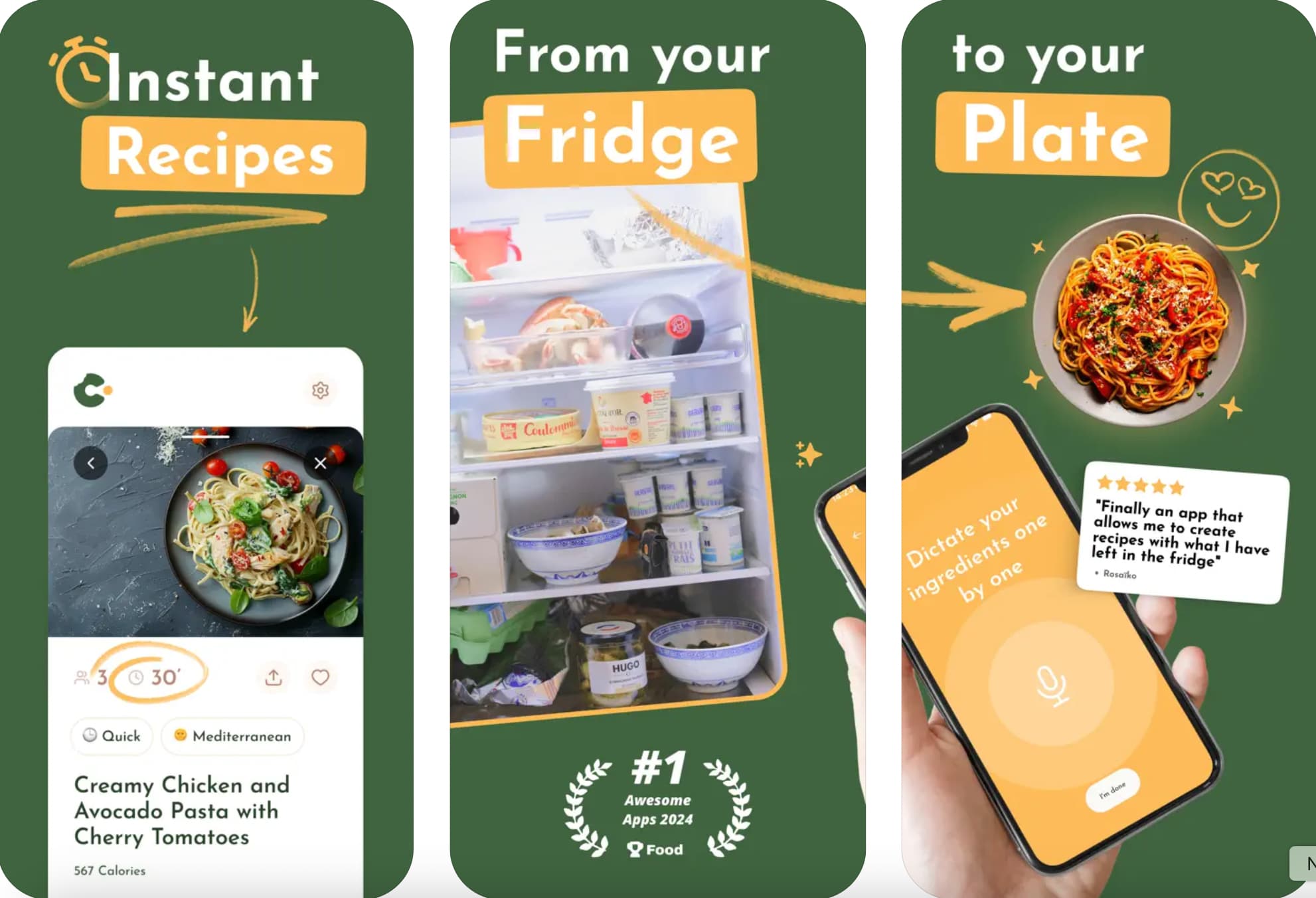
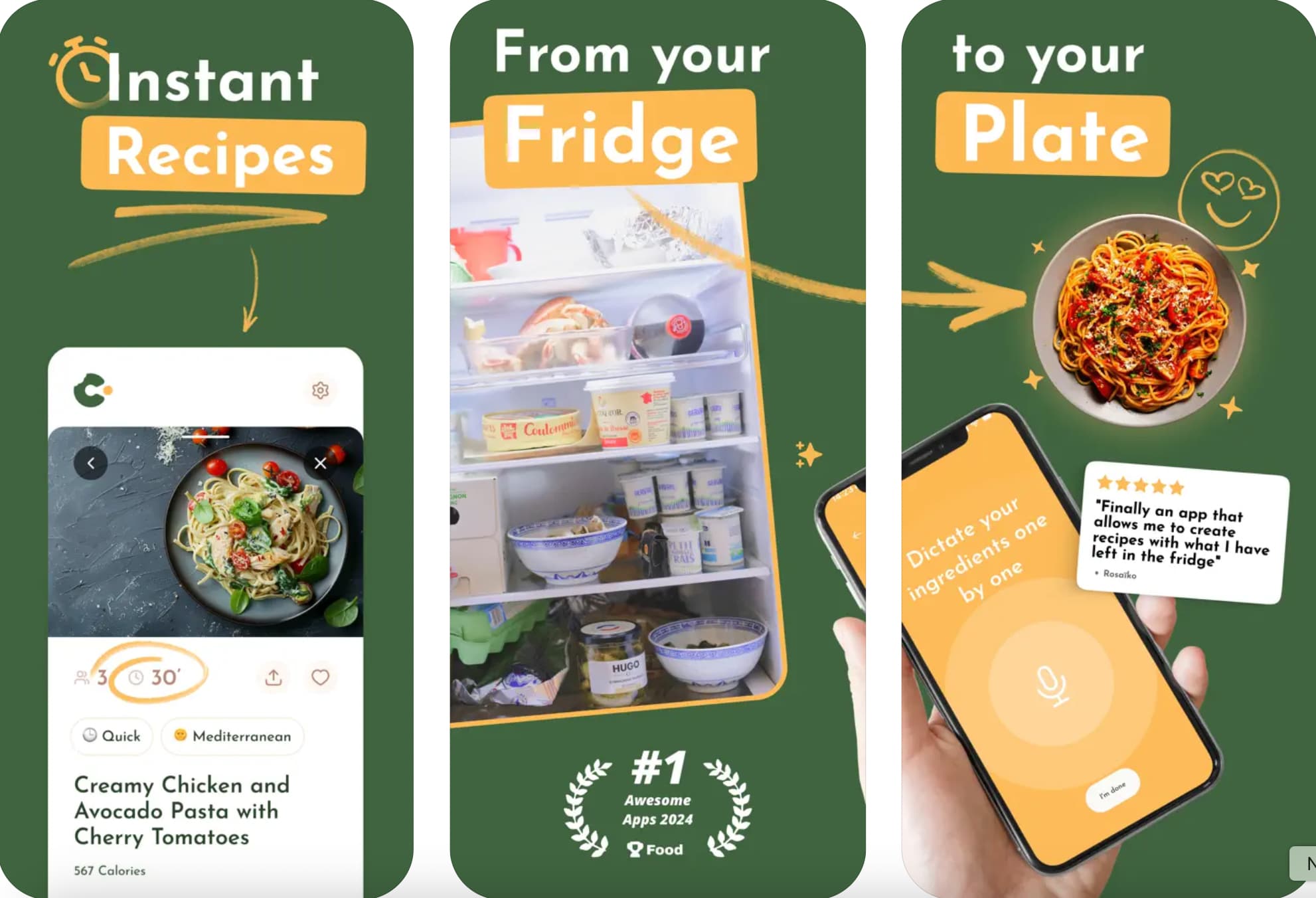
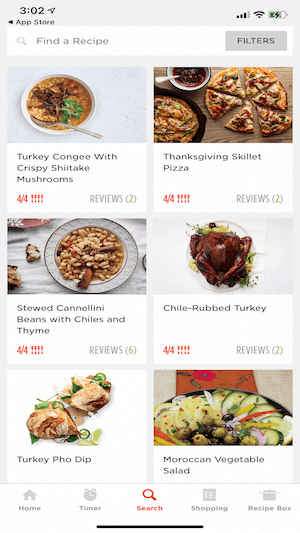
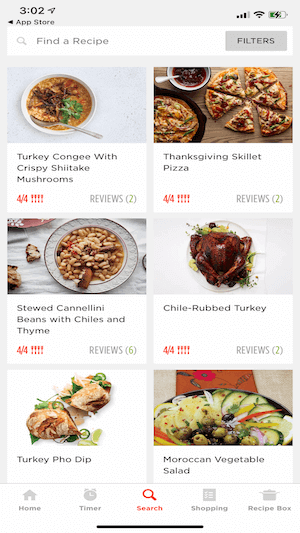
3. Exploring apps that suggest dishes after scanning a kitchen barcode or receipt.
By continuing to explore and embrace recipes from what I have, we can create a more sustainable and equitable food system for all.
References
– General literature on household food waste reduction.
– Culinary texts emphasizing minimal-ingredient techniques.
– Reports from community garden networks worldwide.
– Peer-reviewed studies on plant-forward, low-cost diets.
– Surveys linking home cooking to reduced grocery expenses.
– Online platforms documenting zero-waste kitchen practices.


