

The Art and Science of Recipes: A Comprehensive Guide
Cooking is a universal language that bridges cultures and eras. It invites creativity, nurtures the body, and brings people together. At the center of every memorable meal stands a well-balanced recipe. This guide explores why recipes matter, the science that powers them, and the techniques cooks rely on worldwide. We also look at how recipes shape culinary learning and support the modern food industry.
Why Recipes Matter
Recipes act as roadmaps for the kitchen. Clear instructions turn unfamiliar ingredients into confident dishes and help even beginners achieve reliable results. Beyond convenience, they safeguard heritage and allow flavors to travel safely from one generation to the next.
Safeguarding Culinary Heritage
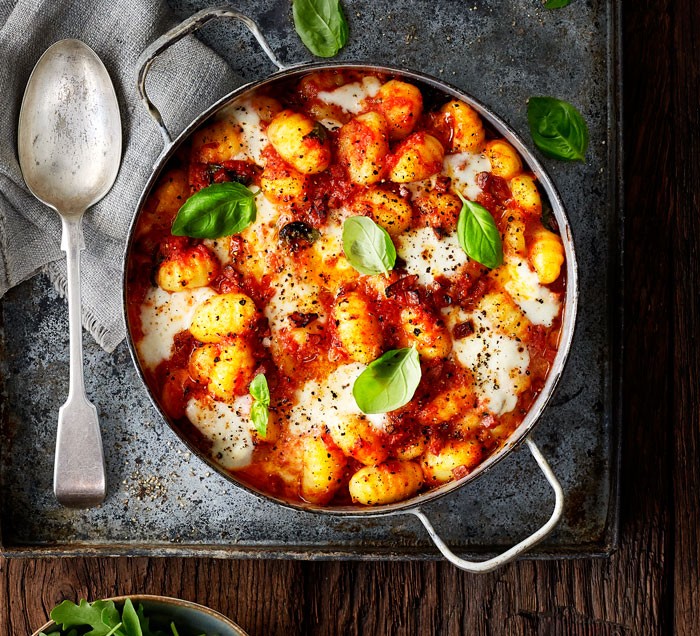
Recipes capture the spirit of a cuisine by recording favored ingredients, classic pairings, and time-tested methods. A traditional pasta sauce, for instance, tells the story of sun-ripened tomatoes, fragrant basil, and gentle simmering. Preparing such dishes keeps cultural identity alive at the table.
Passing Knowledge Through Families
Handwritten cards, spoken tips, or digital notes all serve as bridges between grandparents, parents, and children. Sharing a favorite cake or holiday stew strengthens family bonds and keeps personal history simmering in every pot.

The Science Inside a Recipe
Every ingredient list hides a chemistry lesson. Understanding the basics helps cooks troubleshoot, adapt, and improve.
Key Chemical Reactions
Heat triggers countless changes. Proteins firm, starches swell, and sugars caramelize. The Maillard reaction, for example, paints bread crusts and roasted meats with deep color and complex flavor when amino acids and sugars meet sustained heat.
Temperature and Timing

Each food has its sweet spot. A quick, hot sear locks juices into a steak, while gentle, prolonged heat coaxes collagen into silky gelatin for a rich braise. Respecting these variables is the difference between tough and tender, pale and golden.
Core Cooking Techniques
Recipes translate technique into words. Mastering a handful of methods opens endless possibilities.
Sautéing
A thin film of fat and lively heat turn vegetables bright and meats golden in minutes. Constant motion preserves texture and prevents scorching.
Baking
Enclosed, even heat transforms dough into airy loaves and batter into lofty cakes. Accurate measurements and steady temperatures ensure repeatable rises and crumb.
Boiling
Rolling water cooks pasta to an al dente bite and brightens vegetables in seconds. Salting the water seasons food from the inside out.
Recipes in Culinary Education
From day one, students follow recipes to build muscle memory and confidence.
Building Fundamental Skills
Measuring flour, dicing onions, and timing steps teach precision. These basics become second nature, supporting more advanced creations later.
Exploring Food Science
Recipes illustrate theory in action. Watching egg whites inflate or emulsions hold gives life to textbook concepts, encouraging informed experimentation.
Encouraging Creativity
Once the framework is understood, students riff on themes—swapping spices, adjusting sweetness, or merging cuisines—to develop personal style while respecting culinary balance.
Recipes in the Professional Kitchen
Consistency, speed, and adaptability drive commercial success, and standardized recipes deliver all three.
Delivering Consistency
A trusted recipe ensures the risotto tastes the same on Tuesday and Saturday, preserving customer trust and brand identity.
Improving Efficiency
Clear yields, prep notes, and plating photos reduce guesswork, trim waste, and keep service smooth during the dinner rush.
Responding to Trends
By tweaking sauces, substituting grains, or highlighting plant-based proteins, chefs can align menus with shifting tastes without reinventing the wheel.
Conclusion
Recipes are more than instructions; they are living records of culture, science, and creativity. They guide novices, inspire professionals, and preserve the flavors we cherish. As tastes evolve and kitchens change, the humble recipe remains the steady compass that turns ingredients into shared experience and lasting memory.


