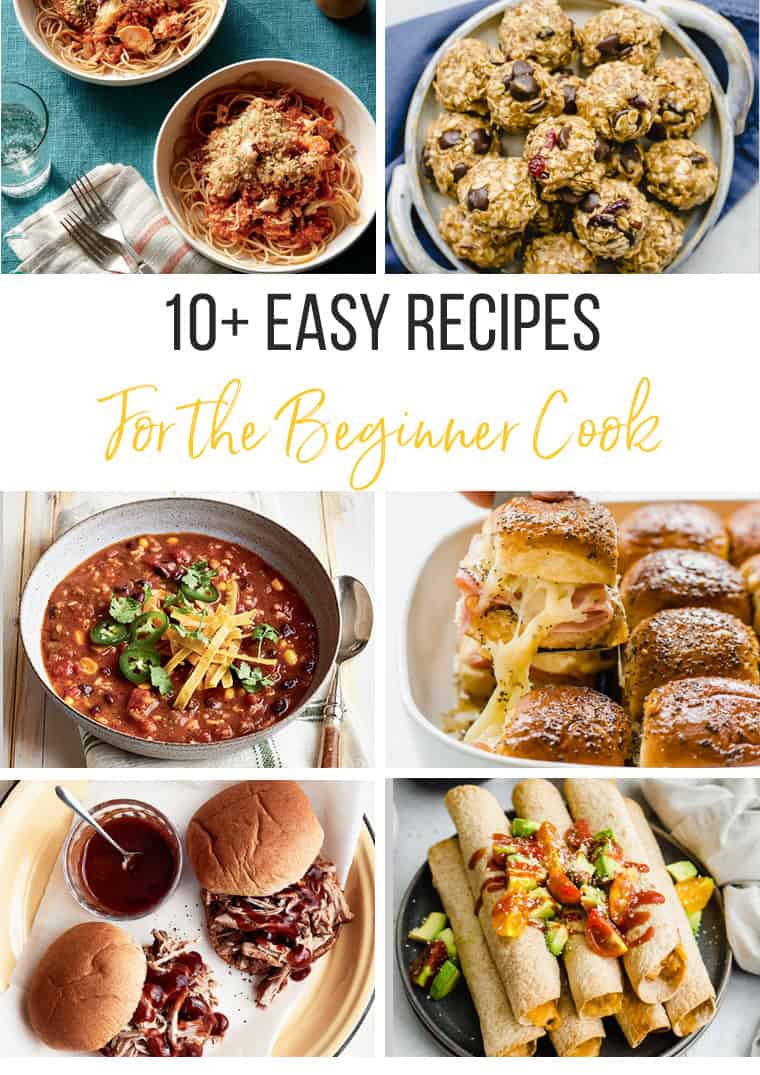
Home Cooking Mastery: A Practical Guide to Better Meals and Happier Kitchens
Introduction
Preparing meals in your own kitchen has moved from weekend hobby to daily habit for millions of households. This guide walks you through why home cooking matters, what you gain from it, and how to make the process smooth, enjoyable, and reliably delicious.

The Importance of Cooking at Home
When you cook for yourself, you decide exactly what goes on the plate. That freedom is priceless for anyone with allergies, fitness goals, or simply a preference for real food. Beyond health, home cooking keeps budgets in check: a tray of roasted vegetables and grains costs noticeably less than a comparable restaurant entrée, and the leftovers stretch even further.
There is also the quieter reward of ritual. Chopping onions, stirring soup, or kneading dough can feel like meditation in motion. Sharing those tasks with family or friends turns an everyday chore into low-key quality time.
Benefits of Homemade Meals
Nutritional Value

Meals you assemble yourself usually contain more produce, fiber, and balanced portions than take-out alternatives. You can dial salt, sugar, or oil up or down to suit your needs without sacrificing flavor.
Health Benefits
Consistently eating home-cooked food is linked to healthier body weight, steadier energy, and lower risk of diet-related illness. Building plates around vegetables, whole grains, and lean proteins becomes second nature when you are the cook.
Financial Savings
A well-stocked pantry and a simple plan can trim weekly food spending. Bulk staples such as beans, rice, and frozen produce provide the backbone for dozens of quick, inexpensive meals.
Emotional and Social Benefits
The kitchen is often the heart of the home. Trying a new recipe, teaching a child to whisk, or hosting a make-your-own-pizza night creates memories that outlast the last bite.
Tips for Successful Home Cooking
Plan Your Meals
Jot down three to five dishes you want that week, check what you already have, and shop once. A flexible plan prevents impulse purchases and weeknight panic.
Learn Basic Cooking Techniques
Master a handful of methods—sauté, roast, simmer, steam—and you can cook almost any ingredient. Watch short videos, practice, and keep notes on timing and temperatures you like.
Use Fresh, Whole Ingredients
Build meals around produce that looks vibrant, proteins that smell clean, and grains that still have their natural color and scent. Fresh food tastes better and needs less embellishment.
Take Your Time
Give vegetables space in the pan, let dough rest, allow flavors to meld. Patience turns good ingredients into great meals and keeps the experience stress-free.
Conclusion
Cooking at home is a life skill that pays daily dividends: better health, lower costs, and moments of calm creativity. Start small, stay curious, and let your kitchen become the place where good habits and great flavors thrive.
Future Research Directions
Future studies could explore how regular home cooking affects stress levels, investigate new time-saving techniques that keep nutrients intact, and examine how smart appliances might encourage more people to cook from scratch.