


The Art and Science of Cooking: A Practical Guide
Introduction
Recipes have guided home cooks and professionals for generations. They turn raw ingredients into meals that nourish, comfort, and bring people together. This overview looks at why recipes matter, the science that makes them work, and how new tools keep changing the way we cook.
Why Recipes Matter
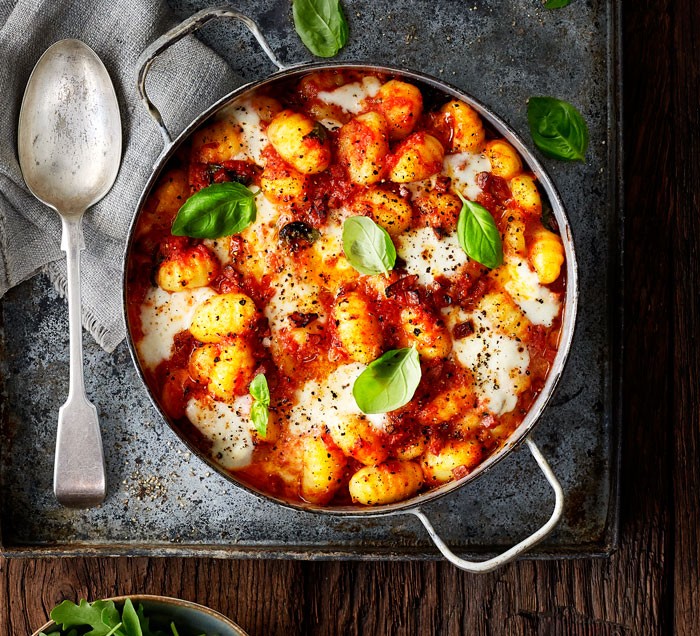
A good recipe is more than a set of steps; it is a bridge between tradition and creativity. Clear instructions help cooks of any level reproduce flavors, refine skills, and feel confident enough to experiment.
Cultural Connection
Dishes often carry the story of a place. Local produce, favored spices, and long-used methods show up on the plate, allowing anyone who follows the recipe to taste a culture without leaving the kitchen.
Skill Building
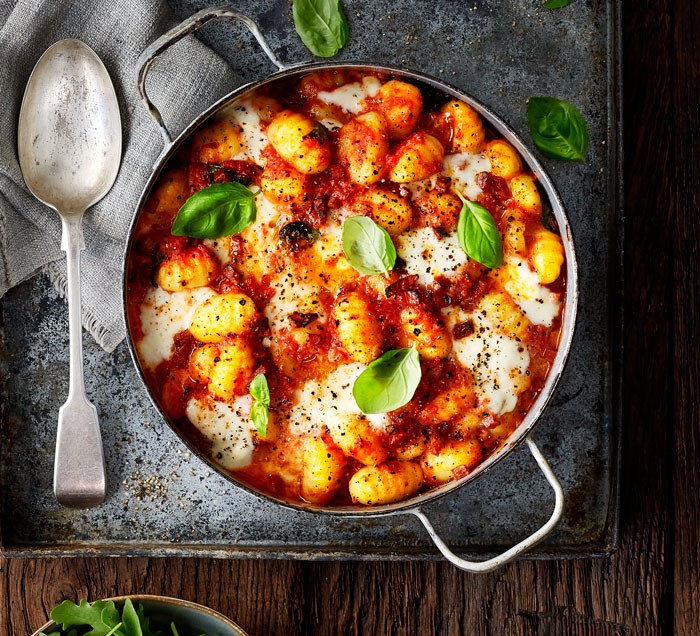
Step-by-step directions teach timing, heat control, and texture cues. Repeating these lessons improves technique and builds intuition that can later be applied to original creations.
Room to Experiment
Once a base recipe is mastered, small changes—an extra herb, a different fat, a new finishing touch—open the door to personal interpretation and fresh flavor combinations.
The Science on the Stove
Cooking is applied chemistry. A grasp of a few core ideas helps any recipe turn out better and more consistently.
Heat Movement
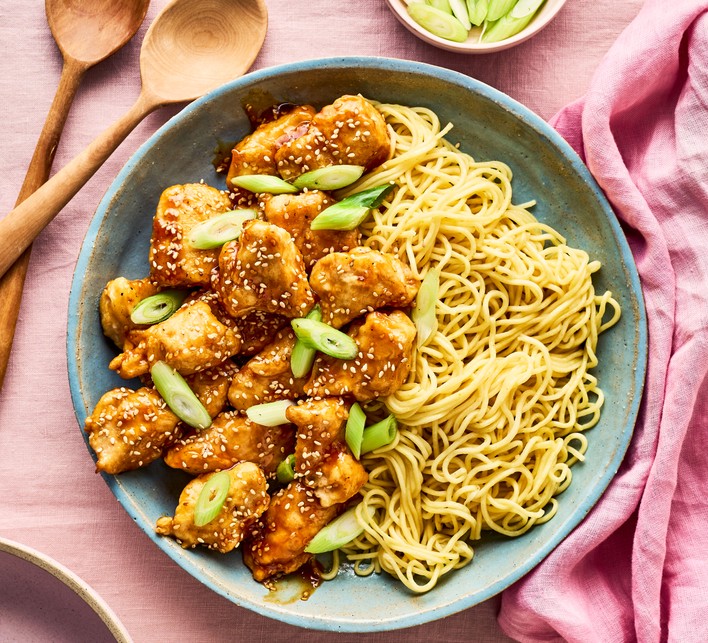
Food cooks when heat travels from its source to the center of the ingredient. Conduction sears a steak, convection roasts vegetables evenly, and radiant heat finishes a gratin’s crust.
Flavor Reactions
Browning reactions create complex aromas. When proteins and natural sugars meet high heat, they form new compounds that give bread crusts, grilled meats, and toasted nuts their distinctive taste.
Enzyme Activity

Natural enzymes soften vegetables, ripen fruits, or tenderize meats. Controlling temperature and time guides these enzymes so they help rather than hurt the final texture.
Keys to Reliable Results
Several variables decide whether a dish shines or falls flat.
Ingredient Quality
Fresh, seasonal items need little adornment. Choosing produce at its peak and storing it properly preserves flavor and reduces waste.
Solid Technique
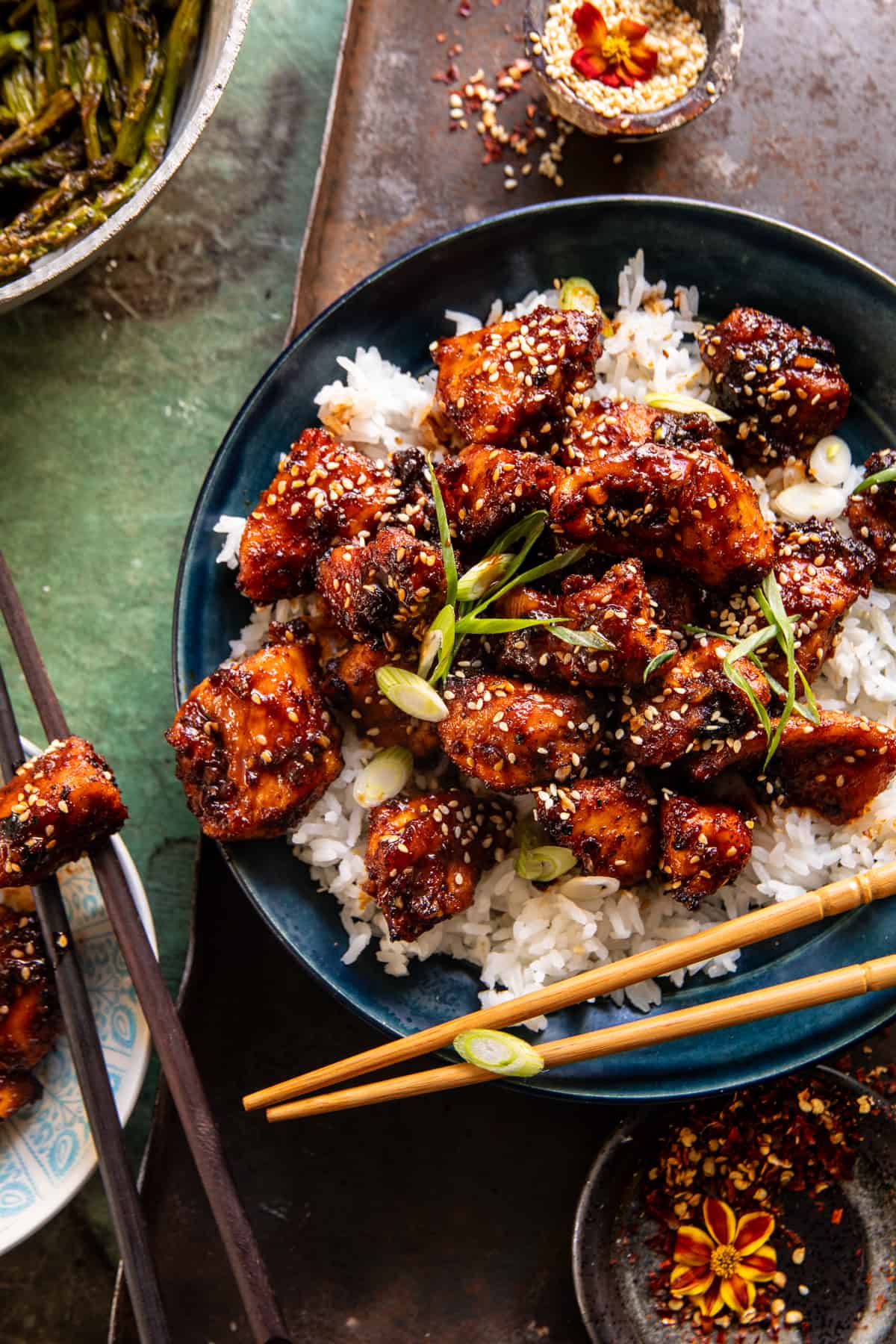
Uniform knife cuts cook evenly, resting dough relaxes gluten, and resting meat redistributes juices. Small technical details add up to big improvements.
Proper Tools
Sharp knives, heavy pans, and accurate thermometers remove guesswork. Reliable equipment lets the cook focus on flavor instead of fighting the gear.
Accurate Timing
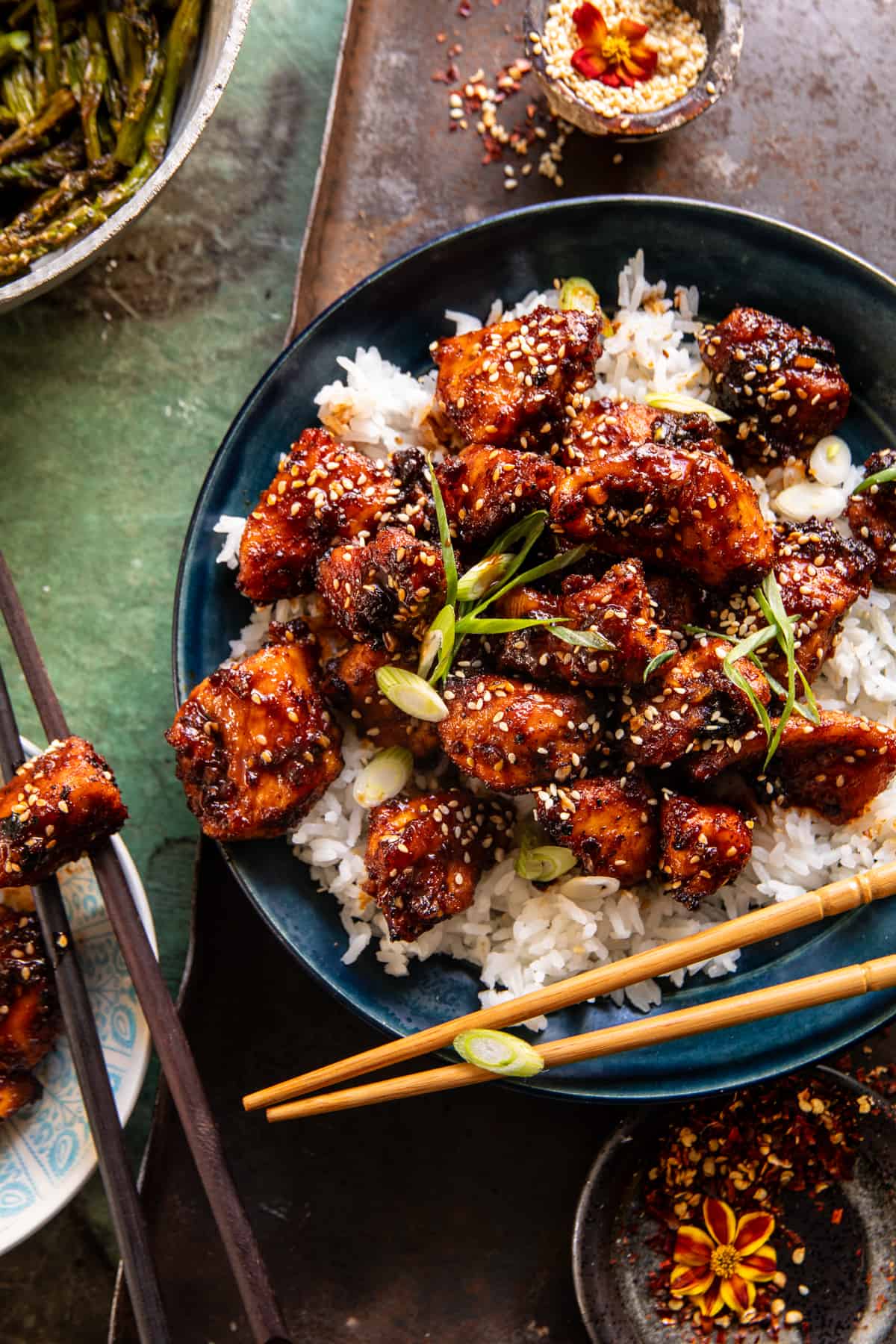
Overcooked pasta turns mushy; under-baked bread stays gummy. Following suggested times—and learning the visual or textural signs that confirm doneness—prevents disappointment.
Technology in Today’s Kitchen
Digital advances continue to reshape how recipes are shared and executed.
Online Libraries
Websites and apps store thousands of recipes searchable by ingredient, diet, or cooking time. Built-in timers and adjustable serving sizes make scaling and scheduling easier.
Social Inspiration
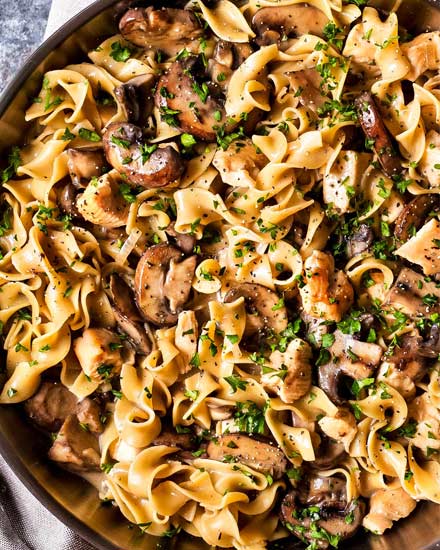
Photos and short videos on social platforms spark new ideas. Cooks swap tips in comment threads and adapt trending dishes to local tastes.
Smart Appliances
Connected ovens, precision cookers, and app-guided scales automate temperature and timing, freeing the cook to focus on seasoning and presentation.
Tomorrow’s Table
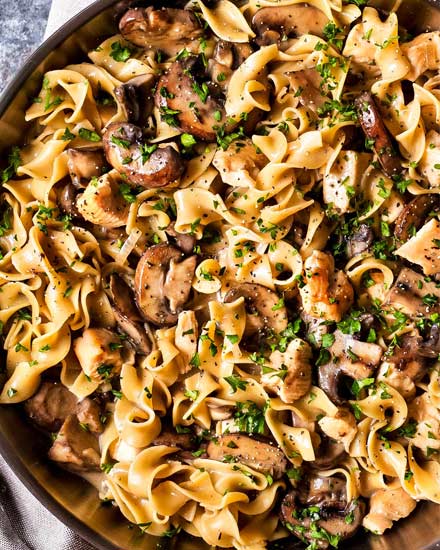
Innovation shows no sign of slowing. Several themes are poised to shape what we eat next.
More Plants on the Plate
Interest in sustainable meals drives chefs to craft vegetable-forward dishes that satisfy like traditional entrées. Expect better meat alternatives and creative uses for legumes, grains, and fungi.
Science-Forward Cooking
Techniques once limited to laboratories—controlled gels, rapid infusions, edible films—are entering home kitchens, encouraging playful textures and surprising presentations.
Meals Made for You
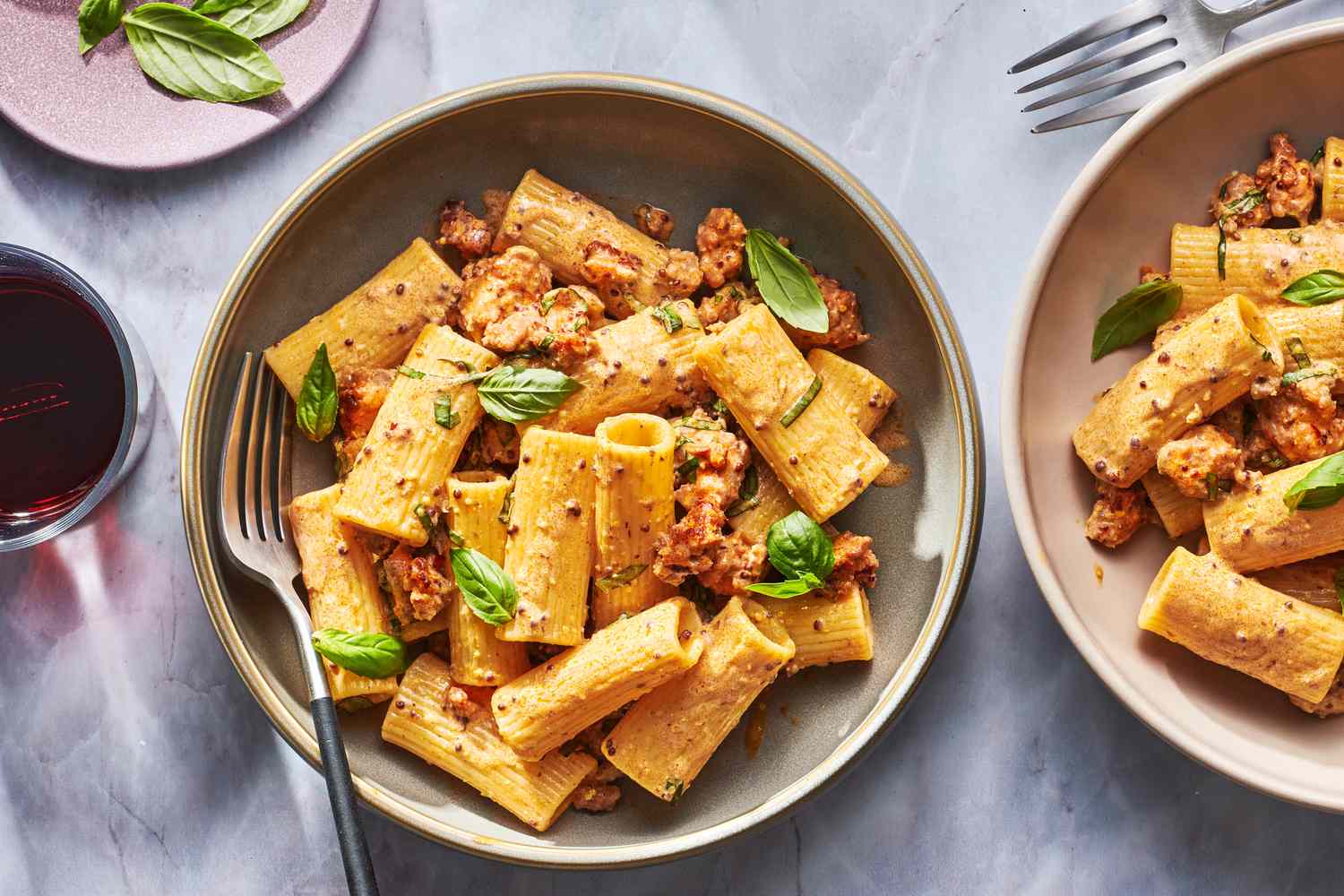
Data-driven apps may soon adjust recipes to individual nutrient needs, activity levels, or flavor preferences, making balanced eating simpler and more enjoyable.
Conclusion
Recipes remain the common language of the kitchen, linking past and future, novice and expert. By understanding the principles behind them and embracing new tools, anyone can turn everyday ingredients into memorable meals and contribute to an ever-evolving global table.


