

How to Cook Recipe: A Comprehensive Guide to Mastering the Art of Cooking
Cooking is a life skill that rewards curiosity and practice. Whether you are just starting out or have years of experience, every session in the kitchen offers a chance to improve. This guide walks you through the essentials of working with recipes, choosing ingredients, and applying core techniques so that each dish turns out flavorful and satisfying.
The Importance of Following Recipes
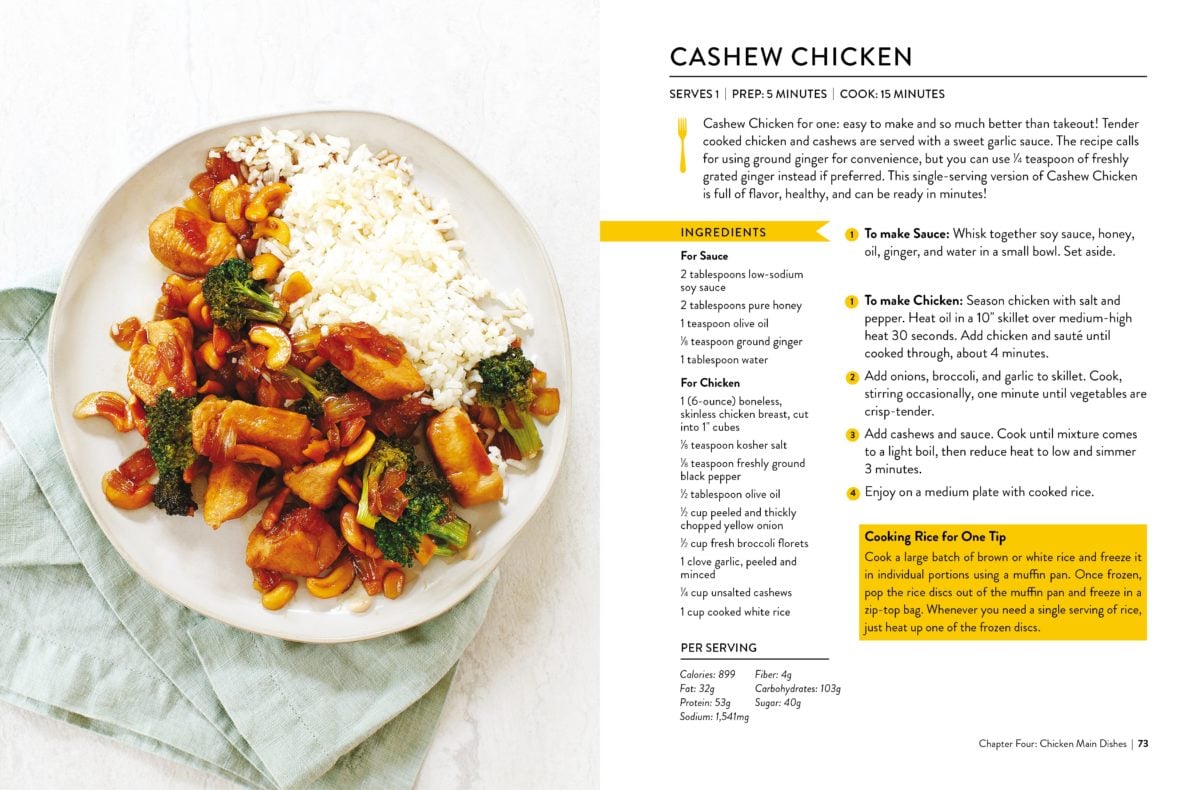
A reliable recipe acts like a roadmap: it keeps you on track, prevents common mistakes, and introduces new methods in a logical order. By trusting the stated steps and proportions, you free your mind to notice textures, aromas, and timing instead of second-guessing quantities. Over time, this discipline builds intuition, allowing you to cook with greater confidence and creativity.
Studies repeatedly show that cooks who measure carefully and respect the prescribed sequence produce more consistent results. The repetition of structured steps trains the palate and the eye, turning occasional successes into everyday standards.
Understanding Ingredients
Great meals begin with ingredients that taste alive. A few guiding principles will help you choose wisely:
Freshness
Seek produce that still carries the scent of soil or sea, firm to the touch and bright in color. Fresh herbs, crisp vegetables, and recently cut proteins bring vibrancy that no amount of seasoning can replicate later.
Quality
Whenever possible, opt for whole foods handled with care: grains that smell nutty, meats from responsibly raised animals, and dairy with short, recognizable ingredient lists. Higher quality raw materials require fewer additions and yield cleaner flavors.
Balance
Think of a dish as a small ecosystem. Contrast soft and crunchy, sweet and acidic, rich and bright. Tasting as you go lets you adjust salt, acid, or sweetness gradually until every element supports the others.
Mastering Cooking Techniques
Technique is the bridge between ingredients and the final plate. Focus on these foundational methods:
Sautéing
Use a wide pan set over medium-high heat with just enough oil to film the surface. Cut food into even pieces so they cook at the same rate, then spread them in a single layer without crowding. Listen for a steady sizzle; it signals proper searing and color development.
Baking
Preheat the oven fully before the food goes in. Uniform shape and spacing encourage even heat circulation, whether you are roasting root vegetables or baking a sponge cake. Resist the urge to open the door too often—heat loss can deflate rising batters or prolong roasting times.
Boiling
Bring water to a vigorous boil before adding pasta, grains, or vegetables. Salt the water until it tastes faintly like the sea; this is your first chance to season from the inside out. Stir briefly after adding food to prevent sticking, then maintain an active boil for the recommended time.
Frying
Choose an oil with a high smoke point and heat it gradually until a small piece of food sizzles immediately on contact. Fry in small batches to keep the temperature steady, turning items once for even color. Drain on a rack or paper towel to preserve crispness.

Expert Tips and Tricks
Sharpen your skills further with these practical habits:
Use the Right Tools
A sharp chef’s knife, a heavy cutting board, and a reliable thermometer speed up prep and improve safety. Keep pans clean and dry to maintain their surfaces; a well-cared-for tool often outperforms an expensive replacement.
Measure Ingredients Accurately

Use dry cups for flour and sugar, liquid cups for stock or milk, and level off with a straight edge. Consistent measuring removes guesswork and makes recipes repeatable.
Practice Patience
Let onions sweat until translucent, allow meat to rest before slicing, and give bread time to cool so crumb sets. Good timing transforms texture and flavor more than any extra ingredient ever could.
Experiment with Flavors
Once you understand a basic template, swap herbs, spices, or acids to create new versions. Keep notes on what you change; small variations teach you how each component behaves.
Conclusion
Becoming a confident cook is less about talent than about attentive repetition. Follow recipes closely at first, choose fresh balanced ingredients, master a handful of core techniques, and remain curious. Over time, the process becomes second nature, and the kitchen turns into a place of creativity, comfort, and shared pleasure. Enjoy every step of the journey.


