

The Art of Sequencing Dinner: Elevating the Everyday Meal
Introduction
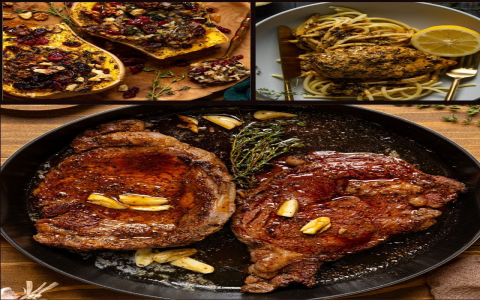
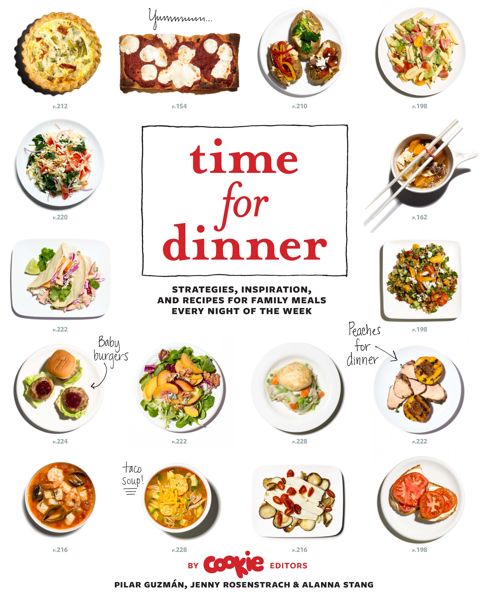
The dinner table is more than a spot to eat; it is a stage where the order of appearance turns food into an experience. Choosing which dish arrives first, second, and last can shape flavor memory, appetite, and even conversation. This article looks at why sequence matters, drawing on global customs and simple kitchen science to show how thoughtful pacing can make any meal feel like an occasion.
The Psychology of Order in Dinner
The First Impression: Starters
A small, bright bite at the start wakes up taste buds and sets expectations. A chilled soup spoon or a single leaf wrapped around citrus can signal lightness, while a warm, spiced puff hints at richer things to come. The key is contrast: if the main dish will be hearty, the opener should feel like a gentle breeze.
The Main Course: Balancing Flavors and Textures
Mid-meal is the crescendo. Begin with something cleansing—a salad or broth—then move to the protein or centerpiece. Finish the savory line-up with a side that refreshes, such as quick-pickled vegetables or a herb salad. This wave of rising and falling intensity keeps the palate alert without fatigue.
The Science of Food Pairing
Flavor Compatibility
Sweetness tames heat, acid lifts fat, and bitterness balances sugar. Chefs lean on these opposites so every forkful feels complete. A tangy sorbet between courses, for example, resets the tongue and makes the next bite taste new again.
Texture Contrast
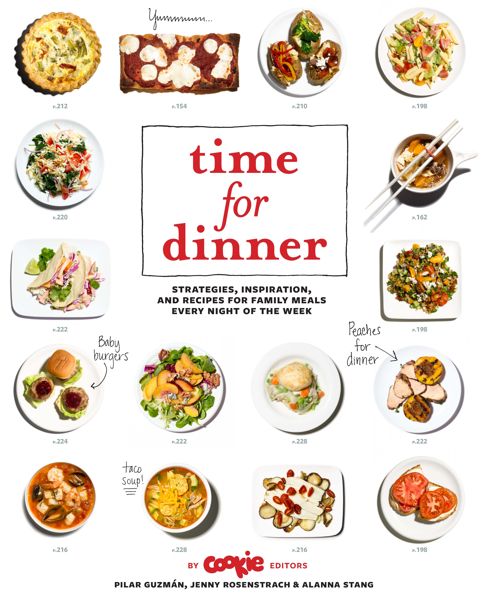
Alternating silk and crunch keeps diners curious. Picture a velvety carrot purée followed by seeded crackers topped with avocado, then a slow-cooked slice of meat finished with crackling crumbs. The swing from soft to crisp is a quiet thrill that repeats bite after bite.
Cultural Influences on Dinner Order
European Traditions
Many European menus stroll from light to rich: a modest opener, a soup or salad, the main event, a small cheese or vegetable interlude, and a sweet finale. The rhythm feels like a short story with a clear beginning, middle, and happy ending.
Japanese Cuisine
Japanese meals treat sequence as poetry. A clear broth might precede delicate raw fish, followed by rice, then a tiny sweet. Each item occupies its own moment, preventing flavors from stacking and allowing seasonal subtleties to speak softly.
The Role of Seasonality

Seasonal Ingredients
Spring suggests tender peas and shoots; summer brings tomatoes and stone fruit; autumn offers roots and squash; winter calls for citrus and hardy greens. Leading with what is fresh outside makes the menu feel inevitable rather than planned, as if the earth itself wrote the order.
Conclusion
Arranging dinner is part craft, part kindness. When courses arrive in a considered flow, taste is sharper, moods lift, and even simple ingredients feel special. Whether the inspiration comes from science, culture, or the garden outside, the goal is the same: a meal that lingers in memory longer than it lasts on the plate.
Future Directions
Tomorrow’s tables may adapt to personal rhythm—smaller, quicker plates for weeknights; longer, storytelling menus for weekends. Apps might track preferences and suggest sequences, yet the heart will remain human: the quiet joy of offering the right bite at the perfect moment.


