The Role and Significance of Shared Meals in Contemporary Life
Introduction
Shared meals have quietly become one of the most reliable ways for people to connect, learn about one another, and celebrate everyday life. Whether organized around a single dish or an entire culinary tradition, these gatherings turn eating into an act of community. This article looks at why communal meals matter, how they shape identity, and what they offer neighborhoods, towns, and cities alike.
The Concept of Shared Meals
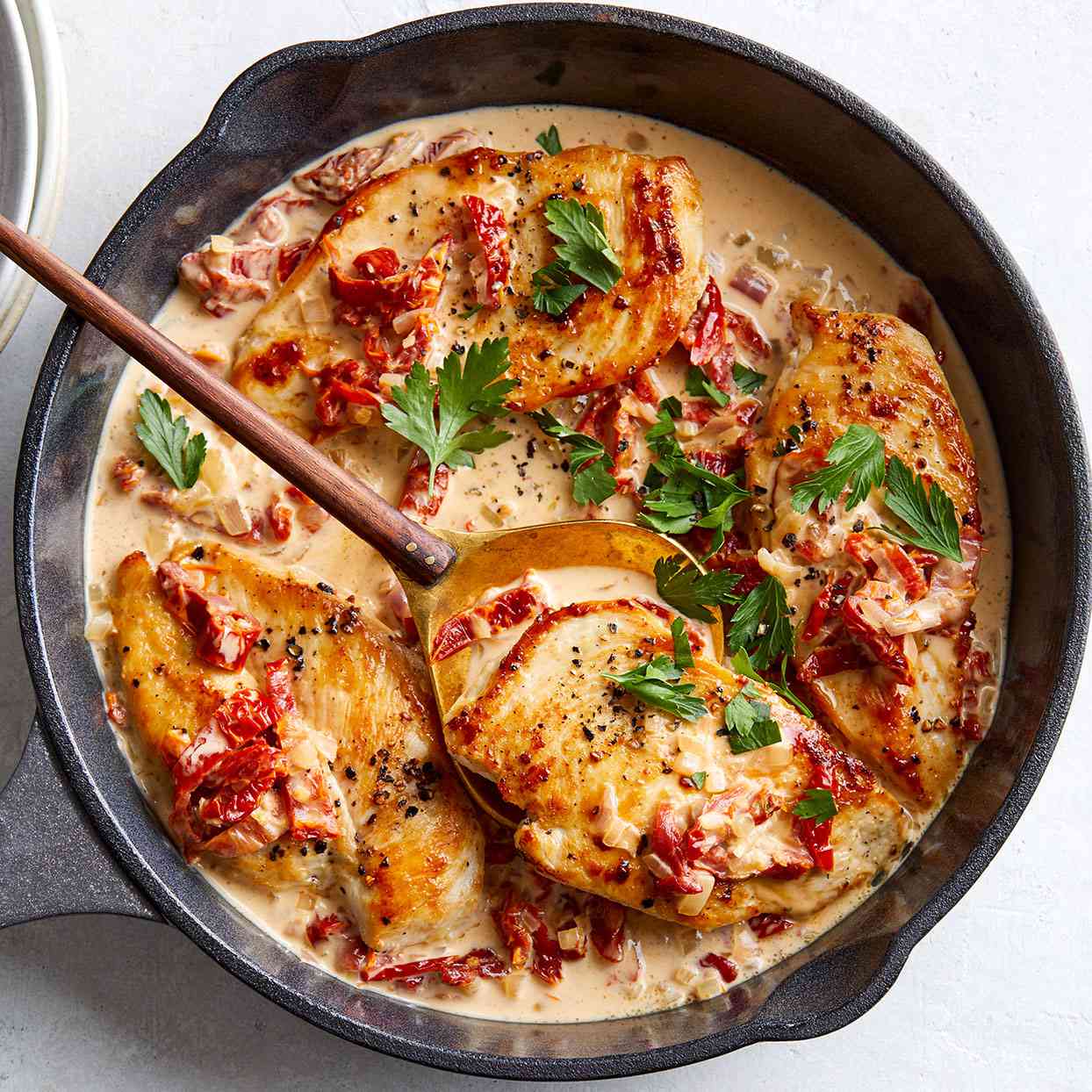
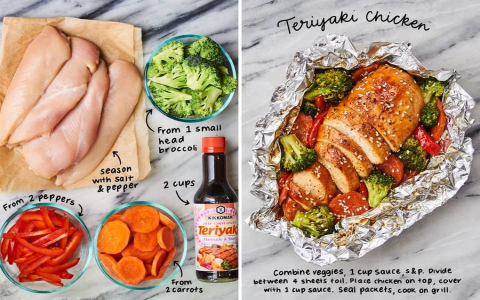
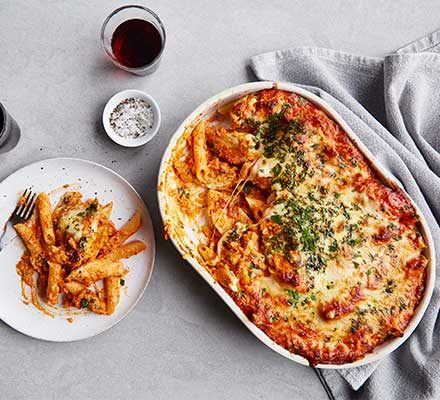
A shared meal is any occasion where food is eaten collectively, from a backyard barbecue to a ticketed tasting night. The menu may be simple or elaborate, the venue a park bench or a banquet hall, yet the core idea stays the same: food is the bridge that brings people to the same table.
Social Interaction and Community Building
When strangers pass dishes or neighbors refill one another’s glasses, conversation flows more easily than it might in a formal meeting. Regular eat-together events give participants a predictable space to form friendships, swap stories, and feel part of something larger than themselves. Over time, these repeated encounters can lower social barriers and nurture trust.
Case Study: The Neighborhood Potluck Circle
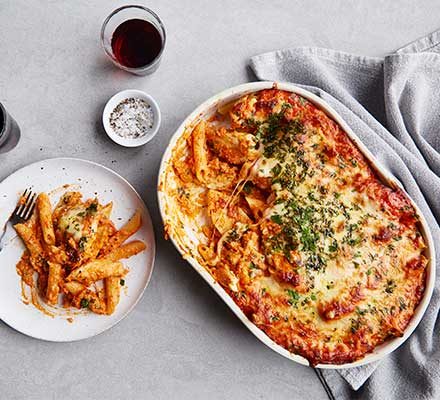
In one mid-sized city, volunteers launched a monthly potluck circle that rotates among front porches and community gardens. Guests bring a plate, label any allergens, and leave with new recipes and phone numbers. Attendance has grown steadily, and local agencies now donate surplus produce so that everyone—regardless of budget—can contribute and enjoy.
Culinary Exploration and Cultural Exchange
Communal tables double as informal classrooms. A bite of someone’s grandmother’s stew can spark questions about spices, farming, or migration stories. Cooks gain confidence sharing heritage dishes, while tasters expand their palates and, by extension, their understanding of the world.
Case Study: The Global Street-Food Night Market
A coastal town hosts an annual night market where home cooks set up stalls modeled after street-food carts. Visitors might start with Ethiopian injera, move on to Vietnamese rice paper rolls, and finish with Brazilian cheese bread—all within a few steps. Cooking demos and storytelling sessions run alongside the food, turning the event into a living atlas of flavor.
Economic Impact
Regular food gatherings can strengthen local economies. Pop-up dinners attract visitors who also shop nearby, while recurring markets create part-time income for growers, artisans, and musicians. Over time, a reputation for lively food events can help a district brand itself as a destination worth the trip.
Case Study: The Harvest Weekend
A rural region invites neighboring cities to a weekend celebrating the harvest. Ticketed farm tours, orchard picnics, and evening barn dinners sell out months in advance. Local B&Bs, petrol stations, and craft shops report higher sales, and farmers gain direct feedback that influences next season’s planting choices.
Challenges and Solutions
Even the friendliest meal can exclude those who cannot afford a ticket, lack transport, or feel unwelcome. Organizers are experimenting with sliding-scale pricing, bike-bus partnerships, and multilingual invitations. Some events reserve tables for community-service groups, ensuring that everyone who helps prepare the food also gets a seat.
Conclusion
From folding chairs in a church basement to candlelit tables on a rooftop, shared meals knit society together. They feed curiosity, circulate resources, and remind participants that cooperation can be as simple as passing the bread. By keeping these gatherings open, affordable, and rooted in mutual respect, communities turn ordinary calories into lasting social energy.
Future Directions
Looking ahead, organizers are testing zero-waste protocols, digital RSVP systems that reduce food waste, and outreach programs that pair seasoned hosts with first-time planners. If these experiments succeed, the communal table will keep growing—longer, more inclusive, and every bit as delicious.