

The Big Mac Index: A Window into Global Economic Parity
Introduction
The Big Mac index, a playful yardstick invented by a well-known magazine, turns a fast-food staple into a global price tag. By stacking burger prices side-by-side, it offers a quick snapshot of how far money stretches in different corners of the world. This article explores how the index works, what it hints at for world markets, and why a sandwich can double as an economic compass.
The Concept of the Big Mac Index
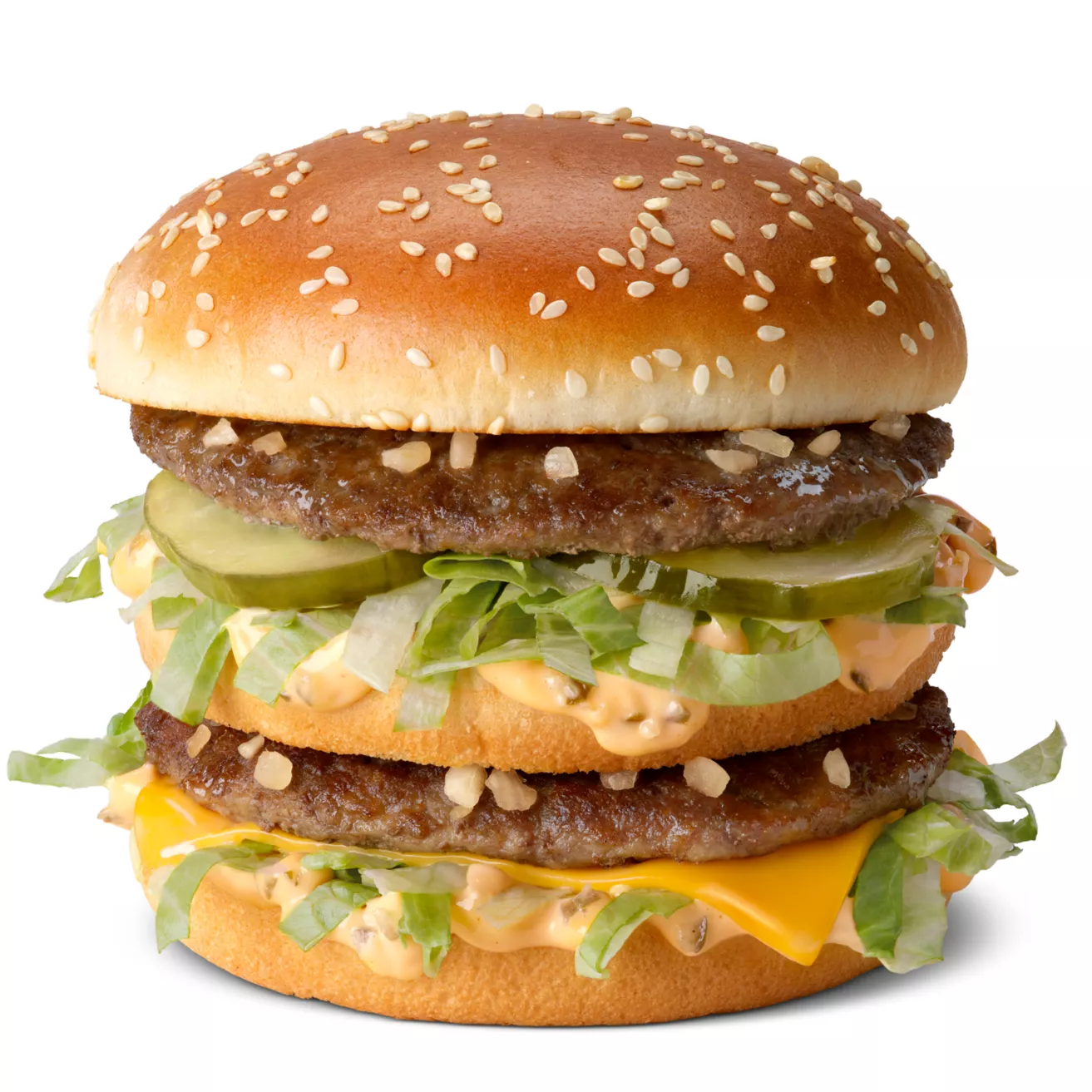
At its core, the index asks a simple question: what does the same burger cost after swapping currencies? If the converted price looks too high or too low, the index waves a little flag suggesting the exchange rate may be out of line with everyday purchasing power.
The Big Mac Index and Purchasing Power Parity
Purchasing power parity says that, in theory, a consumer should pay the same for an identical item anywhere once exchange rates are factored in. The Big Mac steps in as the identical item—widely available, barely changed from Delhi to Denver—making cross-border comparisons easy.
Evidence from the Big Mac Index
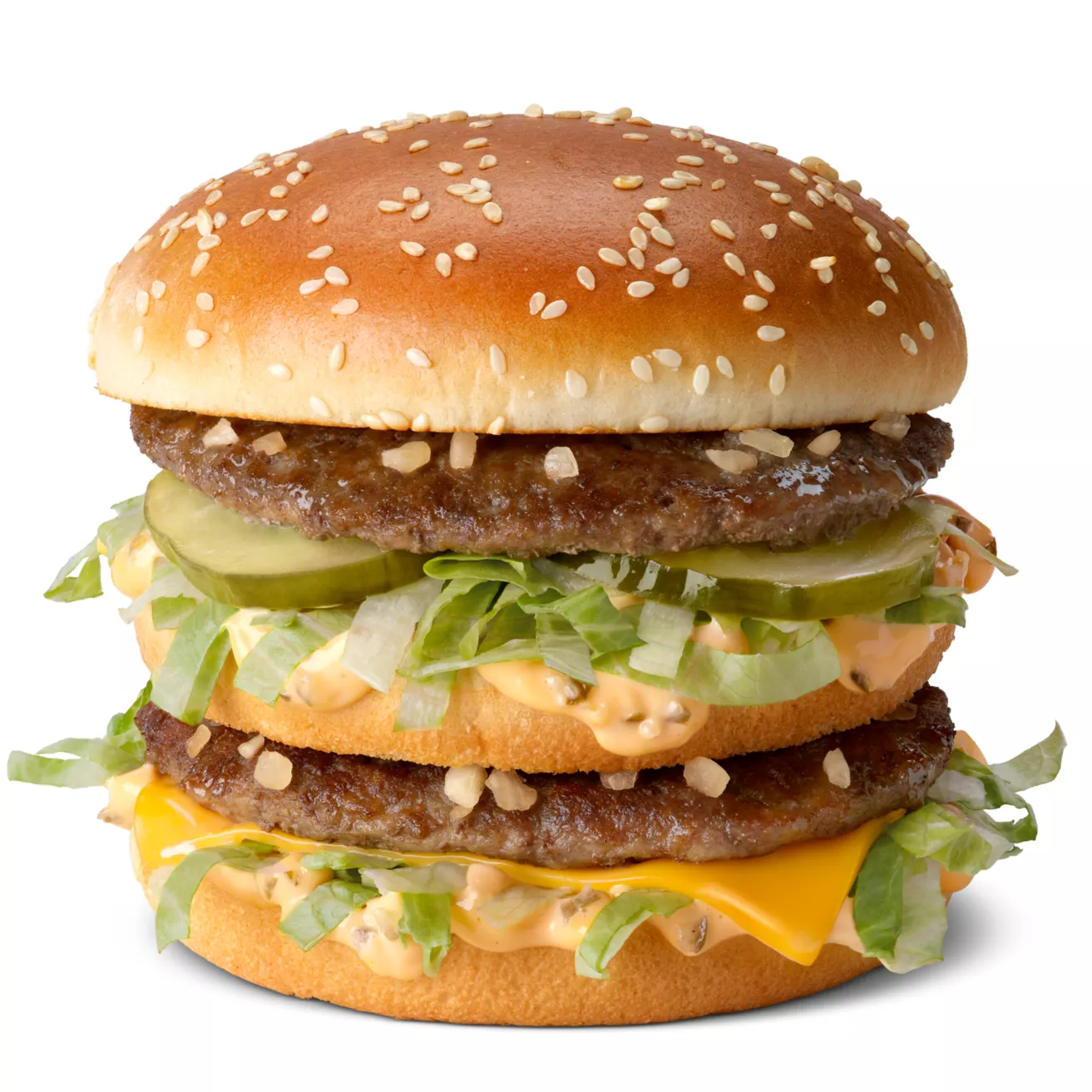
Year after year, the burger meter shows a mixed menu: some currencies appear pricier than their exchange rates imply, others cheaper. These gaps hint at where tourists might find their wallets unexpectedly thick or thin.
The Big Mac Index and Economic Theories
The index has wandered into classrooms and policy papers, illustrating several big ideas:
The Law of One Price
Economists dream that identical goods should wear identical price tags once converted. The burger’s globe-trotting price tag reveals that reality often skips the dream, with gaps wide enough to drive a food truck through.
The Balassa-Samuelson Effect
Richer countries often pay higher wages in sectors that do not cross borders—think restaurant cooks rather than microchips. Those wage gaps can push up the local price of a burger, and the index captures the pattern neatly.
The Limitations of the Big Mac Index
Before betting the farm on beef, remember the tool’s blind spots:
Market Basket Bias
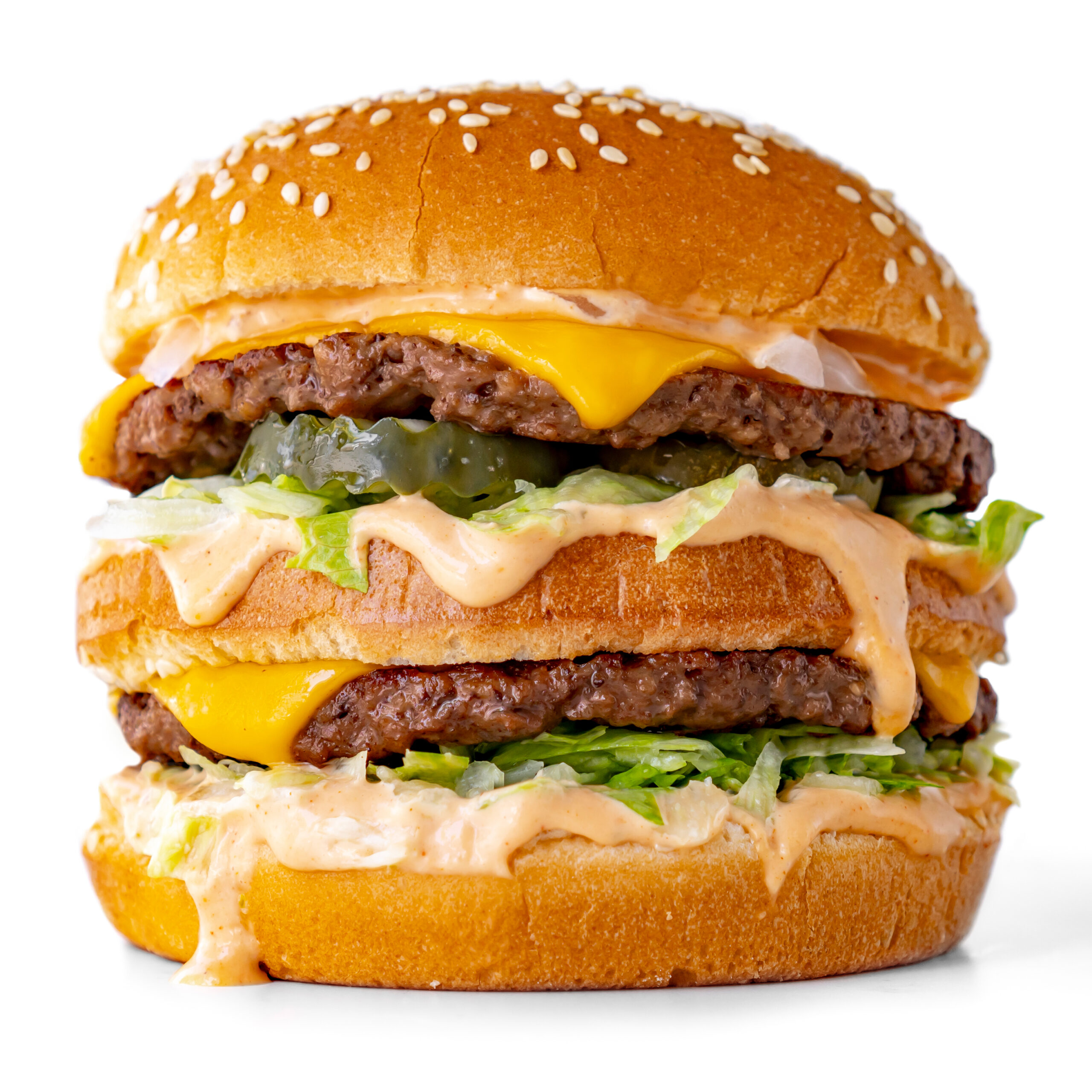
One sandwich is hardly the whole shopping cart. Diets, rents, and bus fares differ wildly, so the burger may misrepresent overall living costs.
Quality Differences
Same name, different bite: lettuce freshness, portion size, even the softness of the bun can vary, nudging prices up or down for reasons unrelated to macroeconomics.
Exchange Rate Fluctuations
Currencies bounce daily, but local wages, rents, and taxes move more slowly. A snapshot taken during a volatile week can exaggerate or mask longer-run trends.

The Big Mac Index in Practice
Despite its quirks, the index has found fans in unexpected places:
Government Policy
Finance ministries sometimes glance at the burger chart as a quick sense-check before speeches on competitiveness, though few would base major decisions on it alone.
Business Strategy
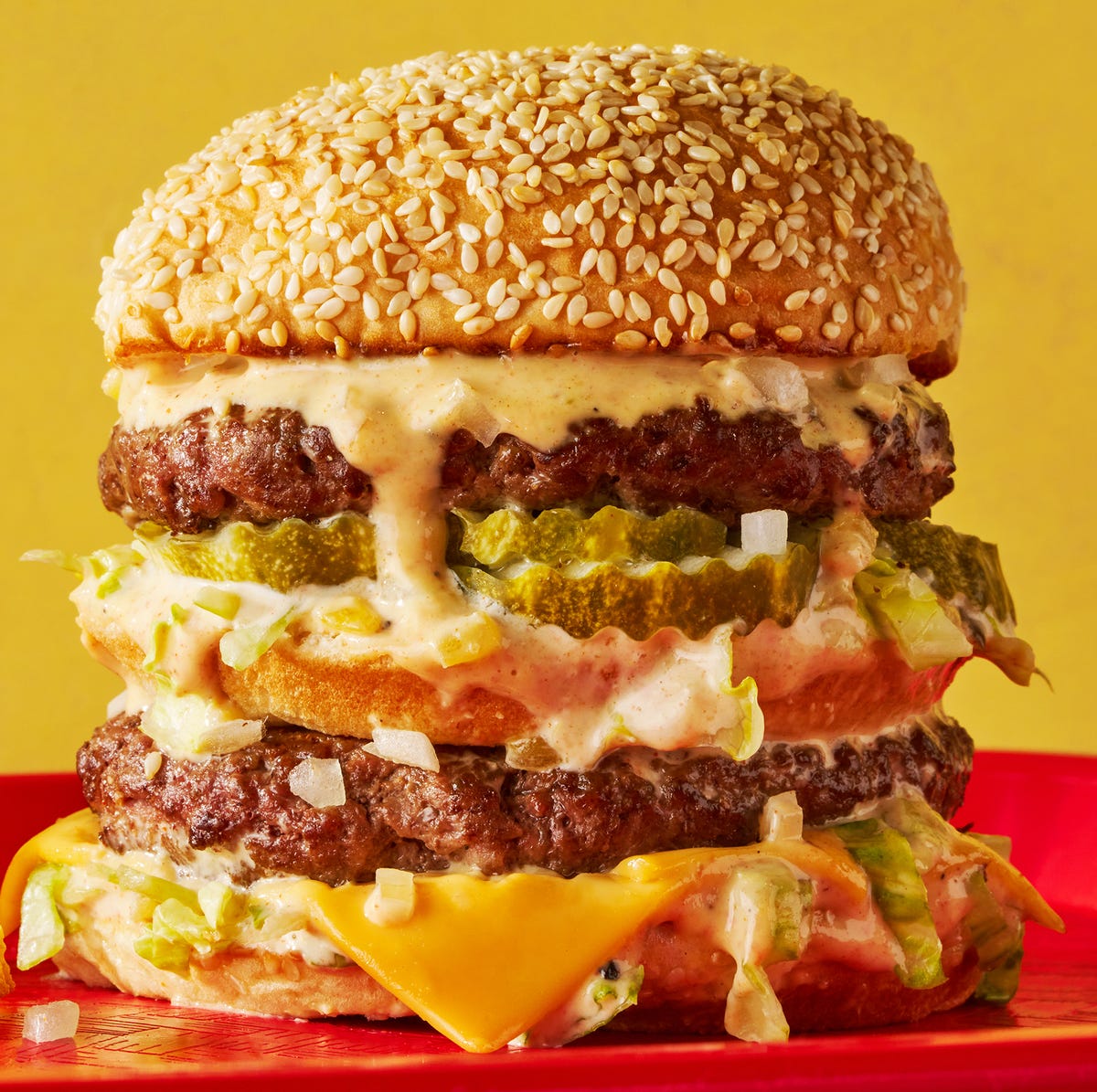
Entrepreneurs eyeing new markets use the figures as a conversation starter: if a burger feels pricey, luxury goods might too, guiding initial price lists.
Economic Research
Academics fold the data into broader studies, treating it as a ready-made, if imperfect, global price survey stretching back decades.
Conclusion
The Big Mac index remains a memorable shortcut to a dense topic. It will not replace sophisticated models, but it invites everyone—from students to CEOs—to bite into the debate on what money is really worth around the world.
Recommendations and Future Research
To keep the sandwich relevant, scholars could:
1. Add a broader basket—maybe a burger, a latte, and a monthly bus pass—to mirror real spending habits.
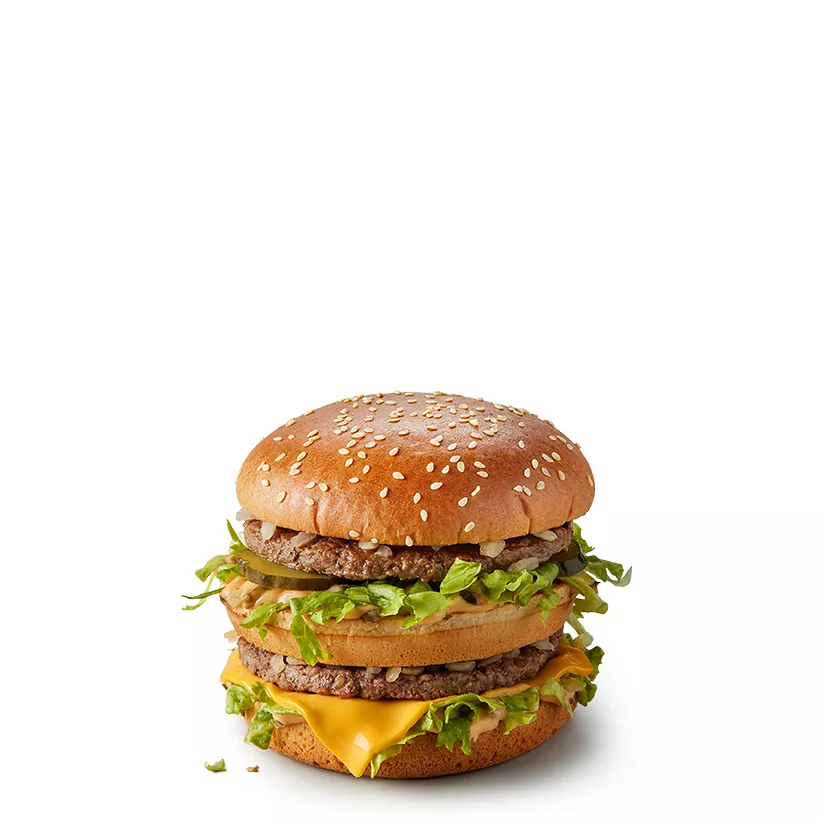
2. Adjust for quality tweaks, such as bigger patties or premium ingredients, so price gaps reflect policy rather than pickles.
3. Separate currency effects from local cost drivers like shop rents or sales taxes, sharpening the signal and reducing the noise.

With these tweaks, the humble burger could continue to grill up fresh insights on the global economy.


