

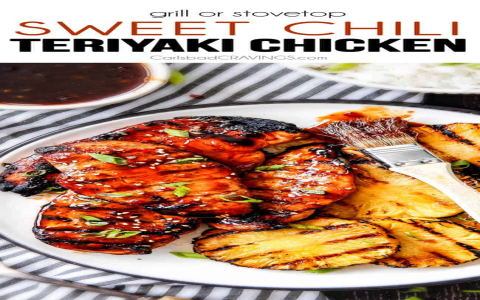
How to Prepare Teriyaki Chicken: A Complete Guide
Teriyaki chicken blends the sweet-savory glaze of classic Japanese-style sauce with juicy poultry. Whether you cook daily or rarely pick up a pan, this dish is approachable and rewarding. Below you’ll find a clear path from shopping to serving, so you can set a fragrant plate on the table with confidence.
Understanding Teriyaki Sauce
The glaze is a balance of salty soy, mild rice wine, and gentle sweetness, simmered until shiny and slightly thick. Aim for a harmony of savory, sweet, and a faint tang; taste as it reduces and adjust with a splash of water or a pinch of sugar until it coats a spoon.
Choosing the Right Chicken
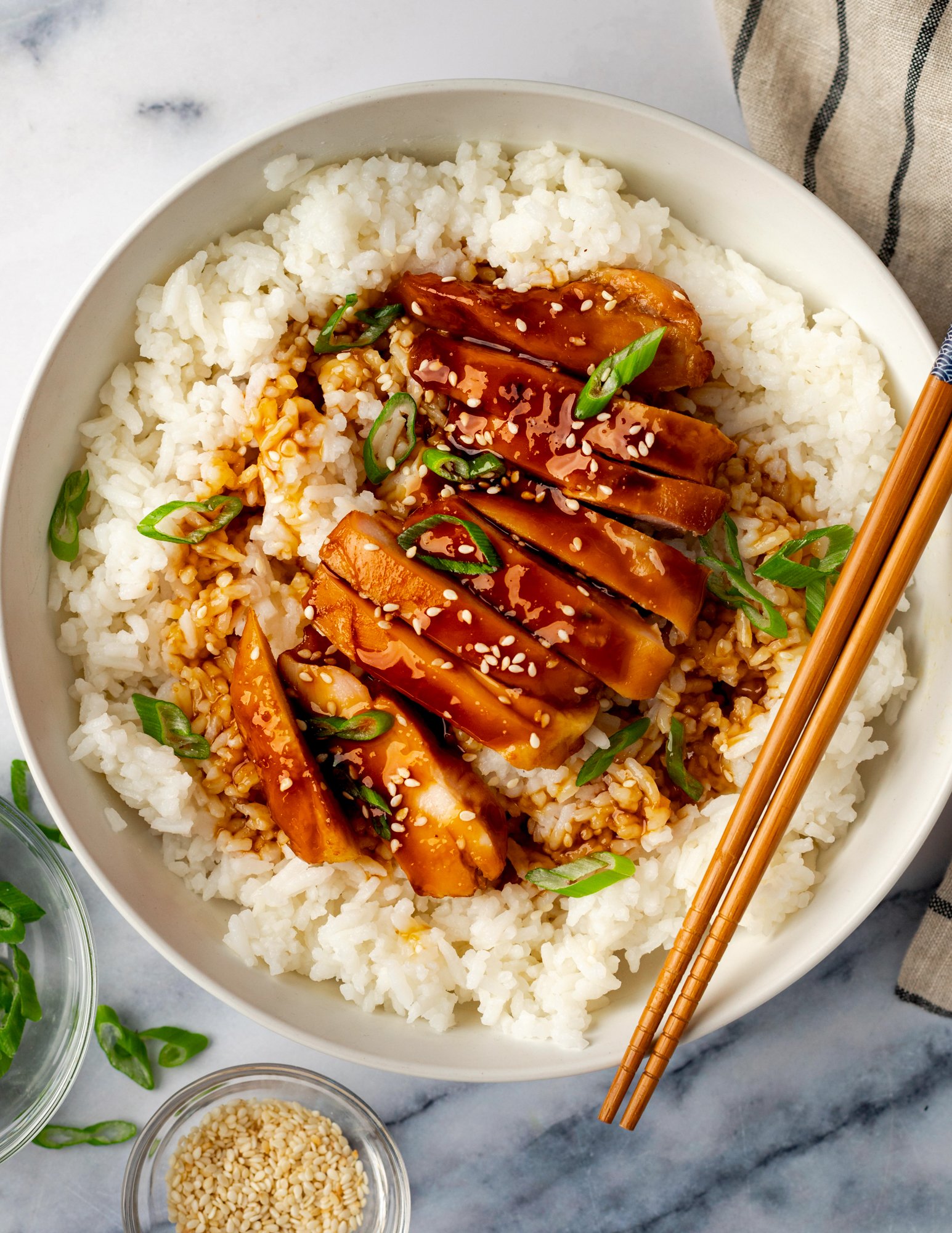
Boneless, skinless thighs stay moist and forgiving, while breasts stay lean; pick whichever you prefer. Look for plump, pale-pink meat with no off odors. A brief marinade boosts flavor, but even fifteen minutes makes a difference if you’re short on time.
Preparation and Marination
Simple steps for even cooking and deep flavor:
1. Slice the chicken into equal chunks or strips so every piece cooks at the same speed.
2. Stir together soy sauce, a little rice wine or dry sherry, a spoon of honey or brown sugar, plus grated ginger and garlic. Coat the chicken, cover, and chill for thirty minutes or up to a day.
3. While the meat rests, simmer extra marinade in a small pan until it thickens to a glossy syrup for final basting.
Cooking Techniques
Three reliable methods, one great result:
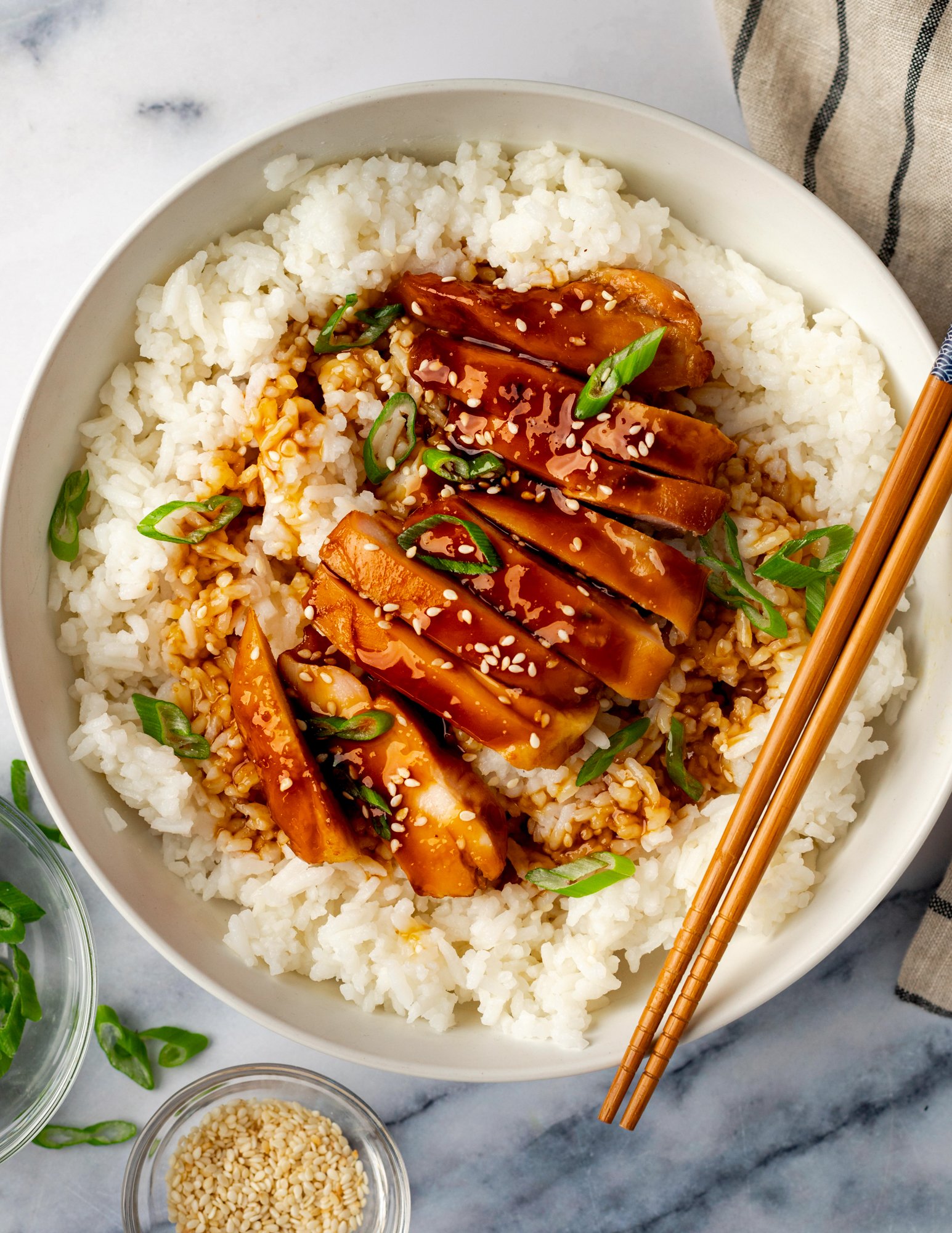
1. Pan-sear: Warm a wide skillet, film lightly with oil, and lay the chicken in a single layer. Turn once, brushing with the reduced sauce, until each piece is bronzed and cooked through.
2. Broil or grill: Thread chunks on skewers or set them on a rack, glazing halfway so the sugars caramelize without burning.
3. Steam-then-glaze: Start the chicken in a covered pan with a splash of water; when nearly done, uncover, add the sauce, and let it reduce to a sticky coat.
Serving Suggestions
Build the plate any way you like:
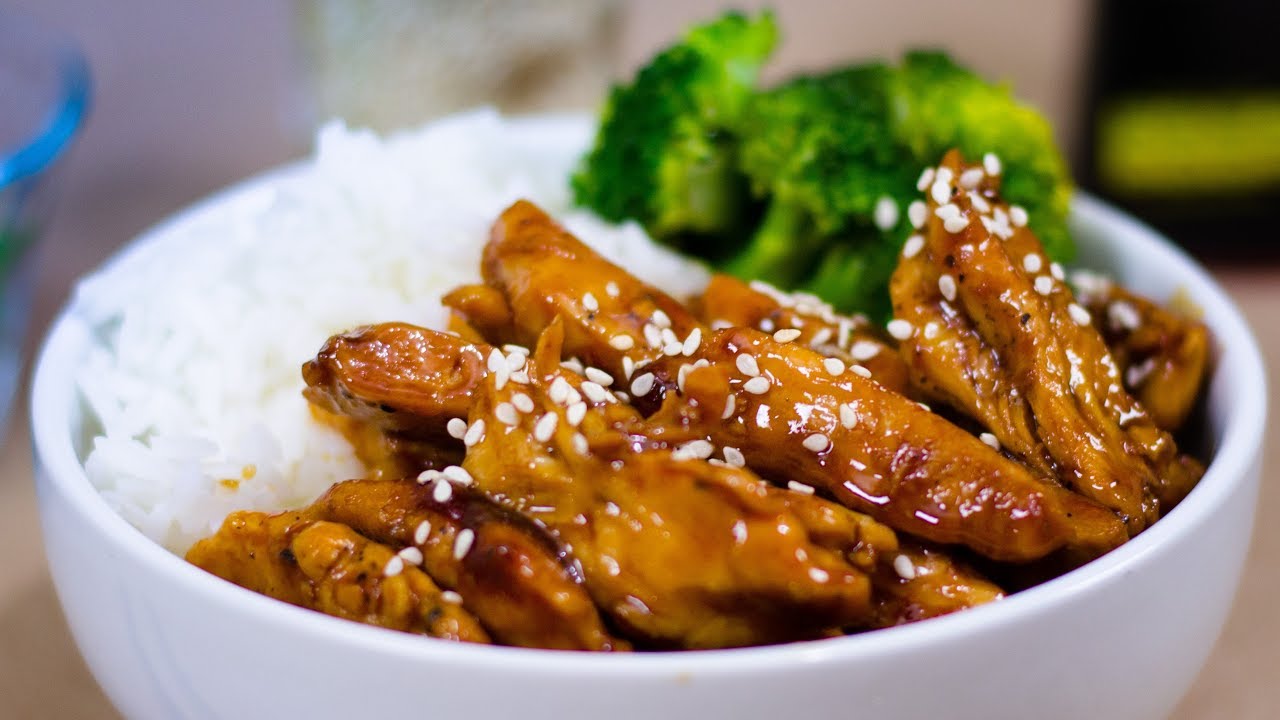
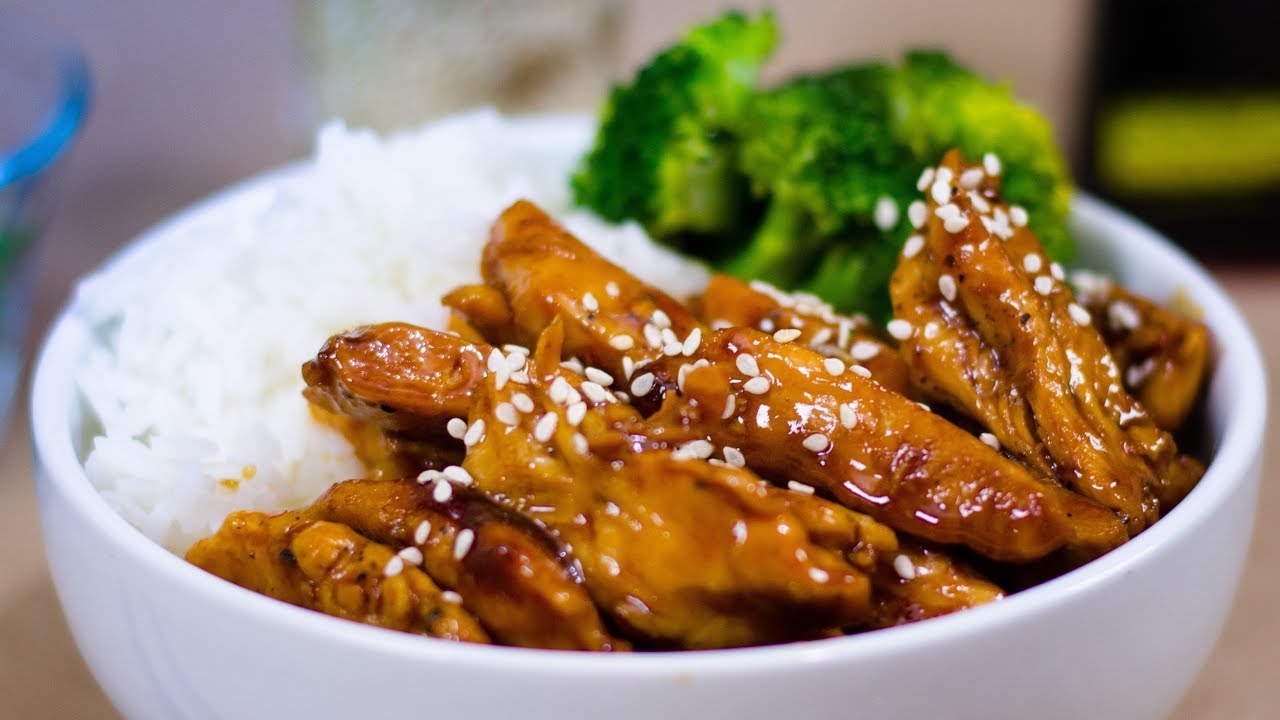
1. Pile over warm rice and sprinkle sesame seeds and sliced scallions.
2. Pair with quick vegetables—steam broccoli, sauté peppers, or roast carrots—so the bright glaze mingles with their natural sweetness.
3. Stuff into a crusty roll with crisp lettuce for an Asian-inspired sandwich.
Health Benefits
Skinless chicken supplies lean protein for muscle upkeep, while the ginger-garlic duo adds antioxidants. Using modest oil and finishing with fresh vegetables keeps calories reasonable and nutrients high, making the meal both comforting and balanced.
Conclusion
With a straightforward sauce, dependable cuts, and flexible cooking methods, teriyaki chicken fits weeknights and gatherings alike. Once you master the sweet-salty glaze, feel free to tweak it to your taste and enjoy the applause that follows.
Future Research Directions
Plenty of room remains to play:
1. Lighten the sauce by swapping in citrus zest, lower-sodium soy, or natural sweeteners such as date syrup.
2. Test different cuts—tenderloin, drumsticks, or even ground chicken patties—to see how each absorbs the glaze.
3. Fuse flavors: brush teriyaki on roasted vegetables, fold it into tacos, or stir a spoon into vinaigrettes for cross-culture dishes that still feel familiar.


