

Does WW Still Offer Branded Food?
Introduction
WW, formerly known as Weight Watchers, has transformed repeatedly since its launch. A common question today is whether the company still sells its own line of food. This article explores the current situation, the brand’s market impact, and what it means for people following the program.
The Evolution of WW
1.1 Early Years
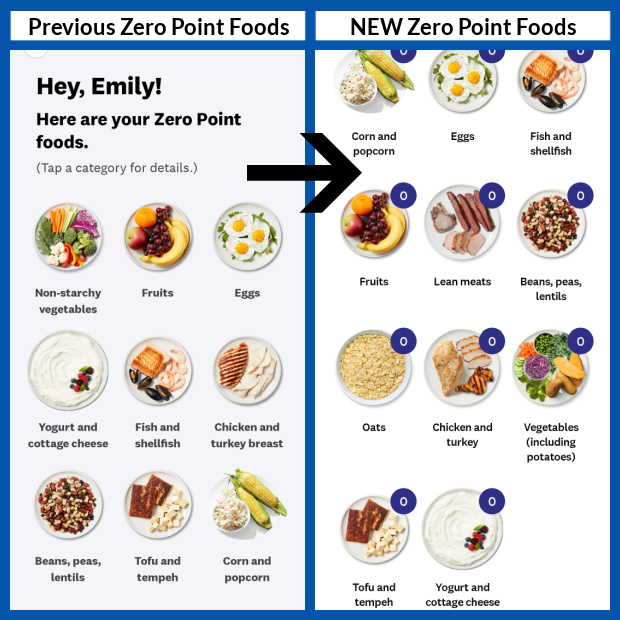
The organization began in the 1960s as a support network focused on group meetings and practical guidance. At that stage, no packaged meals were involved; the emphasis was on shared experiences and simple eating plans.
1.2 Expansion into Retail
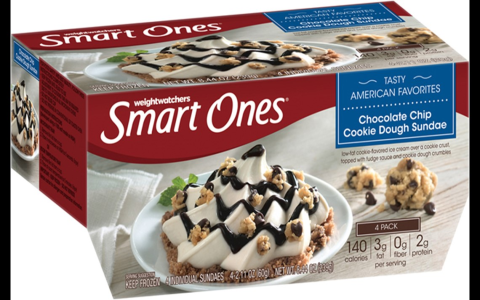
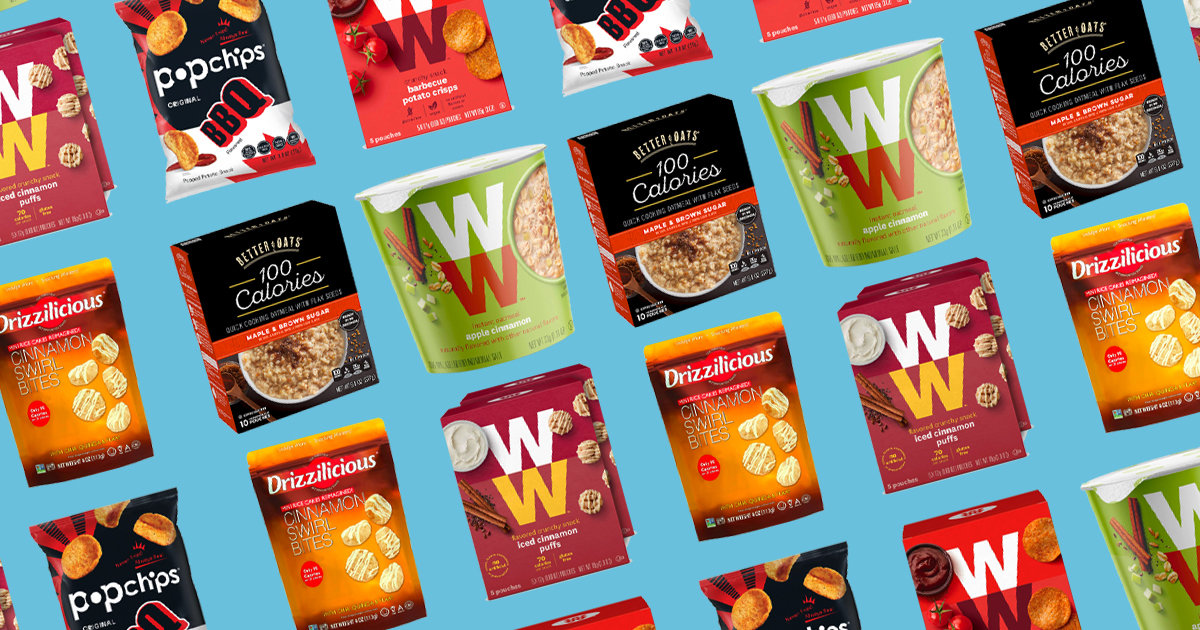
Decades later, the company introduced supermarket items designed around its points system. These ready-made meals and snacks were meant to simplify meal decisions for participants.
1.3 Decline and Restructuring
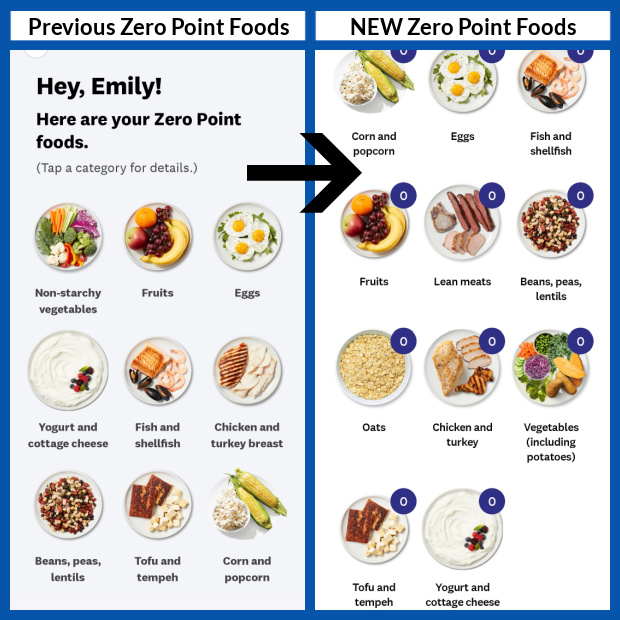
As consumer habits shifted and new competitors appeared, sales of the branded items slowed. A wider rebrand followed, returning attention to coaching, digital tools, and the points framework rather than physical products.
Current Status of WW Food Products
2.1 The Shift in Focus
Today, the business places little emphasis on stocking its own food line. Instead, it supplies meal ideas, recipe databases, and guidance that members can apply to everyday groceries.
2.2 Online and Mobile Apps
Investment has moved toward apps that supply trackers, menu suggestions, and barcode scanners. These services adapt to personal preferences without requiring special packaged goods.
2.3 Partnerships with Brands
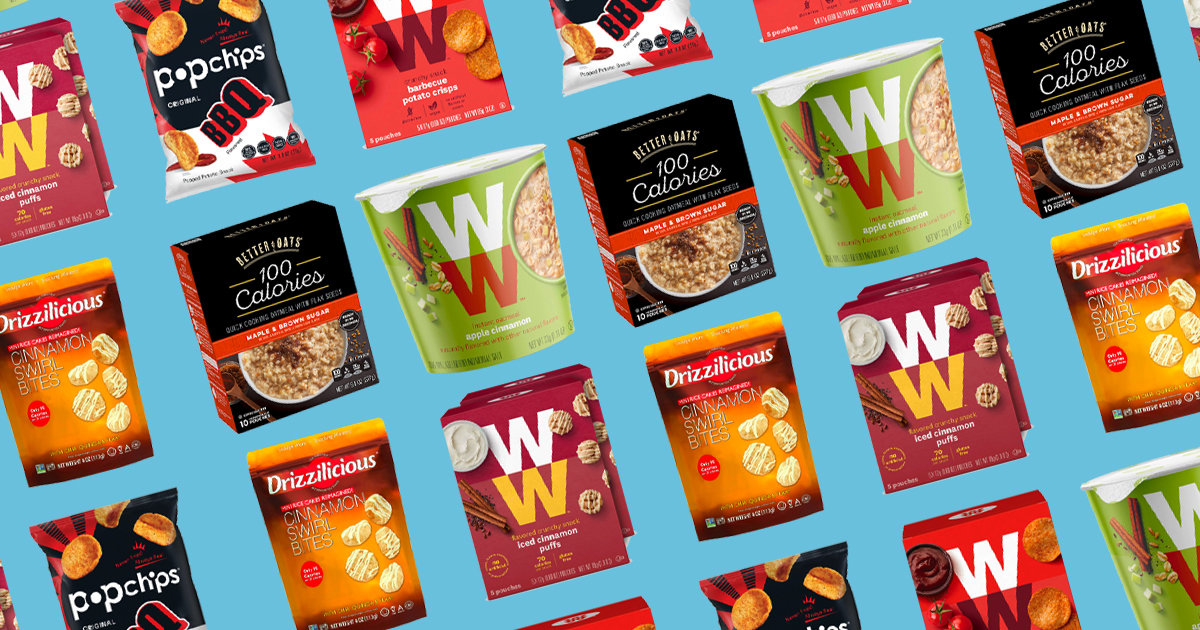
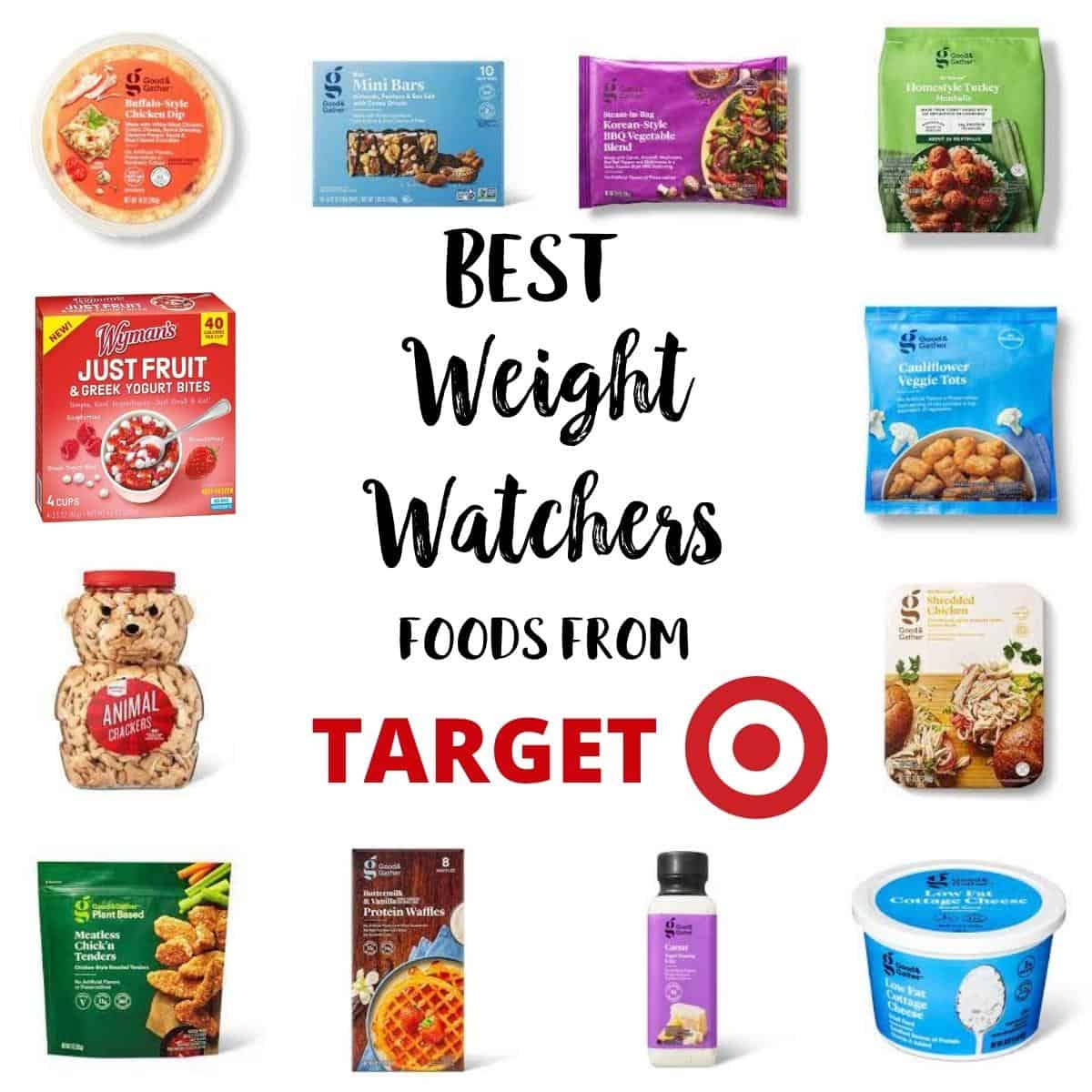
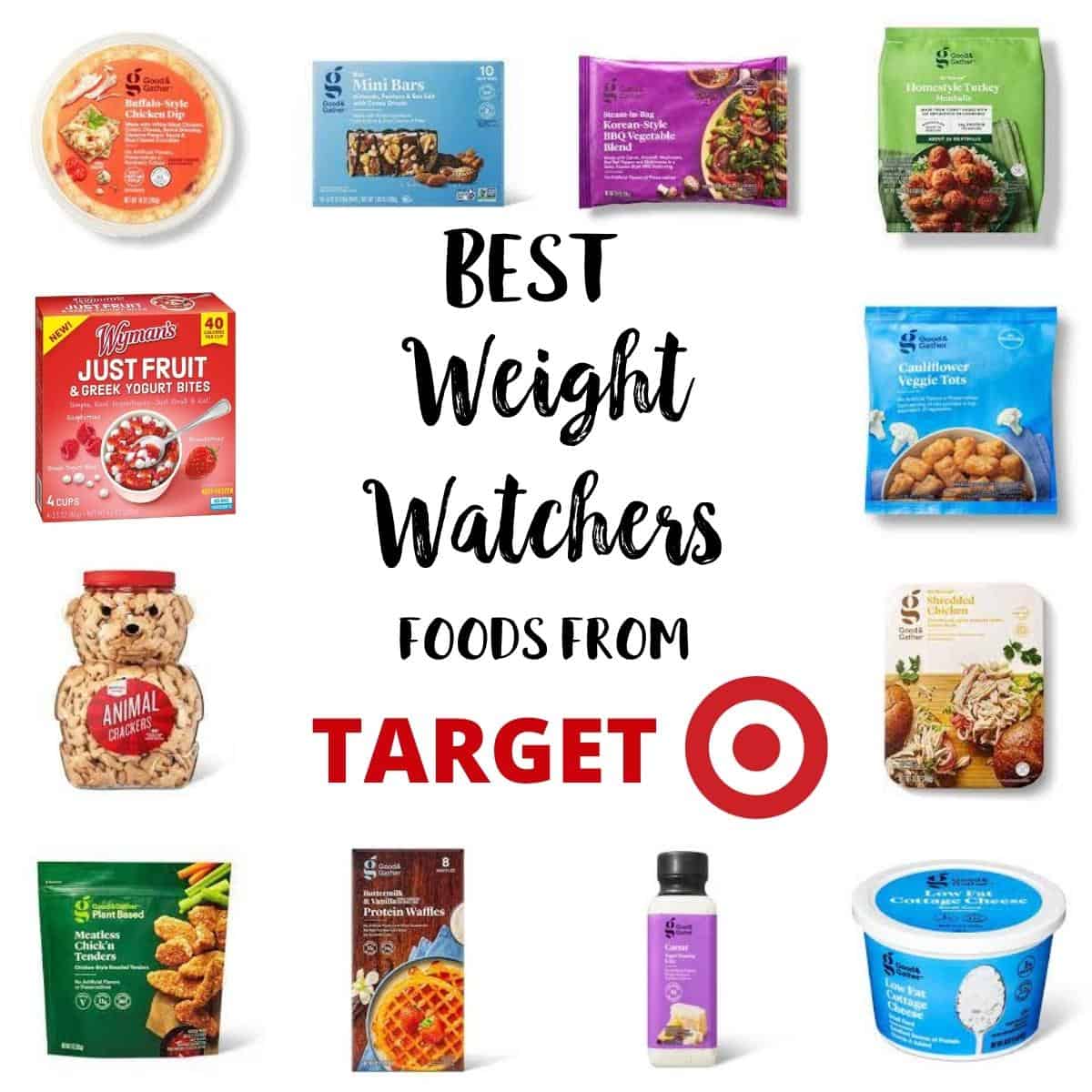
Although WW no longer manufactures meals, it collaborates with select producers to highlight items that fit the program’s guidelines, giving users variety without locking them into a single product line.
Impact on the Market
3.1 Competition
Stepping back from retail shelves freed resources to refine the digital platform, yet it also cleared space for other companies to promote their own portion-controlled foods.
3.2 Consumer Preferences
Modern shoppers favor flexible, personalized paths to healthier eating. WW’s emphasis on adaptable plans and third-party choices aligns with that trend.
Implications for Customers
4.1 Access to a Wide Range of Options
Members can mix regular store ingredients, restaurant dishes, and partner-brand items, making it simpler to honor allergies, budgets, or cultural tastes.
4.2 Cost-Effectiveness
Without the need to buy exclusive meals, overall spending can decrease, as everyday groceries and home-cooked recipes fulfill the same points budget.
Conclusion
WW has moved away from selling proprietary foods toward a model built on guidance, digital support, and strategic brand partnerships. This change mirrors broader demand for customizable, budget-friendly wellness solutions and keeps the program relevant for a diverse audience.


