


The Meaning of Knowing Where Food Comes From in Today’s World
Introduction
Understanding the journey of food from field to fork has gained fresh relevance as shoppers grow curious about origins, farming methods, and wider consequences. This piece looks at how awareness of provenance shapes buying habits, supports greener supply chains, and influences the worldwide food network. Recognizing the story behind each ingredient helps individuals choose options that nurture both personal well-being and planetary health.

The Evolution of Food Awareness
Early Practices
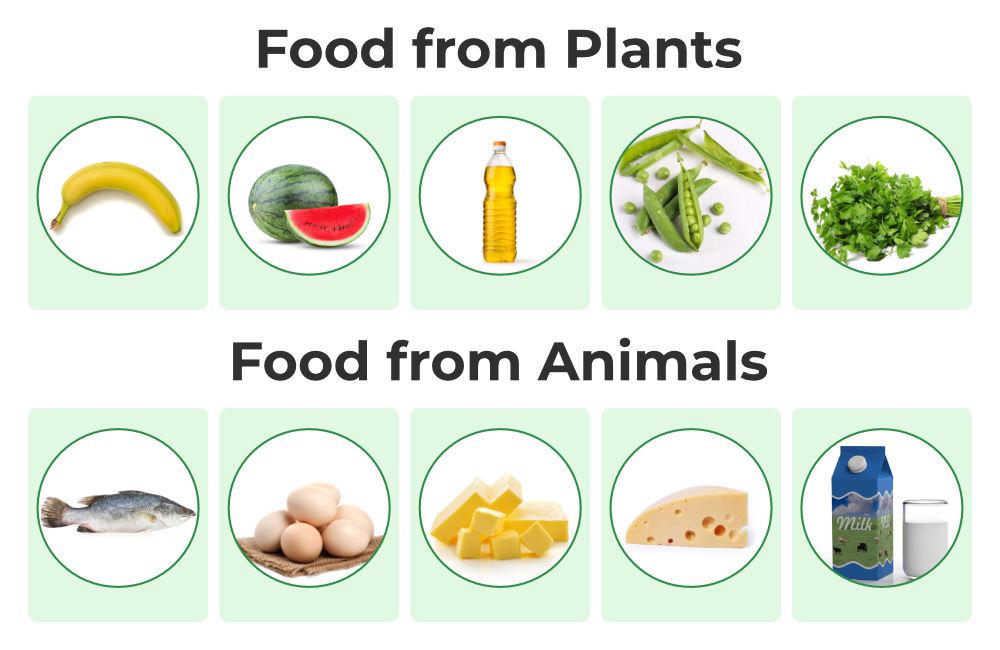
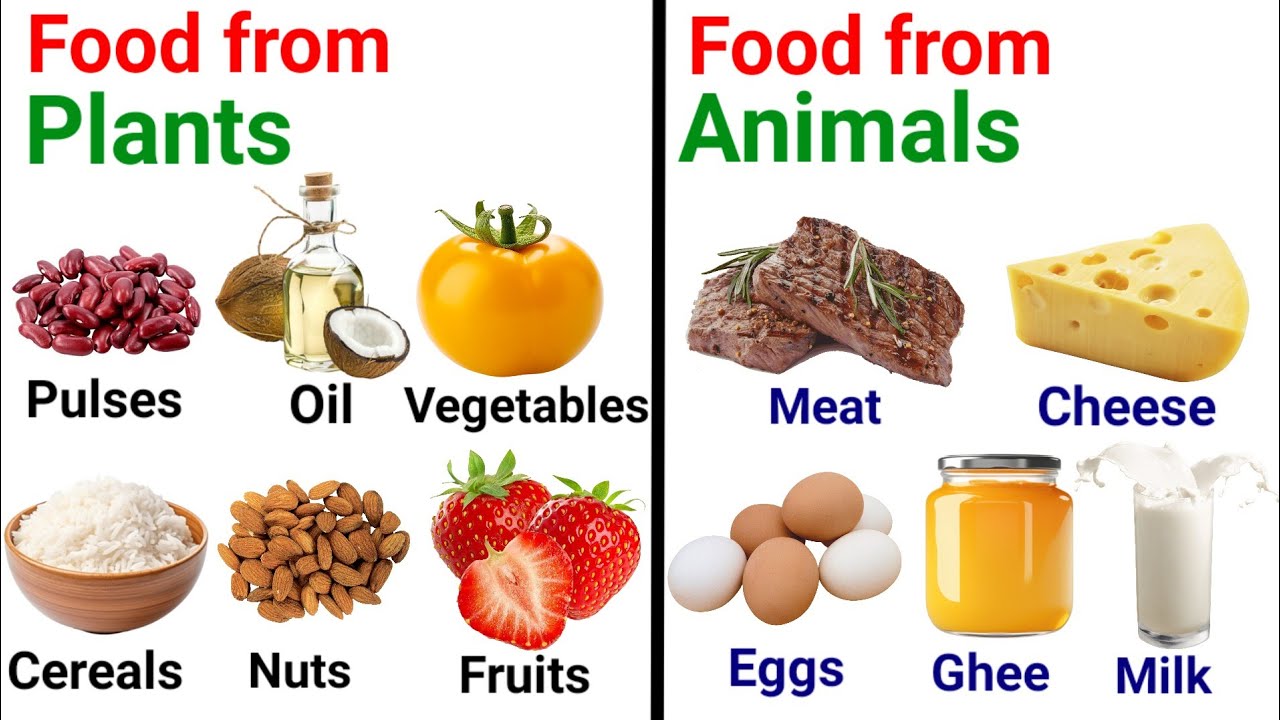
In earlier eras, most meals arrived from nearby fields, forests, or waters. Seasonal cycles and local knowledge decided what appeared on the table, creating a clear link between landscape and diet.
Industrial Shift
Mass production, long-haul transport, and convenience items later stretched this link. Many consumers lost sight of how groceries were grown or handled, making it harder to weigh environmental and social side-effects.
How Origin Knowledge Guides Shopping
Informed Decisions
When people learn where and how items are produced, they can favor growers who protect soil, water, and animal welfare. Clear labels, public campaigns, and open supply networks all strengthen this informed mindset.
Health Benefits
Fresh, minimally processed choices harvested close to home often contain fewer synthetic additives and higher nutrient levels. Eating with the seasons also diversifies diets and supports natural harvest rhythms.

Sustainability and Provenance
Environmental Footprint
Production methods, packaging, and travel distances all add up. Prioritizing shorter routes from farm to plate, reusable materials, and biodiversity-friendly practices can trim waste and emissions.
Fairness in the Chain
Ethical standards that ensure safe conditions and fair returns for farmers and workers foster resilient rural economies and more stable food supplies.

Global Trade versus Local Roots
Balancing Access and Resilience
International markets deliver variety, yet over-reliance on distant sources can expose communities to price swings and shortages. Strengthening regional production alongside global trade builds buffers against shocks.
Equity and Affordability
Spreading know-how, credit, and market access among small-scale producers helps put wholesome food within reach of more households, narrowing nourishment gaps.

Technology’s Part in Tracing Food
Digital Records
QR codes, cloud databases, and encrypted ledgers now let shoppers follow a product’s life story in seconds. Such visibility encourages responsible practices along every step.
Smarter Farming
Sensor-guided irrigation, indoor vertical plots, and plant-based alternatives raise yields on less land and with fewer inputs, easing pressure on natural resources.
Conclusion
Valuing the back-story of what we eat empowers healthier bodies, fairer economies, and a cooler planet. Each purchase acts as a vote for the kind of food system we want tomorrow. By staying curious, asking questions, and rewarding transparent brands, consumers become partners in cultivating a resilient and just food future.
Next Steps and Areas for Study
To keep momentum going, several measures deserve attention:
1. Policymakers can tighten labeling rules so that origin, production methods, and environmental claims are clear and verifiable.
2. Schools and universities can weave food-literacy lessons into science, geography, and health courses, inspiring younger generations to cook, farm, and shop sustainably.
3. Companies can channel investment into low-impact logistics, renewable energy, and fair supplier contracts that share value throughout the chain.
4. Scholars can keep measuring how local versus global sourcing affects nutrition, livelihoods, and ecosystems, supplying evidence for smarter decisions.
Acting on these fronts deepens society’s understanding of food’s journey and moves us closer to a nourishing, equitable, and planet-friendly supply network.


