


The Role and Impact of Foodservice Websites in the Modern Dining Industry
Introduction
In today’s fast-moving foodservice sector, technology has become essential for any business that wants to remain relevant. A dedicated website now acts as a central hub where restaurants, cafés, and other food venues can introduce themselves to guests, display their menus, and simplify daily tasks. This article explores how these sites influence the contemporary dining scene and highlights the elements that make them truly effective.
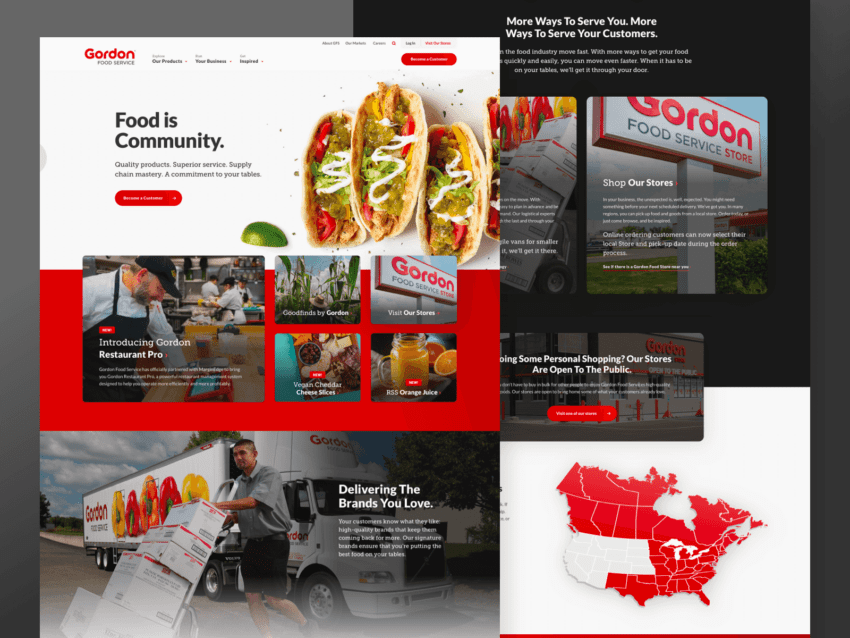
The Significance of Foodservice Websites
Enhancing Customer Engagement
A website works like a digital front door, inviting guests to browse dishes, photos, and feedback at their own pace. Tools such as table reservations, online ordering, and reward programs add convenience, encouraging visitors to return more often.
Competitive Advantage
In a crowded marketplace, a polished, easy-to-use site helps an establishment stand out. Diners frequently associate a smooth online experience with quality service, giving proactive brands a clear edge.
Streamlining Operations
When a site is linked to ordering and inventory systems, staff spend less time on manual entry, errors drop, and workflows become more efficient. The result is more time to focus on creating memorable meals and moments.
Key Features of Effective Foodservice Websites
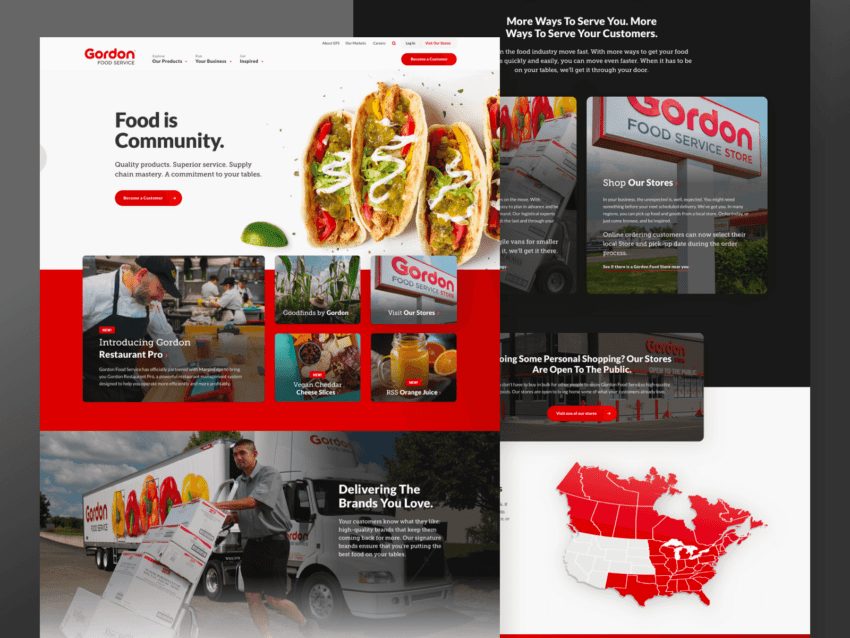
Professional Design
Clean layouts, appetizing visuals, and mobile-friendly navigation build instant credibility. A site that loads quickly and looks great on any device reassures guests before they even walk through the door.
Comprehensive Menu
Menus should be simple to read, accompanied by attractive images, honest descriptions, and current prices. Clear information helps guests choose confidently and reduces questions for staff.
Online Ordering and Delivery Integration
Allowing customers to order directly from the website adds convenience and can boost revenue. Seamless connection with delivery partners or in-house drivers keeps the process smooth from cart to doorstep.
Customer Reviews and Ratings
Authentic feedback displayed on the site builds trust and guides newcomers. Positive comments act as personal recommendations, while constructive remarks show transparency and a willingness to improve.
Challenges and Solutions
Security Concerns
Protecting guest data is critical. Routine security updates, encrypted connections, and secure payment gateways help safeguard personal details and maintain confidence.
Keeping Content Updated
Outdated menus or prices can frustrate guests. Scheduling regular reviews of the site ensures every item, offer, and announcement remains accurate and enticing.
The Future of Foodservice Websites
Personalization
By studying browsing and purchase patterns, businesses can suggest dishes, deals, or dining times that match individual tastes, making each visit feel tailor-made.
Augmented Reality (AR)
AR features that let guests visualize portion sizes, ingredients, or table settings before ordering can spark excitement and reduce uncertainty, leading to larger or more frequent orders.
Conclusion
Foodservice websites have moved from optional to indispensable, benefiting both operators and diners. Thoughtful design, clear menus, effortless ordering, and genuine engagement form the foundation of a successful site. As personalization and immersive tools like AR become mainstream, restaurants that embrace these innovations will continue to thrive in an increasingly digital marketplace.


