

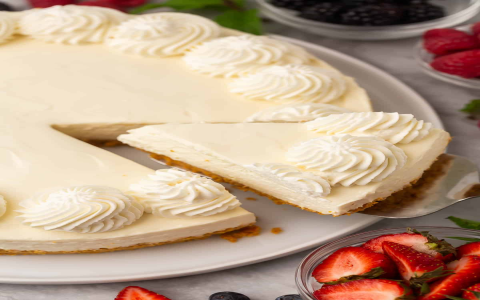
The Art and Science of Recipe Making: A Comprehensive Guide
Introduction
Cooking is a creative practice shared across cultures and generations. It turns raw ingredients into meals that delight the senses and nourish the body. Writing a recipe—crafting clear instructions that others can follow—blends creativity with precision. This guide explores why recipes matter, what makes them reliable, and how modern tools are reshaping the process.

The Importance of Recipe Making
Reliable recipes give cooks a common language. In busy kitchens they ensure a dish tastes the same every time, keeping guests happy and waste low. At home they safeguard family favorites, letting grandparents pass a soup or stew to grandchildren without guesswork. Equally important, recipes invite play: once a base is trusted, cooks swap spices, adjust sweetness, or try new techniques, pushing cuisine forward while honoring its roots.
Factors Contributing to a Successful Recipe
Great recipes balance several elements:
Ingredients

Fresh, seasonal produce and well-stored staples form the foundation. When each component tastes vibrant on its own, the final plate needs little embellishment.
Technique
Clear, concise steps build confidence. Whether it’s the gentle fold that keeps air in a cake batter or the steady heat that coaxes flavor from onions, good technique turns raw parts into a cohesive whole.
Balance
Contrast keeps eating exciting. A silky puree may welcome a crunchy garnish; a bright acidic note can lift a rich sauce. Recipes that weigh sweet, salty, sour, bitter, and umami keep diners reaching for another bite.
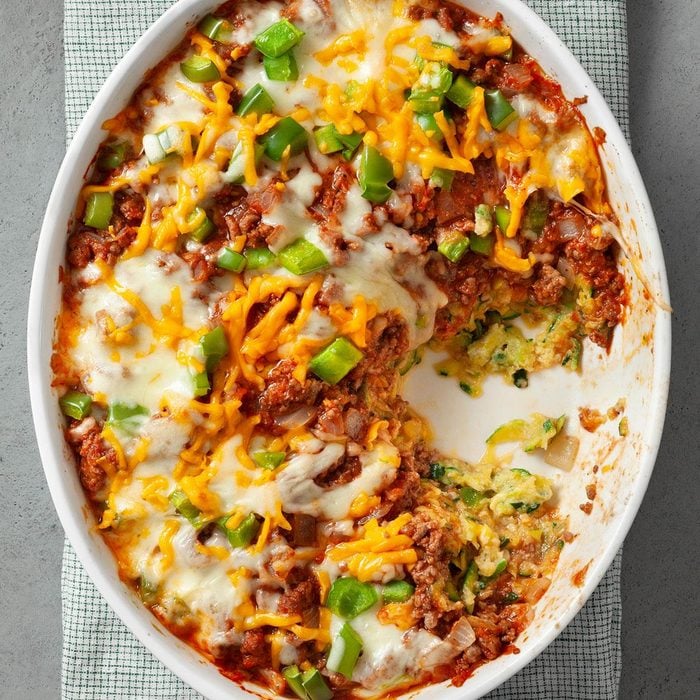
Timing
Order and duration matter. Adding herbs too soon dulls them; pulling pasta early leaves it chalky. Well-tested timelines let every element shine at the moment of serving.
The Impact of Technology on Recipe Making
Digital advances continue to reshape how we cook:
Digital Recipes
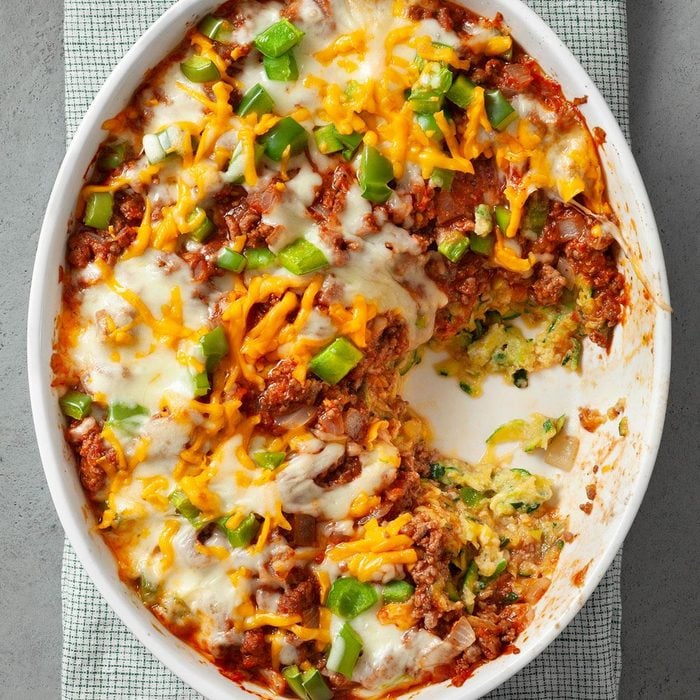
Websites, apps, and short videos offer endless inspiration. Cooks can filter by diet, skill level, or available ingredients, then read reviews from others who have already tested the dish.
Smart Kitchen Appliances
Connected ovens, precision cookers, and induction tops hold exact temperatures, freeing hands for other tasks. Remote alerts prevent over-cooking, even when the chef is in another room.
Food Tracking Apps
Meal-logging tools translate nutrition goals into grocery lists and menu ideas, making balanced eating less of a puzzle.
Conclusion
Recipe making weaves together creativity, science, and ever-evolving gadgets. When ingredients are chosen with care, methods are explained clearly, and flavors stay in harmony, the result is food that comforts and excites. Embracing new technology while respecting timeless principles ensures the next generation will continue to gather, cook, and share memorable meals.
Future Directions
Several trends promise to keep the field dynamic:
1. Personalized Recipes: Software that adapts dishes to individual health targets and taste profiles.
2. Virtual Reality Cooking: Immersive lessons that let users practice knife skills or temper chocolate without waste.
3. Sustainability in Recipe Making: Greater focus on plant-forward plates, low-impact packaging, and techniques that cut energy use.
In short, the craft of writing and sharing recipes remains central to how we celebrate food, and its next chapter is already simmering.


