


The Paradox of Plenty: A Balanced Look at Global Food
Introduction
Today, food is simultaneously abundant and scarce. While supermarket shelves overflow, many communities still struggle to secure enough nutritious meals. This article explores why plenty coexists with shortage, and how individuals, businesses, and governments can tip the balance toward fairer, healthier outcomes.

The Plentiful Supply of Food
The Global Food Supply: An Overview
Advances in seeds, storage, and transport have expanded harvests faster than population growth. Over the past sixty years, total output has risen steeply, helping reduce the share of people who regularly go hungry, even as the number of mouths to feed has climbed.
Technological Advancements and Increased Productivity
High-yield crops, efficient irrigation, and modern inputs have allowed farmers to grow more on the same land. These tools, paired with better roads and refrigeration, move harvests quickly from field to plate, cutting losses before sale.
The Paradox of So Much Food
Food Waste: A Growing Concern
Even with record output, a large part never gets eaten. Waste creeps in at every step: produce left unharvested, misshapen fruit rejected, household surplus tossed. The result is lost nutrients, squandered labor, and needless pressure on soil, water, and climate.

Obesity and Overconsumption
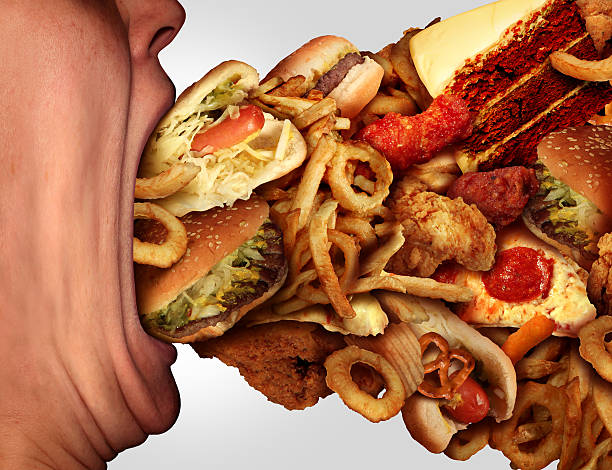
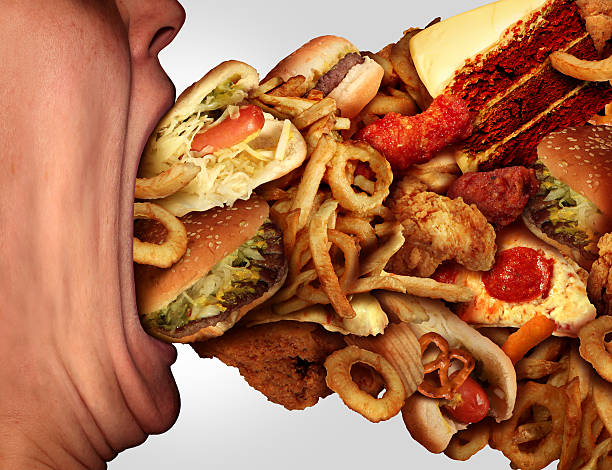
Where calories are cheap and heavily promoted, diets can swing toward energy-dense, nutrient-light choices. Rising body weights have become common across income levels, bringing higher risk of diabetes, heart disease, and some cancers.
Causes and Consequences
Consumer Behavior and Marketing Strategies
Busy lifestyles favor ready-to-eat items, while advertising nudges shoppers toward larger portions and frequent snacking. Together, these forces encourage eating beyond need and storing more food than households can finish.
Economic Factors and Food Deserts
Prosperity widens choice, yet low-income neighborhoods may lack stores selling fresh produce at affordable prices. When healthy options are hard to reach, cheap calories fill the gap, reinforcing both waste and poor health.
Environmental Implications
Producing uneaten food consumes land, water, and energy, while rotting leftovers emit greenhouse gases. Overuse of fertilizers and pesticides can erode soils and pollute waterways, undermining the very resources future harvests depend on.
Potential Solutions
Education and Awareness
Clear guidance on portion sizes, storage tips, and creative leftovers can trim household waste. School gardens, cooking classes, and transparent labels help families choose meals that are tasty, nutritious, and planet-friendly.
Policy Interventions
Cities can fund gleaning programs that channel surplus produce to food banks. Incentives for retailers to stock smaller formats or donate near-date goods cut landfill volumes while aiding those in need.
Innovative Solutions
Vertical farms, precision irrigation, and better cold chains raise yields and extend shelf life. Apps that link restaurants with budget shoppers, or turn imperfect vegetables into soups and sauces, give surplus a second life.
Conclusion
Abundance should not breed waste, nor should scarcity persist amid plenty. By valuing food from seed to table, societies can protect health, conserve nature, and share harvests more fairly. Small daily choices, smart policies, and fresh ideas together hold the key to a balanced food future.
References
Key insights drawn from widely published research on food security, nutrition, and sustainable agriculture.


