The Art and Science of Cooking: A Comprehensive Exploration
Introduction
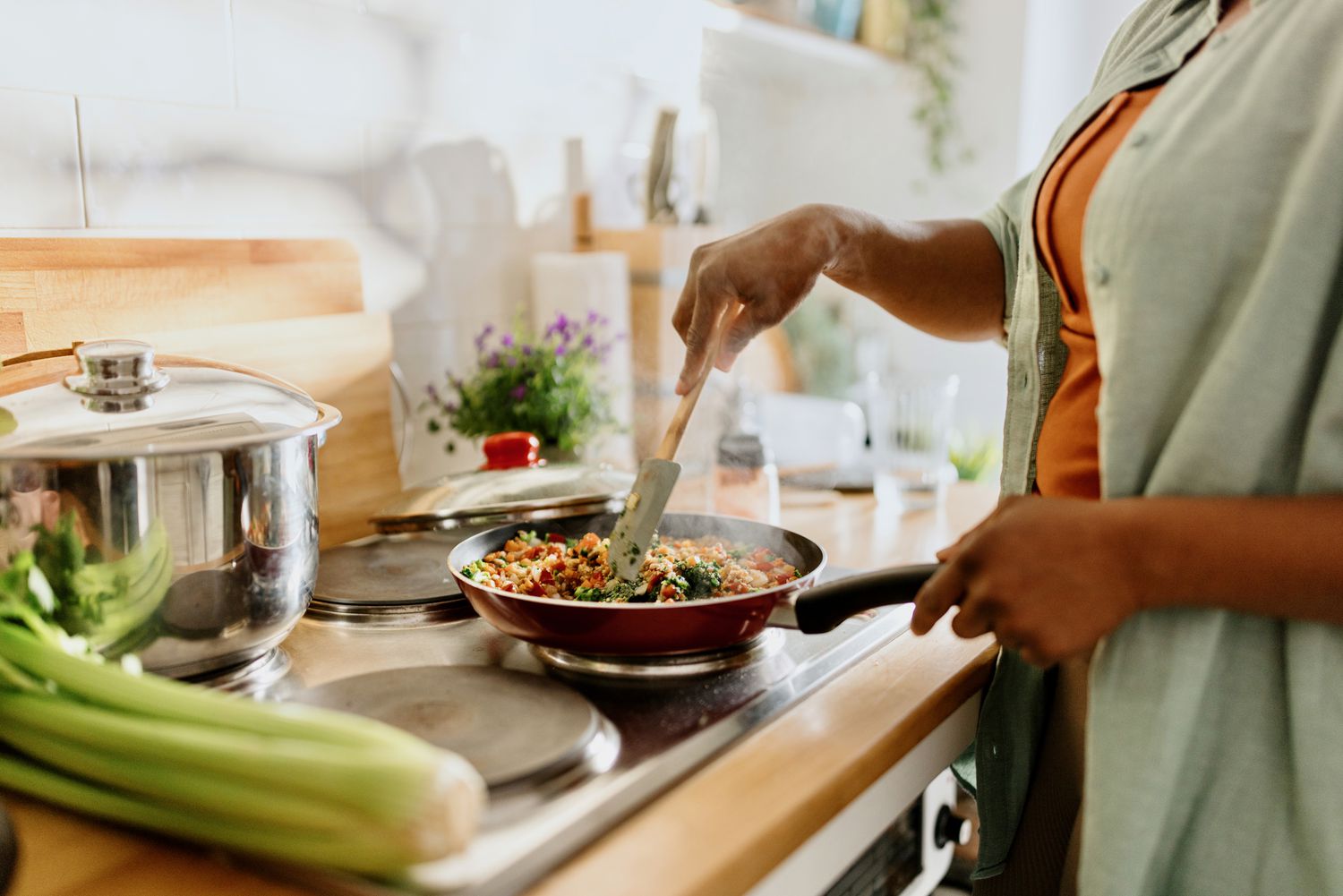
Cooking, an age-old craft shared across cultures, now sits at the intersection of creativity and science. Beyond simply making meals, it invites us to witness the subtle chemistry that turns raw ingredients into memorable dishes. This overview traces cooking’s journey from its earliest days to today’s tech-filled kitchens, highlighting techniques, nutrition, and the innovations shaping how we eat.
The Historical Evolution of Cooking
Historical Roots
Once our ancestors learned to control fire, food became more flavorful and easier to digest. That first leap—placing ingredients over flame—laid the groundwork for every culinary tradition that followed, proving that a simple spark can change the course of culture.
Technological Advancements
From clay ovens to modern induction surfaces, each new tool has expanded the cook’s palette. Cast iron, stainless steel, and non-stick coatings arrived in turn, offering fresh ways to control heat and unlock new tastes without altering the essence of the dish.
The Science Behind Cooking
Chemical Reactions
Heat triggers countless transformations: starches gelatinize, sugars caramelize, and the Maillard reaction paints crusts bronze while releasing deep, savory aromas. Recognizing these shifts lets cooks fine-tune color, fragrance, and flavor with predictable results.
Textural Changes
A gentle simmer softens fibers, while intense, dry heat can shatter surfaces into crisp shells around tender cores. Mastering these contrasts turns every bite into a balanced play of crunch and creaminess.
Nutritional Aspects of Cooking
Preservation of Nutrients
Steam lingers briefly, so vegetables keep more vitamins than when submerged. Quick stir-fries and light blanching also guard color and nutrition, showing that shorter, gentler methods often serve both health and taste.
Food Safety
Reaching the right internal temperature destroys most harmful microbes. A reliable thermometer and mindful timing remain the simplest insurance against unwanted guests at the table.
Cooking Techniques
Boiling
Bubbling water cooks pasta, grains, and greens evenly. Salting the water early boosts flavor, while a brief plunge into ice water afterward can lock in vivid color.
Sautéing
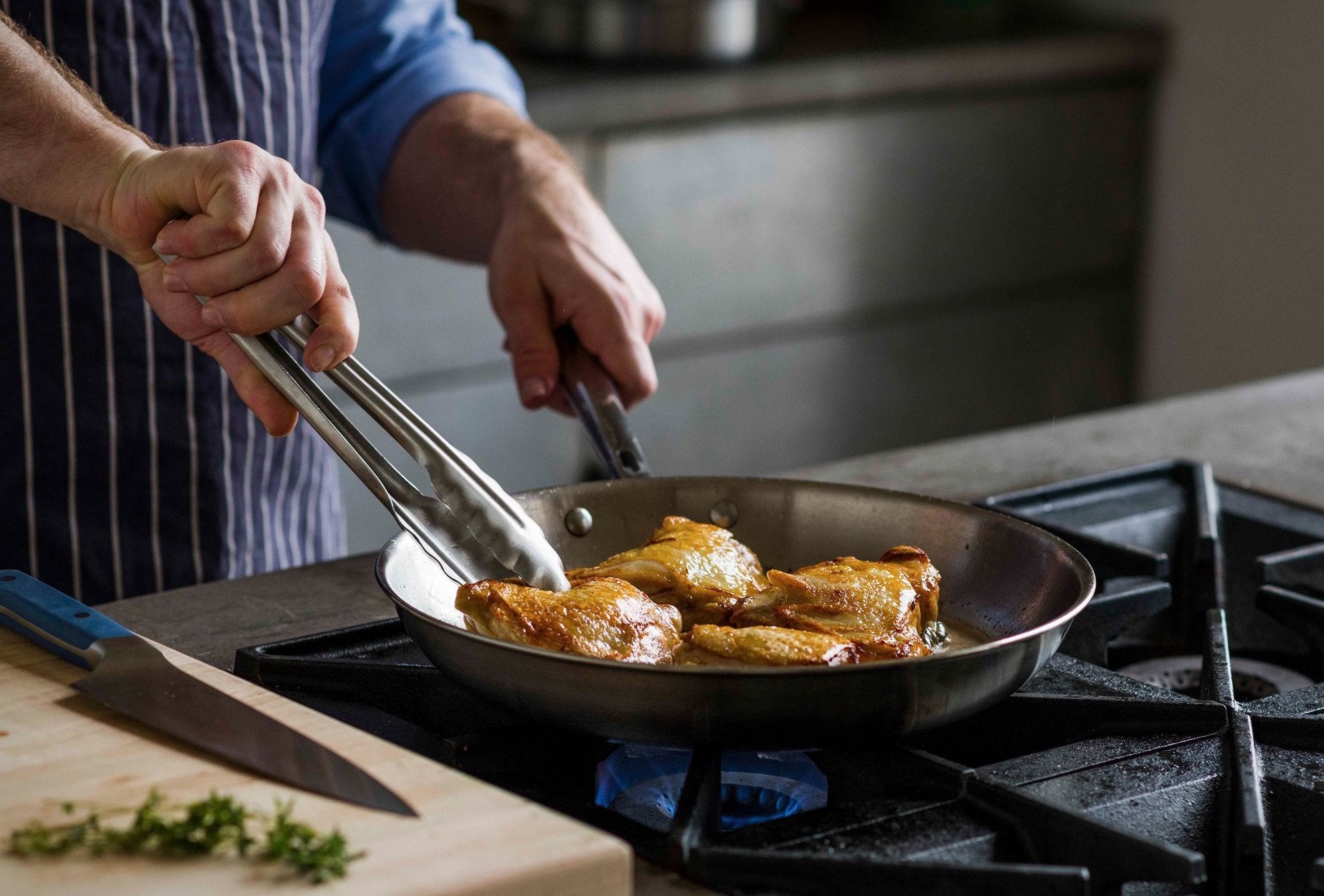
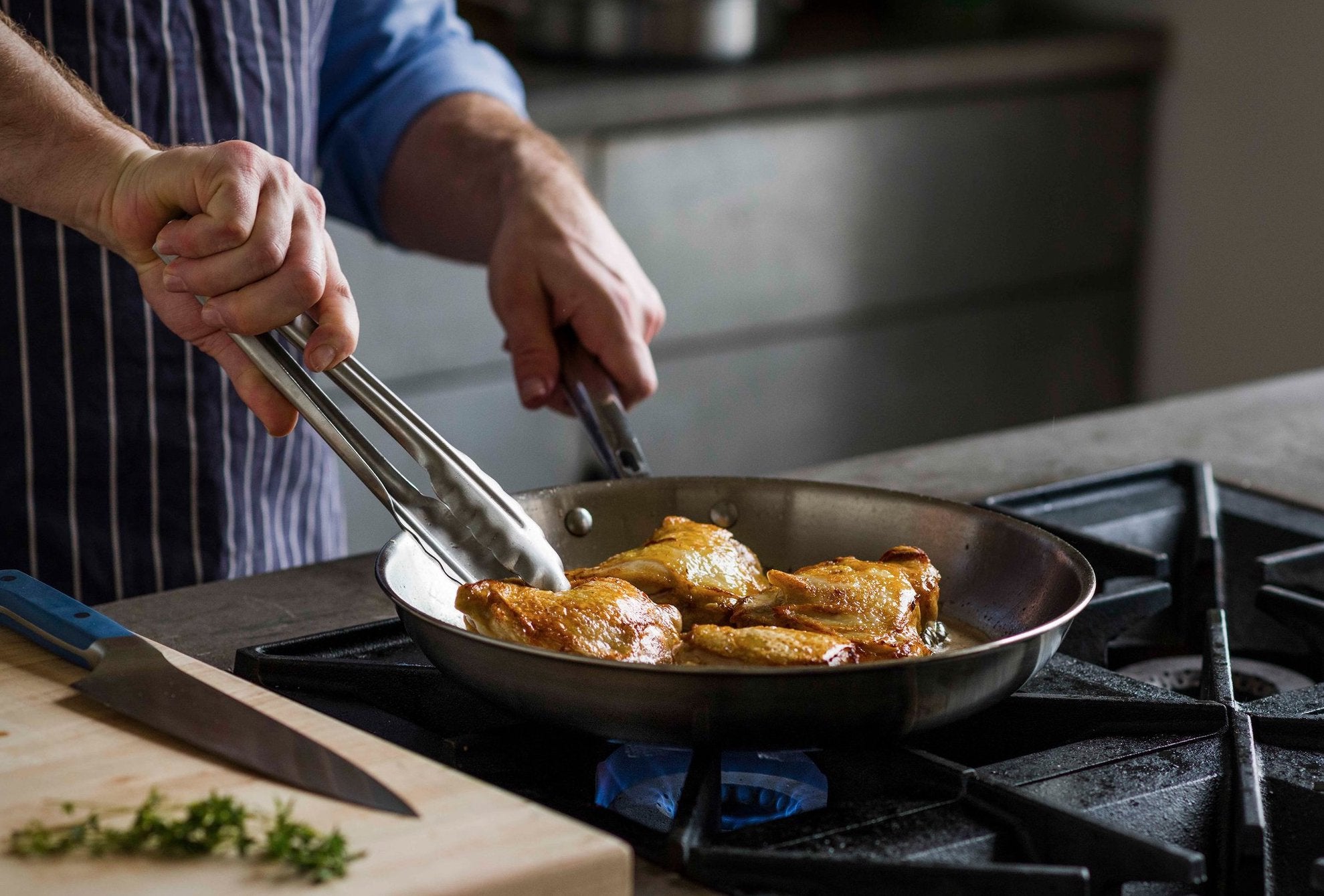
A thin film of oil and a hot pan encourage rapid browning. Keep ingredients moving so they sear rather than steam, sealing in juices and creating delicate, caramelized edges.
Roasting
Surrounding food with steady, dry heat coaxes out sweetness and forms a glossy crust. Occasional basting keeps meats succulent, while high heat near the end heightens surface crunch.
The Role of Technology in Modern Cooking
Smart Ovens
Connected appliances now sense weight and moisture, adjusting time and temperature on their own. Such precision reduces guesswork and frees the cook to focus on seasoning and presentation.
Food Processors
With interchangeable blades, these workhorses slice, shred, and purée in seconds, turning labor-intensive prep into a swift push of a button and expanding the range of textures a home kitchen can achieve.
Conclusion
Cooking remains a living dialogue between tradition and innovation. By respecting time-tested methods while welcoming new tools, anyone can craft meals that nourish, delight, and bring people together. As research and technology progress, the kitchen will keep evolving, promising fresh inspiration for novices and seasoned chefs alike.
Recommendations and Future Research
Continued study of heat, nutrient retention, and flavor development will refine our methods. Sharing this knowledge through accessible classes and reliable resources can empower more households to cook confidently, ensuring that future generations inherit both skill and curiosity at the stove.