

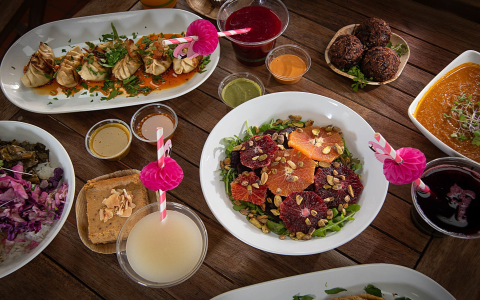
A World of Flavors: An Everyday Guide to What We Eat
Introduction
Food surrounds us with endless variety, color, and taste. Each ingredient carries its own story of nourishment, comfort, and celebration. From morning toast to tropical fruit salads, every bite connects us to farmers, cooks, and traditions across the globe. This short tour invites you to look at familiar foods with fresh eyes and to notice how they quietly shape our days.
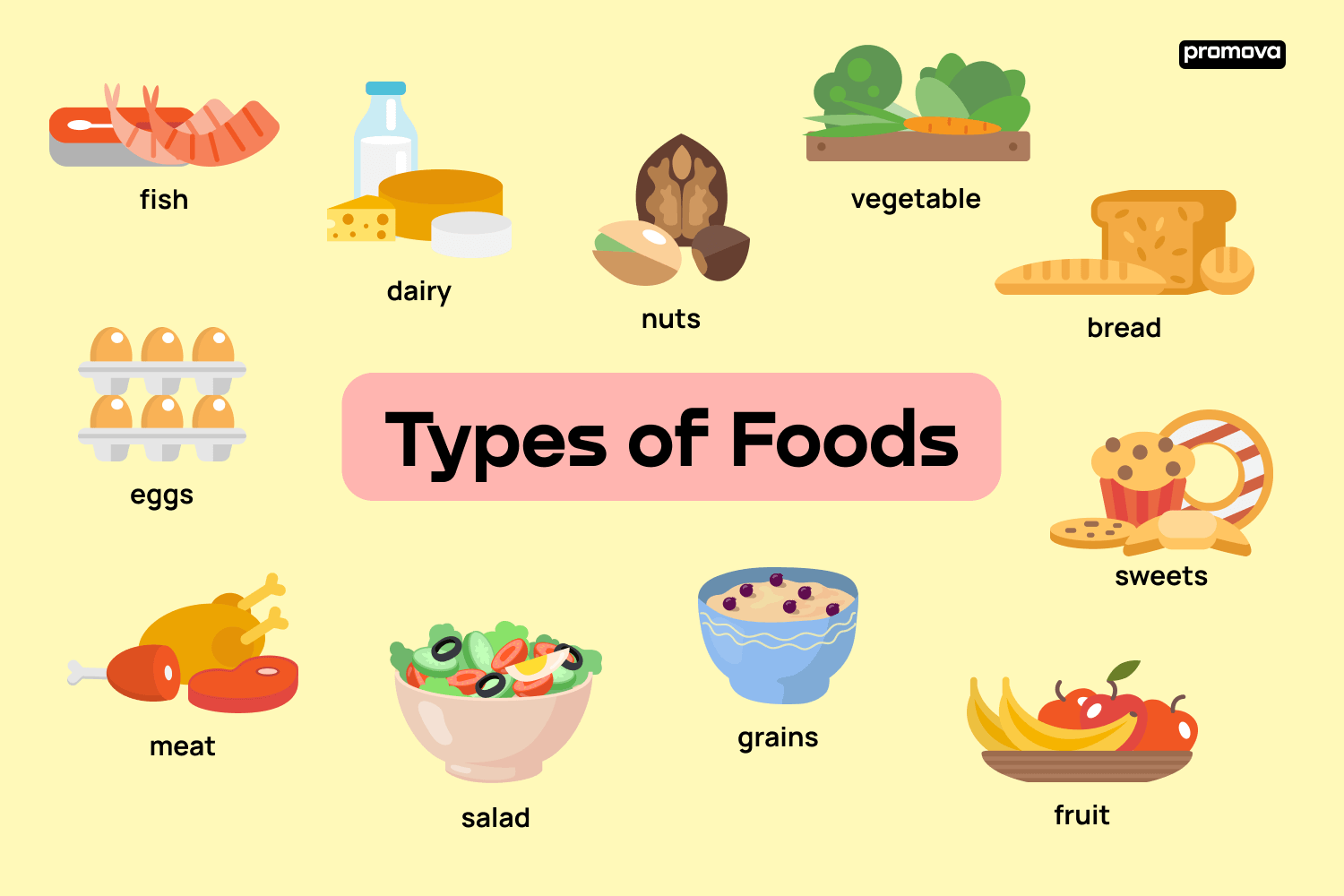
Where Everyday Foods Come From
1.1 Grains and Cereals
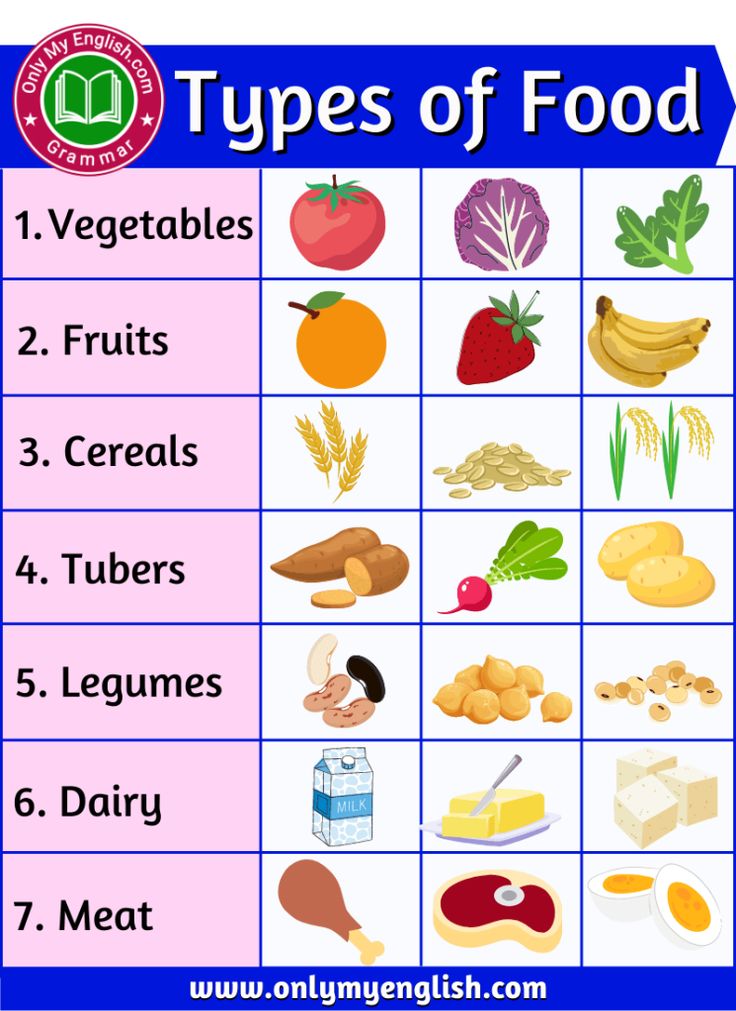
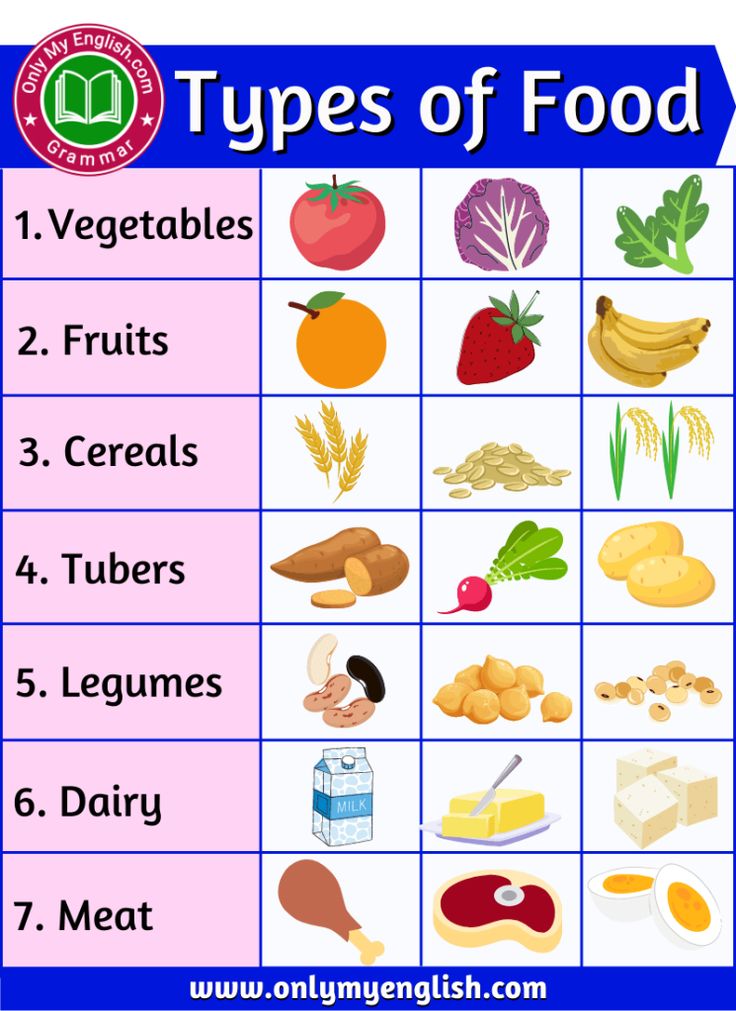
Wheat, rice, oats, and corn have traveled with humans for centuries. These dependable seeds thrive in many soils and climates, turning sunshine into the energy we feel at breakfast, lunch, and dinner.
1.2 Fruits and Vegetables
Colorful produce once grew wild on forest edges and mountain slopes. Over time, people learned to plant, tend, and share tomatoes, bananas, carrots, and greens. Today these gifts of nature still brighten plates and bodies alike.
1.3 Meat and Seafood
Raised on quiet pastures or caught in cool waters, animal foods offer protein that builds and repairs. Each region seasons these foods in its own way, creating smoky grills, gentle broths, and crisp coastal dishes.
1.4 Dairy Foods
Milk, yogurt, and cheese begin in peaceful barns and hillside meadows. Simple fermentation and patient aging turn liquid into spreads, toppings, and snacks enjoyed around the world.
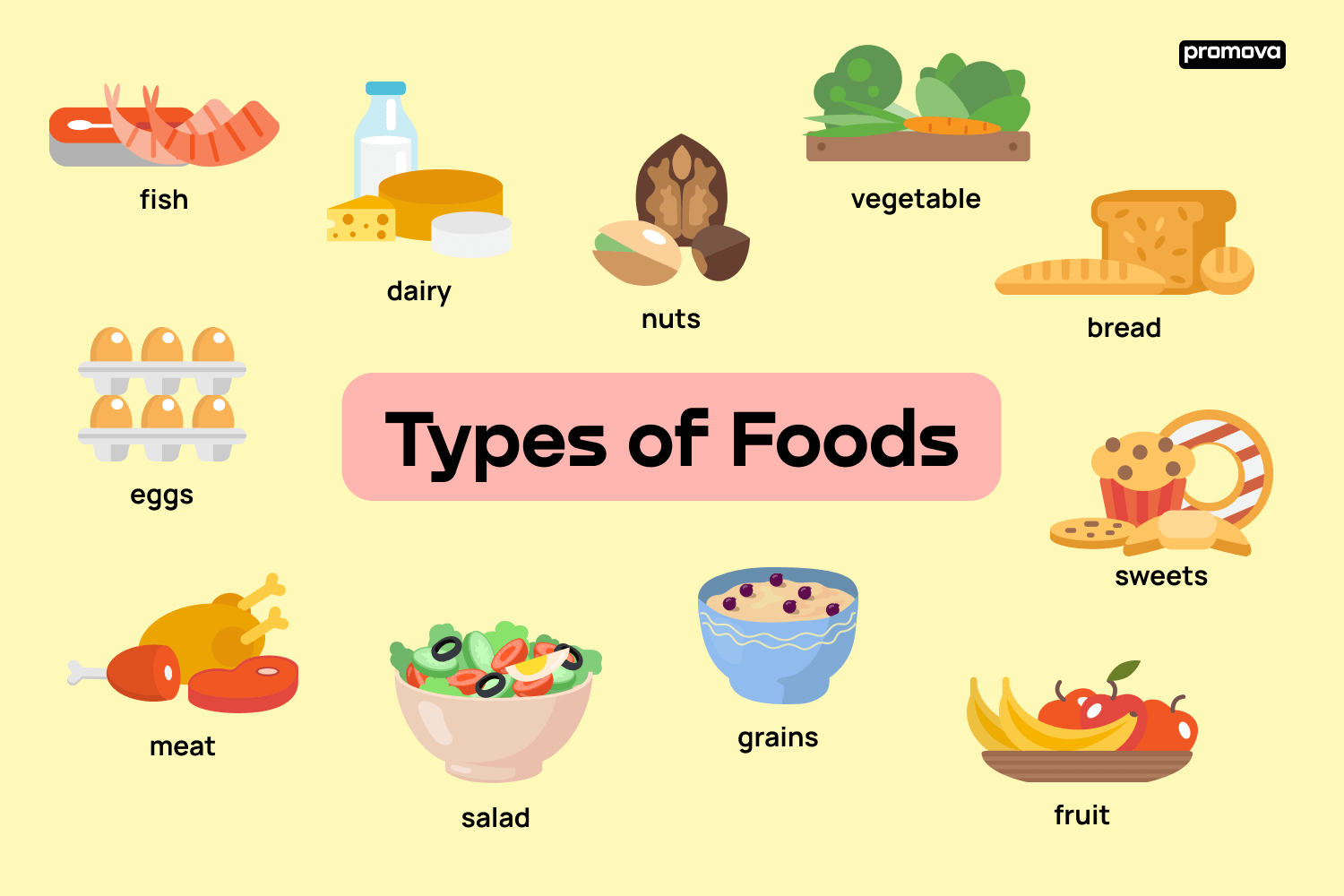
Goodness on the Plate
2.1 Grains and Cereals
Whole kernels supply slow-release energy, gentle fiber, and small but valuable minerals. A warm bowl of brown rice or quinoa can steady mood and appetite for hours.
2.2 Fruits and Vegetables
Vivid skins and deep green leaves signal antioxidants that protect cells. A daily mix of both groups supports immunity and keeps hearts beating steadily.
2.3 Meat and Seafood
Lean cuts and oily fish deliver complete protein plus iron and omega-3 fats. Moderate portions help muscles grow and minds stay alert.
2.4 Dairy Foods
A small serving of cheese or a glass of milk contributes calcium for sturdy bones and quiet nights. Fermented options like yogurt bring friendly bacteria for content digestion.
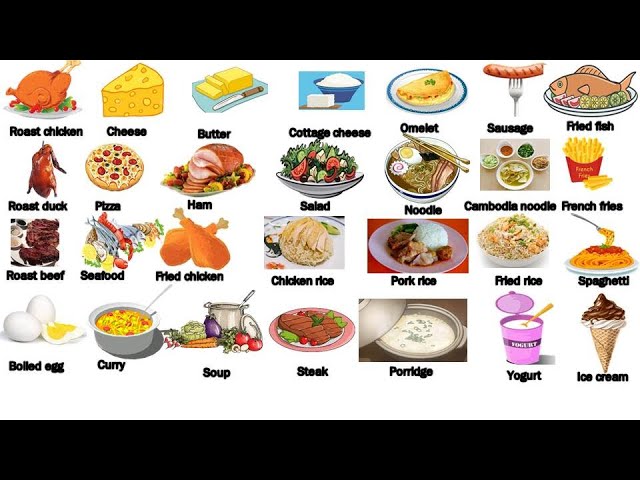
Food and Shared Identity
3.1 Grains and Cereals
Steam rises from Japanese rice bowls, Italian pasta plates, and Mexican corn tortillas. These humble grains carry memories of grandmothers, festivals, and first days of school.
3.2 Fruits and Vegetables
Think of Greek salads glittering with olives, Thai papaya salads crackling with lime, or West African stews glowing with pumpkin. Produce speaks local dialects while nourishing everyone.
3.3 Meat and Seafood
From slow-cooked Sunday roasts to quick weekday fish tacos, communities gather when savory aromas drift through open windows. Shared tables turn meals into stories.
3.4 Dairy Foods
Indian chai simmered with milk, French butter melting into croissants, and Turkish yogurt drinks sipped at sunset all show how dairy weaves comfort into culture.
Everyday Choices
4.1 Balanced Meals
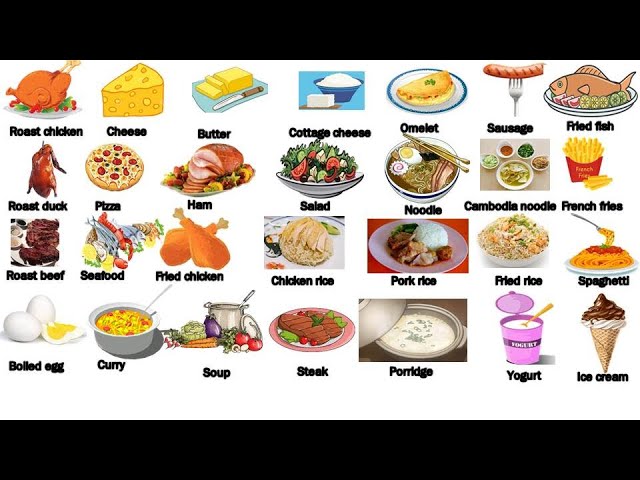
Mixing grains, produce, protein, and dairy throughout the week covers most nutrient needs. Color and variety matter more than perfection on any single plate.
4.2 Personal Preferences
Some skip animal foods for ethical or health reasons; others avoid dairy because it bothers their stomachs. Respectful swaps—beans, nuts, plant milks—keep menus flexible and joyful.
4.3 Evolving Trends
Interest in greener plates and shorter ingredient lists encourages farmers’ markets, home gardens, and creative leftovers. Taste and planet both benefit when we stay curious.
Conclusion
Every meal is a quiet partnership between soil, sun, water, and human care. By tasting widely and wasting little, we honor that partnership and feed both body and spirit.
Simple Next Steps
Consider these gentle ideas for continuing the journey:
1. Try one new fruit or grain each month and notice its flavor and texture.
2. Cook a traditional dish from another region and share the story behind it.
3. Store leftovers creatively to stretch food budgets and protect the planet.
4. Teach children basic kitchen skills so confidence and curiosity grow together.
Small experiments like these keep the table exciting and remind us that every bite is part of a larger, delicious world.


