

The Impact of Culinary Traditions on Global Culture and Society
Introduction
Culinary traditions, encompassing the art and practice of preparing and cooking food, are fundamental to human culture and society. They go beyond mere nourishment, reflecting a community’s history, values, and social identity. This article explores how culinary traditions shape identity, strengthen social bonds, and influence economic development, offering a glimpse into the diverse flavors that enrich our shared experience.
The Role of Culinary Traditions in Shaping Identity
1.1 Cultural Identity
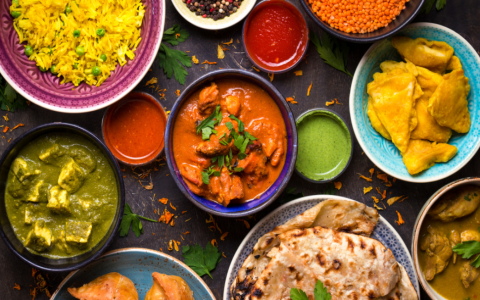
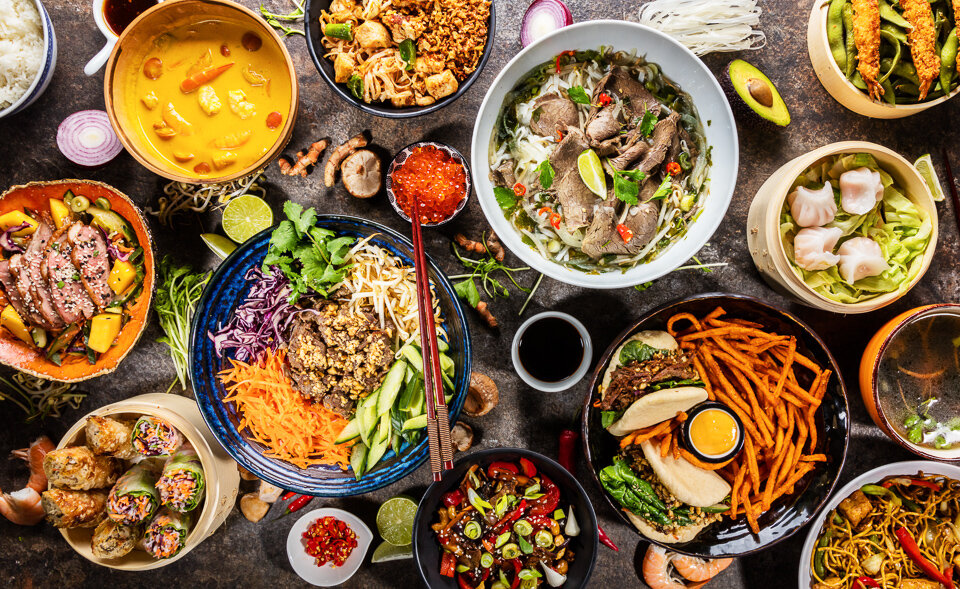
Culinary traditions act as powerful markers of cultural identity. Each cuisine carries distinctive flavors, ingredients, and techniques rooted in centuries of heritage. Mediterranean dishes highlight olive oil, grains, and fresh herbs, echoing sun-drenched coasts and ancient trade routes. East Asian cuisines emphasize seasonal produce and meticulous presentation, illustrating deep respect for nature and balance.
1.2 National Identity
National cuisines often become symbols of pride and unity. Celebrated culinary practices can foster solidarity among citizens and project a positive image abroad. Recognition by international organizations further elevates these traditions, encouraging preservation and global appreciation.
The Social Cohesion Fostered by Culinary Traditions
2.1 Social Gatherings
Sharing meals remains one of the simplest yet most effective ways to build community. Family dinners, neighborhood barbecues, and communal banquets create spaces where stories are exchanged and relationships deepen. Offering food to guests is a universal gesture of welcome and goodwill.
2.2 Festivals and Celebrations
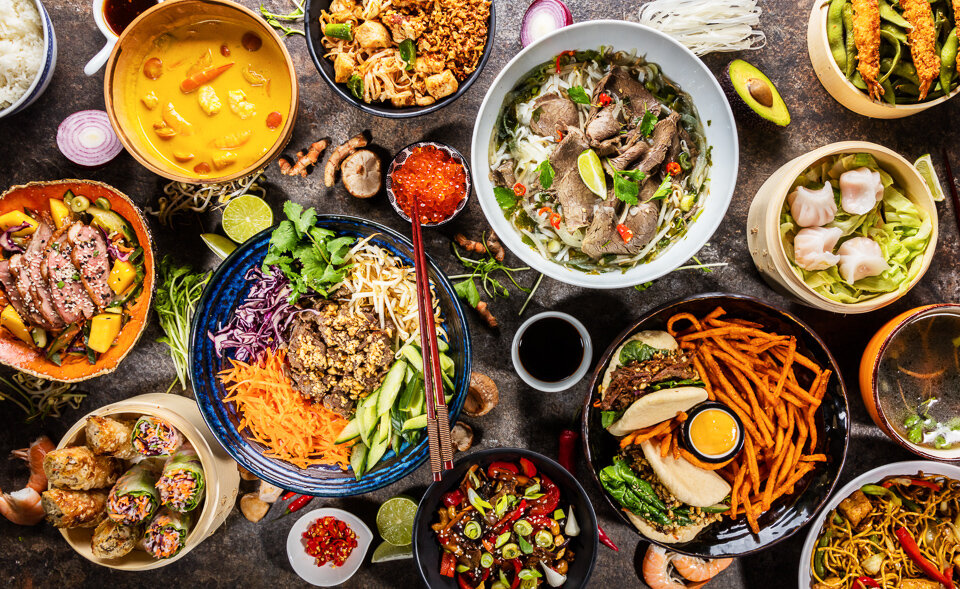
Special occasions are inseparable from signature dishes. Sweets illuminate winter festivals, while dumplings welcome lunar new beginnings. These edible rituals provide continuity, reminding participants of shared values and collective memory.
The Economic Impact of Culinary Traditions
3.1 Tourism
Authentic flavors attract travelers seeking memorable experiences. Cities famed for their gastronomy draw millions annually, supporting local businesses from street vendors to high-end eateries and generating widespread employment.
3.2 Gastronomy and Fine Dining
Innovative chefs reinterpret classic recipes, pushing creative boundaries. The rise of acclaimed restaurants and culinary academies has turned cooking into both art and economic engine, inspiring new generations of professionals.
The Challenges and Opportunities of Globalization
4.1 Cultural Homogenization
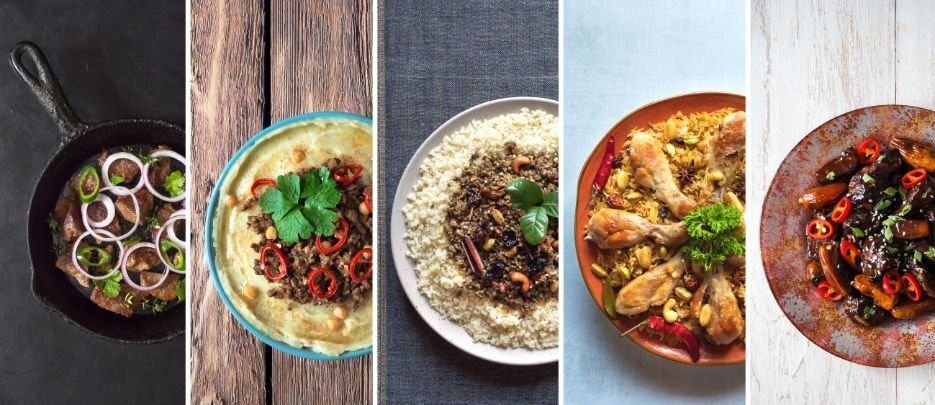
Global brands can overshadow regional fare, risking loss of diversity. Yet this challenge invites cooks, entrepreneurs, and educators to champion local ingredients and time-honored methods, ensuring traditions evolve without disappearing.
4.2 Sustainable Culinary Practices
Environmental awareness is reshaping kitchens worldwide. Emphasis on seasonal produce, minimal waste, and ethical sourcing supports ecosystems while reinforcing the value of place-based foodways.
Conclusion
Culinary traditions shape global culture by expressing identity, nurturing community, and driving prosperity. Safeguarding this diversity ensures future generations inherit a flavorful, interconnected world worth savoring.
Recommendations and Future Research
To deepen understanding of culinary traditions’ influence, the following avenues deserve attention:
1. Compare regional economic benefits linked to food tourism.
2. Study initiatives that protect culinary diversity amid globalization.
3. Assess how gastronomic travel can advance sustainable local development.
4. Investigate emerging technologies—from digital recipe archives to immersive cooking simulations—that enhance appreciation and transmission of food heritage.
Pursuing these questions will illuminate the many ways culinary traditions continue to enrich global culture and society.


