

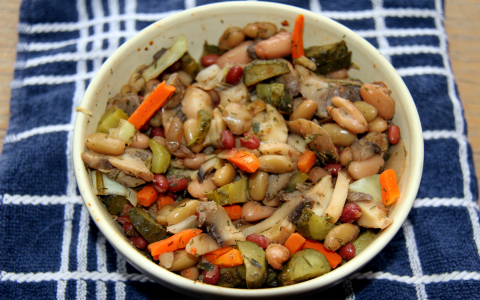
The Significance of Homemade Food: A Comprehensive Analysis
Introduction
In today’s hurried world, meals prepared at home are drawing renewed interest. While take-out and packaged options dominate many schedules, more people are questioning what these choices mean for long-term wellness. Cooking from scratch offers clear advantages that reach far beyond the dinner plate. This discussion outlines why returning to the kitchen can shape healthier bodies, tighter families, and even lighter household budgets.

The Nutritional Value of Homemade Food
When you cook for yourself, every ingredient is chosen by you. That simple freedom makes it easy to emphasize vegetables, whole grains, lean proteins, and heart-friendly fats. Menus planned at home routinely deliver more vitamins, minerals, and fiber than heat-and-serve alternatives, largely because fresh produce and minimally processed staples sit at the center of the plate.
Equally important is what gets left out: excess sugar, sky-high sodium, and questionable preservatives lose their place when the cook reads labels before anything reaches the pot. Over time, those small daily omissions add up to measurable protection against weight gain, high blood pressure, and inflammation-related illnesses.
Health Benefits of Homemade Food
Beyond nutrients, the act of cooking grants control over portion size and cooking methods. Steaming, grilling, or roasting at home typically adds fewer empty calories than frying or heavy saucing common in many restaurant dishes. People who regularly eat home-cooked meals tend to carry less body fat and show lower fasting blood-sugar levels, two markers strongly linked to diabetes and cardiovascular risk.

Special diets also become less daunting. Whether the goal is lower salt, gluten-free, or dairy-light, the home kitchen can adapt instantly, sparing diners the stress of hunting for suitable menu symbols or interrogating servers.
The Role of Homemade Food in Family Well-being
Shared cooking turns routine sustenance into quality time. Chopping, stirring, and tasting together invite conversation, teach life skills, and pass cultural heritage to the next generation without formal lessons. Children who sit down to family-cooked dinners often show better vocabulary development and report stronger feelings of connectedness.
Even solo cooking can calm the mind. Measuring spices, kneading dough, or simply watching onions soften in a pan encourages mindfulness, giving the brain a break from screens and deadlines.
The Economic Advantages of Homemade Food

A well-planned grocery list almost always undercuts the price of comparable restaurant fare. Buying staples in bulk, freezing seasonal produce, and transforming yesterday’s roast into today’s soup stretches each food dollar further while cutting kitchen waste.
Over a month, the savings can cover a utility bill or grow a rainy-day fund, proving that “healthy” and “budget-friendly” can comfortably share the same table.
Conclusion
Homemade food nourishes on multiple levels—nutrient density, disease prevention, emotional bonding, and household economy. Prioritizing a few more meals prepared at home each week is one of the simplest, most sustainable steps anyone can take toward a healthier body, a happier family life, and a lighter ecological footprint.
Recommendations and Future Research

To keep the momentum going, communities can:
1. Offer approachable cooking classes that demystify basic techniques.
2. Equip schools and offices with simple kitchens or communal appliances that encourage reheating instead of vending-machine runs.
3. Support local markets that bring affordable fresh produce within walking distance of every neighborhood.
Areas worth deeper exploration include:

1. Long-term health differences between predominantly home-cooked and predominantly commercial diets.
2. Psychological effects—stress relief, self-esteem—linked to regular meal preparation.
3. Practical ways to overcome common hurdles such as limited time, kitchen space, or culinary confidence.
By tackling these questions and initiatives, society can further elevate the role of home cooking in building resilient, joyful communities.


