

How Culinary Magazines Shape Kitchen Culture and Shopping Habits
Introduction
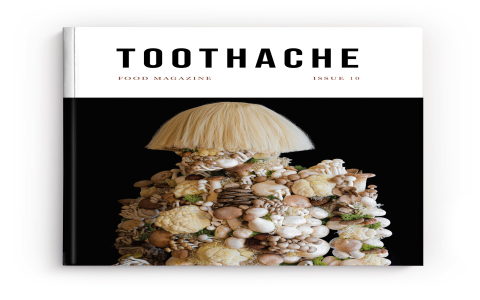
Culinary magazines have long acted as a bridge between professional kitchens and home cooks, blending vivid imagery, practical know-how, and narrative flair. By curating recipes, chef profiles, and visual stories, they quietly steer what ends up on plates and how people think about food. This overview examines their evolving role, the trends they spark, and the ripple effects felt by both industry insiders and everyday shoppers.
The Evolution of Culinary Magazines
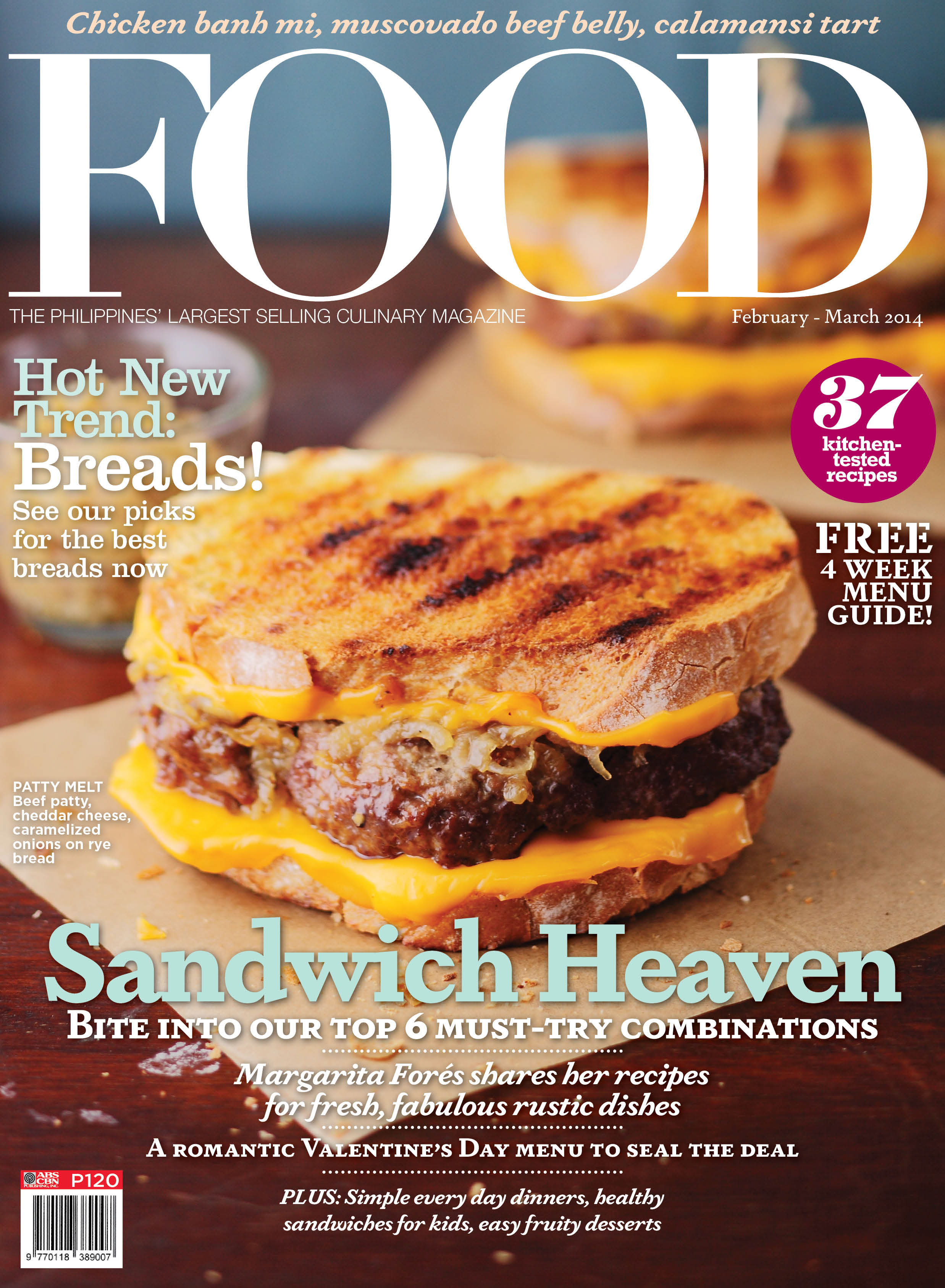
Early titles were little more than indexed recipe collections; today’s versions explore global street-food tours, zero-waste techniques, and behind-the-scenes looks at emerging chefs. The shift mirrors society’s growing curiosity about where meals come from and the cultures that created them.
The Role of Culinary Magazines in Kitchen Culture
1. Education and Inspiration
Step-by-step photos, knife-skill diagrams, and seasonal spotlights give novices confidence while offering veterans creative springboards. Historical sidebars on spice routes or fermentation traditions encourage readers to test unfamiliar flavors without leaving home.
2. Trendsetting
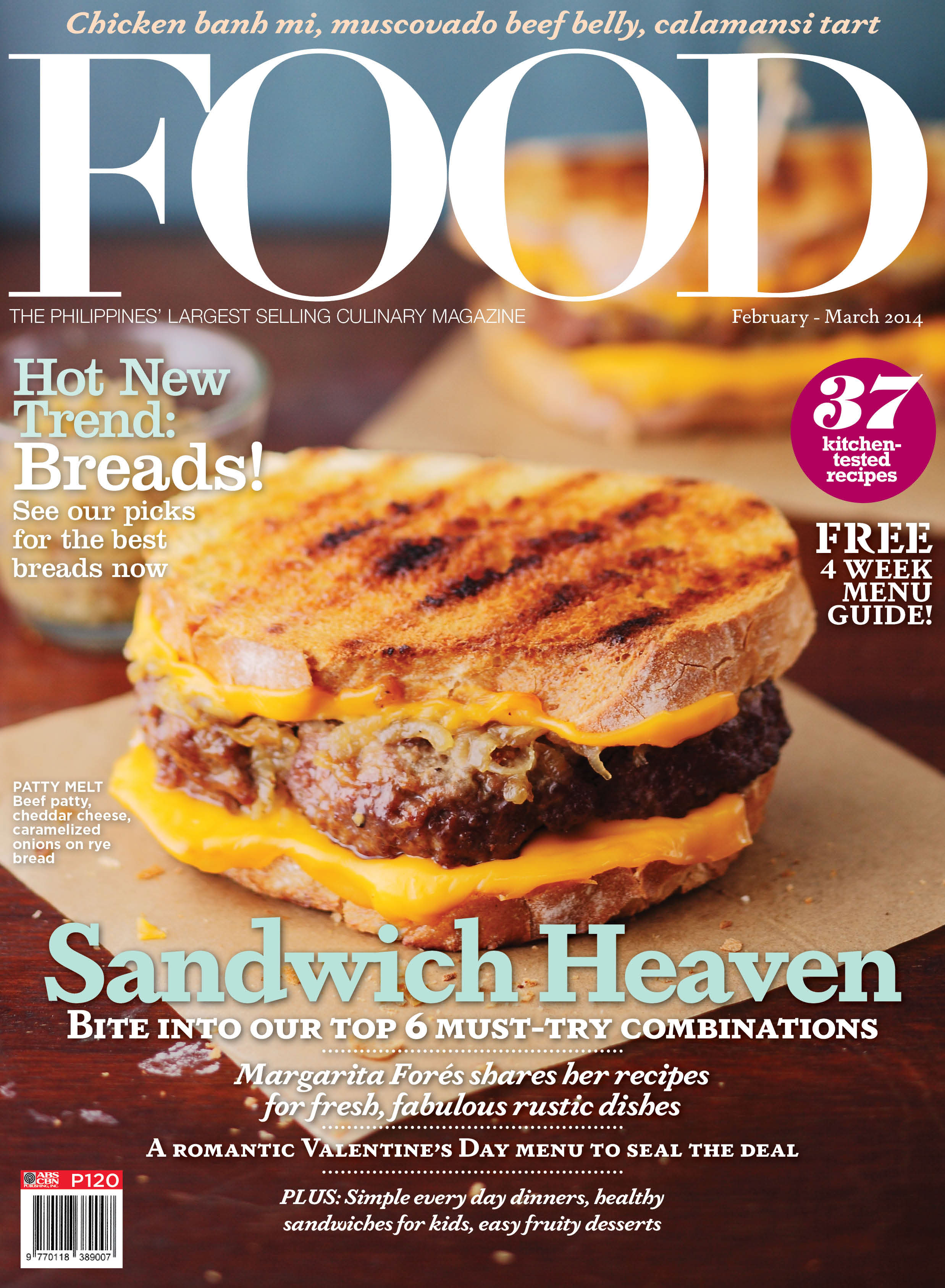
A single cover story on charcoal-infused bread or grain-free baking can push ingredients from niche catalogs onto mainstream supermarket shelves long before cookbooks catch up.
3. Storytelling
Vivid tales of grandmothers preserving chilies on rooftop terraces or fishermen restoring coral reefs turn simple ingredients into emotional experiences, deepening appreciation for the hands that feed us.
The Influence of Culinary Magazines on Consumer Behavior
1. Branding and Marketing
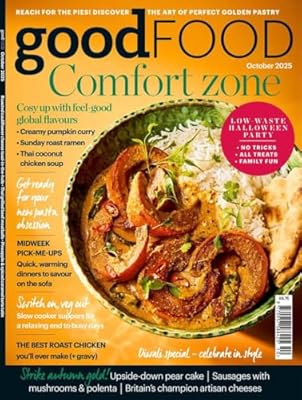
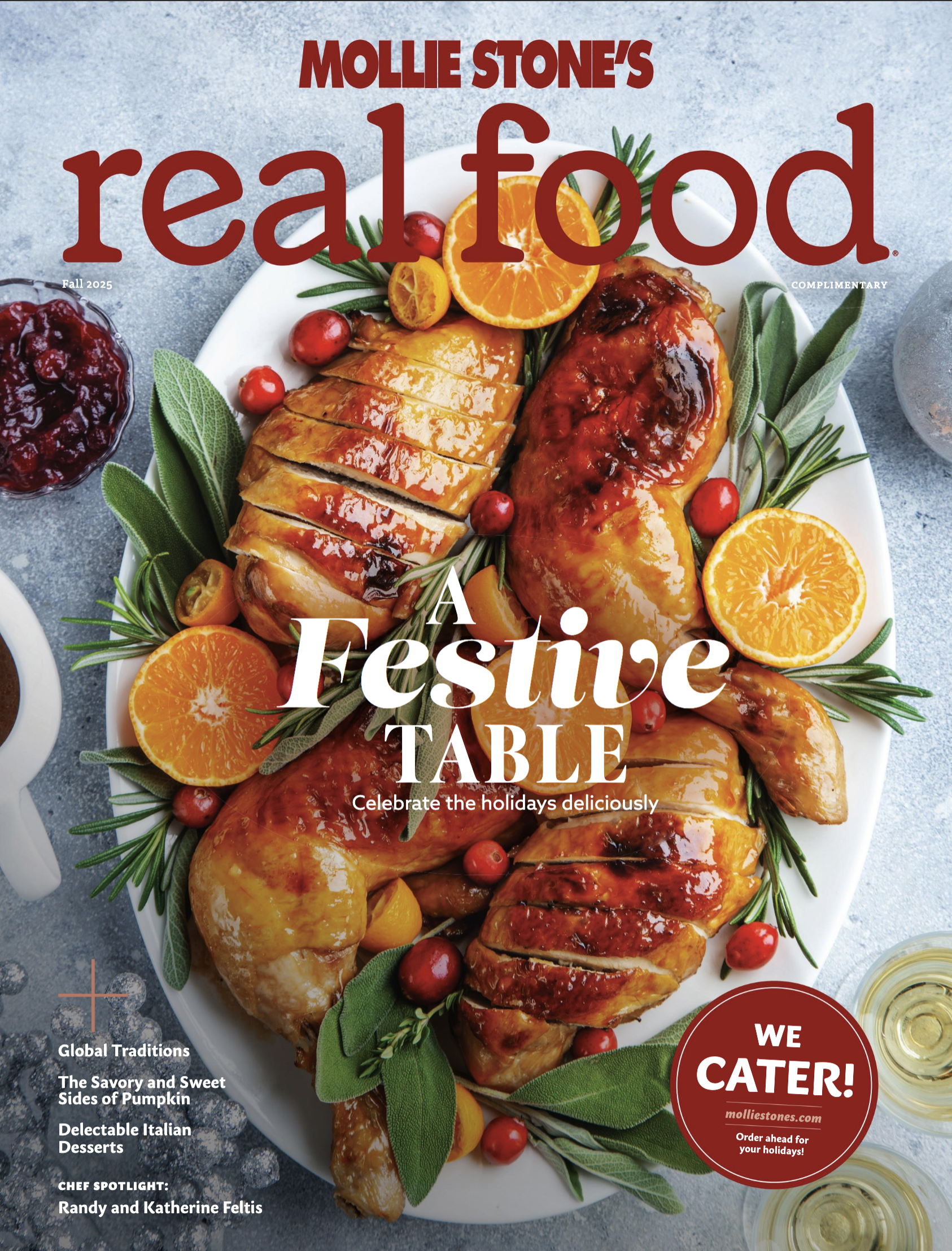
Carefully styled spreads introduce small-batch hot sauces or family-run olive farms to wide audiences, translating glossy pages into higher cart traffic and sold-out online shops.
2. Influencing Dietary Choices
Features highlighting colorful plant-centric plates or gut-friendly ferments often nudge readers toward adding more legumes, yogurt, or pickled vegetables to weekly menus.
3. Travel and Experiences
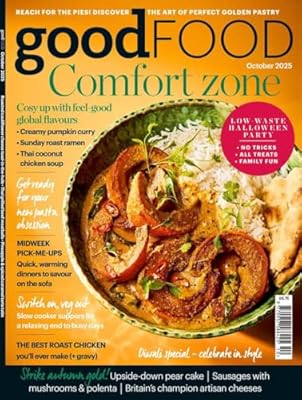
City guides built around night-market crawls or vineyard harvest weekends inspire itinerary choices, expanding culinary tourism well beyond traditional gourmet capitals.
The Challenges and Controversies
Critics point to overly perfected imagery that can distort expectations of home cooking, while repetitive focus on certain “trending” cuisines risks sidelining equally rich but lesser-known foodways.
The Future of Culinary Magazines
To stay relevant, publishers are experimenting with interactive apps, short-form videos, and stories that champion sustainable sourcing and fair labor practices from field to fork.
Conclusion
Culinary magazines remain powerful tastemakers, guiding what people cook, buy, and dream about eating. By balancing inspiration with responsibility, they can continue to nourish curiosity and connection at the table.
Recommendations and Future Research
To keep pace with changing appetites, editors might:
1. Showcase a wider range of voices and regional dishes.
2. Integrate eco-friendly tips into every issue.
3. Leverage social media for real-time reader feedback.
4. Study how repeated exposure to certain foods influences long-term shopping lists.
Areas ripe for further study include:
1. Links between food-media imagery and home-cooking confidence.
2. The magazine’s role in fostering cross-cultural appreciation.
3. How digital storytelling builds communities around shared meals.


