

The Impact of Culinary Television on Food Culture and Everyday Choices
Introduction
Culinary television has grown from a modest programming niche into a worldwide entertainment staple. From dedicated lifestyle channels to on-demand streaming collections, food-focused shows now reach millions of households daily. This article examines how these programs shape the way societies cook, eat, and think about food.

The Rise of Culinary Television
The Evolution of Food Programming
Early cooking demonstrations appeared on broadcast television decades ago, yet the genre truly flourished once multi-channel platforms emerged. A growing appetite for gastronomic knowledge, the charismatic appeal of professional cooks, and the popularity of unscripted formats all helped transform occasional recipe segments into full-time networks.
The Global Reach of Culinary Television
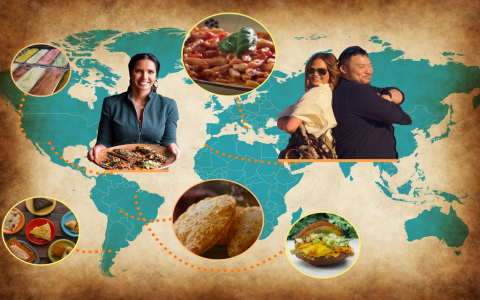
Today, food shows travel across borders with ease, subtitled or dubbed for regional audiences. Viewers in distant countries can watch the same series, encouraging an exchange of culinary ideas that both celebrates difference and highlights shared tastes.

The Impact on Culinary Culture
Preservation of Traditional Recipes
By filming local cooks and documenting heirloom dishes, culinary television acts as an informal archive. Techniques that might fade in a fast-paced world gain screen time, inspiring younger generations to recreate family flavors at home.
Promotion of Culinary Innovation
Competitions and chef profiles regularly spotlight creative plating, fusion ingredients, and novel kitchen gadgets. Exposure to such experimentation motivates professionals and amateurs to test new combinations, pushing cuisine forward.

The Chef as a Celebrity
Producers have turned talented cooks into familiar faces recognized far beyond restaurant walls. These personalities set trends, publish best-selling books, and attract loyal followings that mirror the influence once reserved for movie stars.
The Impact on Consumer Behavior
Increased Interest in Cooking
Step-by-step tutorials and approachable hosts invite viewers into their own kitchens. As confidence grows, grocery lists expand to include fresh produce, specialty spices, and tools that promise better results.
Influence on Food Choices
Episodes that explore street food in distant cities or plant-based twists on comfort classics broaden horizons. Audiences become more adventurous, seeking international snacks, fermented products, or alternative proteins they once overlooked.
The Role of Social Media
Short video platforms extend the life of broadcast content. Clips of sizzling pans or quick decorating hacks circulate rapidly, encouraging user-generated recreations and online conversations that keep culinary topics trending.
The Economic Impact of Culinary Television

Advertising and Sponsorship
Brands align themselves with popular shows to showcase cookware, packaged ingredients, and delivery services. Sponsored segments integrate products naturally, turning entertainment into a subtle marketplace.
The Food Industry
Surges in demand for specific items—such as heritage grains or small-batch hot sauces—often trace back to on-air endorsements. Suppliers respond by diversifying offerings, and retailers dedicate shelf space to premium or exotic lines.
Conclusion

Culinary television has become a powerful force that preserves heritage, sparks creativity, and guides purchasing decisions. By blending education with spectacle, it continues to redefine how home cooks, restaurateurs, and food businesses operate.
Recommendations and Future Research
To deepen understanding of this phenomenon, scholars could investigate:
1. Long-term shifts in household nutrition linked to sustained viewing of healthy cooking shows.
2. The genre’s potential to advance environmentally responsible eating through storylines about waste reduction and seasonal sourcing.

3. Ripple effects on supply chains when a single program triggers nationwide ingredient shortages or price spikes.
In sum, food on screen is more than entertainment; it is a dynamic ingredient in the ongoing recipe of modern food culture.


