


Healthy Restaurants in Worcester: A Guide to Nutritious Dining
Introduction
Worcester, a lively city in central Massachusetts, blends historic charm with a growing food scene. As more people focus on balanced living, local eateries have responded with menus that put vegetables, whole grains, and mindful cooking in the spotlight. This guide highlights spots where flavor and wellness share the same plate.
The Importance of Healthy Eating
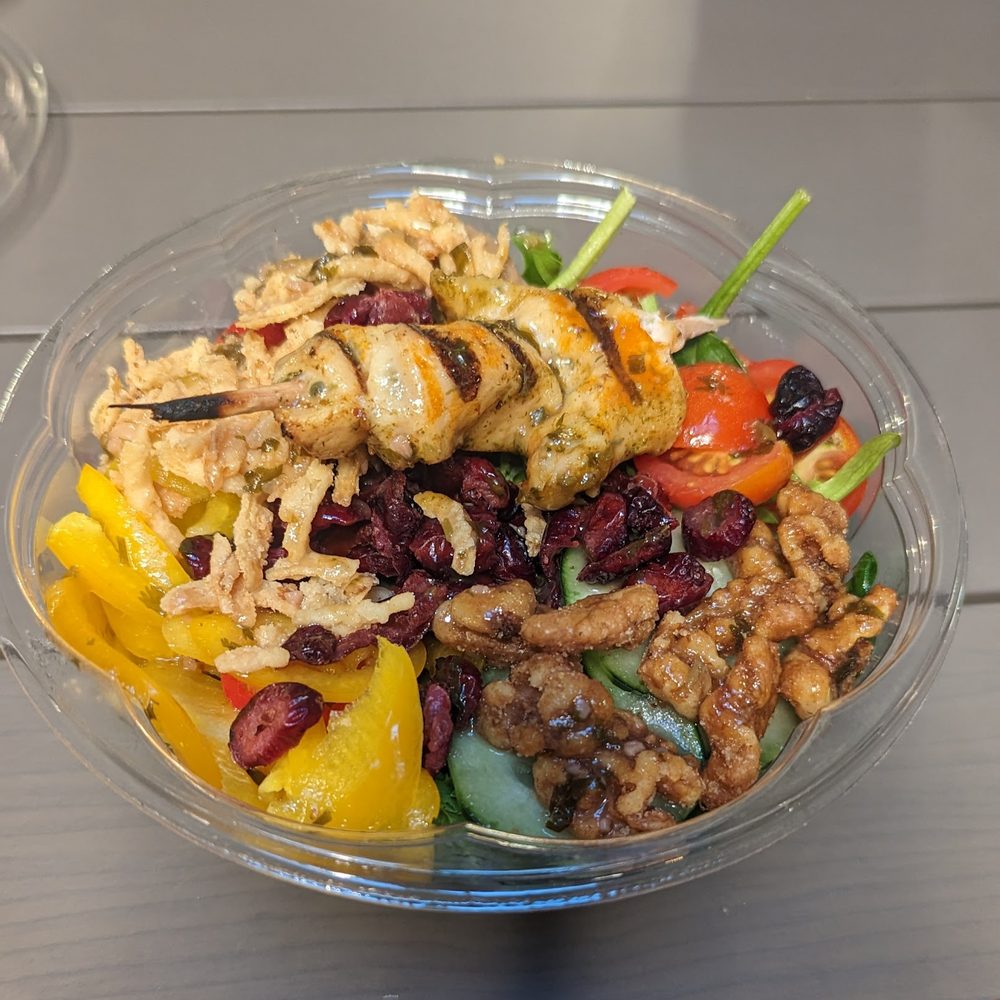
Good meals do more than satisfy hunger; they fuel busy days and steady moods. Plant-forward kitchens across the city make it simple to choose colorful salads, broth-based bowls, and naturally sweet treats. Many kitchens highlight regional produce, letting seasonal taste lead the way without relying on heavy sauces or excess salt.
Top Healthy Restaurants in Worcester
1. The Plant
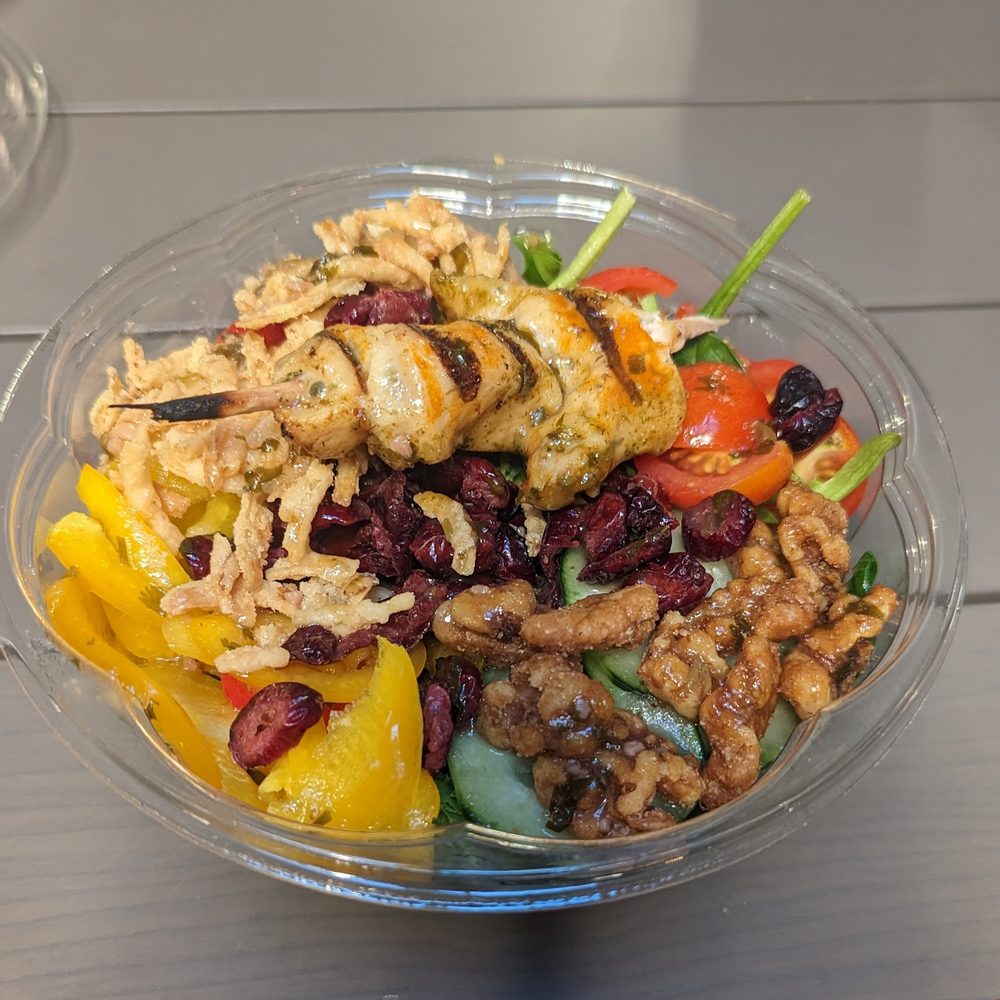
The Plant crafts 100 % vegan plates that even devoted carnivores queue for. Think crunchy rainbow salads, grilled tempeh wraps, and berry-packed smoothies. Ingredients arrive from nearby farms several times a week, so the menu shifts with the harvest.
2. The Common Kitchen
The Common Kitchen keeps its chalkboard menu short on purpose: every dish starts with whatever local growers picked at dawn. Expect creative grain bowls, herb-roasted vegetables, and gluten-free flatbreads baked to order. Sun-lit communal tables invite solo diners and families to share the same relaxed vibe.
3. The Gritty Butcher
Despite the name, The Gritty Butcher celebrates vegetables as much as responsibly raised protein. Charred cauliflower steaks sit beside lean burgers on house-made sourdough, and sauces rely on garden herbs rather than excess sugar. Reclaimed wood and potted basil give the space a rustic, welcoming edge.
4. The Good Life Market & Café

Part grocery, part café, The Good Life greets guests with shelves of organic apples and a smoothie bar that hums all day. Breakfast might be a chia-oat parfait; lunch could be a warm lentil soup paired with gluten-free focaccia. Cozy armchairs and local art make it easy to linger over a turmeric latte.
5. The Daily Grind
The Daily Grind starts mornings with cold-brew on tap and steel-cut oats topped with poached pears. By afternoon the counter turns out quinoa burgers, rainbow slaw, and date-sweetened energy bites. Bring a reusable cup for a small discount and join the steady stream of students tapping away on laptops.
Nutritional Benefits of Healthy Restaurants
Menus built around whole foods deliver more fiber, antioxidants, and healthy fats than typical fast fare. Diners often notice steadier energy, clearer skin, and fewer afternoon slumps. Chefs limit deep-frying and added sugar, letting natural flavors shine while keeping calories in check.

The Role of Healthy Restaurants in the Community
These kitchens double as classrooms: cooking demos, compost drop-offs, and meet-the-farmer nights teach guests where food comes from and why it matters. By sourcing close to home, restaurants shorten supply chains, support regional growers, and shrink carbon footprints. The result is a stronger local economy and a dining culture that values transparency.
Conclusion
From grab-and-go salads to candle-lit veggie tasting menus, Worcester proves that mindful eating need not be bland or boring. Each visit nudges personal health forward while backing nearby farms and greener practices. Bring friends, try something new, and taste how wholesome can also mean delicious.
Recommendations and Future Research
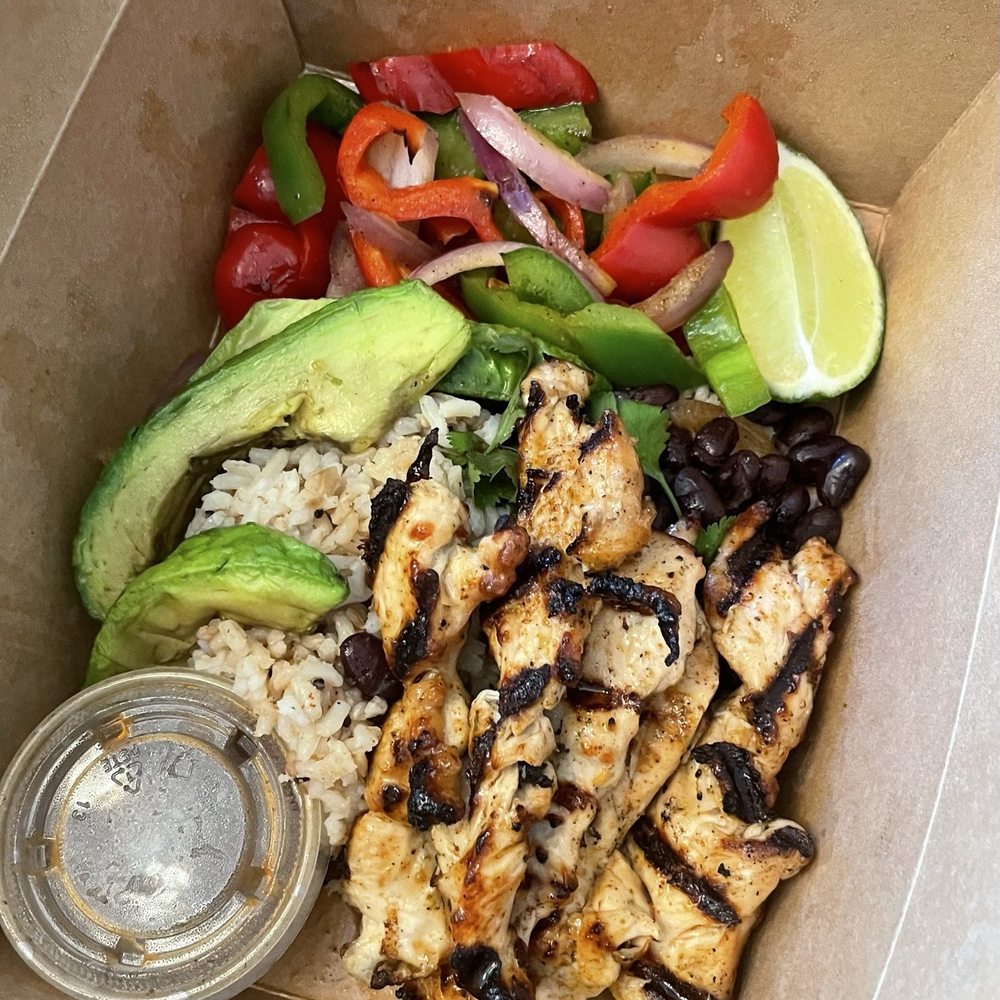
Chefs and customers alike can keep the momentum going by asking for more plant-based specials, lighter portion options, and clearer ingredient labels. Studying how these choices affect community well-being could guide future city planning, school lunches, and workplace cafeterias. A shared plate, after all, is a simple step toward a shared, healthier future.


