Title: How Everyday Foods Shape Our Health
Introduction:
What we eat every day quietly shapes how we feel, think, and age. This article looks at the main food groups, their benefits, possible drawbacks, and practical ways to balance them so that meals support long-term well-being.
Types of Food and Their Nutritional Value
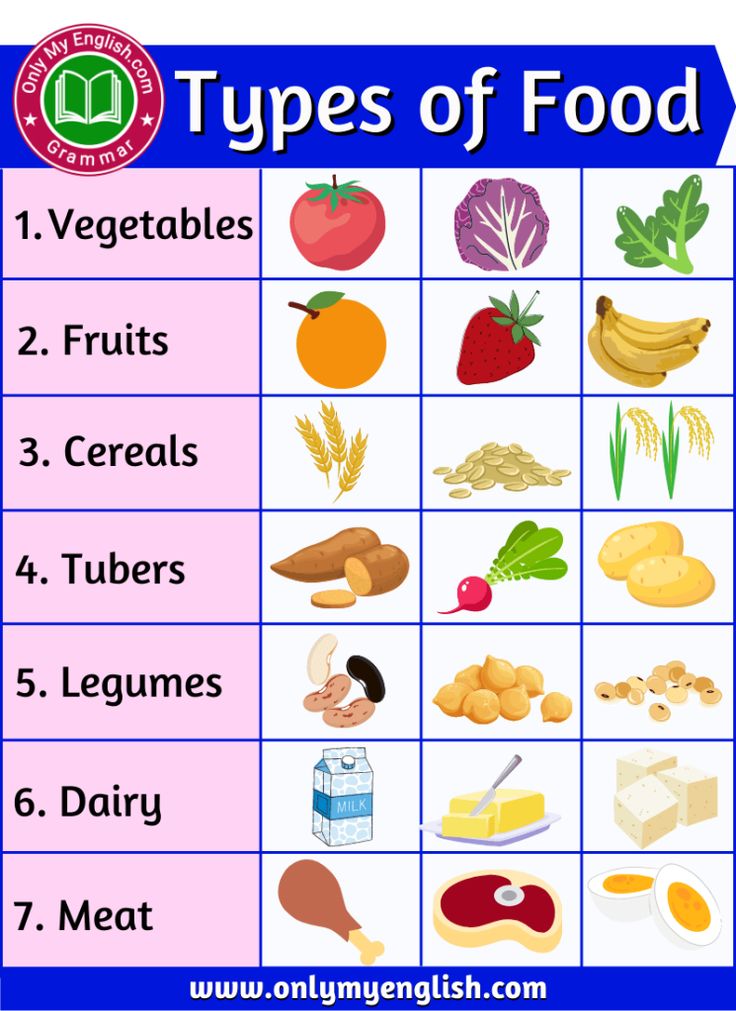
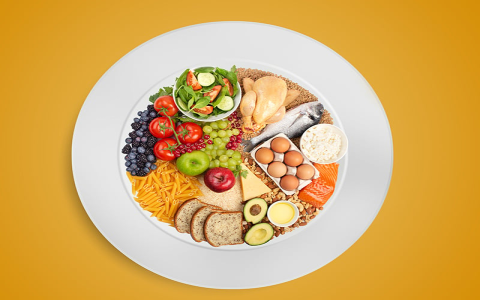
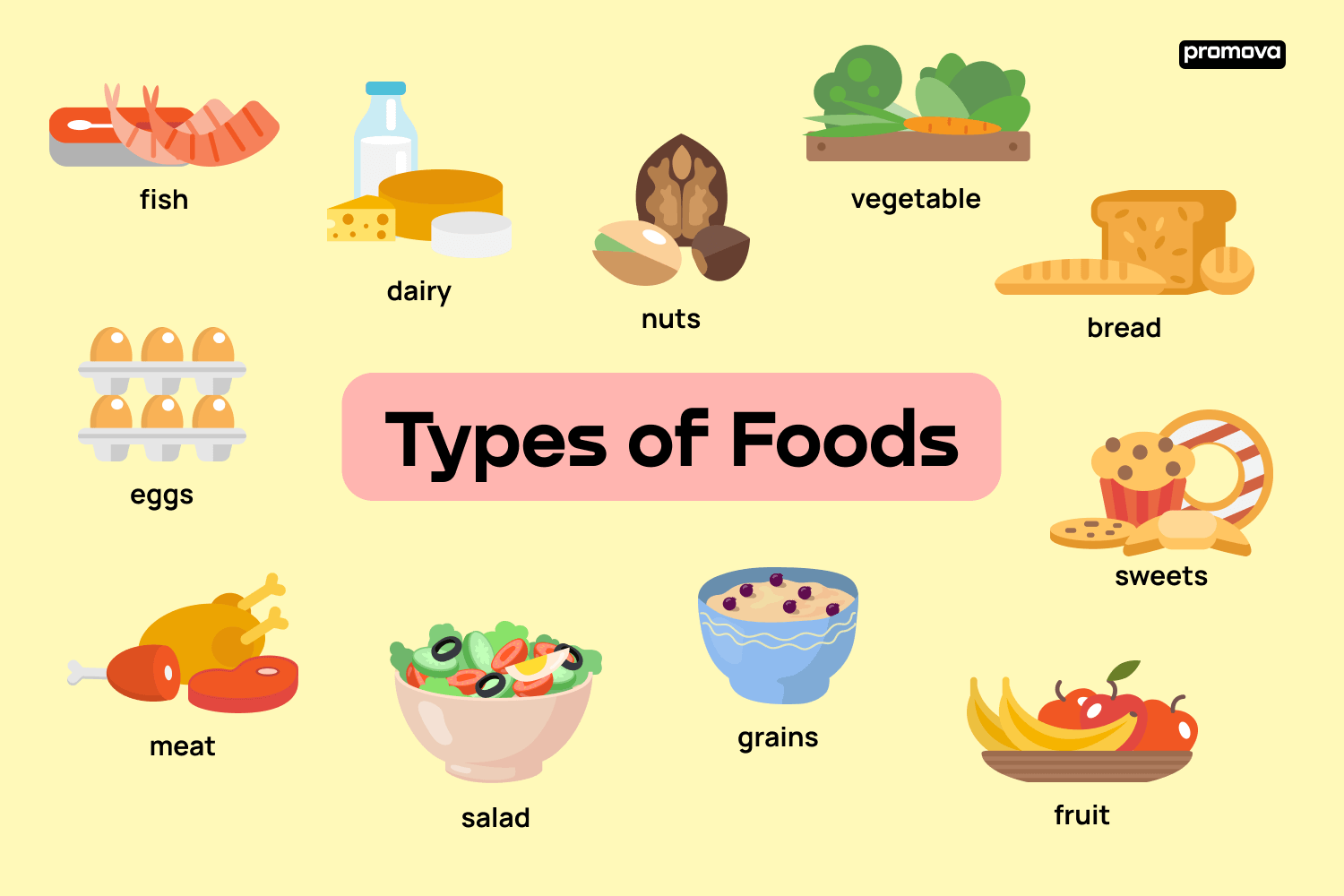
Food can be grouped by the nutrients it supplies:
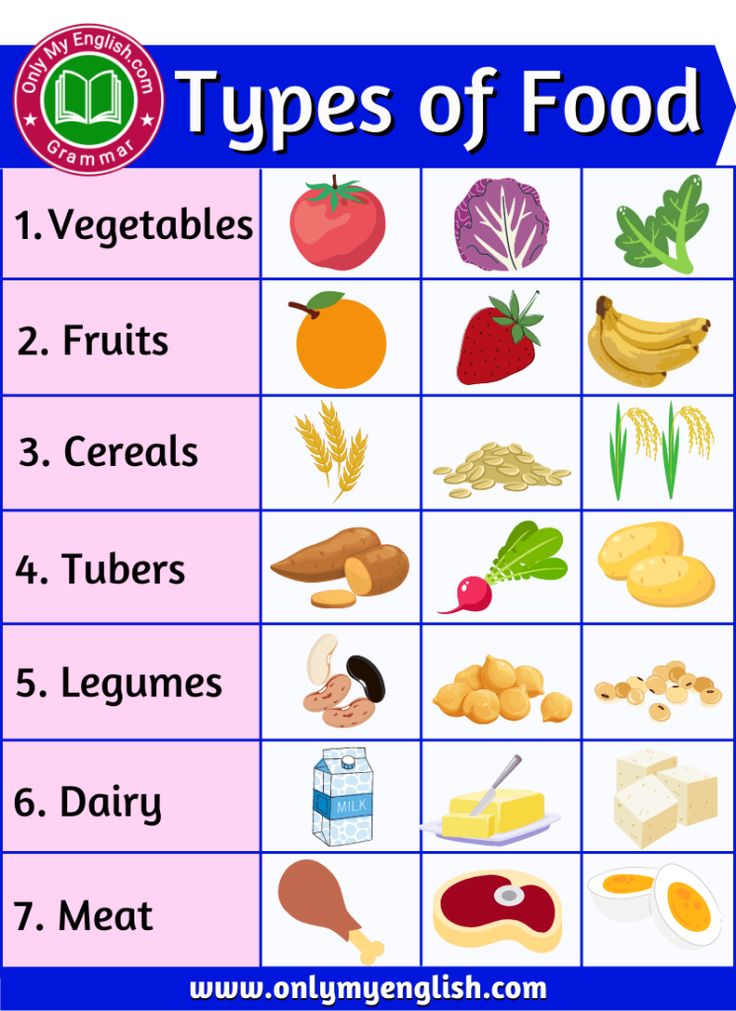
1. Protein-Rich Foods: These support muscle upkeep and immune strength. Common choices include beans, lentils, fish, eggs, yogurt, tofu, and lean poultry.
2. Carbohydrate-Rich Foods: They fuel the brain and muscles. Sources range from whole fruits and starchy vegetables to oats, brown rice, quinoa, and whole-grain bread.
3. Fats: Healthy fats help absorb vitamins and keep cells flexible. Think of avocados, nuts, seeds, olive oil, and the natural fat in fish.
4. Fiber-Rich Foods: Fiber keeps digestion steady and feeds helpful gut bacteria. It is abundant in berries, greens, legumes, and intact whole grains.
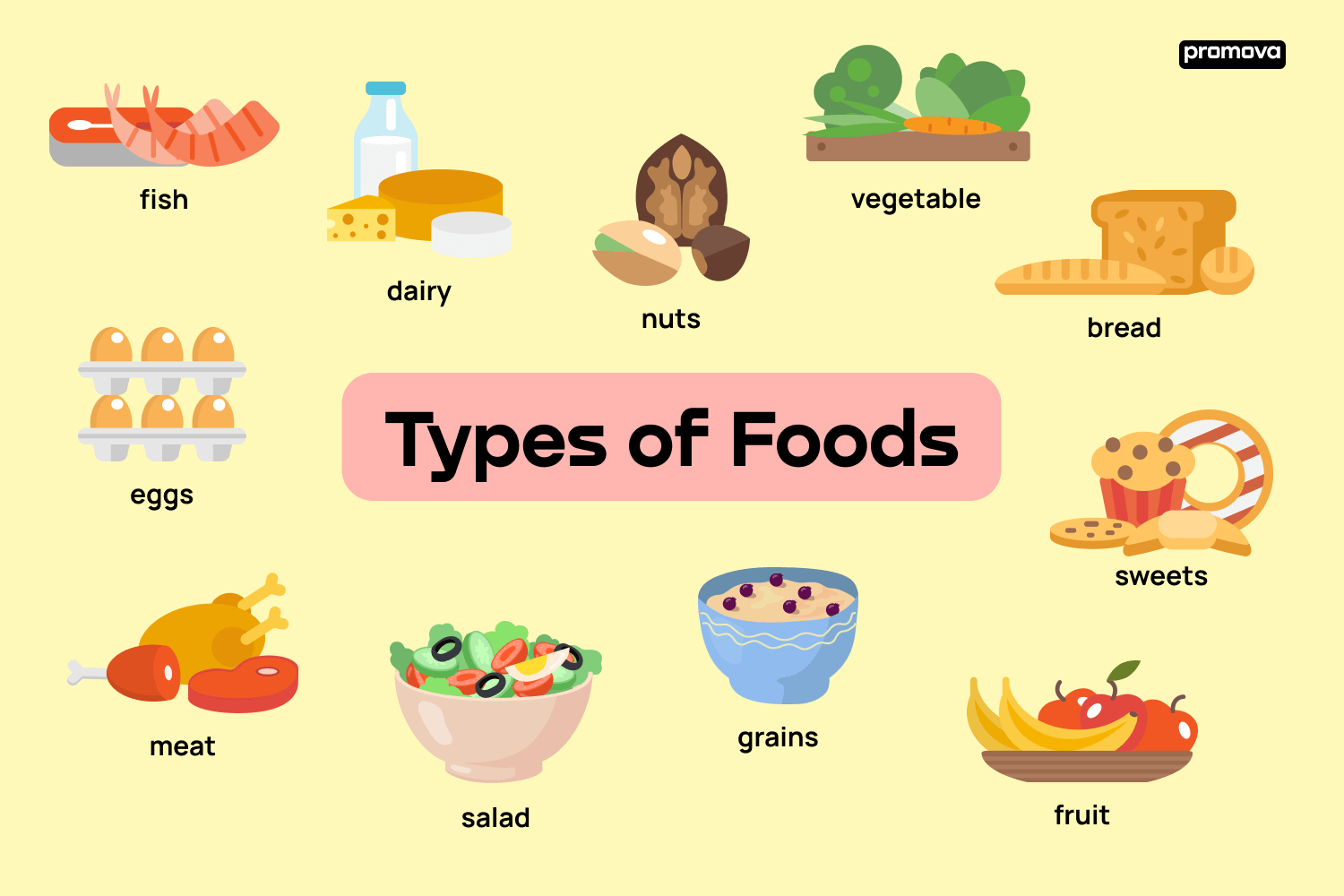
5. Vitamins & Minerals: Colorful produce, nuts, seeds, dairy alternatives, and fortified staples supply the micronutrients that guide everything from bone upkeep to energy metabolism.
Impact of Different Types of Food on Health
Each food group can help or hinder depending on amount and quality:
1. Protein-Rich Foods: Adequate portions assist repair, but very high intakes may strain kidneys in susceptible people.
2. Carbohydrate-Rich Foods: Whole sources give steady energy, while frequent sugary or refined options can raise post-meal spikes and, over time, metabolic risk.
3. Fats: Unsaturated choices calm inflammation and protect the heart; excess saturated or industrially hardened fats tilt the balance the other way.
4. Fiber-Rich Foods: Generous amounts lower cholesterol, steady glucose, and nurture gut flora; suddenly doubling intake can cause temporary bloating.
5. Vitamins & Minerals: Meeting daily targets prevents fatigue, poor immunity, and bone loss; megadoses of single nutrients are rarely helpful and sometimes harmful.
Food Allergies and Intolerances
Some bodies react to everyday foods. Allergies trigger immune responses, while intolerances lead to digestive upset. Recognizing personal triggers and choosing safe swaps keeps meals comfortable and nutritious.
Reading labels, cooking from scratch when possible, and consulting knowledgeable health professionals reduce risk and worry.
Impact of Food Processing on Nutritional Value
Processing ranges from simple washing to industrial reformulation. Gentle methods—steaming, freezing shortly after harvest, or fermenting—often preserve or even enhance nutrients. Heavy refining that strips layers or adds excess sodium, sugar, or unstable fats can dilute goodness.
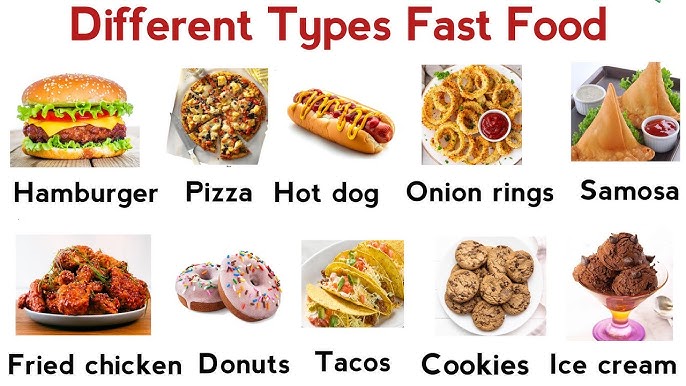
A handy rule: the shorter the ingredient list and the closer to the original plant or animal form, the better the usual payoff.
Conclusion
No single food holds the key to health; the overall pattern matters most. Building plates around varied plants, balanced proteins, and mindful fats, while honoring individual tolerances, supports energy, mood, and long-term disease defense.
Staying curious, adjusting portions to activity levels, and enjoying meals with others turn nutrition knowledge into sustainable habits.
As science moves forward, keeping an open yet critical eye on new findings helps each eater refine choices without falling for fleeting fads.
Future Research Directions
Questions worth exploring include:
1. How diverse dietary patterns influence aging, cognition, and gut ecosystems over decades.
2. Ways personalized nutrition can guide individuals with mild intolerances toward broader, safer menus.
3. Innovations that retain flavor and convenience while lowering excess salt, sugar, and refined starch in popular staples.
4. Food-based strategies that complement medical care in lowering common chronic disease risk.
Answering these questions will deepen collective knowledge and help more people enjoy food that is both pleasurable and protective.